How to Plan an Intentional Wine Country Itinerary
A truly memorable wine outing starts with pacing rather than packing your day with back-to-back stops. The most common pitfall visitors face is booking four or five reservations across a broad valley, only to spend half their afternoon sitting in regional highway traffic. Planning two, or at most three, unhurried appointments allows you to actually speak with the cellar team, explore the grounds, and enjoy the progression of a curated flight without checking your watch every twenty minutes.
Choosing the right balance of producers makes a substantial difference in how your day feels. Pairing an expansive historic agricultural estate with an intimate standalone downtown tasting counter gives you two completely different vantage points on regional viticulture. Downtown storefronts provide walkable accessibility and casual socializing, while dedicated vineyard estates offer quiet immersion in the soils, trellising methods, and seasonal rhythms that dictate harvest quality.
Before locking in your calendar, consider what hospitality format suits your group best. Some travelers prefer guided production walks that explain destemming and barrel aging, while others want a shaded picnic table where they can explore regional pours at their own leisure. Researching whether a site prioritizes educational seated flights, expansive patio lounging, or comprehensive vineyard access will ensure expectations match reality.
Coastal Benchmarks and Limestone Terroir in Central California
Central California offers some of the most dynamic growing conditions in the country, marked by extreme diurnal temperature shifts and rare calcareous soils. Travelers visiting Santa Barbara County often seek out dedicated Rhone-variety producers nestled along coastal foothills. In creative hubs like Los Olivos, operations like the Stolpman Vineyards tasting room demonstrate how cool ocean breezes and un-irrigated chalky limestone combine to yield vibrant Syrah, fresh Roussanne, and crunchy carbonic fermented reds that showcase real energy.
Exploring this pocket of the state reveals how proximity to the Pacific shapes maritime viticulture. Coastal fog blankets the vines in the early morning and burns off by noon, preserving natural acidity while allowing fruit to achieve phenolic ripeness under bright afternoon sunshine. As you sample across the central valleys, comparing warm interior microclimates to exposed transverse mountain gaps highlights just how diverse California bottle profiles can be.
If you are sketching out a longer coastal trip, exploring wineries in California provides immediate insight into the thousands of distinct microclimates stretching from coastal sea breezes to hot inland valleys. Taking time to walk through an open-air tasting area allows you to grasp how growers manage cover crops, preserve ground moisture during dry spells, and coax expressive mineral qualities out of steep, rugged hillsides.
Urban Wineries and Modern Tasting Saloons
Not every great wine experience requires driving hours into rural backcountry. The urban craft winery model has surged in popularity, turning industrial brick warehouses and downtown storefronts into vibrant community tasting halls. Venues like Bigsby's Folly in urban warehouse districts prove that high-caliber crush pads, custom blending sessions, and thoughtfully sourced regional fruit can thrive directly in the heart of major metropolitan corridors.
These modern spaces take the pretension out of evaluating complex pours while maintaining rigorous cellar standards. Visitors can drop in after work, sample rotating lots from stainless steel tanks or neutral oak casks, and order seasonal shareable small plates without adhering to stiff countryside tasting protocols. Urban spots frequently source grapes from several premier appellations, allowing guests to taste different valleys side by side.
Urban settings also excel at offering diverse serving formats. Many guests appreciate locations providing wine by the glass, which lets you sample rare varietals or lighter pours before committing to an entire bottle. Urban cellars bridge the gap between high-level enological production and walkable neighborhood nightlife, making craft viticulture approachable for weekend explorers and seasoned collectors alike.
Historic Farmsteads and Rustic Mountain Terroir
Escaping to rural mountain ranches offers a completely distinct perspective on regional agriculture. Heading into places like San Diego County's backcountry foothills uncovers peaceful, oak-studded retreats like Milagro Farm Winery, where rugged granite soils and high elevation give rise to structured Italian and French varietals. Visiting a working farmstead reminds guests that grape growing is, at its core, a patient agricultural craft deeply tied to seasonal cycles.
These mountain properties often integrate multiple farm components, pairing working fruit orchards, heritage olive groves, and pasture lands alongside hillside vine rows. The wide-open topography invites visitors to stroll beneath ancient shade trees, inspect granite-strewn soils, and breathe fresh mountain air far away from urban congestion. Cellar selections in these regions often reflect the rustic grit and sun-drenched warmth of high chaparral landscapes.
When planning a rustic farm visit, look for destinations featuring wineries with outdoor seating where expansive landscape views complement the glass in your hand. Sitting outdoors among old stone terraces or beneath sweeping arbors creates an unhurried, pastoral environment where you can appreciate how distinct elevations and mountain breezes shape the body, tannin structure, and aromatic profile of locally fermented vintages.
Overnight Vineyard Inns and Agricultural Retreats
One of the best ways to truly understand a growing region is to sleep right on the estate grounds. Staying at an agricultural haven like the Black Star Farms Inn in Northern Michigan gives guests front-row access to the peaceful stillness of early morning vineyard mist and late-evening cellar calm. Waking up steps away from the vines allows you to explore walking trails, watch field crews at work, and experience countryside hospitality without any rush.
Properties designed with dedicated lodging often curate immersive agricultural programs for overnight guests. You can typically join exclusive morning cellar walks, participate in private barrel tastings with winemakers, and enjoy multi-course farm dinners paired with aged cellar selections. Across premier cold-hardy appellations, these stays highlight how cool lake breezes and sandy glacial ridges produce remarkably crisp Rieslings, Pinot Noirs, and sparkling cuvées.
To explore the distinct seasonal beauty and cool-climate viticulture of the Great Lakes region, reviewing wineries in Michigan helps identify scenic estate retreats tucked along rolling peninsulas. An overnight vineyard stay provides an educational sanctuary where agricultural curiosity, comfortable lodging, and regional culinary traditions merge seamlessly.
Architecture, Old World Stone Villas, and Scenic Estates
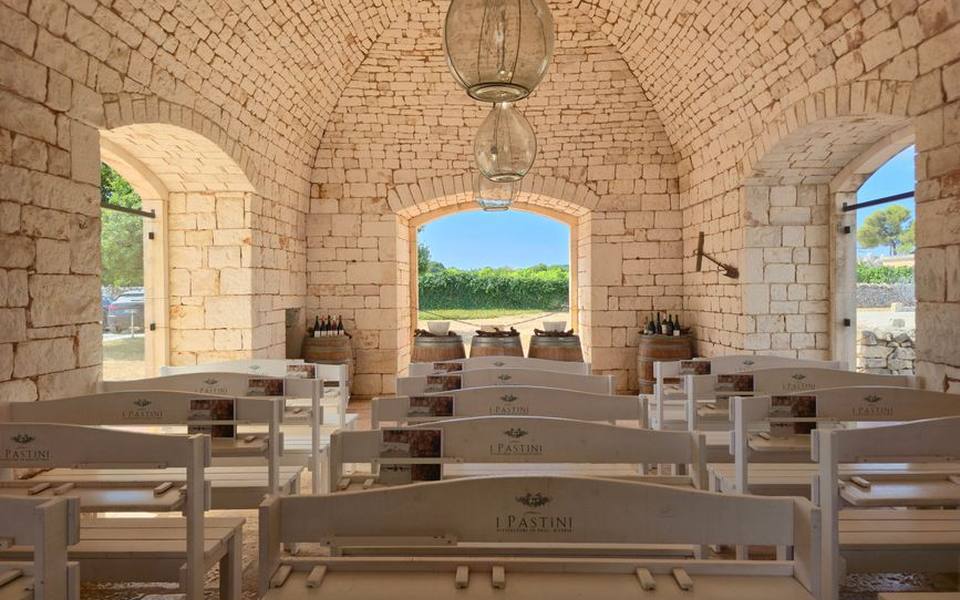
Estate architecture shapes the atmosphere of a tasting just as much as the wine itself. Across valleys like Santa Ynez, grand European-inspired properties such as the Sunstone Winery Villa incorporate reclaimed limestone, centuries-old roof tiles, and authentic Mediterranean courtyard designs that instantly transport guests across the globe. Experiencing fine wine in a carefully built historic setting anchors the tasting within centuries of classic cellar traditions.
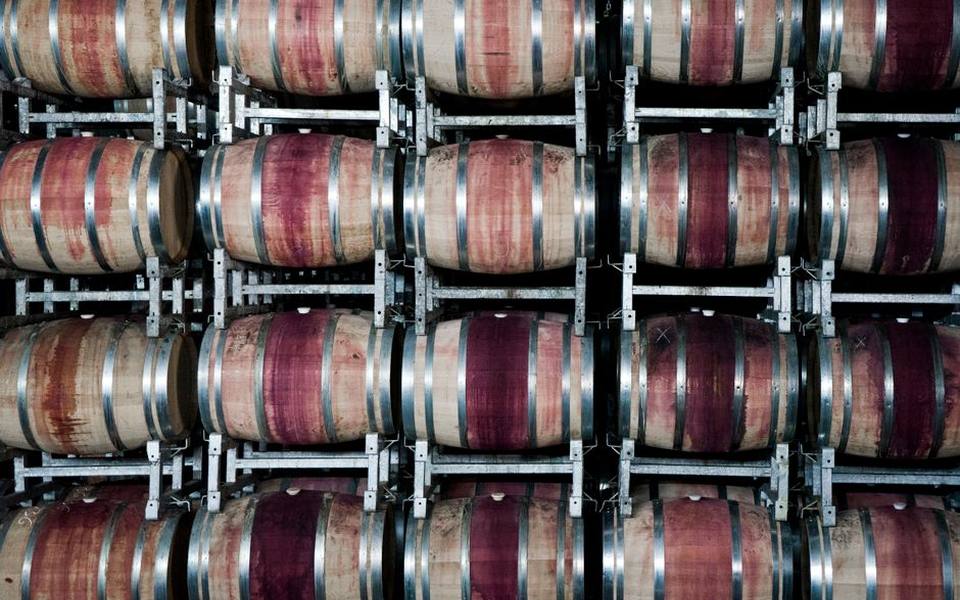
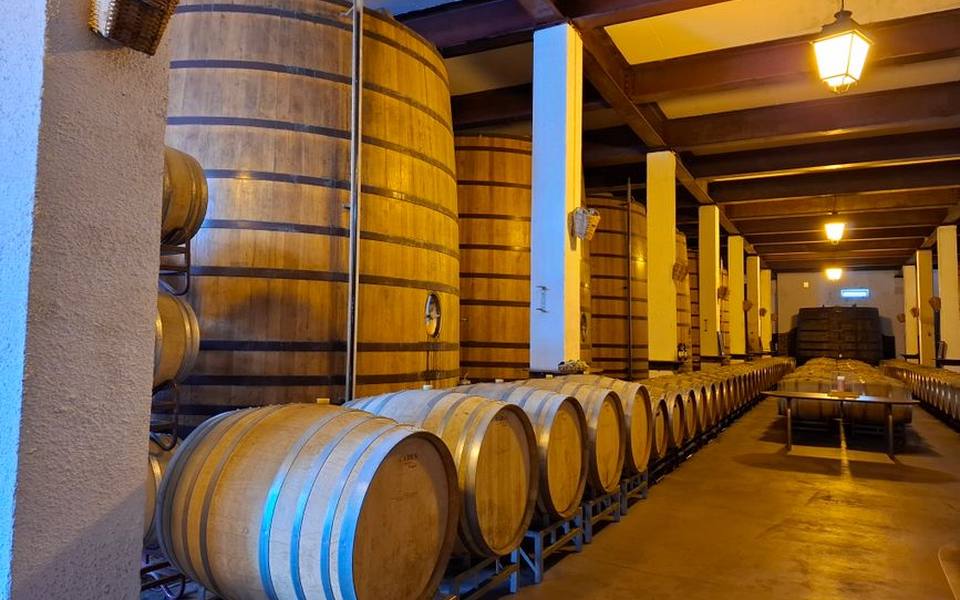
Beyond visual beauty, thoughtful architectural design serves a functional agricultural purpose. Deep underground cellars, thick stone walls, and natural gravity-flow winery designs help maintain consistent ambient temperatures and humidity levels without consuming excessive mechanical cooling power. Walking past hand-carved wooden doors into a cool, barrel-lined stone cellar provides tactile insight into how historic European techniques preserve delicate aromatics during extended aging.
Touring properties with remarkable architectural heritage makes for an unforgettable afternoon outing, particularly when paired with guided estate grounds walks. Many visitors specifically seek out estates equipped with stone terraces, tranquil olive courtyards, and secluded vine-side tasting cabanas where the craftsmanship of the physical buildings matches the artisanal attention poured into every vintage.
Diverse Ownership and Emerging Voices in Modern Wine
The modern wine landscape is expanding, enriched by a growing movement of Black-owned vineyards, winemakers, and industry pioneers bringing distinct agricultural philosophies and community-focused hospitality to classic valleys. Learning about a Black winery or family-operated estate introduces enthusiasts to dynamic cuvées, culturally rooted narratives, and production projects that intentionally broaden the audience for fine craft viticulture.
Supporting a Black-owned winery or diverse independent label often means tasting innovative blends, thoughtful single-vineyard bottlings, and creative cellar expressions that challenge rigid regional dogma. Many of these visionary producers focus heavily on sustainable vineyard management, accessible tasting education, and intentional mentorship for aspiring cellar hands who have historically faced structural barriers to estate ownership and land stewardship.
Whether visiting an established tasting room or sampling allocations crafted through collaborative custom-crush partnerships, seeking out Black-owned vineyard labels offers an authentic way to broaden your palate. These makers are enriching American cellar culture, proving that exceptional winemaking thrives when tradition is paired with fresh perspectives, inclusive tasting tables, and bold, modern craftsmanship.
Pacific Northwest Heritage and Intimate Tasting Rooms
The Pacific Northwest has earned global acclaim for producing wines of remarkable balance, tension, and savory complexity. In renowned hubs like Walla Walla, prominent spaces like the Browne Family Vineyards tasting room provide inviting spaces where visitors can explore deep Cabernet Sauvignon, expressive Malbec, and structured Bordeaux-style blends crafted from Columbia Valley's sun-drenched volcanic slopes.
Hospitality in the Pacific Northwest leans distinctly grounded, conversational, and deeply focused on the relationship between soil health and bottle quality. Knowledgeable staff guide guests through the geological legacy of historic Missoula Floods, explaining how deep layers of river gravel and windblown loess stress vine roots to create remarkable flavor concentration. These seated environments invite guests to ask detailed questions about fermentation trials and vintage variation.
When mapping out a tour through the arid interior valleys or urban hubs of the Northwest, researching wineries in Washington allows you to discover diverse boutique operations. Pairing visits to expansive production facilities with cozy urban rooms provides a complete picture of why this region continues to command international attention.
Specialized Farming and Kosher Cellar Craftsmanship
Specialized winemaking protocols often require extraordinary precision in both the vineyard and cellar. In Napa Valley, producers like Hagafen Winery have spent decades demonstrating that kosher winemaking techniques can walk hand in hand with certified organic farming and world-class estate viticulture. Maintaining certified kosher production requires strict rabbinical supervision and meticulous handling without sacrificing terroir-driven nuance.
To earn kosher certification, all vineyard management, crushing, stainless steel fermentation, and French oak aging must be overseen exclusively by Sabbath-observant Jewish cellar hands. Furthermore, fining agents, indigenous yeasts, and cleaning materials must meet strict purity standards. Tasting through a flight of reserve Cabernet Sauvignon or crisp Sauvignon Blanc from a dedicated kosher producer dispels outdated myths, proving that religious fidelity and enological excellence produce premier, age-worthy bottles.
Exploring specialized production methods deepens your understanding of cellar science and hygiene standards. Facilities operating under strict dietary or organic certifications maintain extraordinary cellar cleanliness, which directly protects fruit clarity and prevents premature oxidation. Seeking out these distinctive producers enriches any wine tour by highlighting the multifaceted cultural dimensions of viticulture.
Comparing American Cellars with European Benchmarks
To fully appreciate domestic viticulture, it helps to understand the historic benchmarks that inspired early American plantings. Many avid travelers structure vacations around an educational vineyard tour from Florence to unpack the sangiovese-driven elegance of Chianti Classico, or arrange an immersive vineyard tour across Bordeaux to trace centuries of gravel-bed gravel-soil Cabernet blending along the Gironde estuary.
European excursions provide a grounding look at how strict appellation laws, generational family ownership, and centuries of microclimate observation dictate every farming choice. Walking the steep terraces of Tuscany or traversing the humid maritime gravel beds of the Medoc illustrates why certain rootstocks, trellising techniques, and barrel choices were originally selected and later adapted by ambitious winemakers across California, Oregon, and Washington.
Returning home after observing historic Old World methods sharpens your appreciation for the creative freedom enjoyed by domestic winemakers. While European producers must adhere to stringent regional governing codes regarding grape varieties and irrigation, American vintners can experiment across multiple AVAs, plant diverse cultivars side by side, and blend across vintage boundaries to produce compelling, expressive wines that honor tradition while blazing new paths.
Tasting Formats, Etiquette, and Booking Tips
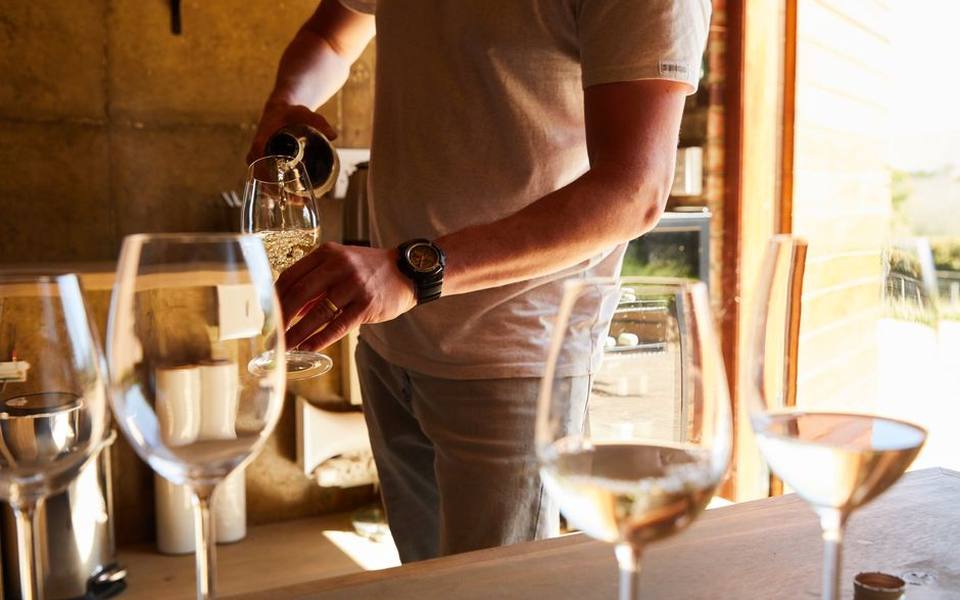
Navigating tasting rooms with confidence comes down to understanding standard cellar etiquette and service styles. Most properties offer structured tasting flights designed to guide guests from bone-dry whites through delicate reds and into heavier, tannin-dense reserve bottles. Knowing your personal preferences helps the host adjust pouring order or suggest alternative bottles that better match your palate.
Advance reservations have become standard practice across nearly every premier wine region, particularly on weekends. Booking ahead ensures the cellar staff can prepare dedicated seating, allocate proper glassware, and provide individualized service. Checking booking policies beforehand also clarifies cancellation deadlines, pet accommodations, and whether outside picnic fare is welcomed on terrace lawns.
To get the most out of your budget, look for wineries and tasting rooms offering wine tasting flights so you can contrast multiple vintages without committing to full glasses. A thoughtful itinerary balances these educational flights with restful downtime, giving you space to reflect on the stories, landscapes, and craftsmanship encountered along the way.
Published 2026-09-21 · reviewed with each rebuild, last September 2026.
Find wineries near you
The directory lists 14,608 wineries by state and city — pick your state or use the “Near me” button in the header.
More guides
-
 Service
How to Become a Sommelier: Career Paths, Tasting Technique, and Practical Service
-
 Service
What to Wear to a Winery: Practical Outfits, Etiquette, and Food Pairings
-
 Owning
The Ultimate Wine and Food Pairing Guide: From Cheese to Desserts
-
 Buying
Understanding Kosher, Organic, and Biodynamic Wines: Production, Storage, and Pairings
-
 Buying
A Guide to Ordering Wine Online and Purchasing Bulk Alcohol for Events
-
 Buying
The Chemistry of Wine Fermentation: Yeast Roles, Malolactic Conversion, and Flavor Balance
-
 Buying
Understanding the Wine Sweetness Scale: From Crisp Dry to Indulgent Sweet
-
 Money
MoneyWine Tasting Costs Explained: What to Expect in Napa Valley and Beyond
-
 Owning
The Ultimate Guide to Charcuterie Boards: Styling, Pairings, and Recipes
-
 Owning
Crystal Wine Glassware Guide: Types, Brands, Care, and Stemless Styles
-
 Buying
Understanding Bold Reds: Dry Wines, Tannin Profiles, and Old Vine Zinfandels
-
 Storage
Choosing the Best Wine Fridge: Sizing, Cooling Zones, and Placement Guide
-
 Buying
Non-Alcoholic Wine Guide: Methods, Profiles, and What to Expect
-
 Buying
Personalized Wine Gifts: Custom Bottles, Engraved Glasses, and Custom Labels
-
 Owning
Essential Wine Accessories: Openers, Preservation Systems, Decanters, and Storage
-
 Buying
White and Rosé Wines: From Crisp Whites to Dry Rosés and Late Harvest Riesling
-
 Buying
Food and Wine Pairing Guide: Salmon, Turkey, Ham, Lamb, and Lasagna
-
 Buying
Large Format Wine Bottles: Magnums, Jeroboams, and Champagne Sizes Explained
-
 Service
Farm Wineries, Agritourism, and Sustainable Vineyard Experiences Across America
-
 Owning
Wine and Food Pairing Guide: Charcuterie Boards, Cheeses, and Dinner Courses
-
 Buying
Specialty Wines, Modern Cellar Styles, and Buying Smart Online
-
 Buying
Sweet and Refreshing White Wines: A Guide to Styles, Grapes, and Tasting Profiles
-
 Service
Cooking with Wine and the Practical Art of Culinary Pairings
-
 Owning
Luxury Glassware and Crystal Stemware: A Guide to Vintage Patterns, Modern Makers, and Care
-
 Storage
Modern Wine Refrigerators and Coolers: Sizing, Placement, and Everyday Performance
-
 Service
Winery & Vineyard Weddings: Venues, Planning, and Event Etiquette
-
 Owning
Electric Wine Openers, Vacuum Stoppers, and Preservation Systems: A Complete Guide
-
 Safety
Traveling with Wine: Suitcases, Luggage Bags, and Airline Rules
-
 Buying
Red Wine Varietals Explained: Malbec, Cabernet, Merlot, and Zinfandel
-
 Owning
Artisan Charcuterie Boards and Wine Party Snack Styling Guide
-
 Buying
Finding and Repurposing Used Oak Wine Barrels for Home and Garden
-
 Buying
Garlic Infused and Extra Virgin Olive Oils: Flavors, Brands, and Culinary Uses
-
 Buying
US Wine Trails and Estate Wineries: Scenic Routes and Destination Guide
-
 Buying
Crystal Wine Glasses, Fine Stemware, and Barware Accessories Guide
-
 Service
The Complete Guide to Winery Visits: Tastings, Vineyard Tours, and Visitor Experiences
-
 Owning
Pairing Wine with Charcuterie, Cheeses, and Seasonal Dinners
-
 Buying
Wine Glassware, Decanters, and Accessories Buyer Guide
-
 Storage
Home Wine Storage, Refrigeration, and Cellar Inventory Guide
-
 Buying
Winery Tours, Tasting Room Experiences, and Vineyard Weddings