Starting the Path to Sommelier Certification
To become a professional sommelier, you generally begin with practical restaurant experience paired with foundational wine education from an accredited credentialing body such as the Court of Master Sommeliers or the Wine and Spirit Education Trust. Most aspiring wine professionals launch their careers on the dining room floor as back-waiters, servers, or cellar hands. Developing genuine comfort with guest interaction, table service mechanics, and glassware handling builds the essential baseline required before attempting formal accreditation.
Formal education typically starts with entry-level self-study programs or short weekend seminars that culminate in introductory multiple-choice exams. While anyone can read textbooks independently, hospitality employers consistently prioritize candidates who demonstrate both technical beverage knowledge and dependable guest service etiquette. Expect to spend significant personal time memorizing regional appellation laws, core grape varieties, winemaking techniques, and proper bottle presentation standards.
Transitioning from an enthusiastic hobbyist to a certified sommelier demands building a disciplined tasting palate alongside thorough cellar inventory competence. Many serious candidates join regional blind tasting groups where colleagues practice deductive analysis using standardized tasting grids. Visiting production regions, arranging guided cellar tours, and staging at beverage-focused restaurants solidify the tangible, real-world skills that written guides alone cannot provide.
Understanding Certification Levels and Industry Pathways
Wine credential programs generally follow a structured multi-tier path that advances from foundational beverage basics to elite master status. The initial stage focuses on global viticultural geography, major grape profiles, basic fermentation science, and fortified wines. Students learn how to evaluate color depth, aromatic clarity, and structural balance, including acidity, tannin levels, and residual sugar, without relying on guesswork.
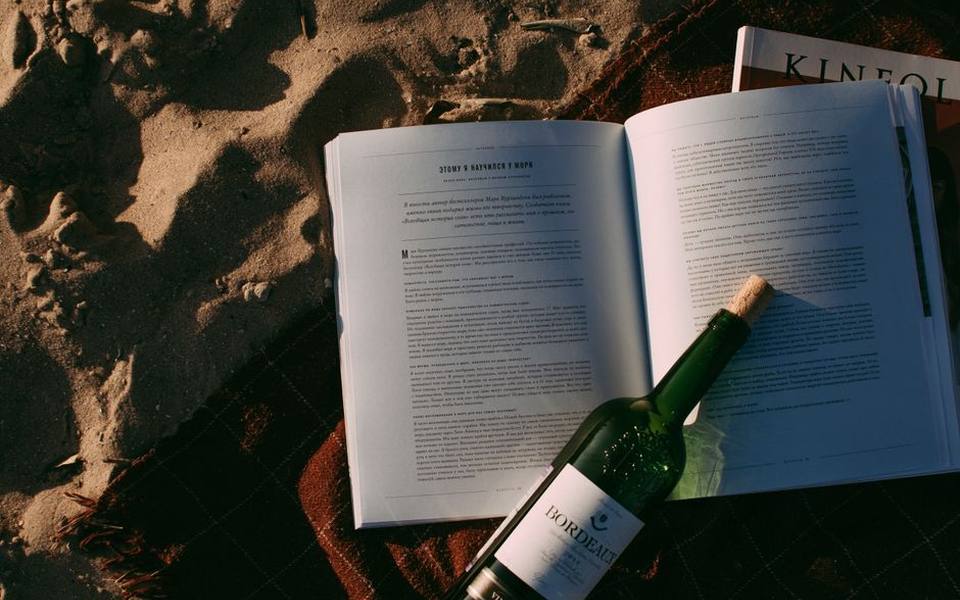
The secondary benchmark introduces rigorous practical floor service testing and deductive blind tasting under timed examination conditions. Test candidates are evaluated on opening sparkling bottles quietly, decanting sediment-heavy reds cleanly, and answering spontaneous pairing inquiries posed by examiners. Examination costs typically vary depending on the certifying organization and location, often ranging from several hundred dollars to more than a thousand dollars per level.
Advanced and master certifications demand encyclopedic knowledge of boutique global regions, spirits, sake, cellar temperature engineering, and beverage financial management. Passing rates at these senior tiers are famously low, often requiring years of daily practice and substantial financial investment. Over time, the role transforms from simple tableside bottle service into comprehensive beverage list development, supplier negotiation, and staff education.
Distinguishing Old World and New World Wine Profiles
Grasping the stylistic contrast between traditional Old World regions and modern New World producers is a core competency for every certified sommelier. Old World wines trace their origins to historic European vineyards across France, Italy, Spain, and Germany, where regional traditions emphasize place of origin, soil composition, and balanced restraint. These bottlings typically feature higher natural acidity, firmer structural tannins, and moderate alcohol, intentionally crafted to balance dining table meals.
New World wines originate from nations such as the United States, Australia, New Zealand, Chile, and South Africa, where warm sunshine and innovative cellar approaches usually foster riper, fruit-forward profiles. Winemakers in these younger regions generally face fewer legal restrictions regarding irrigation, grape blending, and oak usage. Consequently, New World bottlings often deliver immediate accessibility, plumper fruit character, and slightly elevated finished alcohol levels.
During blind tasting examinations, distinguishing between these categories relies heavily on assessing fruit ripeness against earthy or savory notes. An Old World Syrah from the Northern Rhône typically shows cracked black pepper, smoked meat, and wet stone minerality with lean acidity. By comparison, a New World expression from California or Australia usually presents blackberry compote, warm mocha, and sweet vanilla derived from toasted oak barrels.
Evaluating Visuals and the Meaning of Wine Legs
When inspecting a freshly poured glass of wine against a white background, noticing droplets streaming down the inside surface—frequently termed legs or tears—offers physical clues about the wine's composition. A persistent myth among casual consumers suggests that prominent, slow-dripping legs indicate superior quality, artisanal production, or complex aging. In truth, these visual trails are strictly a physical outcome of fluid dynamics rather than an indicator of craftsmanship.
This visual phenomenon is driven by the Gibbs-Marangoni effect, which occurs due to surface tension differences between water and evaporating alcohol. Because ethanol has lower surface tension and evaporates into the air faster than water, liquid gets pulled up the curved glass wall, forms heavy droplets, and gradually descends back into the bowl. Pronounced, viscous legs merely reflect higher alcohol content or elevated residual sugar levels in the liquid.
Professional tasters use visual tear lines solely to verify their initial hunches about alcohol strength before sniffing or tasting the wine. A full-bodied red from a sunny climate registering fifteen percent alcohol by volume will produce thick, slow-moving curtains on the glass. In contrast, a light, cool-climate white wine with eleven percent alcohol displays thin, faint droplets that dissipate almost immediately.
Aeration Science and Knowing How Long to Let Wine Breathe
Letting a wine breathe is a standard service practice designed to soften aggressive tannins and help tightly wound aromas express themselves through controlled oxygen contact. Simply uncorking a bottle and setting it upright on a table does almost nothing, as only a small coin-sized surface area of liquid contacts ambient air. Effective aeration requires pouring the bottle into a wide-bottom glass decanter to generate genuine air circulation.
The optimal aeration duration depends heavily on the bottle's age, varietal profile, and underlying structural extraction. Robust, youthful red wines with dense tannins, such as young Cabernet Sauvignon, Nebbiolo, or Petite Sirah, typically benefit from thirty minutes to two hours in a decanter. This resting window allows pungent sulfur notes to blow off while coaxing out primary fruit and sweet spice nuances.
Conversely, fragile older vintages that have matured for decades in a cool cellar need gentle handling and minimal air exposure. Delicate older Pinots or aged Bordeaux can lose their fragile floral aromas and oxidize within fifteen or twenty minutes of heavy decanting. For mature bottles, sommeliers generally recommend decanting only immediately before serving to strip away sediment, letting the wine unfold naturally inside each guest's glass.
Selecting Glassware and Evaluating Stemless Tumblers
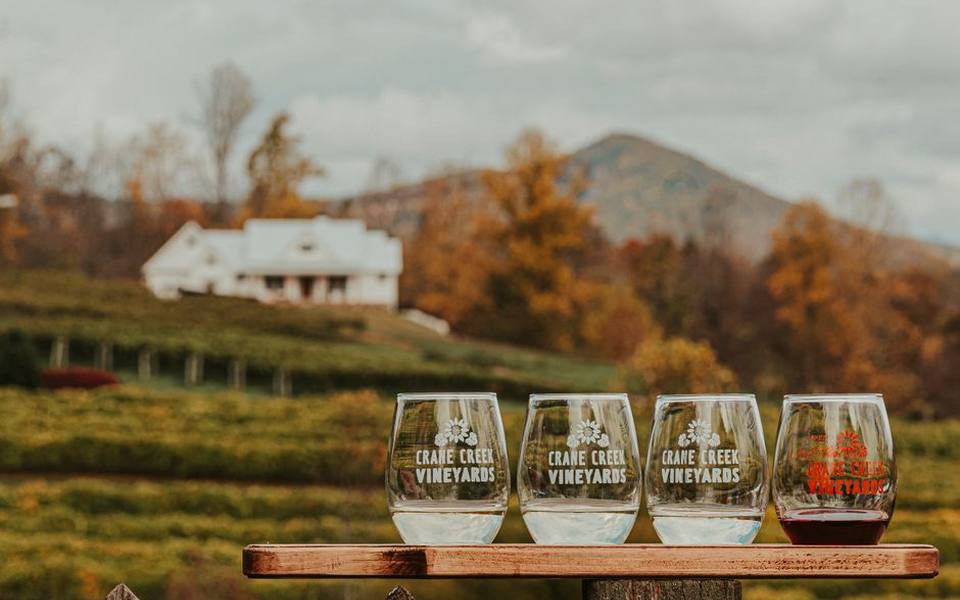
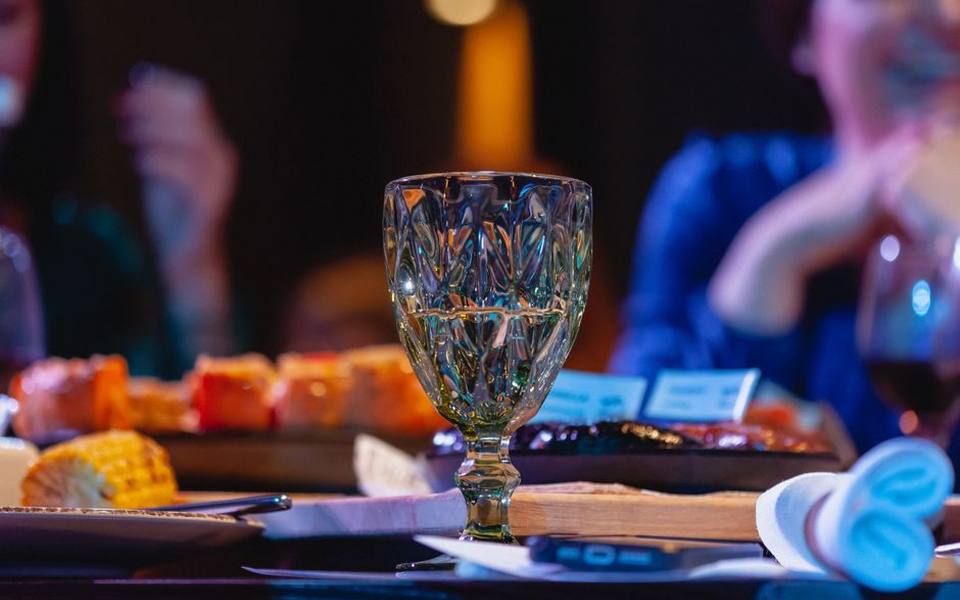
Stemless wine tumblers have become increasingly common in casual dining spots, tasting lounges, and home patios, but understanding their tradeoffs is essential for proper wine presentation. The clear advantage of stemless designs is durability, easy storage, and resistance to accidental tipping. Because they lack tall, delicate stems, these glasses slide effortlessly into residential dishwashers and withstand crowded social gatherings.
When evaluating high-quality stemless options, material construction is the deciding factor in how the wine actually drinks. Premium lead-free crystal produces ultra-thin, laser-cut rims that let the beverage flow smoothly across the tongue, unlike thick, rolled rims found on everyday soda-lime glass. Leading glassware producers now manufacture varietal-specific stemless shapes that preserve the intentional bowl curves of classic Burgundy or Bordeaux stemware.
Nevertheless, stemless glassware presents clear functional disadvantages during serious wine tasting and formal dining service. Cupping the glass directly in your palm transfers natural body heat through the glass wall, warming chilled whites or pushing balanced reds past their ideal cellar temperatures. In addition, greasy fingerprints quickly cloud the glass, hindering visual color inspection, while swirling without a stem requires deliberate care to avoid spills.
Tasting Room Economics and Flight Pricing Structures
Tasting rooms provide the primary direct-to-consumer educational window, with pricing strategies reflecting property investment, regional land values, and production scale. At casual retail winery restaurants like Cooper's Hawk, wine tasting prices typically range from around ten to fifteen dollars for standard introductory flights. These approachable venues focus on high customer volume, casual food pairings, and proprietary blends crafted from varied regional grape contracts.
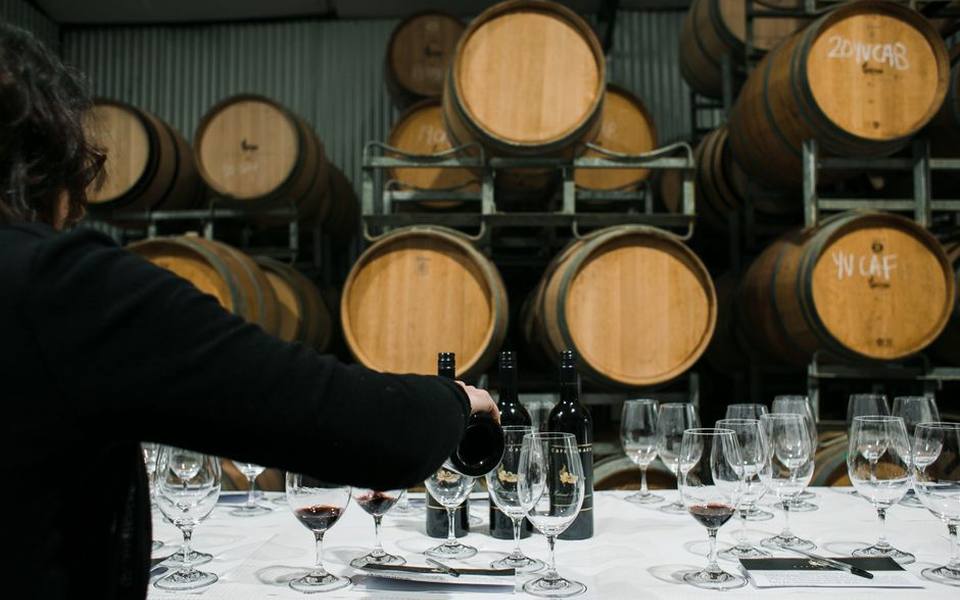
In contrast, dedicated estate wineries in premier viticultural districts often price their seated flights significantly higher, typically between twenty-five and seventy-five dollars per guest. Booking wine tasting flights available at boutique estate properties grants access to single-block selections, library vintages, and personalized attention from knowledgeable cellar staff. In most states, tasting room fees are routinely waived if guests purchase bottles or join the estate wine club.
Budgeting for wine excursions requires checking regional tasting room standards ahead of time. While casual Midwestern and Mid-Atlantic destinations keep flight fees accessible, top-tier producers in Napa Valley or Oregon's Willamette Valley charge premium rates reflecting estate farming overhead. Checking state directories enables travelers to select between relaxed walk-in tasting bars and structured seated vineyard presentations.
Classic Wine Pairings for Roast Lamb and Hearty Meats
Lamb represents one of the most rewarding culinary pairings for red wine because its distinct, savory richness and marbled fat demand firm structural counterpoints. The goal when pairing roasted or grilled lamb is balancing gamey, herbal flavors like rosemary and garlic with cleansing acidity and assertive tannins. Youthful, roasted cuts supply generous proteins that actively bind with drying tannins, softening their impact on the palate.
Classic historical pairings for roast leg of lamb or roasted rack of lamb include structured Cabernet Sauvignon, peppery Syrah, or traditionally aged Tempranillo from Rioja. The black currant depth, cedar undertones, and persistent tannins of Cabernet slice through rich lamb fat, refreshing the palate after each bite. At the same time, the olive and cracked peppercorn accents of Northern Rhône Syrah match the earthy seasoning of slow-braised lamb shanks.
For lighter dishes like rosemary-skewered lamb kebabs or pan-seared chops, medium-bodied red wines frequently provide a cleaner, more vibrant balance. A savory Cabernet Franc or a structural Pinot Noir delivers bright red fruit acidity without burying subtle meat textures under excessive oak. Visiting wineries with food on site allows guests to see how winery culinary teams harmonize regional red varietals with local farm-raised meats.
Pairing Sweet and Savory Cured Hams
Pairing wine with ham introduces unique sensory hurdles because of the meat's high salt concentration, natural fat content, and frequent use of sweet exterior glazes. Whether serving a baked holiday ham brushed with honey and brown sugar or slicing dry-cured country ham, full-bodied, high-tannin red wines should generally be avoided. Salt intensely accentuates bitter wood tannins and perceived alcohol burn, causing tannic reds to taste astringent.
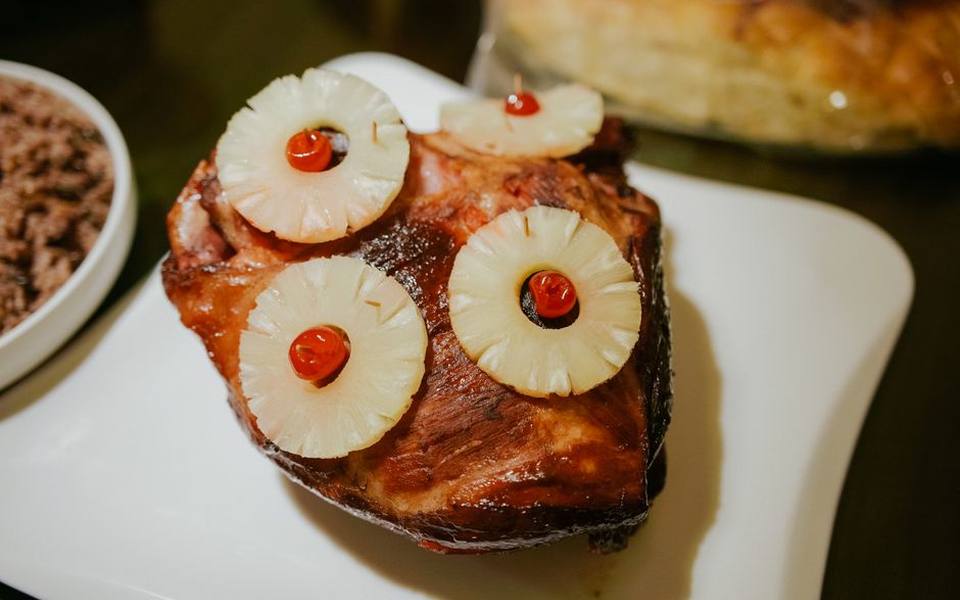
For traditional baked hams prepared with sweet glazes, vibrant off-dry white wines deliver the most reliable sensory harmony. An off-dry German or Washington Riesling possesses bright natural acidity to pierce through salty pork fat, while its touch of residual sweetness mirrors the caramelized glaze. Other aromatic white varietals such as Gewürztraminer, dry Chenin Blanc, or Austrian Grüner Veltliner similarly accentuate baked clove and allspice crusts.
If red wine is non-negotiable for your dinner table, select light-bodied, low-tannin expressions featuring bright red fruit and crisp freshness. A chilled sparkling red Lambrusco, a vibrant Beaujolais made from Gamay grapes, or an approachable Pinot Noir matches savory pork seamlessly without drying out your mouth. Exploring wineries offering regular tastings helps enthusiasts discover versatile regional red wines suited for holiday meals.
Assembling a Balanced Charcuterie Board
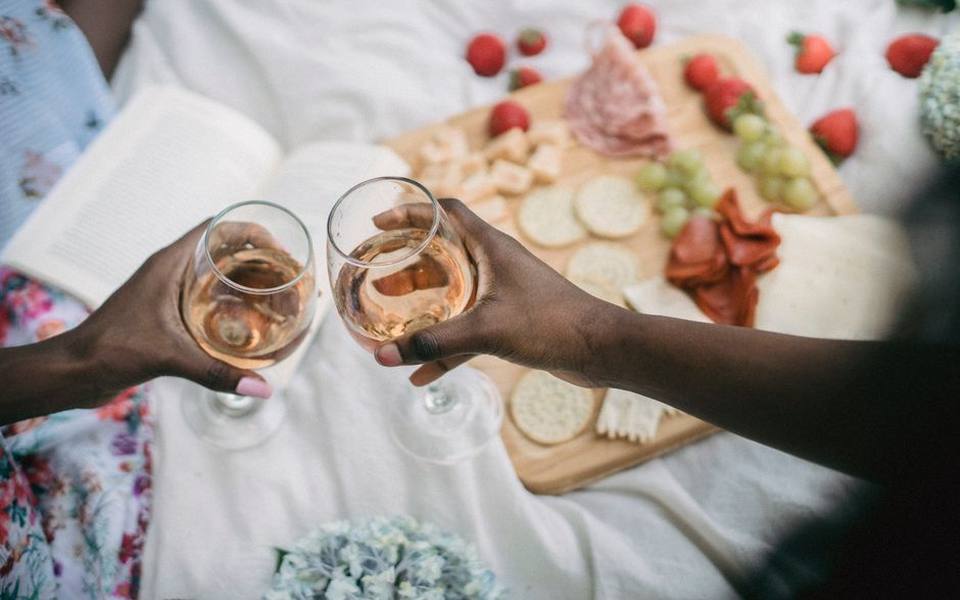
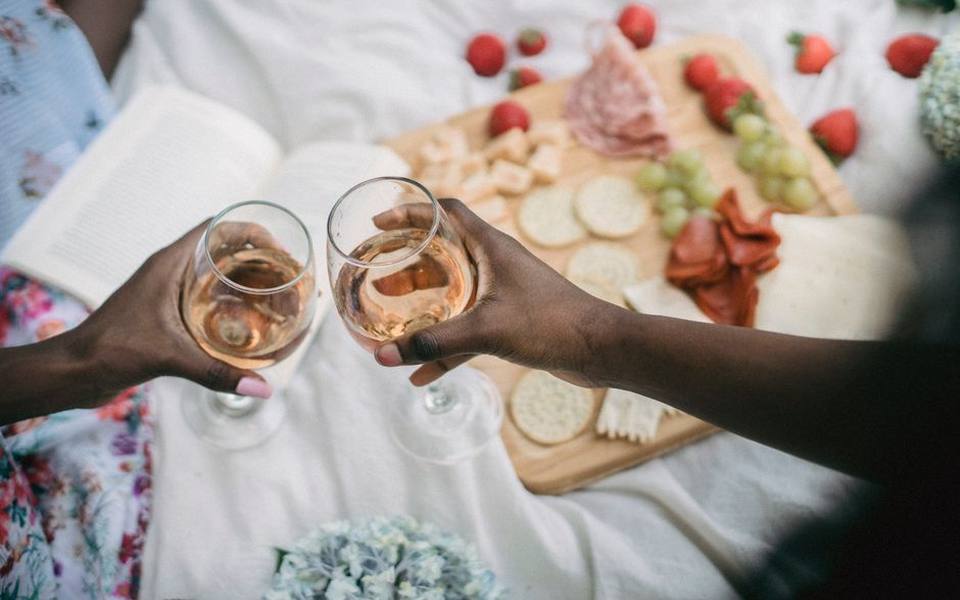
Creating a sommelier-level charcuterie board requires balancing salt, fat, sweetness, and acidity so the food complements a wide range of wine styles. A balanced presentation incorporates three basic meat textures: firm dry-cured cuts like Genoa salami, delicate paper-thin ribbons like prosciutto, and rich, spreadable elements like duck rillettes or country pork pâté. Pairing these with aged hard cheeses, creamy brie, and tangy blue cheese yields dynamic pairings.
Condiments and brined accents act as the vital flavor bridges that link fatty meats to poured wine flights. Acidic accompaniments like pickled cornichons, marinated artichoke hearts, and whole-grain mustard slice through heavy dairy fats, clearing the tongue for subsequent sips. Meanwhile, sweet touches like honeycomb, fig preserves, and dried black mission figs temper the salty bite of aged cheeses, preventing palate fatigue during extended tasting sessions.
When assembling the board, arrange your layout by placing ceramic condiment ramekins first to anchor the board, then fanning sliced meats and portioned cheeses outward in natural ribbons. Fill any vacant spaces with toasted walnuts, marcona almonds, and neutral crackers that carry food without clashing. A well-organized charcuterie platter accommodates sparkling wines, crisp whites, and earthy reds simultaneously without requiring separate food courses.
Published 2026-09-20 · reviewed with each rebuild, last September 2026.
Find wineries near you
The directory lists 14,608 wineries by state and city — pick your state or use the “Near me” button in the header.
More guides
-
 Service
What to Wear to a Winery: Practical Outfits, Etiquette, and Food Pairings
-
 Owning
The Ultimate Wine and Food Pairing Guide: From Cheese to Desserts
-
 Buying
Understanding Kosher, Organic, and Biodynamic Wines: Production, Storage, and Pairings
-
 Buying
A Guide to Ordering Wine Online and Purchasing Bulk Alcohol for Events
-
 Buying
The Chemistry of Wine Fermentation: Yeast Roles, Malolactic Conversion, and Flavor Balance
-
 Buying
Understanding the Wine Sweetness Scale: From Crisp Dry to Indulgent Sweet
-
 Money
MoneyWine Tasting Costs Explained: What to Expect in Napa Valley and Beyond
-
 Owning
The Ultimate Guide to Charcuterie Boards: Styling, Pairings, and Recipes
-
 Owning
Crystal Wine Glassware Guide: Types, Brands, Care, and Stemless Styles
-
 Buying
Understanding Bold Reds: Dry Wines, Tannin Profiles, and Old Vine Zinfandels
-
 Storage
Choosing the Best Wine Fridge: Sizing, Cooling Zones, and Placement Guide
-
 Buying
Non-Alcoholic Wine Guide: Methods, Profiles, and What to Expect
-
 Buying
Personalized Wine Gifts: Custom Bottles, Engraved Glasses, and Custom Labels
-
 Owning
Essential Wine Accessories: Openers, Preservation Systems, Decanters, and Storage
-
 Buying
White and Rosé Wines: From Crisp Whites to Dry Rosés and Late Harvest Riesling
-
 Buying
Food and Wine Pairing Guide: Salmon, Turkey, Ham, Lamb, and Lasagna
-
 Buying
Large Format Wine Bottles: Magnums, Jeroboams, and Champagne Sizes Explained
-
 Service
Farm Wineries, Agritourism, and Sustainable Vineyard Experiences Across America
-
 Owning
Wine and Food Pairing Guide: Charcuterie Boards, Cheeses, and Dinner Courses
-
 Buying
Specialty Wines, Modern Cellar Styles, and Buying Smart Online
-
 Owning
Planning Memorable Vineyard Visits, Historic Estates, and Tasting Room Escapes
-
 Buying
Sweet and Refreshing White Wines: A Guide to Styles, Grapes, and Tasting Profiles
-
 Service
Cooking with Wine and the Practical Art of Culinary Pairings
-
 Owning
Luxury Glassware and Crystal Stemware: A Guide to Vintage Patterns, Modern Makers, and Care
-
 Storage
Modern Wine Refrigerators and Coolers: Sizing, Placement, and Everyday Performance
-
 Service
Winery & Vineyard Weddings: Venues, Planning, and Event Etiquette
-
 Owning
Electric Wine Openers, Vacuum Stoppers, and Preservation Systems: A Complete Guide
-
 Safety
Traveling with Wine: Suitcases, Luggage Bags, and Airline Rules
-
 Buying
Red Wine Varietals Explained: Malbec, Cabernet, Merlot, and Zinfandel
-
 Owning
Artisan Charcuterie Boards and Wine Party Snack Styling Guide
-
 Buying
Finding and Repurposing Used Oak Wine Barrels for Home and Garden
-
 Buying
Garlic Infused and Extra Virgin Olive Oils: Flavors, Brands, and Culinary Uses
-
 Buying
US Wine Trails and Estate Wineries: Scenic Routes and Destination Guide
-
 Buying
Crystal Wine Glasses, Fine Stemware, and Barware Accessories Guide
-
 Service
The Complete Guide to Winery Visits: Tastings, Vineyard Tours, and Visitor Experiences
-
 Owning
Pairing Wine with Charcuterie, Cheeses, and Seasonal Dinners
-
 Buying
Wine Glassware, Decanters, and Accessories Buyer Guide
-
 Storage
Home Wine Storage, Refrigeration, and Cellar Inventory Guide
-
 Buying
Winery Tours, Tasting Room Experiences, and Vineyard Weddings