Foundations of a Well-Balanced Tasting Board
A memorable tasting plank is built on balancing fat, salt, acid, and texture rather than piling random gourmet items together. When curing agents and dairy fats meet the natural acidity and tannins in wine, chemical interactions change how both taste on the palate. A board needs contrasting elements: rich meats to coat the tongue, sharp or creamy cheeses to vary the weight, and acidic accoutrements like pickled cornichons or fruit preserves to reset your palate between bites.
Choosing components requires thinking across milk varieties and aging processes. Cow milk cheeses provide familiar buttery or nutty baselines, goat milk offers bright tanginess with light grassy notes, and sheep milk cheeses deliver dense, rich finishes with high butterfat. Selecting three cheeses across these styles guarantees that guests experience distinct flavor profiles. Pairing these against two or three cured meats creates a flexible foundation for diverse wine styles.
The beverage role here is primarily refreshing rather than competing. Wines with elevated natural acidity slice through rich pork fat and double-crème cheeses, while structured tannins bind to animal proteins to soften astringency. When visiting estates or tasting rooms, you will often notice that boards are arranged progressively from mild, fresh flavors to deeply aged, pungent varieties. Applying that same logical sequence at home keeps individual flavors distinct and allows every glass to shine.
Selecting Meats for Flavor and Texture
Cured meats generally fall into whole-muscle cuts or ground, fermented salamis, and a proper spread should feature both. Whole-muscle charcuterie like prosciutto di Parma, bresaola, and speck offers delicate, paper-thin textures that melt on the tongue without heavy chewing. In contrast, dry-cured sausages like finocchiona, soppressata, or chorizo provide dense bites packed with whole spices, garlic, wine reductions, or smoked paprika.
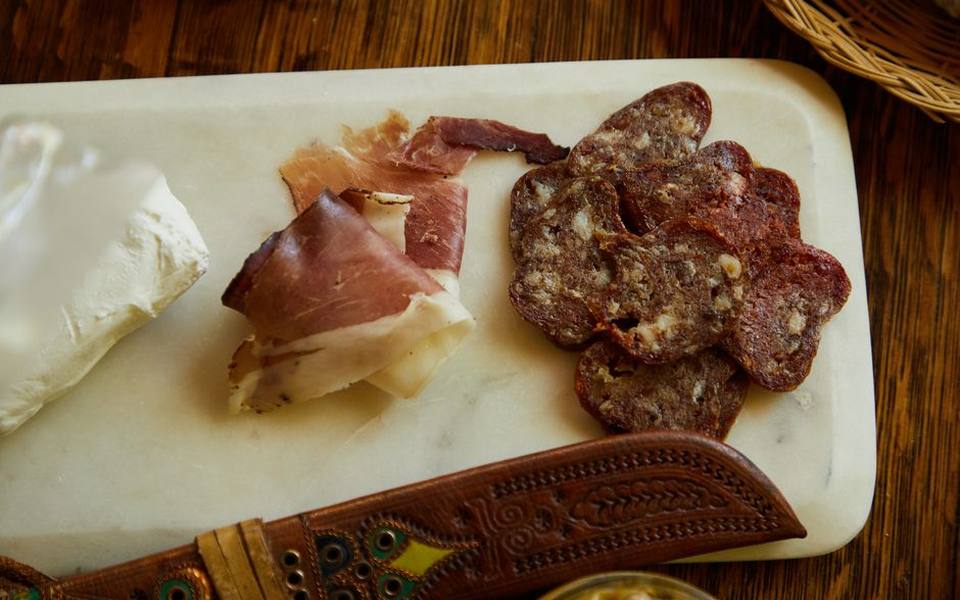
Spicing determines how well a cured meat works with red or white wines. Piquant Spanish-style chorizo loaded with pimentón can overpower delicate white wines and make tannic reds taste harshly alcoholic, but it shines alongside juicy Grenache or crisp sparkling wines. Mild, sweet prosciutto pairs effortlessly with light Italian whites or delicate Pinot Noir, where the cured pork fat tames slight fruit tannins without masking the wine's subtler aromatics.
Fat distribution is another critical consideration for mouthfeel. Lean cuts like beef bresaola demand fruit-forward wines that supply their own moisture impression, whereas heavily marbled cuts like coppa or lardo coat the mouth thoroughly. Having three distinct meats—one lean whole-muscle cut, one gently spiced dry salami, and one rich or smoked option—ensures you can accommodate both delicate white wines and bold, structural reds across an evening.
Selecting the Right Cheese for Chardonnay
Chardonnay is one of the most versatile whites for dairy pairings, but its success depends on the vinification style. Cool-climate bottles with minimal wood influence bring high acidity, green apple notes, and flinty minerality, whereas warm-climate versions aged in toasted French oak offer rich textures, notes of baked brioche, and buttery lactic accents. Serving the wrong cheese style against an oaked pour can leave an unpleasant soapy or bitter residue.
For rich, oak-aged Chardonnay, bloomy-rind cheeses are the gold standard. A ripe triple-crème Brie or Camembert mirrors the creamy mouthfeel of malolactic fermentation without overwhelming the fruit core. The high fat content of soft, ripened cow cheeses smooths out oak tannins, while the wine's balanced acidity keeps the cream from coating your tongue too heavily. Washed-rind cheeses like Taleggio can also work, provided their funk remains moderate.
Crisp, unoaked Chardonnay calls for aged, firm mountain cheeses. Comté, Gruyère, and mature clothbound cheddar display crystalline amino acid crunches and nutty profiles that echo the wine's mineral backbone. Exploring regions known for diverse cellar styles, such as wineries in California where over 5,480 producers craft every variation of Chardonnay, proves how contrasting oak treatments require entirely different cheese counterparts.
Scaling Board Sizes for Entertaining Groups
Calculating portion sizes for a party depends entirely on the role the spread plays in your overall menu. When serving light grazing boards before a full sit-down dinner, plan on roughly two ounces of meat and two ounces of cheese per person. If the board serves as the primary evening meal during an extended social gathering, increase that estimate to four to six ounces of total protein per person, backed by hearty breads and nuts.
Temperature management is the most overlooked element of large-scale party spreads. Cheese should always be brought to room temperature roughly forty-five minutes to an hour before guests arrive, which allows cold fats to relax and aromatic compounds to volatilize fully. Meats, however, can dry out or sweat if left exposed too long in warm rooms. Stagger your platters by setting out half the prepared items initially and replenishing from a chilled staging tray.
Crowd flow matters just as much as food selection. Rather than constructing a single monumental board on a crowded central dining table, consider placing two medium-sized boards at separate conversation areas. This layout prevents beverage and food bottlenecks, encourages movement throughout the home, and ensures that guests lingering by the bar area do not block access for others looking for a quick snack between pours.
Techniques for Visual Presentation and Styling
A compelling board uses color contrast, varied heights, and deliberate density to look generous and professional. Begin by anchoring the board with small ramekins for wet ingredients like whole-grain mustard, briny olives, and local honey or fig jam. These ramekins serve as structural barriers that stop olive brine from softening crisp crackers while giving you natural anchor points around which meats and cheeses can ripple.
Avoid laying cured meats flat on the wood, which can look uninspired and make slices difficult to peel apart. Fold salami rounds in half twice to create loose florets, ribbon prosciutto loosely into airy mounds, and fan firm cheeses like manchego in alternating triangular cascades. Leaving zero empty board space creates an abundant aesthetic; fill every gap with dried apricots, fresh figs, clusters of red grapes, or toasted walnut halves.
Varying board materials also shifts the tone of your presentation. Dark slate tiles make pale cheeses pop and allow you to label varieties directly on the surface in chalk. Thick olive wood planks bring rustic warmth to outdoor afternoon gatherings, while elevated footed marble pedestals add formal elegance to holiday dining rooms. Investing in small cheese knives dedicated to each distinct dairy wedge prevents cross-contaminating mild cheeses with pungent blue veining.
Hosting Guided Pairing Workshops at Home
Interactive tasting workshops turn a standard social dinner into an engaging sensory experience. Instead of setting everything out at once, present items in deliberate rounds that walk guests through fundamental flavor combinations. You can recreate the educational atmosphere found across commercial tasting rooms by setting each place with a simple placemat labeled with numbers for three distinct wine glasses and four corresponding tasting squares.
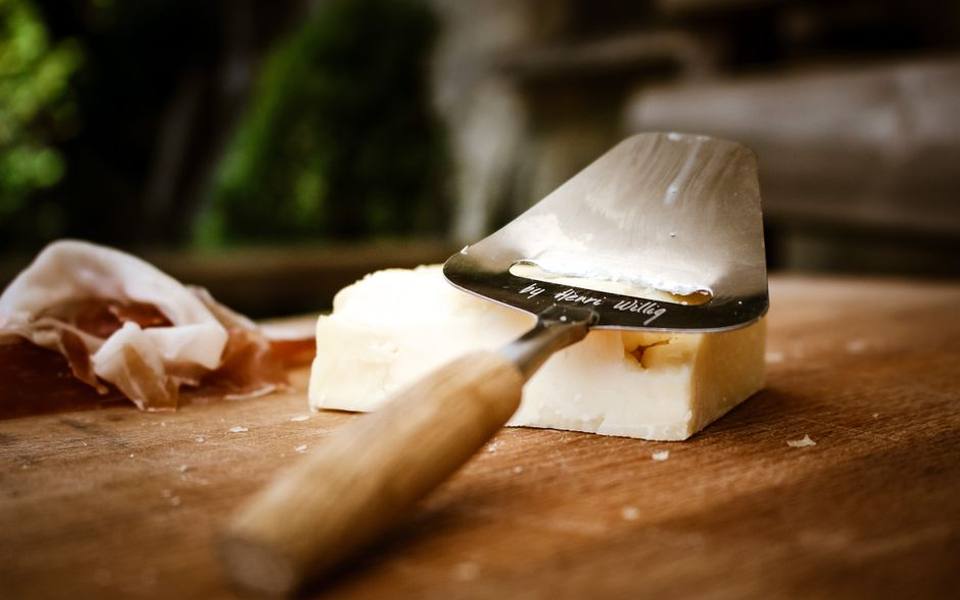
An effective exercise is teaching guests how to analyze structural shifts. Have them take an initial sip of wine, taste a slice of fatty soppressata or aged manchego, and then immediately take another sip of the same pour. The transformation is instantly obvious: high acid suddenly tastes softer, hidden fruit notes emerge, and lingering saltiness is washed clean. Arranging such flights mirrors the structured visits offered by wineries and tasting rooms offering wine tasting flights.
Keep the conversation open and informal rather than turning it into a lecture. Ask attendees to describe the texture before naming flavors, which lowers the barrier for friends who feel intimidated by formal wine jargon. Providing scratch paper for tasting notes allows guests to track their favorite pairings, giving them practical confidence to build their own boards and select corresponding cellar bottles for future dinners.
Seasonal Spreads and Creative Autumn Concepts
Adapting grazing platters for specific seasonal holidays brings creative energy to standard dinner parties. When planning autumn gatherings, particularly around October and Halloween, you can weave themed visual touches into the spread without sacrificing quality ingredients. A sophisticated palette of deep purples, dark oranges, and bone-white components achieves a dramatic seasonal mood while maintaining culinary integrity across the board.
Use dark, moody produce like black mission figs, concord grapes, blackberries, and blood orange wheels to establish a dramatic backdrop. Cheeses with dark ashed rinds, such as aged goat logs or charcoal-dusted cheeses, look striking against bright white fresh mozzarella or aged gouda. Prosciutto can be wrapped around melon slivers or pear slices, and a small wheel of brie can be scored on top with geometric jack-o'-lantern patterns before baking gently until soft.
Cider-braised sausages and warm, spiced seasonal nuts pair naturally with cool-weather wines. Autumn boards excel alongside spicy cool-climate Syrah, earthy Pinot Noir, or skin-contact amber wines that carry notes of dried orange peel and orchard fruit. Many travelers seeking seasonal culinary inspiration look into wineries with food to see how estate chefs adjust their harvest menus using preserved fall produce and robust local varietals.
Pairing Dry White Wines with Fresh Oysters
Fresh bivalves demand precise wine matching because of their delicate texture, oceanic salinity, and distinct mineral finish. A heavy, tannic red or an intensely oaked white will clash aggressively with raw shellfish, turning the briny liqueur metallic on your palate. The ideal pairing partner requires vibrant natural acidity, crisp citrus tones, and an austere mineral profile that acts like a squeeze of fresh lemon across the half shell.
Traditional benchmark pairings include French Muscadet Sèvre et Maine, Chablis, and cool-climate Sauvignon Blanc. These dry whites contain subtle fruit profiles that do not mask the brine, supported by a saline streak that echoes the liquor of the shell. High-acid sparkling wines and dry cavas work equally well, using fine effervescence to lift the creamy, rich texture of plump gulf or cold-water oysters cleanly off the tongue.
Appreciating regional nuances between Atlantic and Pacific oysters guides specific bottle choices. Atlantic varieties tend to be intensely salty with a clean, snappy finish, pairing seamlessly with laser-sharp dry Rieslings or Albariño. Pacific oysters, which are sweeter and often display cucumber or melon notes, balance wonderfully against the crisp white wines produced across wineries in Oregon, where cool Pacific maritime breezes preserve the essential bright acidity in the fruit.
The Versatility of Prosecco Across Courses
Italian Prosecco is often relegated to simple aperitif toasts, yet its tank-fermented Glera grapes offer remarkable utility throughout an entire meal. Ranging in residual sugar from Brut down to Extra Dry, Prosecco balances youthful floral aromatics, green apple crunch, and lively carbonation. Its effervescence acts as a built-in palate scrubber, lifting heavy lipids and salty coatings from the tongue with every swallow.
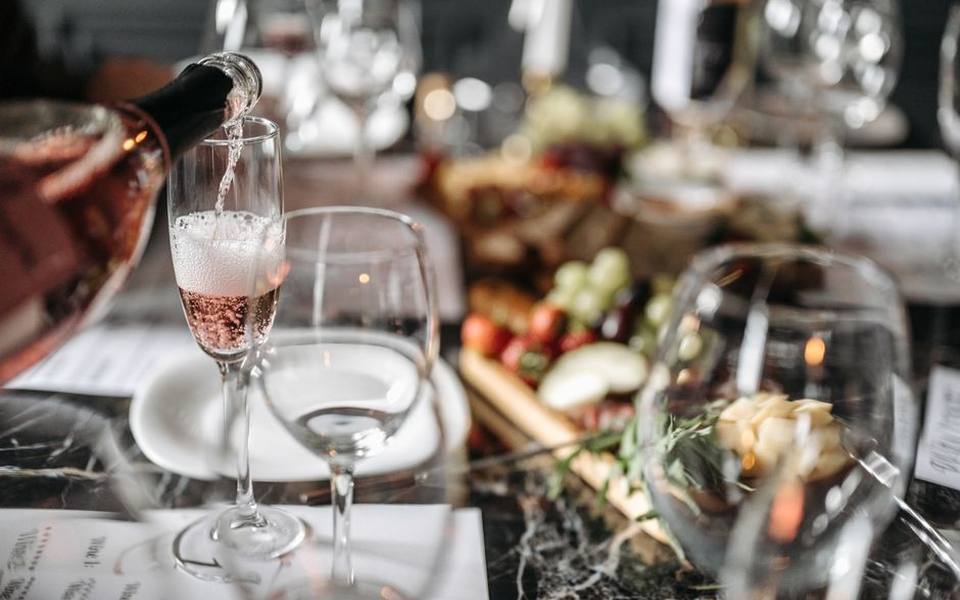
Prosecco functions exceptionally well against salty finger foods, cured meats, and fried appetizers. Classic prosciutto-wrapped grissini, arancini, and creamy cheeses like burrata or young fontina match its lively carbonation perfectly. Because Prosecco rarely carries bitter autolytic brioche notes associated with traditional-method sparkling wines, it preserves the fresh, direct fruit character needed to cut through salty boards without overwhelming delicate herb seasonings.
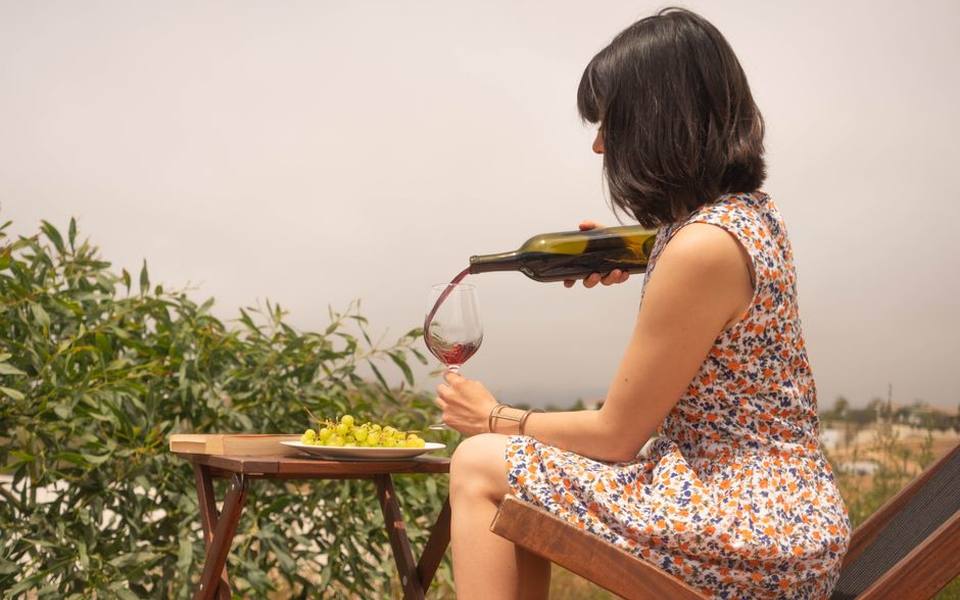
When entertaining on warm afternoons or setting up casual garden tables, chilled sparkling bottles provide a refreshing, lower-alcohol option that keeps guests comfortable over long conversations. Seeking out estates with dedicated outdoor spaces, such as wineries with outdoor seating, highlights how bright sparkling pours naturally elevate relaxed open-air grazing, making bubbly a versatile baseline pour from afternoon grazing straight through dinner service.
Integrating Craft Cocktails into Seasonal Dinners
Introducing mixed drinks to a seated meal requires careful consideration of alcohol proof and sweetness levels. High-proof, spirit-forward cocktails like a classic Manhattan or an overproof Old Fashioned can quickly numb the palate, making subsequent food courses and delicate dinner wines taste flat and muted. The secret lies in crafting lighter, lower-ABV libations that mirror the acidity, bitterness, and balance of fine dining wines.
Aperitif-style cocktails built around dry vermouth, amaro, quinine-based aperitifs, and sparkling water set an ideal foundation for opening courses. A French 75 or a floral spritz brightens fresh seafood and goat cheese starters, priming digestion without fatiguing the senses. For richer autumn courses featuring braised short ribs or roasted pork belly, an Americano or a lightly stirred Boulevardier offers bittersweet herbal complexity that cuts through rich gravies.
Balance cocktail portions by serving short, elegant drinks rather than twelve-ounce tumblers. Providing three- to four-ounce pours allows guests to enjoy the craft of mixed spirits alongside grazing plates before naturally transitioning into cellar wines for the main courses. This blended approach honors guest preferences, creates a modern pacing rhythm, and keeps the overall dining experience balanced from the first greeting to the final dessert.
Published 2026-09-21 · reviewed with each rebuild, last September 2026.
Find wineries near you
The directory lists 14,608 wineries by state and city — pick your state or use the “Near me” button in the header.
More guides
-
 Service
How to Become a Sommelier: Career Paths, Tasting Technique, and Practical Service
-
 Service
What to Wear to a Winery: Practical Outfits, Etiquette, and Food Pairings
-
 Owning
The Ultimate Wine and Food Pairing Guide: From Cheese to Desserts
-
 Buying
Understanding Kosher, Organic, and Biodynamic Wines: Production, Storage, and Pairings
-
 Buying
A Guide to Ordering Wine Online and Purchasing Bulk Alcohol for Events
-
 Buying
The Chemistry of Wine Fermentation: Yeast Roles, Malolactic Conversion, and Flavor Balance
-
 Buying
Understanding the Wine Sweetness Scale: From Crisp Dry to Indulgent Sweet
-
 Money
MoneyWine Tasting Costs Explained: What to Expect in Napa Valley and Beyond
-
 Owning
The Ultimate Guide to Charcuterie Boards: Styling, Pairings, and Recipes
-
 Owning
Crystal Wine Glassware Guide: Types, Brands, Care, and Stemless Styles
-
 Buying
Understanding Bold Reds: Dry Wines, Tannin Profiles, and Old Vine Zinfandels
-
 Storage
Choosing the Best Wine Fridge: Sizing, Cooling Zones, and Placement Guide
-
 Buying
Non-Alcoholic Wine Guide: Methods, Profiles, and What to Expect
-
 Buying
Personalized Wine Gifts: Custom Bottles, Engraved Glasses, and Custom Labels
-
 Owning
Essential Wine Accessories: Openers, Preservation Systems, Decanters, and Storage
-
 Buying
White and Rosé Wines: From Crisp Whites to Dry Rosés and Late Harvest Riesling
-
 Buying
Food and Wine Pairing Guide: Salmon, Turkey, Ham, Lamb, and Lasagna
-
 Buying
Large Format Wine Bottles: Magnums, Jeroboams, and Champagne Sizes Explained
-
 Service
Farm Wineries, Agritourism, and Sustainable Vineyard Experiences Across America
-
 Owning
Wine and Food Pairing Guide: Charcuterie Boards, Cheeses, and Dinner Courses
-
 Buying
Specialty Wines, Modern Cellar Styles, and Buying Smart Online
-
 Owning
Planning Memorable Vineyard Visits, Historic Estates, and Tasting Room Escapes
-
 Buying
Sweet and Refreshing White Wines: A Guide to Styles, Grapes, and Tasting Profiles
-
 Service
Cooking with Wine and the Practical Art of Culinary Pairings
-
 Owning
Luxury Glassware and Crystal Stemware: A Guide to Vintage Patterns, Modern Makers, and Care
-
 Storage
Modern Wine Refrigerators and Coolers: Sizing, Placement, and Everyday Performance
-
 Service
Winery & Vineyard Weddings: Venues, Planning, and Event Etiquette
-
 Owning
Electric Wine Openers, Vacuum Stoppers, and Preservation Systems: A Complete Guide
-
 Safety
Traveling with Wine: Suitcases, Luggage Bags, and Airline Rules
-
 Buying
Red Wine Varietals Explained: Malbec, Cabernet, Merlot, and Zinfandel
-
 Owning
Artisan Charcuterie Boards and Wine Party Snack Styling Guide
-
 Buying
Finding and Repurposing Used Oak Wine Barrels for Home and Garden
-
 Buying
Garlic Infused and Extra Virgin Olive Oils: Flavors, Brands, and Culinary Uses
-
 Buying
US Wine Trails and Estate Wineries: Scenic Routes and Destination Guide
-
 Buying
Crystal Wine Glasses, Fine Stemware, and Barware Accessories Guide
-
 Service
The Complete Guide to Winery Visits: Tastings, Vineyard Tours, and Visitor Experiences
-
 Buying
Wine Glassware, Decanters, and Accessories Buyer Guide
-
 Storage
Home Wine Storage, Refrigeration, and Cellar Inventory Guide
-
 Buying
Winery Tours, Tasting Room Experiences, and Vineyard Weddings