The practical reasons behind oversized glass
A standard wine bottle holds 750 milliliters, which yields roughly five standard pours. Large format bottles start at the 1.5-liter magnum—equivalent to two standard bottles—and stretch up to massive vessels holding fifteen liters or more. While these larger sizes make an undeniable visual statement at weddings, anniversaries, and holidays, winemakers do not produce them solely for show. The physics of liquid volume versus air space directly alters how wine matures inside the glass over time.
Most casual drinkers encounter large formats during celebrations, but serious collectors pursue them for cellaring advantages. In an oversized bottle, the ratio between the wine volume and the trapped oxygen under the cork is halved or reduced even further. This ratio means the chemical evolution of the wine slows down noticeably, allowing tannins to soften gently while fruit vibrancy stays intact far longer than in standard glass.
Beyond cellar longevity, there is a practical hospitality benefit when hosting a gathering. Opening a single large format bottle creates a shared tasting experience where every guest drinks from the exact same vessel at the exact same maturation curve. Many estate properties and wineries with tastings keep magnums on hand specifically to illustrate these developmental differences between standard glass and oversized storage.
The magnum as the undisputed cellar benchmark
The magnum bottle holds exactly 1.5 liters of wine, equaling two standard 750-milliliter bottles or about ten glasses. Winemakers and sommeliers widely consider the magnum to be the optimal vessel for aging both red wines and sparkling selections. It strikes the perfect balance between enhanced preservation and manageable weight, allowing you to lift and pour without specialized cradles or secondary serving equipment.
When comparing a standard bottle to a magnum of the same vintage, the magnum typically displays fresher fruit characteristics and brighter acidity even after a decade in storage. Sparkling wines benefit particularly well from this format because the secondary fermentation creates finer, more persistent bubbles within the larger environment. If you visit leading sparkling producers across regions like wineries in California, you will often find library releases bottled exclusively in 1.5-liter formats.
Price points for magnums typically carry a slight premium beyond simply doubling the cost of two standard bottles. This extra expense stems from the heavy glass production, manual bottling lines, and specialized corks required for oversized necks. Despite the modest markup, experienced hosts view the 1.5-liter format as the most dependable and practical large format for dinner parties of six to ten people.
Biblical names and sizing standards across regions
Moving beyond the magnum introduces a naming convention rooted in ancient history and biblical figures. The double magnum holds 3.0 liters, equivalent to four standard bottles or twenty glasses of wine. In sparkling wine regions, this exact same 3.0-liter volume is referred to as a Jeroboam. However, still wine regions like Bordeaux historically used the term Jeroboam to describe a 4.5-liter bottle holding six standard units, which can cause confusion when ordering older vintages.
As sizes continue upward, names honor ancient monarchs and figures including Rehoboam (4.5 liters in sparkling wine), Methuselah (6.0 liters, or eight standard bottles), and Salmanazar (9.0 liters, or a full case of twelve bottles). At the extreme end lie the Balthazar at 12.0 liters and the Nebuchadnezzar at 15.0 liters, which contains twenty standard bottles of wine. These massive glass vessels are extraordinarily rare, custom-blown, and usually produced only in celebrated vintage years.
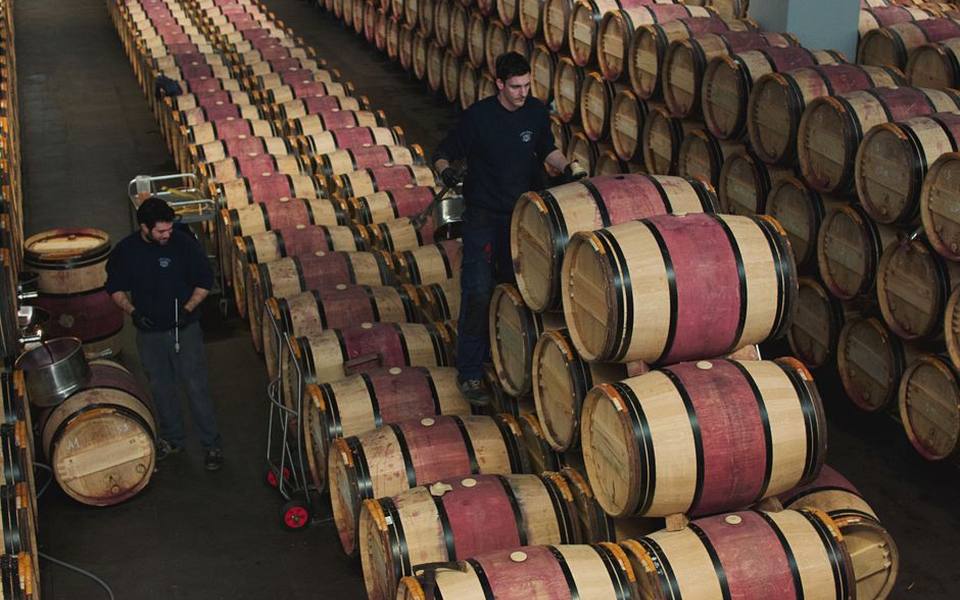
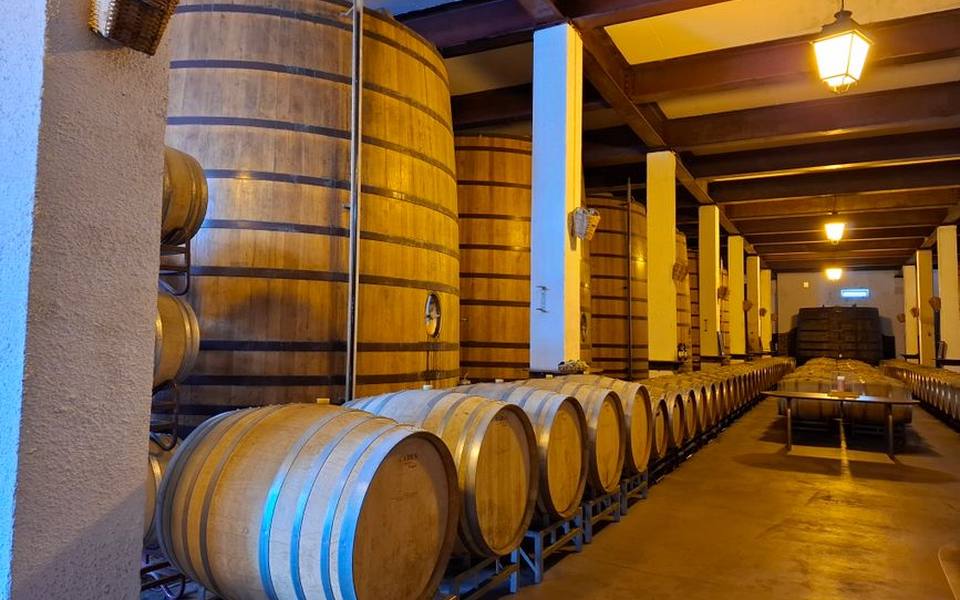
Learning these sizing distinctions helps buyers understand precisely what they are purchasing for major events. A single six-liter Methuselah can comfortably supply an entire reception of forty guests without ever uncorking a second bottle. Wineries offering guided winery tours often display these monumental bottles in their barrel rooms as historical artifacts and demonstrations of glassblowing craft.
Sparkling giants and celebration culture
Sparkling wine and champagne hold a unique position in the large format conversation because internal carbonation pressure increases the engineering demands on the glass. A typical bottle of sparkling wine contains around five to six atmospheres of pressure, requiring thick, reinforced glass and heavy wire hoods. When dealing with oversized sparkling bottles, the risk of sudden pressure release demands careful handling and precise temperature chilling prior to opening.
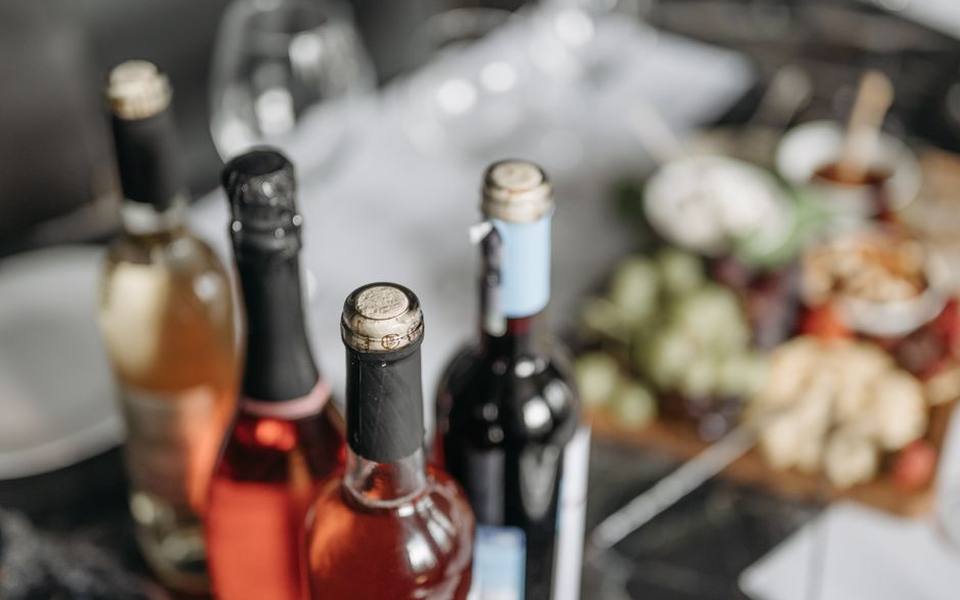
In modern nightlife and lifestyle celebrations, oversized sparkling bottles have become iconic centerpieces. Contemporary sparkling lines, including stylized sparkling rosé and popular party brands like Luc Belaire, frequently feature large formats adorned with luminescent labels or bold opaque glass. A distinctive black or glowing bottle of Belaire rosé in an oversized format transforms bottle service into an energetic visual centerpiece, bridging traditional wine traditions with energetic event entertainment.
Regardless of whether you choose an artisanal vintage Champagne or an expressive sparkling party cuvée, opening an oversized bubbly requires methodical technique. Never shake a large format sparkling bottle before service, as the sheer volume will cause uncontrollable foaming and significant waste. Keep a firm grip on the oversized cork, slowly rotating the base of the heavy bottle rather than twisting the stopper itself until the gas releases with a gentle sigh.
The science of ullage and oxygen transfer
The primary scientific justification for investing in large format wine lies in the headspace air volume, known in the trade as ullage. When a winery corks a bottle, a tiny pocket of oxygen remains trapped between the liquid surface and the bottom of the closure. A standard 750-milliliter bottle and a 1.5-liter magnum typically use closures of comparable size, meaning the initial volume of trapped air is nearly identical despite the wine volume doubling.
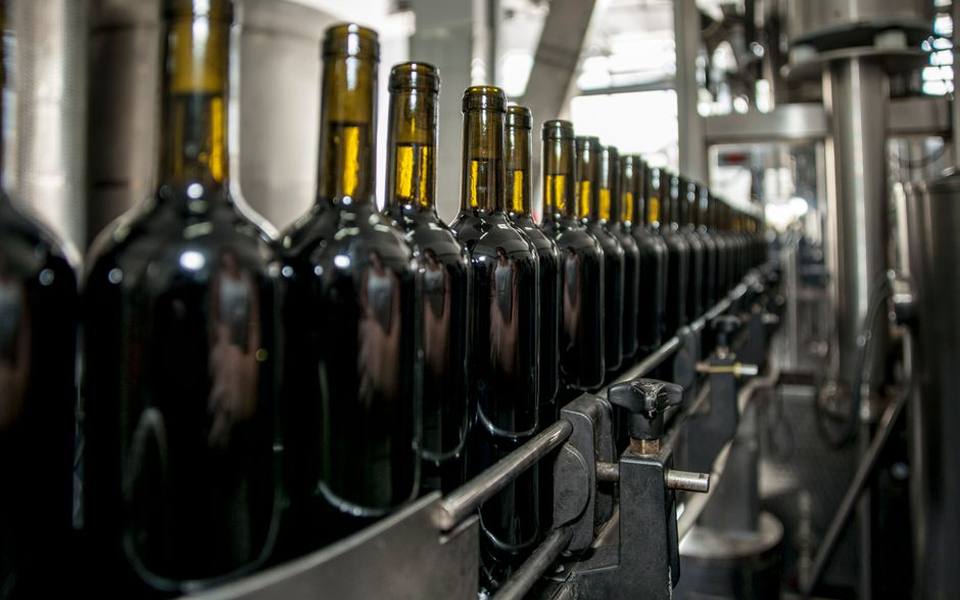
Because the volume of wine is twice as large while the oxygen volume remains essentially fixed, the oxidation rate per milliliter drops substantially. This slow-motion evolution protects delicate aromatic compounds from breaking down prematurely. Red wines retain vibrant fruit notes while their harsh tannins polymerize gradually over decades, yielding a remarkably balanced and nuanced maturity profile that standard 750-milliliter bottles struggle to match over identical timeframes.
Furthermore, the thick glass walls of large format bottles provide superior insulation against micro-fluctuations in storage room temperature. Temperature spikes that might warm a standard half-bottle in an hour take much longer to penetrate a three-liter or six-liter vessel. Serious collectors who compare vintage releases during structured wine tasting flights frequently note how large formats maintain younger, fresher color profiles alongside deeper structural complexity.
Storage challenges and cellar infrastructure
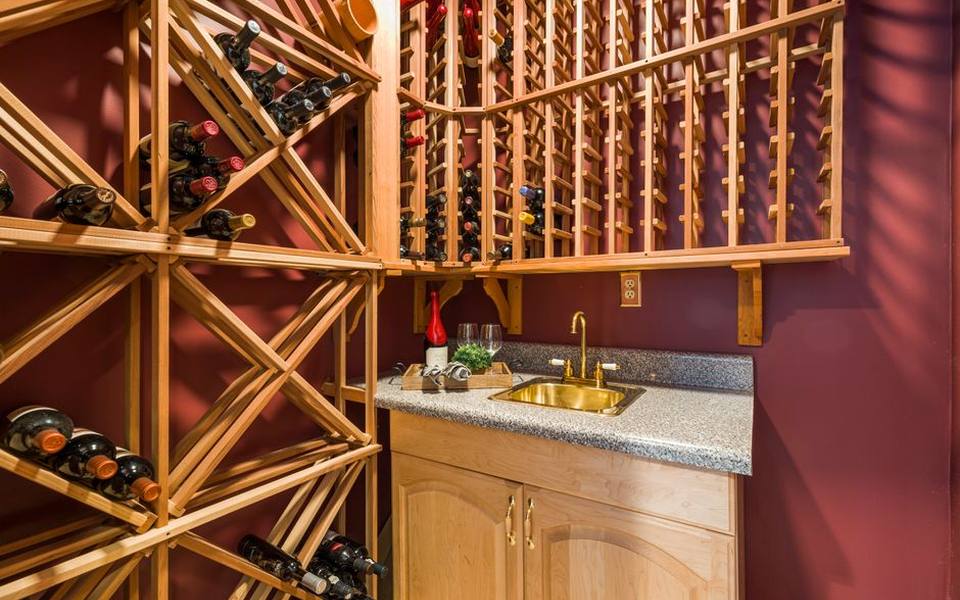
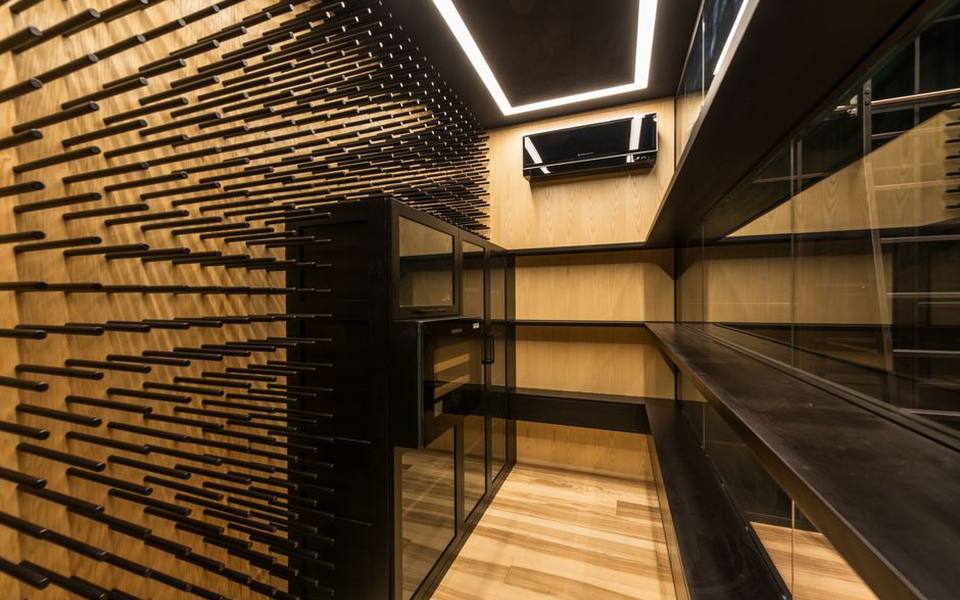
While large format bottles look stunning on display, storing them properly presents practical logistical obstacles. Standard wine racking systems are engineered exclusively for 750-milliliter bottles, meaning even a 1.5-liter magnum will not slide into typical wooden cubbies or wire wall racks. Attempting to force an oversized bottle into an undersized slot can scratch labels or fracture the glass under stress.
Bottles larger than a magnum—such as three-liter double magnums and six-liter imperials—must rest horizontally on heavy-duty reinforced shelving or within specialized wooden display cradles. A full Methuselah can weigh upwards of twenty-five pounds, requiring sturdy hardwood or steel structural support. Storing them on their sides keeps the massive cork thoroughly hydrated, preventing ambient air from seeping past the seal and spoiling the contents.
Temperature stability is also critical because the sheer thermal mass of large bottles makes them slow to cool down once warmed. Dedicated wine refrigerators often feature removable lower shelves specifically designed to accommodate wide-diameter glass. If you plan to collect oversized formats regularly, design bulk storage bins at the base of your cellar where the temperature remains lowest and heaviest weights rest safely.
Handling, chilling, and pouring heavy glass
Serving from a large format bottle requires physical coordination and deliberate planning. A standard wine bottle weighs about three pounds full, making it effortless to balance in one hand while pouring into delicate stemware. By contrast, a three-liter double magnum weighs around ten to twelve pounds, while a six-liter imperial can exceed twenty-five pounds, making single-handed pouring practically impossible without spilling or breaking glass.
Chilling an oversized sparkling bottle or crisp white wine requires foresight and a massive ice receptacle. A standard tabletop wine bucket cannot accommodate the wide girth of a Jeroboam, and placing it in a regular refrigerator can take upwards of eight to twelve hours to bring the core liquid down to proper serving temperature. An oversized galvanized metal tub filled with equal parts ice, cold water, and a handful of rock salt cools large glass most effectively.
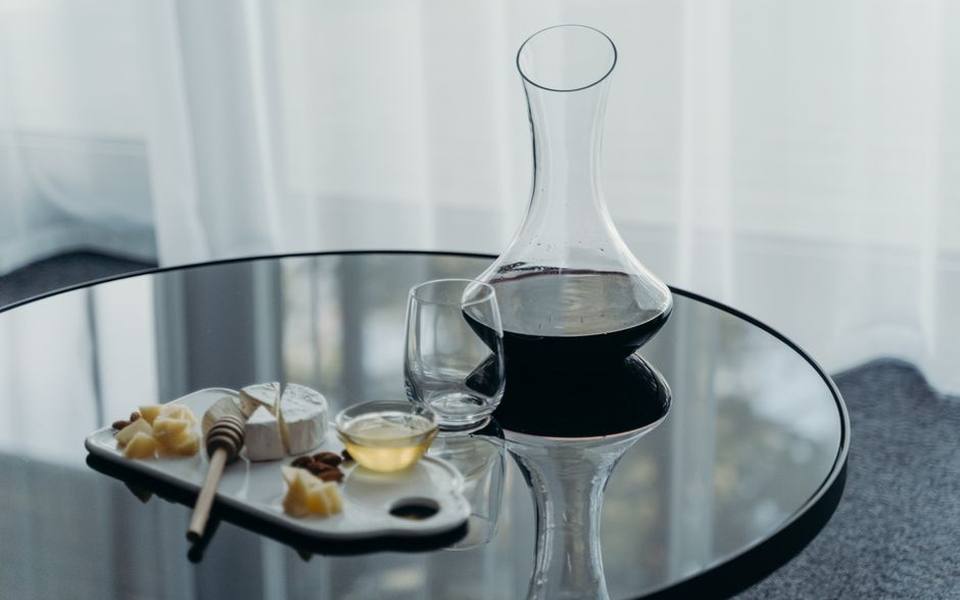
When it comes time to serve, decanting is often the safest and most practical approach. Pouring directly from a twenty-pound bottle into individual glasses at a crowded dining table risks accidental spills and uneven fills. Instead, transfer the wine carefully into two or three standard glass decanters, which eases service, allows the wine to breathe evenly, and preserves the impressive empty bottle as a display centerpiece.
Event planning and calculating portions
Incorporating oversized bottles into social gatherings adds immediate drama and communal celebration to the event. However, realistic portion planning is essential to ensure you purchase the correct amount without ending the night with half-full, deteriorating glass. A standard wine pour measures roughly five ounces, meaning a 1.5-liter magnum yields ten generous pours, while a three-liter bottle serves twenty glasses comfortably.
For cocktail hours, weddings, or celebratory toasts where pours are closer to three or four ounces, a single six-liter bottle can provide celebratory champagne for forty to fifty attendees. Aligning the bottle opening with the focal point of the party—such as the main toast or dinner entrée—ensures the bottle is emptied within a reasonable two-to-three-hour window. This matches well with private celebrations hosted at wineries with food pairings tailored to bold pours.
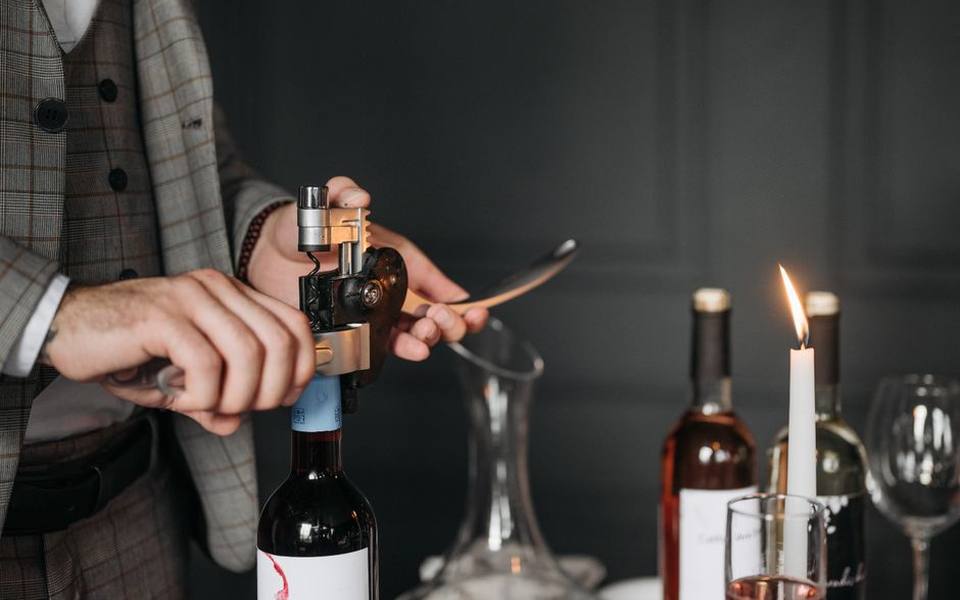
Always have an opening plan in place before guests arrive. Ensure you have an extra-long waiter's corkscrew or a two-prong Ah-So opener capable of extracting broad, dense corks without tearing them. Have plenty of clean stemware ready on trays so that once the bottle is uncorked, service moves smoothly and guests can appreciate the wine at peak temperature.
Where to purchase and how they travel
Finding authentic large format wine bottles requires looking beyond standard grocery store shelves. While popular sparkling selections in magnum size are increasingly common at suburban retail stores, rarer sizes like three-liter and six-liter vessels are typically sold directly through winery tasting rooms, allocation lists, or specialized fine wine auctions. Producers bottle these massive formats in strictly limited quantities, often numbering fewer than a few hundred units per vintage.
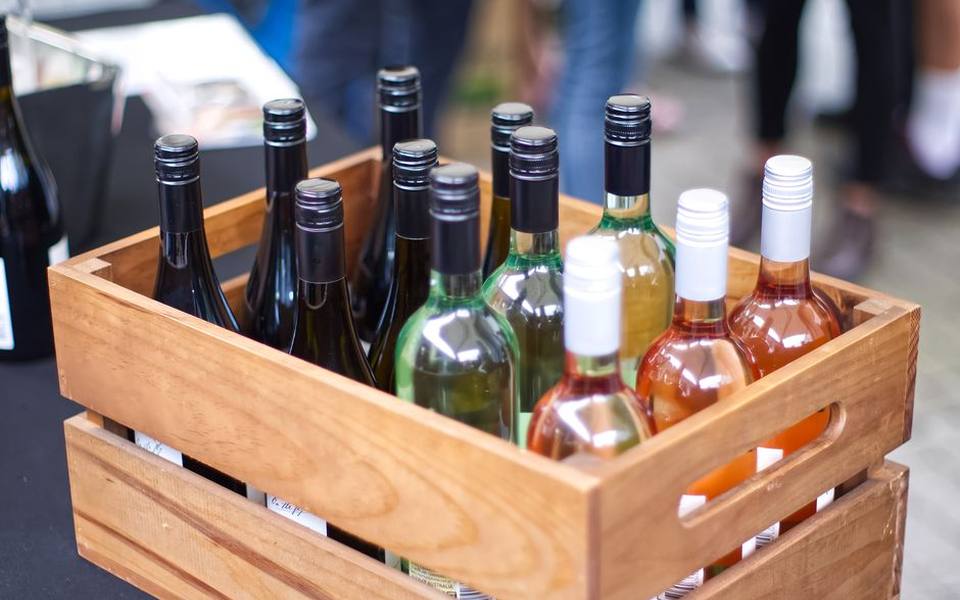
Purchasing directly from estate wineries during a weekend visit allows you to examine the bottle condition and packaging firsthand. Many wineries present these bottles in branded fire-branded wooden collector boxes that provide essential protection during transport. If you need to ship an oversized bottle home, expect specialized freight fees; standard courier packaging cannot handle the irregular dimensions and substantial weight of three-liter or six-liter glass.
Keep in mind that direct-to-consumer alcohol shipping regulations vary significantly across the United States. Certain states impose strict volume limits per transaction or forbid inter-state wine shipments entirely, which can complicate having a twelve-liter Nebuchadnezzar delivered to your doorstep. Consult directly with the producer's shipping coordinator to understand carrier insurance options and optimal shipping weather windows.
Preserving what remains after the party
The greatest operational risk of opening an enormous bottle of wine is failing to finish it before oxidation sets in. Once you pull the cork on a three-liter or six-liter bottle, ambient air immediately fills the expanding void inside the glass. If a dinner party winds down with a third of the bottle unconsumed, the vast internal surface area causes the remaining wine to lose its aromatic vibrancy much faster than a standard half-empty bottle would.
Preserving leftover wine from a large format requires immediate decanting into smaller, airtight vessels. Do not attempt to recork a Methuselah and leave it standing in your kitchen; instead, pour the remaining wine into clean, empty 750-milliliter or 375-milliliter bottles right up to the brim to eliminate headspace air, then seal them with screw caps or rubber stoppers. Stored in a cold domestic refrigerator, these rebottled portions will stay enjoyable for several days.
For oversized sparkling bottles, preservation is even more challenging due to rapid carbonation loss. Commercial champagne stoppers designed for standard 750-milliliter necks rarely fit the wider lips of large format bottles. If you anticipate that a huge sparkling bottle will not be finished entirely during the celebration, it is generally wiser to open multiple magnums sequentially rather than cracking open a single six-liter monster that cannot be saved.
Published 2026-09-21 · reviewed with each rebuild, last September 2026.
Find wineries near you
The directory lists 14,608 wineries by state and city — pick your state or use the “Near me” button in the header.
More guides
-
 Service
How to Become a Sommelier: Career Paths, Tasting Technique, and Practical Service
-
 Service
What to Wear to a Winery: Practical Outfits, Etiquette, and Food Pairings
-
 Owning
The Ultimate Wine and Food Pairing Guide: From Cheese to Desserts
-
 Buying
Understanding Kosher, Organic, and Biodynamic Wines: Production, Storage, and Pairings
-
 Buying
A Guide to Ordering Wine Online and Purchasing Bulk Alcohol for Events
-
 Buying
The Chemistry of Wine Fermentation: Yeast Roles, Malolactic Conversion, and Flavor Balance
-
 Buying
Understanding the Wine Sweetness Scale: From Crisp Dry to Indulgent Sweet
-
 Money
MoneyWine Tasting Costs Explained: What to Expect in Napa Valley and Beyond
-
 Owning
The Ultimate Guide to Charcuterie Boards: Styling, Pairings, and Recipes
-
 Owning
Crystal Wine Glassware Guide: Types, Brands, Care, and Stemless Styles
-
 Buying
Understanding Bold Reds: Dry Wines, Tannin Profiles, and Old Vine Zinfandels
-
 Storage
Choosing the Best Wine Fridge: Sizing, Cooling Zones, and Placement Guide
-
 Buying
Non-Alcoholic Wine Guide: Methods, Profiles, and What to Expect
-
 Buying
Personalized Wine Gifts: Custom Bottles, Engraved Glasses, and Custom Labels
-
 Owning
Essential Wine Accessories: Openers, Preservation Systems, Decanters, and Storage
-
 Buying
White and Rosé Wines: From Crisp Whites to Dry Rosés and Late Harvest Riesling
-
 Buying
Food and Wine Pairing Guide: Salmon, Turkey, Ham, Lamb, and Lasagna
-
 Service
Farm Wineries, Agritourism, and Sustainable Vineyard Experiences Across America
-
 Owning
Wine and Food Pairing Guide: Charcuterie Boards, Cheeses, and Dinner Courses
-
 Buying
Specialty Wines, Modern Cellar Styles, and Buying Smart Online
-
 Owning
Planning Memorable Vineyard Visits, Historic Estates, and Tasting Room Escapes
-
 Buying
Sweet and Refreshing White Wines: A Guide to Styles, Grapes, and Tasting Profiles
-
 Service
Cooking with Wine and the Practical Art of Culinary Pairings
-
 Owning
Luxury Glassware and Crystal Stemware: A Guide to Vintage Patterns, Modern Makers, and Care
-
 Storage
Modern Wine Refrigerators and Coolers: Sizing, Placement, and Everyday Performance
-
 Service
Winery & Vineyard Weddings: Venues, Planning, and Event Etiquette
-
 Owning
Electric Wine Openers, Vacuum Stoppers, and Preservation Systems: A Complete Guide
-
 Safety
Traveling with Wine: Suitcases, Luggage Bags, and Airline Rules
-
 Buying
Red Wine Varietals Explained: Malbec, Cabernet, Merlot, and Zinfandel
-
 Owning
Artisan Charcuterie Boards and Wine Party Snack Styling Guide
-
 Buying
Finding and Repurposing Used Oak Wine Barrels for Home and Garden
-
 Buying
Garlic Infused and Extra Virgin Olive Oils: Flavors, Brands, and Culinary Uses
-
 Buying
US Wine Trails and Estate Wineries: Scenic Routes and Destination Guide
-
 Buying
Crystal Wine Glasses, Fine Stemware, and Barware Accessories Guide
-
 Service
The Complete Guide to Winery Visits: Tastings, Vineyard Tours, and Visitor Experiences
-
 Owning
Pairing Wine with Charcuterie, Cheeses, and Seasonal Dinners
-
 Buying
Wine Glassware, Decanters, and Accessories Buyer Guide
-
 Storage
Home Wine Storage, Refrigeration, and Cellar Inventory Guide
-
 Buying
Winery Tours, Tasting Room Experiences, and Vineyard Weddings