Navigating the Changing Landscape of Modern Wine
Buying wine used to follow a predictable script focused entirely on well-known regions, classical grape varieties, and supermarket shelves dominated by a handful of corporate conglomerates. Today, the shelves and online shops tell a completely different story, crowded with experimental bottlings, alternative packaging, and labels highlighting sustainable cellar methods. Navigating this diverse market requires an understanding of how distinct production methods influence both flavor profiles and final retail costs.
Whether you are sourcing bottles for your home cellar through direct shipping channels or evaluating options at a neighborhood bottle shop, understanding agricultural choices and production scale is key. Mass-market labels aim for uniformity from batch to batch, often relying on industrial additives and high-volume blending. Conversely, independent producers lean heavily into vintage variation, highlighting local microclimates and honest fruit character across every vintage.
Knowing how to evaluate an unfamiliar label helps you spot quality craftsmanship while avoiding overpaying for clever branding. From vibrant carbonic reds to unfiltered regional gems, the choices can seem endless. Understanding the essentials of winemaking methods, licensing categories, and digital ordering allows you to buy better bottles while uncovering true hidden values across emerging American wine regions.
What Defines a True Boutique Winery
The term boutique winery has become widespread in marketing materials, but in practical cellar terms, it refers to an enterprise operating on a deliberately limited production scale. These cellars typically produce between a few hundred and a few thousand cases annually, compared to industrial operations that bottle millions of cases each season. By keeping case counts low, the winemaker often oversees every individual step personally, from pruning estate vines to hand-sorting clusters at harvest.
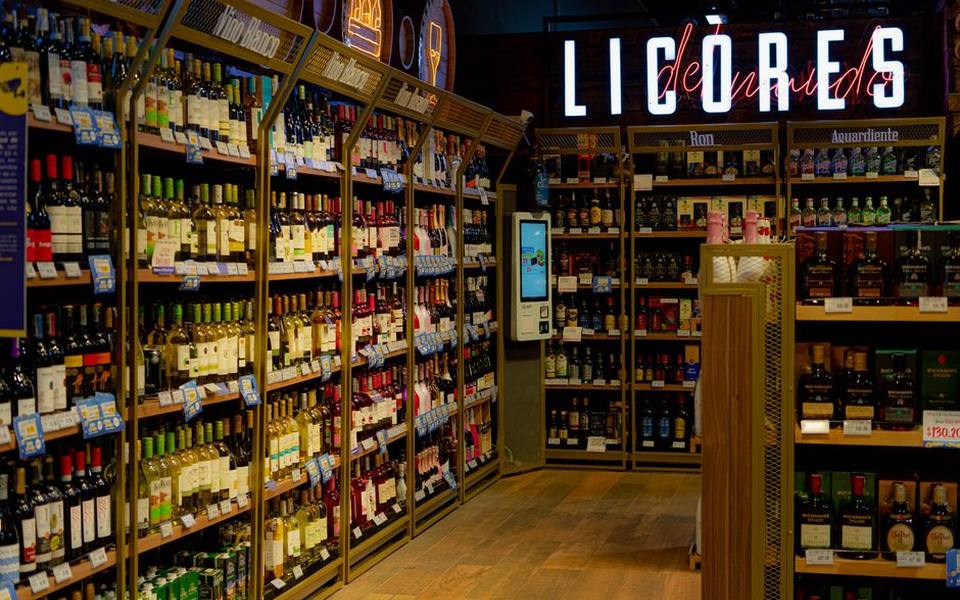
This intimate scale directly influences how these bottles enter the consumer market. Major retail chains generally require supply volumes that small independent estates cannot possibly fulfill. Consequently, boutique producers rely on wine clubs, localized tasting rooms, and selective wholesale accounts to distribute their work. Many producers operating in famous destinations or up-and-coming hubs rely heavily on direct visitor engagement, where cellar door sales sustain the entire agricultural business.
While lower volume can mean a slightly higher price point due to labor-intensive handcrafting, it also translates to distinct character in the glass. You are generally paying for vineyard stewardship, estate fruit, and careful barrel aging rather than nationwide advertising campaigns and corporate brokerage fees. Discovering these small estates often starts through regional exploration, such as planning excursions to sample curated wine tasting flights that showcase limited estate allocations.
Demystifying Low-Intervention and Natural Winemaking
Low-intervention winemaking represents an agricultural and cellar philosophy that minimizes artificial additives, aggressive mechanical manipulation, and heavy chemical corrections. Proponents of this approach avoid commercial cultured yeasts, opting instead to let ambient wild yeasts present on grape skins and inside cellar walls drive fermentation. This spontaneous fermentation can create layered, idiosyncratic aromatic profiles that reflect the specific vineyard ecology rather than standardized lab cultures.
In the cellar, low-intervention techniques prioritize gentle handling, typically bypassing industrial practices like reverse osmosis, chemical acid adjustments, or artificial coloration agents. Winemakers working in this style may also bottle their wines without mechanical sterile filtration or chemical fining, leaving microscopic sediment that keeps aromatic compounds intact. The final result often presents with slight cloudiness or natural sediment, which experienced drinkers consider a badge of unfiltered authenticity rather than a defect.
Sulfur additions, traditionally used as a universal preservative to prevent oxidation and bacterial spoilage, are kept to an absolute minimum or omitted entirely. While this purity allows delicate fruit notes to shine, it also means the bottles require careful temperature control during transit and storage. Exploring low-intervention cellars gives you an immediate appreciation for how viticulture functions when grapes are left to express their raw, unvarnished agricultural surroundings.
Understanding Carbonic Maceration and Fermentation Styles
Carbonic maceration is an innovative winemaking technique where whole, intact grape clusters undergo fermentation inside an oxygen-depleted, carbon-dioxide-rich sealed tank. Instead of crushing the fruit immediately, winemakers allow internal enzymatic fermentation to begin inside each individual unbroken grape skin. This anaerobic cellular metabolism transforms natural sugars into alcohol while drastically breaking down malic acid, giving the resulting juice a uniquely soft, approachable texture.
As the intracellular pressure increases, the grapes eventually burst naturally, after which conventional yeast fermentation finishes the process in a style often called semi-carbonic fermentation. Because the grape skins spend minimal time undergoing vigorous mechanical extraction, the wine absorbs negligible harsh wood-derived or seed-derived tannins. Instead, carbonic fermentation yields extraordinarily juicy, fruit-forward profiles characterized by distinctive notes of ripe berries, fresh bubblegum, and lifted floral aromatics.
Historically associated with French Beaujolais, carbonic maceration has experienced an energetic revival across American craft regions, especially among forward-thinking winemakers working throughout Wineries in Oregon and coastal California. These vibrant reds are crafted specifically to be enjoyed young, fresh, and often with a slight cellar chill, making them exceptional food-pairing wines that shatter the old rule that red wines must always be heavy, dry, and tannic.
Gluten-Free Claims and Production Realities in the Cellar
A recurring question among health-conscious consumers is whether wine is truly gluten-free and safe for individuals with celiac disease or severe grain sensitivities. Pure, unadulterated wine is made exclusively from fermented grapes, making it naturally devoid of gluten proteins from wheat, barley, or rye. In almost all circumstances, dry and off-dry wines straight from the tank present zero risk of dietary gluten contamination for the average consumer.
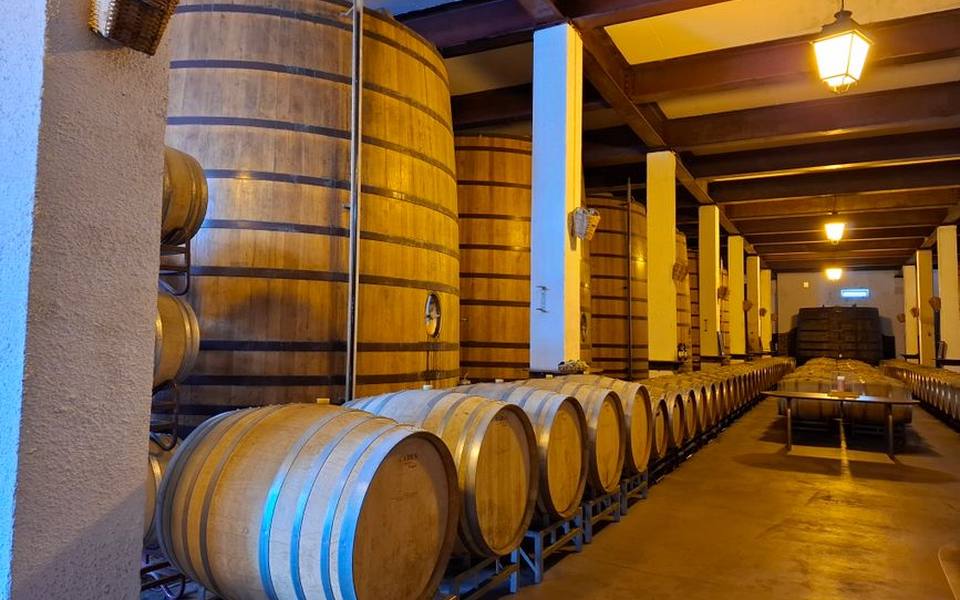
However, historical cellar practices have occasionally raised legitimate questions about secondary contact points. For centuries, coopers sometimes sealed oak barrel heads using a simple paste made from wheat flour and water, introducing potential trace contact with aging liquid. Today, nearly all commercial coopers have replaced traditional flour pastes with synthetic food-grade waxes, food-safe silicone gaskets, or completely mechanical seals, drastically minimizing any threat of cross-contamination.
Another point of curiosity involves fining agents, which winemakers add to clarify cloudy liquid before bottling. Fining agents typically consist of bentonite clay, egg whites, milk proteins, or fish bladder isinglass, none of which contain gluten. Unless a producer bottles a novelty beverage blended with malted grains or flavored with grain-derived spirit washes, standard wines are inherently gluten-free, though individuals with hyper-sensitivity can always contact independent producers directly to verify their coopering practices.
Ordering Wines Online and Navigating Direct Shipping
Ordering wine online provides direct access to small-batch producers that never reach retail shelves in your home state, but the process involves distinct legal and logistical considerations. Because alcohol shipping is regulated state-by-state under post-Prohibition frameworks, wineries must hold specialized direct-to-consumer permits for every destination jurisdiction. Depending on where you live, state statutes may cap annual volume deliveries or restrict deliveries from producers that do not manufacture their own fruit.
Logistics also dictate that wine deliveries strictly require an adult signature from someone aged twenty-one or older upon arrival; carriers will not leave boxes on porches. Savvy buyers frequently redirect their parcels to local carrier access points or their workplaces to prevent missed delivery notices. Furthermore, temperature extremes pose real hazards to delicate bottles, leading reputable producers to implement seasonal weather holds during blazing summer months or deep winter freezes to safeguard bottle integrity.
When browsing online marketplaces, consider whether you are purchasing directly from the winery or through a third-party aggregator. Ordering straight through a winery's website guarantees optimal cellar provenance, proper temperature-controlled warehouse handling, and direct support for the agricultural family running the vineyard. For travelers planning future visits, studying online offerings beforehand is a great way to map out stops that feature comfortable outdoor seating alongside their limited bottle releases.
Flavored Sweet Blends and Mass Market Nostalgia
Generations of American drinkers first encountered inexpensive sweet concoctions through heritage commercial brands like Boone's Farm, leading many to wonder whether these products originate from a traditional winery setting. Originally launched in California as an apple-based fermented wine, the label quickly expanded through mass distribution by offering sweet, fruit-flavored party beverages at remarkably low price points. Over time, changing agricultural tax regulations and production economics shifted many of these nostalgic offerings away from true grape fermentation.
In many states, these mass-market flavored products are formulated as flavored malt beverages or neutral grain bases rather than agricultural wines, allowing them to sell through convenience stores under beer licenses. While they share shelf space with low-alcohol coolers, they operate under entirely separate standards from traditional viticulture. Industrial flavorings, high-fructose corn syrups, and artificial colorings create a uniform, sweet beverage that bears virtually no connection to the vineyard soil or traditional cellar fermentation.
Understanding this contrast helps consumers differentiate between mass-manufactured, flavored alcopops and genuine sweet or dessert wines produced by authentic agrarian estates. If you are seeking sweet fruit expressions with craft integrity, look for estate-produced late-harvest Rieslings, authentic ice wines, or natural fruit wines fermented from local orchard harvests. These traditional alternatives offer luscious sweetness balanced with vibrant, mouthwatering natural acidity rather than synthetic sugar washes.
The Rise of Hybrid Craft Beverage Spaces
The traditional boundary separating independent beer culture from artisanal wine has blurred significantly in recent years, paving the way for hybrid retail and community tasting spaces. A prominent example of this movement can be seen in dynamic regional concepts like the craft wine and beer movement in Reno, Nevada, where industrial warehouses and vibrant downtown corridors host unified venues serving small-lot ciders, sour ales, and natural wines under one roof.
These hybrid models cater to modern drinkers who reject rigid beverage tribalism in favor of flavor exploration, agricultural authenticity, and approachable social atmospheres. Rather than forcing a social group to choose exclusively between a formal wine lounge and a boisterous industrial brewery, hybrid spaces offer rotating tap handles alongside chilled natural pours. Dual licensing structures allow these venues to operate simultaneously as neighborhood bottle shops and relaxed communal gathering halls.
For consumers, these spaces serve as outstanding educational platforms where you can sample adventurous fermented styles without committing to a full cellar bottle. The staff at hybrid spots are typically well-versed in both brewing mash chemistry and spontaneous grape fermentation, making them uniquely equipped to recommend cross-category favorites. Exploring these progressive venues gives you a front-row seat to the future of inclusive, unpretentious American drinking culture.
Sorting Fact from Marketing Around Wine and Health
Wine has long occupied a unique position in health discussions, frequently cited in lifestyle media for its purported cardiovascular benefits and antioxidant properties. Compounds like resveratrol, a natural polyphenol concentrated in red grape skins to defend vines against fungal infections, have been widely studied in laboratory settings. While laboratory trials demonstrate intriguing antioxidant properties, translating those outcomes directly to human wine consumption requires an objective, realistic perspective.
The concentration of polyphenols present in a standard five-ounce pour is relatively modest, meaning that drinking wine primarily for medicinal benefits is largely a marketing narrative rather than sound dietary advice. Health authorities universally emphasize that any potential health upside is strictly tied to moderate consumption, generally defined as one drink per day for women and up to two for men. Exceeding these guidelines quickly negates potential upsides, placing strain on liver function and disrupting healthy sleep patterns.
Another persistent health debate revolves around sulfites, which are frequently blamed for morning-after headaches despite naturally occurring in all fermented foods, including dried fruits and cheeses. In reality, dehydration, histamine sensitivity, and high residual sugar are far more common culprits behind next-day sluggishness. Approaching wine as a cultural and culinary pleasure meant to be enjoyed slowly with meals remains the most sustainable and rewarding way to incorporate it into your lifestyle.
Practical Tasting Strategies for Sourcing Great Bottles
The most effective way to sharpen your palate and find producers that align with your personal taste is by experiencing wines directly where they are grown and made. Touring established viticultural regions across Wineries in California or visiting rural cellar doors allows you to speak straight to the people who tend the soil. Tasting wine alongside vineyard views provides vital context about soil composition, sun exposure, and cellar decisions that simply cannot be printed on a retail label.
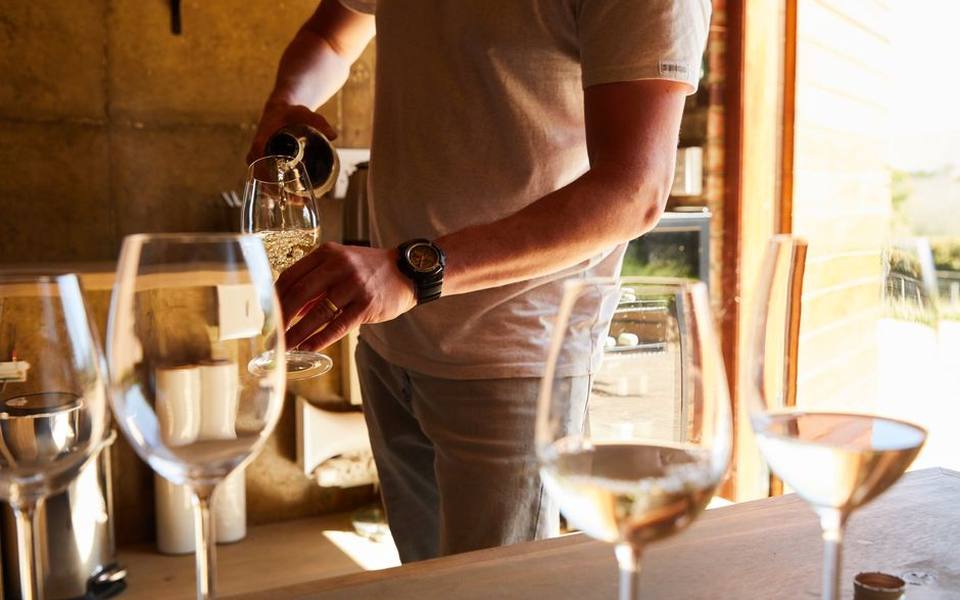
When visiting a tasting room, don't hesitate to ask thoughtful questions about production techniques, grape sourcing, and aging vessels. Inquire whether the wines ferment in neutral French oak, concrete eggs, or stainless steel tanks, and ask whether the estate employs whole-cluster pressing or native fermentations. Engaging in these conversations transforms a routine tasting into an interactive masterclass, helping you identify the exact sensory notes that appeal to your palate.
Many boutique producers offer behind-the-scenes access through organized guided tours, allowing visitors to walk the barrel caves and observe active crush pads during harvest. Taking notes on the bottles that impress you creates a personal buying guide for future online orders or seasonal allocations. By combining direct tasting room visits with smart online buying habits, you build an exceptional, customized home cellar that reflects authentic American craftsmanship.
Published 2026-09-21 · reviewed with each rebuild, last September 2026.
Find wineries near you
The directory lists 14,608 wineries by state and city — pick your state or use the “Near me” button in the header.
More guides
-
 Service
How to Become a Sommelier: Career Paths, Tasting Technique, and Practical Service
-
 Service
What to Wear to a Winery: Practical Outfits, Etiquette, and Food Pairings
-
 Owning
The Ultimate Wine and Food Pairing Guide: From Cheese to Desserts
-
 Buying
Understanding Kosher, Organic, and Biodynamic Wines: Production, Storage, and Pairings
-
 Buying
A Guide to Ordering Wine Online and Purchasing Bulk Alcohol for Events
-
 Buying
The Chemistry of Wine Fermentation: Yeast Roles, Malolactic Conversion, and Flavor Balance
-
 Buying
Understanding the Wine Sweetness Scale: From Crisp Dry to Indulgent Sweet
-
 Money
MoneyWine Tasting Costs Explained: What to Expect in Napa Valley and Beyond
-
 Owning
The Ultimate Guide to Charcuterie Boards: Styling, Pairings, and Recipes
-
 Owning
Crystal Wine Glassware Guide: Types, Brands, Care, and Stemless Styles
-
 Buying
Understanding Bold Reds: Dry Wines, Tannin Profiles, and Old Vine Zinfandels
-
 Storage
Choosing the Best Wine Fridge: Sizing, Cooling Zones, and Placement Guide
-
 Buying
Non-Alcoholic Wine Guide: Methods, Profiles, and What to Expect
-
 Buying
Personalized Wine Gifts: Custom Bottles, Engraved Glasses, and Custom Labels
-
 Owning
Essential Wine Accessories: Openers, Preservation Systems, Decanters, and Storage
-
 Buying
White and Rosé Wines: From Crisp Whites to Dry Rosés and Late Harvest Riesling
-
 Buying
Food and Wine Pairing Guide: Salmon, Turkey, Ham, Lamb, and Lasagna
-
 Buying
Large Format Wine Bottles: Magnums, Jeroboams, and Champagne Sizes Explained
-
 Service
Farm Wineries, Agritourism, and Sustainable Vineyard Experiences Across America
-
 Owning
Wine and Food Pairing Guide: Charcuterie Boards, Cheeses, and Dinner Courses
-
 Owning
Planning Memorable Vineyard Visits, Historic Estates, and Tasting Room Escapes
-
 Buying
Sweet and Refreshing White Wines: A Guide to Styles, Grapes, and Tasting Profiles
-
 Service
Cooking with Wine and the Practical Art of Culinary Pairings
-
 Owning
Luxury Glassware and Crystal Stemware: A Guide to Vintage Patterns, Modern Makers, and Care
-
 Storage
Modern Wine Refrigerators and Coolers: Sizing, Placement, and Everyday Performance
-
 Service
Winery & Vineyard Weddings: Venues, Planning, and Event Etiquette
-
 Owning
Electric Wine Openers, Vacuum Stoppers, and Preservation Systems: A Complete Guide
-
 Safety
Traveling with Wine: Suitcases, Luggage Bags, and Airline Rules
-
 Buying
Red Wine Varietals Explained: Malbec, Cabernet, Merlot, and Zinfandel
-
 Owning
Artisan Charcuterie Boards and Wine Party Snack Styling Guide
-
 Buying
Finding and Repurposing Used Oak Wine Barrels for Home and Garden
-
 Buying
Garlic Infused and Extra Virgin Olive Oils: Flavors, Brands, and Culinary Uses
-
 Buying
US Wine Trails and Estate Wineries: Scenic Routes and Destination Guide
-
 Buying
Crystal Wine Glasses, Fine Stemware, and Barware Accessories Guide
-
 Service
The Complete Guide to Winery Visits: Tastings, Vineyard Tours, and Visitor Experiences
-
 Owning
Pairing Wine with Charcuterie, Cheeses, and Seasonal Dinners
-
 Buying
Wine Glassware, Decanters, and Accessories Buyer Guide
-
 Storage
Home Wine Storage, Refrigeration, and Cellar Inventory Guide
-
 Buying
Winery Tours, Tasting Room Experiences, and Vineyard Weddings