What Makes a Red Wine Dry
A dry red wine is defined by what is left behind after fermentation rather than how fruity it smells. When yeasts consume the natural sugars present in freshly crushed grape juice, they convert those sugars into alcohol and carbon dioxide. If the fermentation process runs until virtually all fermentable sugar is gone, the resulting wine is technically dry, usually containing less than a few grams of residual sugar per liter.
Many drinkers confuse forward fruit flavors with sweetness. A bottle can display generous aromas of ripe blackberries, dark cherries, or warm vanilla while maintaining zero perceptible residual sugar. This sensation, often called fruit-forwardness, tricks the brain into expecting sweetness because our memories associate those fruit aromas with sweet desserts. True dryness simply means the liquid itself lacks sugar on the palate.
In commercial winemaking, perceived dryness also depends on the relationship between sugar, acid, and alcohol. A wine with moderate alcohol and lively acidity will taste significantly crisper and drier than an identical wine with low acidity. When exploring dry red wines across regional styles, evaluating whether the sensation comes from actual sugar or simply ripe fruit character helps set realistic expectations before pulling a cork.
The Mechanics of Tannins and Texture
Tannins are naturally occurring polyphenol compounds found in grape skins, seeds, and stems, as well as in the wooden barrels used for aging. When you drink wines with tannins, these compounds bind to the proteins in your saliva, causing your mouth to feel dry, chalky, or slightly astringent. This tactile sensation is concentrated along the inner cheeks, gums, and across the surface of the tongue.
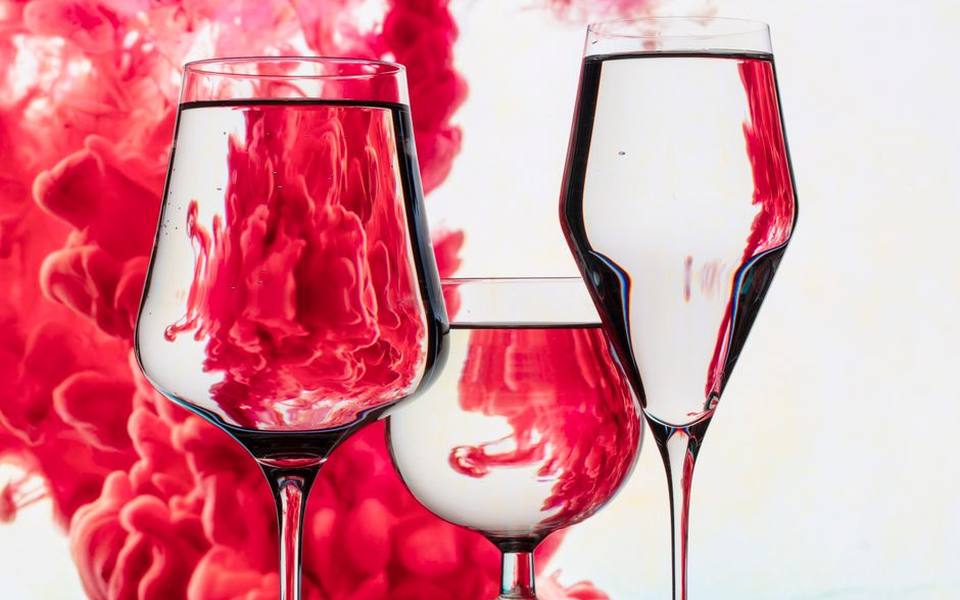
Rather than thinking of tannins as a negative flavor, experienced tasters treat them as the architectural framework of red wine. Firm tannins give a bottle structure, allowing it to withstand years in the cellar while slowly softening into silky, resolved textures. Thicker-skinned grapes produce naturally higher tannin levels, requiring careful extraction techniques during maceration to avoid harsh bitterness in the finished vintage.
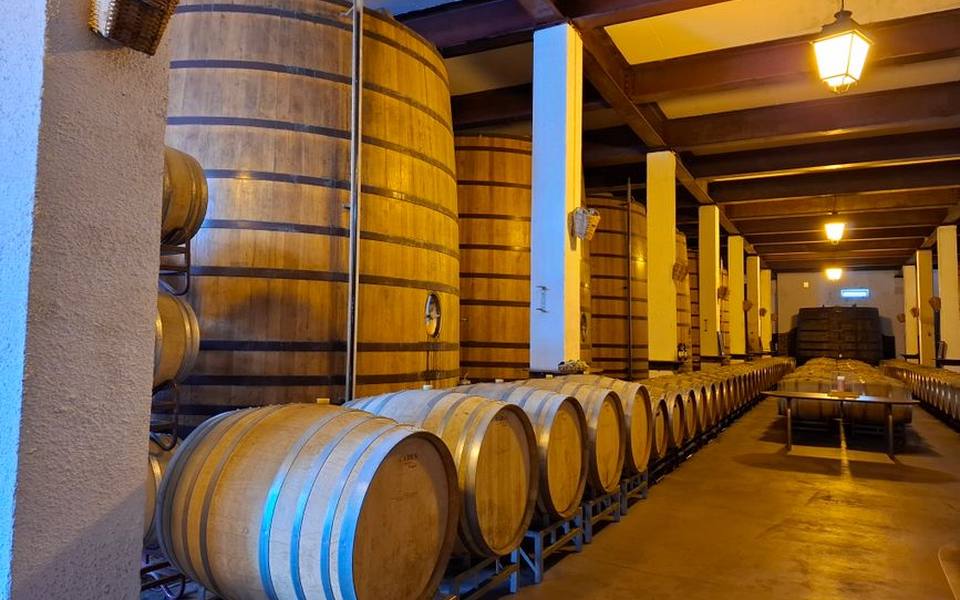
Wood aging contributes an entirely separate category known as oak tannins. Barrels made from toasted American or French oak impart subtle structural elements along with secondary flavor notes like cedar, baking spice, and tobacco. While grape tannins provide grip and longevity, barrel tannins round out the mid-palate and help soften the sharp edges of younger, high-acid red varieties.
Common Dry Red Varieties and How They Compare
Navigating the retail shelf requires understanding where standard red grape varieties fall along the structural spectrum. Pinot Noir sits on the lighter end, featuring thin grape skins that yield pale color, delicate tannins, and bright red fruit acidity. While it remains bone dry in classic cellarings, its lighter weight creates a remarkably smooth, translucent drinking experience compared to heavier cellar staples.
Merlot and Syrah occupy the generous middle ground of dry red wines. Merlot brings plummy roundness, moderate acidity, and plush tannins that coat the palate without gripping too tightly, making it an approachable choice for everyday meals. Syrah, or Shiraz in warmer zones, steps up the intensity with darker color, cracked black pepper notes, and structured tannins that sit comfortably between medium and full body.
At the robust end of the scale are varieties like Nebbiolo, Tempranillo, and Petite Sirah, each carrying formidable tannin loads and substantial mouthfeel. Tasting through different regions reveals that soil composition and microclimates heavily influence these traits. Exploring regional bottles through wine tasting flights provides the clearest side-by-side comparison of how these varietal profiles express themselves.
The Structure of Dry Cabernet Sauvignon
Cabernet Sauvignon stands as the global standard for dry red wine due to its classic proportion of acid, tannin, and dark fruit. The grape has a high skin-to-juice ratio, meaning every press extracts substantial color, phenolics, and structural tannins. In nearly every traditional growing region, winemakers ferment Cabernet completely dry, leaning on its natural depth rather than residual sweetness for substance.
The flavor blueprint of a standard Cabernet Sauvignon dry wine centers on blackcurrant, cassis, graphite, and herbal undertones like bell pepper or dried sage. These savory, earthy facets balance the concentrated fruit profile, reinforcing the sensation of crisp dryness. Even in warmer regions where fruit matures to peak ripeness, the underlying acidity keeps the wine clean and structured across the finish.
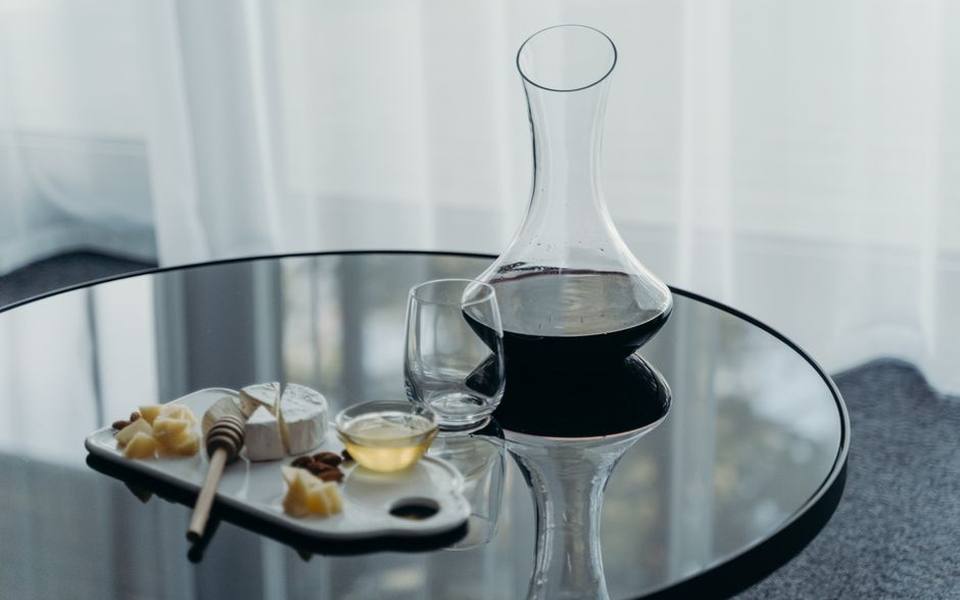
Because of its robust framework, young Cabernet can occasionally feel tight, astringent, or unyielding right after bottling. Decanting allows ambient oxygen to interact with the wine, softening the phenolic grip and coaxing out deeper aromatic layers. Pairing these structured dry pours with protein-rich foods, particularly marbled beef or aged cheeses, instantly cuts through the tannin layer on the palate.
What Defines a Full-Bodied Cabernet
A full bodied Cabernet Sauvignon delivers weight, viscosity, and sensory density from the first sip through a long finish. Body in wine refers to how heavy the liquid feels inside the mouth, analogous to the difference between whole milk and skim milk. This weight is driven primarily by a combination of higher alcohol percentage, dissolved solids, and dense tannin concentration.
Climate plays the most decisive role in creating this generous style. Sun-drenched regions—such as the warmer valleys found among wineries in California—allow Cabernet grapes to reach extended hang time, producing smaller, concentrated berries with high natural sugar levels. When fermented dry, those concentrated sugars translate directly into higher alcohol levels, typically exceeding 14.5 percent, which increases the wine's physical texture.
Winemakers augment that natural body by utilizing new oak barrels and extended skin contact during fermentation. Several months or years spent in toasted wooden casks slowly concentrate the liquid through micro-evaporation while infusing structural wood sugars and lactones. The final result is a powerful, mouth-coating red wine that fills every corner of the palate with layers of dark fruit, mocha, and toasted wood.
The Meaning of Old Vine on a Wine Label
Seeing the phrase old vine on a bottle signals history, yet the term carries almost no standardized legal definition in United States wine labeling regulations. In most growing districts, any vineyard planted several decades ago might carry the designation if the producer feels the history warrants it. Generally, viticulturists consider grapevines to enter legitimate old-age status once they reach 35 to 50 years of continuous growth.
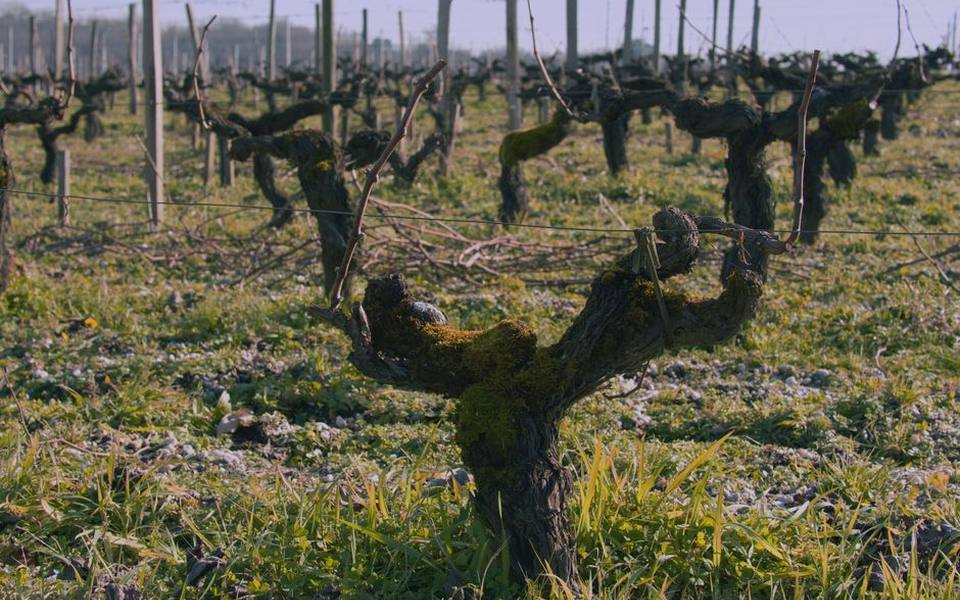
As grapevines age, their biology shifts substantially. Mature trunks become thick, gnarled, and woody, while the root systems push deep into subsoil layers in search of moisture and minerals. Because an older plant regulates its water intake more effectively than a shallow-rooted young vine, it tends to weather heatwaves and summer droughts with remarkable physiological balance and minimal stress.
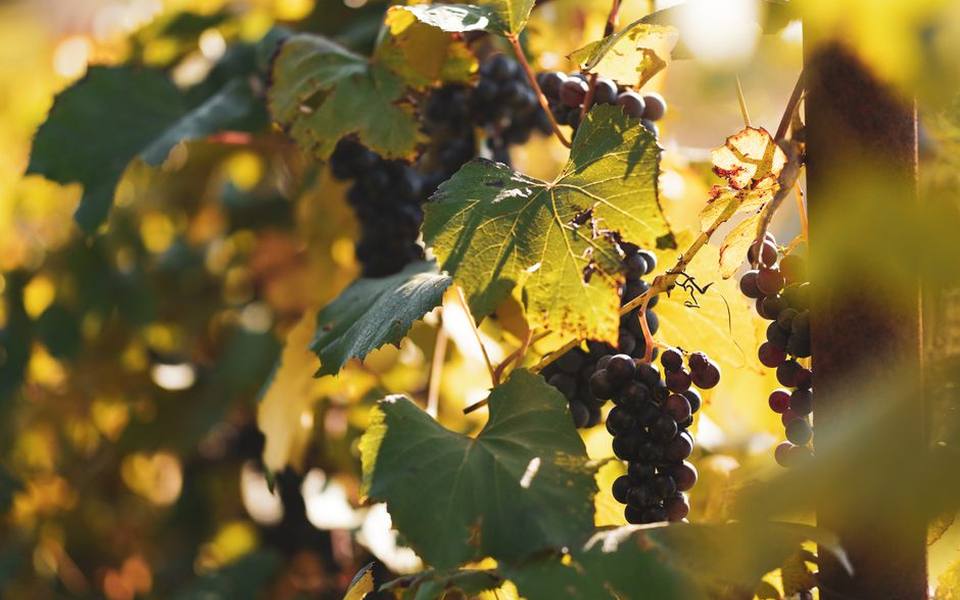
The practical tradeoff for this resilience is naturally reduced crop size. Decades-old plants yield fewer grape clusters per acre, naturally channeling their metabolic energy into fewer berries. This low-yield phenomenon creates smaller fruit clusters with exceptional phenolic concentration, deeper skin pigments, and more complex aromatic precursors, giving old vine harvests an inherent advantage in raw flavor density.
The Heritage of Old Vine Zinfandel
Zinfandel holds a unique cultural position in American wine history, tracing its lineage back to European cuttings brought west during the nineteenth-century gold rush era. While genetically identical to the Croatian grape Tribidrag and Southern Italy's Primitivo, Zinfandel found its true spiritual home across historic California farming communities. Immigrant homesteaders planted robust field blends on hillside plots that still produce fruit today.
Many of these historic plots survived both phylloxera outbreaks and the dry years of Prohibition. During the dry era, home winemakers were legally permitted to produce limited quantities of sacramental or household wine, keeping old Zinfandel wine acreage economically viable while finer varieties were ripped out. Consequently, head-trained, dry-farmed Zinfandel vines dating back to the late 1800s remain productive in several key counties.
Walking through a genuine heritage vineyard reveals scattered bushes that look more like small trees than manicured modern trellises. These gnarled plantings rarely use artificial irrigation, forcing roots dozens of feet down through gravel and clay. When you book winery tours through historic growing districts, seeing these living artifacts in person puts the resilience of the grape into sharp perspective.
Flavor Profiles of Old Vine Zinfandel Grapes
Pouring a glass made from authentic old vine zinfandel grapes offers an experience distinct from standard modern red blends. Zinfandel is famous for uneven cluster ripening, where individual berries on the same bunch range from underripe to slightly raisined. In historic parcels, this quirk yields a multidimensional flavor spectrum combining zesty red raspberry with deep, brambly blackberry jam and stewed fig.
Beyond dense fruit, high-character old vine zin wine displays an unmistakable vein of baking spice and rustic earth. Notes of freshly cracked black pepper, clove, anise, and dusty cocoa powder are hallmark qualities that separate heritage bottles from younger plantings. The acidity in older vines often remains surprisingly vibrant, keeping the bold, alcoholic profile from tasting heavy or cloying.
The tannin profile in old vine Zinfandel tends to be rounder and less biting than that found in young Cabernet Sauvignon. The texture feels plush and velvet-like, coating the mouth without demanding hours of aggressive aeration to become approachable. This generous balance between supple tannins, warming alcohol, and briary fruit character makes it exceptionally versatile for relaxed gatherings alongside seasoned barbecue or grilled meats.
Commercial Labels Versus Heritage Field Blends
The market for Zinfandel splits broadly into two distinct stylistic categories. On one side are high-volume, accessible grocery brands—such as the widely recognized 7 Deadly Zinfandel line—which popularized the category by highlighting soft tannins, ripe fruit sweetness, and approachable oak influence. These bottles prioritize reliable year-over-year consistency, offering an easy introduction to the warmth and berry intensity of regional Zinfandel.
On the other side stand artisanal, single-vineyard bottlings sourced from century-old heritage plots. Many of these historic vineyards were planted as traditional field blends, where Zinfandel was interplanted alongside small percentages of Petite Sirah, Carignan, Alicante Bouschet, and Mourvèdre. When harvested and fermented together, these companion grapes contribute natural acidity, inky darkness, and firm structural tannins that elevate the wine's aging potential.
Choosing between these tiers depends largely on the intended occasion and personal taste preference. Mass-market styles deliver immediate, velvety fruit that drinks effortlessly on a casual weeknight. Meanwhile, single-vineyard heritage selections showcase terroir, exhibiting savory minerality, dried herbs, and complex structure that will reward bottle storage for ten to fifteen years in a temperature-controlled environment.
Navigating Tastings for Body and Tannin
Evaluating red wines at a tasting counter requires an organized approach to avoid overwhelming your taste buds. Tannins accumulate on the tongue across multiple pours, progressively drying out the oral palate and making subsequent wines taste harsher than they actually are. Starting with lighter, low-tannin reds before progressing toward dense Cabernets and high-proof Zinfandels preserves your palate's sensitivity.
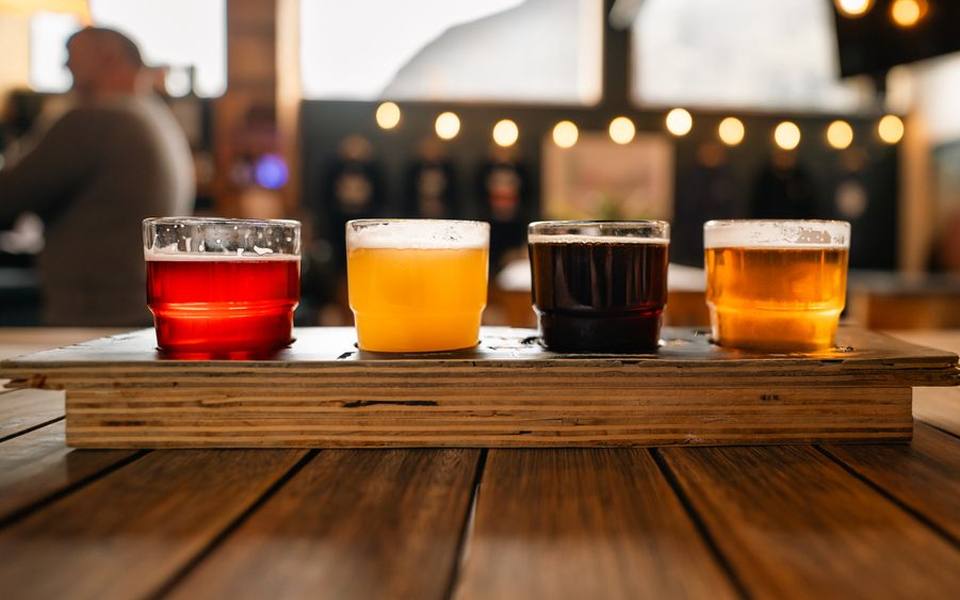
Tasting rooms commonly structure their pours in deliberate ascending order of weight and extraction. When sampling flights, take note of how the wine finishes after swallowing; a quality full-bodied pour maintains flavor continuity for thirty seconds or more without turning aggressively bitter. Rinsing with room-temperature water between glasses helps clear lingering astringent proteins from the surface of your tongue.
If you plan an afternoon exploring bold reds, pairing pours with charcuterie or small bites makes a massive difference. Visiting properties or wineries with food pairings allows you to observe firsthand how dietary fats bind to grape tannins, instantly revealing softer, fruit-forward dimensions in bold varietals that might otherwise feel intensely dry on an empty stomach.
Serving and Storing Bold Dry Reds
Serving temperature plays an underappreciated role in how dry reds express their structure. When bold wines are served too warm—often at typical ambient room temperatures exceeding seventy degrees—the alcohol vapor dominates the nose, creating a sharp burning sensation that masks delicate aromas. Conversely, serving a tannic red too cold accentuates its astringency, making the tannins feel coarse, bitter, and unpleasantly tight.
Aim to pour full-bodied Cabernet and Zinfandel at cellar temperature, typically between sixty and sixty-five degrees Fahrenheit. Giving a bottle twenty minutes in a refrigerator before uncorking often brings modern living-room bottles right into the ideal zone. Large, broad-bowled glassware provides the surface area needed for oxygen to soften volatile compounds, allowing the wine to express its fruit rather than raw alcohol heat.
For bottles intended for aging, stable environmental conditions are paramount. Consistent temperatures around fifty-five degrees, elevated humidity, and protection from direct sunlight prevent premature cork failure and oxidation. While entry-level dry reds should generally be consumed within two to four years of vintage, structured Cabernets and concentrated heritage Zinfandels easily develop nuanced savory complexity over a decade or more.
Published 2026-09-21 · reviewed with each rebuild, last September 2026.
Find wineries near you
The directory lists 14,608 wineries by state and city — pick your state or use the “Near me” button in the header.
More guides
-
 Service
How to Become a Sommelier: Career Paths, Tasting Technique, and Practical Service
-
 Service
What to Wear to a Winery: Practical Outfits, Etiquette, and Food Pairings
-
 Owning
The Ultimate Wine and Food Pairing Guide: From Cheese to Desserts
-
 Buying
Understanding Kosher, Organic, and Biodynamic Wines: Production, Storage, and Pairings
-
 Buying
A Guide to Ordering Wine Online and Purchasing Bulk Alcohol for Events
-
 Buying
The Chemistry of Wine Fermentation: Yeast Roles, Malolactic Conversion, and Flavor Balance
-
 Buying
Understanding the Wine Sweetness Scale: From Crisp Dry to Indulgent Sweet
-
 Money
MoneyWine Tasting Costs Explained: What to Expect in Napa Valley and Beyond
-
 Owning
The Ultimate Guide to Charcuterie Boards: Styling, Pairings, and Recipes
-
 Owning
Crystal Wine Glassware Guide: Types, Brands, Care, and Stemless Styles
-
 Storage
Choosing the Best Wine Fridge: Sizing, Cooling Zones, and Placement Guide
-
 Buying
Non-Alcoholic Wine Guide: Methods, Profiles, and What to Expect
-
 Buying
Personalized Wine Gifts: Custom Bottles, Engraved Glasses, and Custom Labels
-
 Owning
Essential Wine Accessories: Openers, Preservation Systems, Decanters, and Storage
-
 Buying
White and Rosé Wines: From Crisp Whites to Dry Rosés and Late Harvest Riesling
-
 Buying
Food and Wine Pairing Guide: Salmon, Turkey, Ham, Lamb, and Lasagna
-
 Buying
Large Format Wine Bottles: Magnums, Jeroboams, and Champagne Sizes Explained
-
 Service
Farm Wineries, Agritourism, and Sustainable Vineyard Experiences Across America
-
 Owning
Wine and Food Pairing Guide: Charcuterie Boards, Cheeses, and Dinner Courses
-
 Buying
Specialty Wines, Modern Cellar Styles, and Buying Smart Online
-
 Owning
Planning Memorable Vineyard Visits, Historic Estates, and Tasting Room Escapes
-
 Buying
Sweet and Refreshing White Wines: A Guide to Styles, Grapes, and Tasting Profiles
-
 Service
Cooking with Wine and the Practical Art of Culinary Pairings
-
 Owning
Luxury Glassware and Crystal Stemware: A Guide to Vintage Patterns, Modern Makers, and Care
-
 Storage
Modern Wine Refrigerators and Coolers: Sizing, Placement, and Everyday Performance
-
 Service
Winery & Vineyard Weddings: Venues, Planning, and Event Etiquette
-
 Owning
Electric Wine Openers, Vacuum Stoppers, and Preservation Systems: A Complete Guide
-
 Safety
Traveling with Wine: Suitcases, Luggage Bags, and Airline Rules
-
 Buying
Red Wine Varietals Explained: Malbec, Cabernet, Merlot, and Zinfandel
-
 Owning
Artisan Charcuterie Boards and Wine Party Snack Styling Guide
-
 Buying
Finding and Repurposing Used Oak Wine Barrels for Home and Garden
-
 Buying
Garlic Infused and Extra Virgin Olive Oils: Flavors, Brands, and Culinary Uses
-
 Buying
US Wine Trails and Estate Wineries: Scenic Routes and Destination Guide
-
 Buying
Crystal Wine Glasses, Fine Stemware, and Barware Accessories Guide
-
 Service
The Complete Guide to Winery Visits: Tastings, Vineyard Tours, and Visitor Experiences
-
 Owning
Pairing Wine with Charcuterie, Cheeses, and Seasonal Dinners
-
 Buying
Wine Glassware, Decanters, and Accessories Buyer Guide
-
 Storage
Home Wine Storage, Refrigeration, and Cellar Inventory Guide
-
 Buying
Winery Tours, Tasting Room Experiences, and Vineyard Weddings