Foundations of Artisan Grazing Platters
A successful grazing platter begins with intentional balance across textures, rich flavors, and bright acidic contrasts. Rather than placing items randomly, thoughtful hosts start by anchoring the surface with small ramekins for wet ingredients like whole-grain mustard, cornichons, and preserves. From there, large cheese wedges and cured meats provide the structural foundation across the wooden board or slate tray. Spreading savory bites evenly allows guests to explore distinct flavor combinations without crowding the presentation.
When gathering appetizer board ideas for an upcoming gathering, look beyond standard sliced cheddar and mass-market deli cuts. Incorporating distinct textures such as crumbly aged cheeses, creamy soft-ripened rounds, and thinly shaved cured meats creates visual intrigue and layered tastes. Many visitors find inspiration by observing the snack programs at wineries with food, where plates are assembled to showcase contrasting profiles that complement regional vintages without overwhelming the palate.
Surface selection plays a functional role in how long snacks remain fresh during an afternoon event. Thick hardwood boards made of maple, acacia, or walnut resist moisture and offer warmth, while chilled marble or slate helps keep soft cheeses and cured fats cool in warmer rooms. Leaving small margins of negative space near the board rim gives guests room to retrieve items cleanly, preventing crackers or fruit from tumbling onto the serving table.
Selecting Cheeses and Cured Meats for Depth
Finding reliable cheese board inspiration starts with selecting milk types and aging styles that offer distinct tasting experiences. A dependable formula includes one firm aged cheese like an alpine Gruyère or sharp farmhouse cheddar, one creamy selection such as double-cream Brie or ripe Camembert, and one crumbly or pungent style like a blue cheese or Spanish Manchego. Providing three to four well-chosen cheeses typically creates far more impact than crowding a tray with six similar mild options.
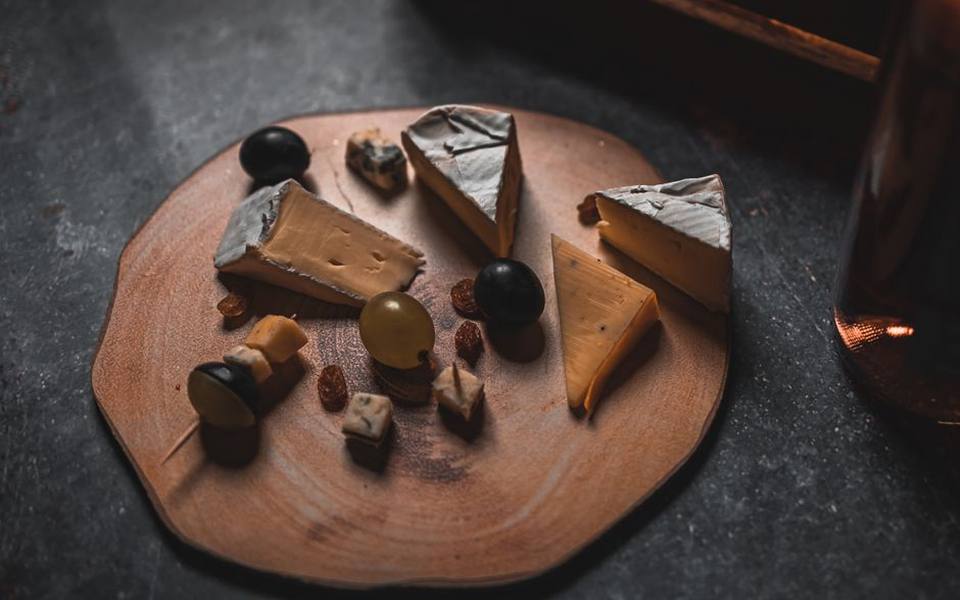
Cured meats require equal consideration regarding texture, saltiness, and presentation method. Tender, thinly shaved prosciutto or speck can be folded into loose ribbons or ruffled rosettes, which adds vertical height and makes serving effortless. Firmer dry salamis, such as soppressata or saucisson sec, should be sliced on a bias into thin, bite-sized rounds. Mixing delicate melt-in-the-mouth ribbons with denser, peppered bites ensures that every guest discovers a satisfying combination alongside their wine.
Temperature significantly alters how both cheese and cured charcuterie release their aromatic oils and complex flavors. Taking dairy components out of refrigeration roughly forty-five to sixty minutes before guests arrive allows them to bloom to cellar temperature. Cured meats need slightly less time, typically around twenty minutes, preventing the delicate rendered fats from turning greasy under room lighting.
Mastering Classic Cheese and Fruit Pairings
Fresh and dried fruit elements provide the necessary acid and natural sweetness to balance salty meats and rich dairy fats. Classic cheese and fruit pairings rely on harmonious contrasts that cleanse the tongue between sips of wine. Crisp, tart green apples cut through the rich butteriness of Triple Crème cheeses, while sweet sliced pears soften the salty tang of blue cheeses like Gorgonzola or Roquefort.
Seasonal stone fruits and berries offer both vibrant color and dynamic moisture on a crowded tray. Fresh mission figs cut into halves expose stunning crimson interiors and pair naturally with aged sheep milk cheeses, prosciutto, and a drizzle of raw local honey. Blackberries and ripe raspberries bring bright acidity to earthy goat cheeses, while firm red table grapes broken into mini clusters of three or four provide juicy freshness that complements nutty Comté.
Dried fruits bridge seasonal gaps during colder months when farm-fresh produce is scarce. Dried Turkish apricots, tart cherries, and chewy deglet noor dates offer dense sweetness that stands up to full-bodied red wines and crystallized aged Goudas. Tucking dried fruit between crackers and cheese stacks also prevents dry baked goods from absorbing moisture from fresh produce, preserving crunch throughout the evening.
Styling Accents and Decorative Board Garnishes
Elevating a basic snack tray into an artisan display depends heavily on subtle charcuterie board decorations that enhance rather than clutter the food. Fresh herbs like woody rosemary sprigs, fragrant thyme, and dark sage leaves introduce rustic greenery that frames cheeses naturally. Edible flowers, such as nasturtiums, pansies, or borage blossoms, provide vivid pops of purple and gold during spring and summer celebrations.
Small vessels and textural scatter ingredients help tie the visual narrative together across the board. Using ceramic pinch bowls for honeycomb, dark balsamic glazes, and Castelvetrano olives prevents brines from soaking into adjacent crackers. Filling small empty crevices with roasted marcona almonds, spiced pecans, or shelled pistachios creates an abundant, flowing look that invites immediate grazing.
Height variation is another essential charcuterie board decoration principle often overlooked by home entertainers. Placing small pedestals or low wooden blocks underneath select cheese wedges creates multi-tiered interest on a flat buffet spread. Stacking crisp flatbreads vertically inside low tumblers alongside the board frees up valuable tray space and prevents delicate wafer crackers from breaking beneath heavy hands.
Individual Portions and the Handheld Charcuterie Cup
When hosting larger groups where guests mingle while standing, personal portions often work better than a shared communal platter. A standard charcuterie cup recipe relies on sturdy five-to-nine-ounce paper baking cups, clear tumblers, or mini mason jars filled with arranged skewers. These portable snacks allow guests to hold a glass of wine in one hand while enjoying an artfully arranged sampler that will not shift or spill.
Building these individual cups requires a logical bottom-to-top assembly strategy to keep components crisp and stable. Fill the bottom third of each container with sturdy dry elements like breadsticks, roasted nuts, or dried cranberries to create an anchoring base. Next, insert tall rosemary skewers threaded with folded salami, pitted olives, and marinated mozzarella pearls, allowing the aromatic herb tips to extend upright.
Finish the top of each cup with a long cheese spear, a crisp grissini breadstick, and a fan of sliced dried apricot or fresh grape clusters. Because everything is elevated on sticks or stacked vertically, guests can easily pluck items without touching other portions. This setup works exceptionally well for outdoor celebrations, cocktail hours, and casual patio gatherings where table space is limited.
Curating Spooky Halloween Snack Displays
Autumn festivities call for darker, more dramatic plating choices that fit the playful spirit of fall entertaining. A themed halloween snack board leans into deep, moody colors using black mission figs, dark blackberries, purple concord grapes, and dark chocolate squares. Pairing these rich tones with vibrant orange additions like sliced persimmons, cheddar cubes, and dried apricots creates striking contrast on a dark slate or charred wood background.
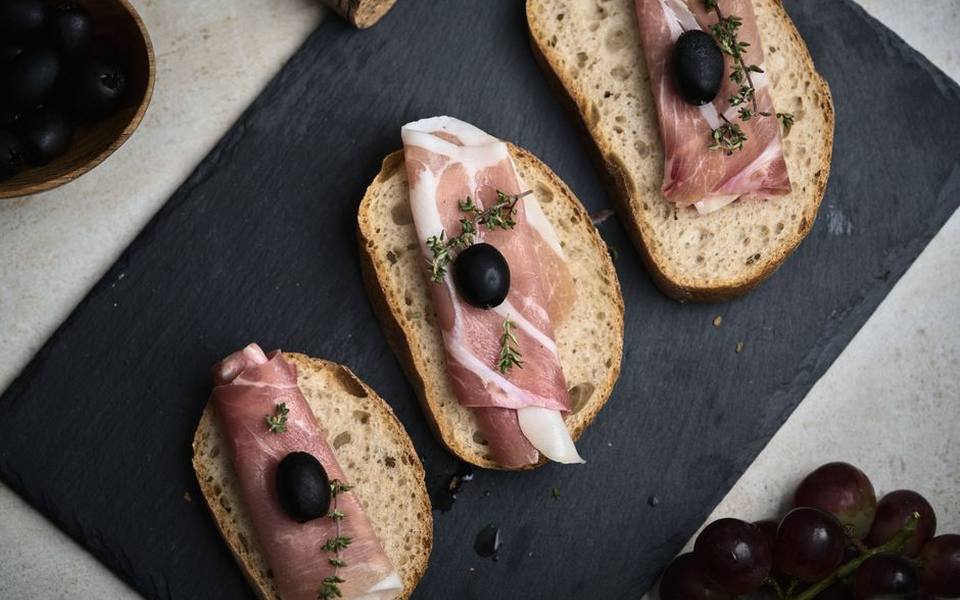
Savory elements can easily be styled to mimic autumnal and haunting motifs without relying on artificial novelty props. Shaved prosciutto can be wrapped around small rounds of fresh mozzarella or melon spheres to suggest organic shapes, while whole wheels of soft brie can be lightly scored across the rind to reveal dark blackberry jam bubbling underneath. Deep red pomegranates split open into rustic chunks add glistening jewel tones and tart complexity.
These rich autumn spreads naturally pair with medium-to-full-bodied reds and rustic seasonal pours. Spiced nuts tossed in smoked paprika and cracked pepper complement the peppery notes in Syrah or Zinfandel. Adding dark olive tapenade and seeded rye crackers keeps the spread refined and savory, ensuring adult guests enjoy a culinary-focused grazing experience alongside their seasonal festivities.
Crafting Celebratory New Year's Eve Spreads
Welcoming the new year demands an opulent, sparkling-wine-friendly display that feels generous and celebratory. Designing a dedicated new year charcuterie board involves prioritizing bright, effervescent pairings that harmonize with traditional champagne, cava, or domestic sparkling wines. Creamy, buttery triple-cream wheels, salty prosciutto di Parma, and briny Marcona almonds form the core flavor spine that cuts through crisp carbonation.
Visual styling for late-night midnight countdowns should reflect festive luxury without requiring constant host maintenance. Incorporating golden accents through fresh honeycomb slabs, edible gold flakes on soft goat cheese, and champagne-soaked grapes elevates standard charcuterie platters ideas into showpieces. Small white ceramic dishes holding white truffle butter or artisan fruit compotes provide polished elegance on white marble slabs.
Timing the food presentation for evening parties prevents snacks from looking picked-over before the midnight toast. Many hosts prepare backup platters held in the refrigerator, bringing out fresh wedges and crisp crackers roughly an hour before midnight. Offering poured tastes of wine by the glass alongside these refreshed trays keeps energy high and conversation flowing into the late hours.
Outdoor Entertaining and Winery Picnic Setups
Taking a grazing spread outdoors introduces distinct challenges regarding temperature, insects, and portability. When visiting wineries with outdoor seating, packing sturdy components into divided, stackable containers ensures crackers remain crisp while cheeses stay intact during transit. Selecting firmer alpine styles and cured salamis prevents rapid melting under afternoon sunlight compared to delicate soft rinds.
Venturing out on daytime lawn outings also requires practical accessories like bamboo cutting boards, small serrated pocket knives, and mesh food tents to shield items from pests. Pre-slicing denser cheeses before leaving home reduces the need for precarious cutting on uneven patio tables or blanket lawns. Small jars with screw-top lids work far better than open ramekins for carrying runny preserves and brine-packed pickles.
Pairing portable snacks with open-air tastings mirrors the classic relaxed tasting experiences found across the countryside. Salty prosciutto, crisp grissini, and mild gouda provide clean, neutral backdrops when sampling wide regional varieties. Having clean palate cleansers like plain water crackers on hand ensures that delicate white wines and aromatic rosés show their full flavor without being overshadowed by spicy mustard.
Portion Planning and Safe Food Handling
Estimating the correct quantity of food prevents both food waste and the stress of empty platters midway through an evening. For casual pre-dinner appetizers, planning roughly two ounces of cheese and two ounces of cured meat per person is typically sufficient. If the board serves as the primary evening meal, increasing estimates to five to six ounces of total protein per person, alongside ample bread and fruit, ensures everyone leaves satisfied.
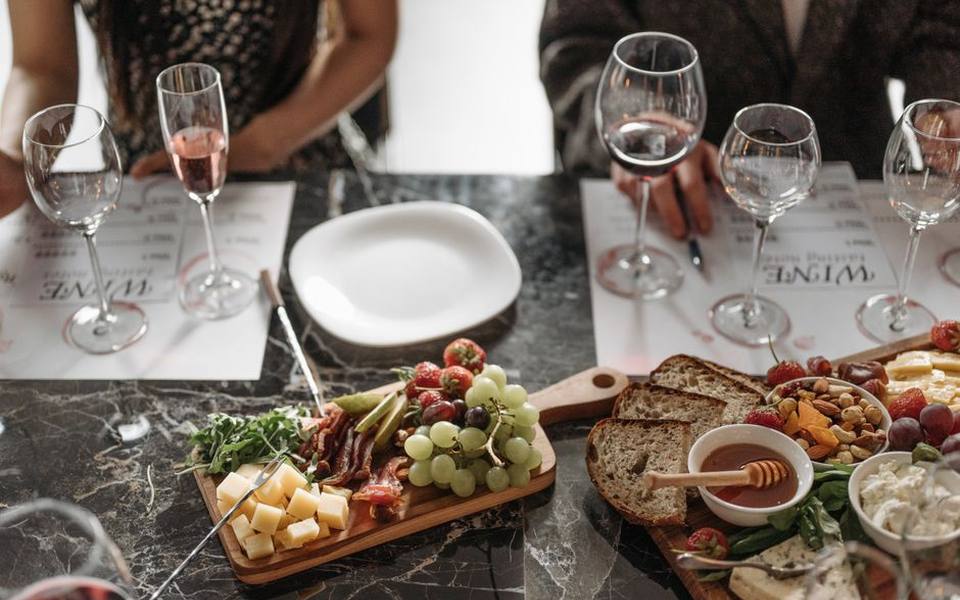
Crackers and sliced breads should be stocked at roughly double the volume anticipated, as guests consume carbohydrates steadily throughout a wine evening. Storing extra boxes in airtight pantry bins rather than loading every cracker onto the initial board prevents them from softening from ambient room humidity or oily meats. You can quickly replenish baskets as items disappear without disturbing the core cheese arrangement.
Safe food handling dictates keeping perishable dairy and meat items at room temperature for no more than roughly two hours in typical indoor conditions. When hosting an event spanning three to four hours, setting out smaller platters and replenishing them from the refrigerator keeps dairy firm and prevents cured fat oxidation. Discard any meats or soft cheeses that have remained at warm room temperatures for extended periods.
Aligning Platter Profiles with Tasting Flights
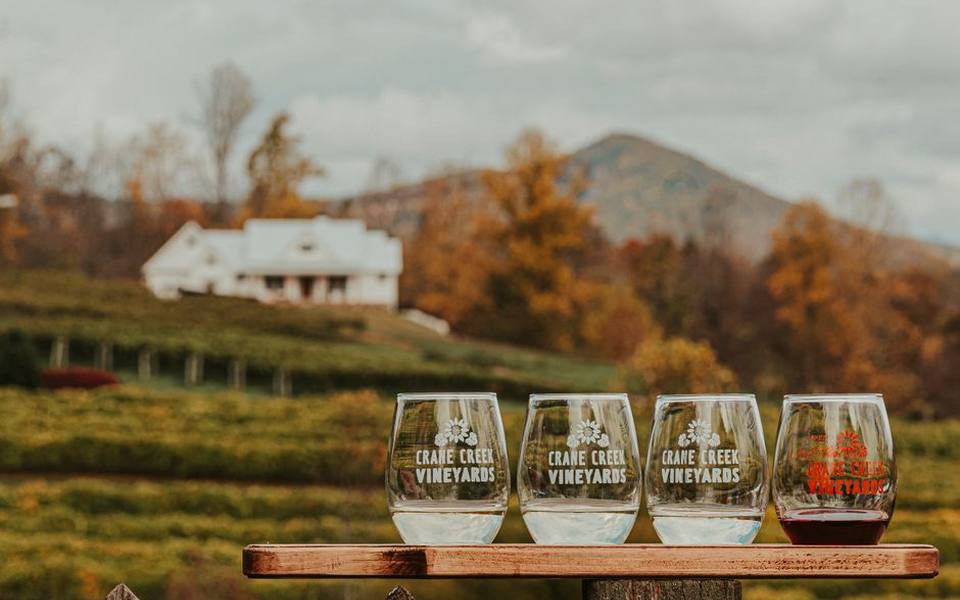
Coordinating snack boards to match structured wine journeys elevates a casual gathering into an immersive tasting experience. When working through dynamic wine tasting flights, arranging foods in a progressive sequence from light and acidic to dark and tannic mirrors how wines are traditionally poured. Fresh chèvre and mild herbs start the progression, moving gradually toward aged cheddar and spicy cured meats.
Crisp, high-acid white wines like Sauvignon Blanc or dry Riesling shine alongside fresh, tangy cheeses such as young goat logs, feta, and pickled cornichons that match their zesty profile. Light-bodied reds such as Pinot Noir pair effortlessly with earthy mushroom patés, French Brie, and duck prosciutto, where subtle savory undertones do not overwhelm the delicate red berry character.
For bold, tannic reds like Cabernet Sauvignon or Syrah, dense aged cheeses with crystallized amino acids, such as five-year Gouda or sharp Pecorino, help bind tannins and smooth out the finish. Exploring these thoughtful interactions mirrors what guests experience during guided winery tastings, turning your home living room into a sophisticated space for culinary discovery.
Published 2026-09-21 · reviewed with each rebuild, last September 2026.
Find wineries near you
The directory lists 14,608 wineries by state and city — pick your state or use the “Near me” button in the header.
More guides
-
 Service
How to Become a Sommelier: Career Paths, Tasting Technique, and Practical Service
-
 Service
What to Wear to a Winery: Practical Outfits, Etiquette, and Food Pairings
-
 Owning
The Ultimate Wine and Food Pairing Guide: From Cheese to Desserts
-
 Buying
Understanding Kosher, Organic, and Biodynamic Wines: Production, Storage, and Pairings
-
 Buying
A Guide to Ordering Wine Online and Purchasing Bulk Alcohol for Events
-
 Buying
The Chemistry of Wine Fermentation: Yeast Roles, Malolactic Conversion, and Flavor Balance
-
 Buying
Understanding the Wine Sweetness Scale: From Crisp Dry to Indulgent Sweet
-
 Money
MoneyWine Tasting Costs Explained: What to Expect in Napa Valley and Beyond
-
 Owning
The Ultimate Guide to Charcuterie Boards: Styling, Pairings, and Recipes
-
 Owning
Crystal Wine Glassware Guide: Types, Brands, Care, and Stemless Styles
-
 Buying
Understanding Bold Reds: Dry Wines, Tannin Profiles, and Old Vine Zinfandels
-
 Storage
Choosing the Best Wine Fridge: Sizing, Cooling Zones, and Placement Guide
-
 Buying
Non-Alcoholic Wine Guide: Methods, Profiles, and What to Expect
-
 Buying
Personalized Wine Gifts: Custom Bottles, Engraved Glasses, and Custom Labels
-
 Owning
Essential Wine Accessories: Openers, Preservation Systems, Decanters, and Storage
-
 Buying
White and Rosé Wines: From Crisp Whites to Dry Rosés and Late Harvest Riesling
-
 Buying
Food and Wine Pairing Guide: Salmon, Turkey, Ham, Lamb, and Lasagna
-
 Buying
Large Format Wine Bottles: Magnums, Jeroboams, and Champagne Sizes Explained
-
 Service
Farm Wineries, Agritourism, and Sustainable Vineyard Experiences Across America
-
 Owning
Wine and Food Pairing Guide: Charcuterie Boards, Cheeses, and Dinner Courses
-
 Buying
Specialty Wines, Modern Cellar Styles, and Buying Smart Online
-
 Owning
Planning Memorable Vineyard Visits, Historic Estates, and Tasting Room Escapes
-
 Buying
Sweet and Refreshing White Wines: A Guide to Styles, Grapes, and Tasting Profiles
-
 Service
Cooking with Wine and the Practical Art of Culinary Pairings
-
 Owning
Luxury Glassware and Crystal Stemware: A Guide to Vintage Patterns, Modern Makers, and Care
-
 Storage
Modern Wine Refrigerators and Coolers: Sizing, Placement, and Everyday Performance
-
 Service
Winery & Vineyard Weddings: Venues, Planning, and Event Etiquette
-
 Owning
Electric Wine Openers, Vacuum Stoppers, and Preservation Systems: A Complete Guide
-
 Safety
Traveling with Wine: Suitcases, Luggage Bags, and Airline Rules
-
 Buying
Red Wine Varietals Explained: Malbec, Cabernet, Merlot, and Zinfandel
-
 Buying
Finding and Repurposing Used Oak Wine Barrels for Home and Garden
-
 Buying
Garlic Infused and Extra Virgin Olive Oils: Flavors, Brands, and Culinary Uses
-
 Buying
US Wine Trails and Estate Wineries: Scenic Routes and Destination Guide
-
 Buying
Crystal Wine Glasses, Fine Stemware, and Barware Accessories Guide
-
 Service
The Complete Guide to Winery Visits: Tastings, Vineyard Tours, and Visitor Experiences
-
 Owning
Pairing Wine with Charcuterie, Cheeses, and Seasonal Dinners
-
 Buying
Wine Glassware, Decanters, and Accessories Buyer Guide
-
 Storage
Home Wine Storage, Refrigeration, and Cellar Inventory Guide
-
 Buying
Winery Tours, Tasting Room Experiences, and Vineyard Weddings