How Sweetness Works in Wine
Wine sweetness is fundamentally determined by residual sugar, which is the natural grape grape sugar left unfermented after yeast finishes converting alcohol. When yeast consumes nearly all available sugars, the resulting wine is classified as dry, typically containing under a couple of grams of residual sugar per liter. If the fermentation process is halted intentionally through temperature drops or fortification, higher levels of sweetness remain in the final bottling.
Many drinkers confuse ripe fruit aromas with sweetness, which leads to frequent misunderstandings at the tasting bar. A bottle bursting with scents of ripe peach, strawberry, or vanilla can smell intensely sweet while remaining completely dry on the palate. True sweetness registers primarily on the tip of your tongue as a coating, viscous sensation, distinct from aromatic fruitiness.
Acidity plays an equally critical role in how sweet a wine feels in your mouth. A high-acid vintage can mask a noticeable amount of residual sugar, leaving the pour tasting crisp, refreshing, and clean rather than syrupy. Conversely, a low-acid wine with even a small amount of sugar may feel heavy, flat, and noticeably sweet on the finish.
Where Sauvignon Blanc Lands on the Spectrum
Sauvignon Blanc is almost universally produced as a dry white wine, celebrated for its brisk acidity and vibrant herbal character. Winemakers generally ferment Sauvignon Blanc completely dry to highlight notes of freshly cut grass, gooseberry, citrus zest, and flinty minerals. The mouth-puckering tartness characteristic of the grape leaves the palate feeling clean, without any lingering sugary weight.
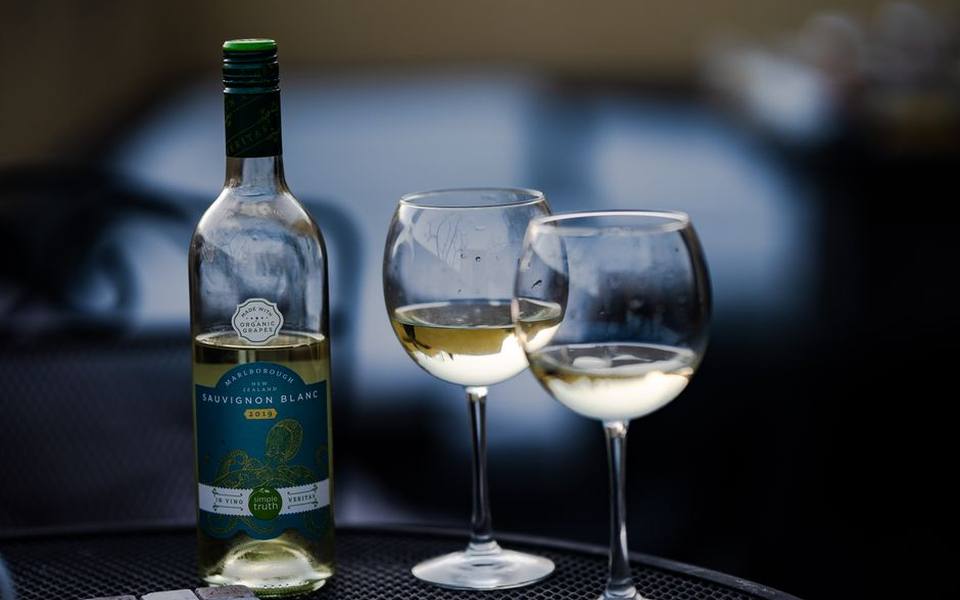
While traditional regions in France and New Zealand adhere strictly to bone-dry profiles, certain mass-market versions in North America retain a tiny touch of sweetness to soften the tart edges. Even in these commercial examples, the residual sugar rarely exceeds a few grams per liter, keeping the wine firmly within the dry to off-dry category. It never approaches the syrupy weight of true dessert selections.
If you encounter a Sauvignon Blanc that seems slightly sweet, you are likely reacting to aromatic tropical fruit profiles such as passionfruit, guava, and ripe pineapple. These notes create an illusion of sugar even when laboratory measurements confirm the drink is chemically dry. For anyone seeking a guaranteed crisp, zero-sweetness experience, cool-climate bottlings remain the most reliable choice.
Red Wine Expectations and Malbec
Malbec is classified as a dry red wine, defined by deep dark fruit characteristics, moderate tannins, and balanced acidity. When produced in standard table styles, virtually all grape sugars are consumed during fermentation, yielding an alcohol content that typically ranges between thirteen and fifteen percent. The dry nature of Malbec makes it a versatile companion for dinner rather than an after-meal treat.
The reason some casual drinkers ask whether Malbec leans sweet stems from its lush, fruit-forward profile. Ripe blackberries, plums, black cherries, and sweet cocoa aromas often dominate the bouquet, especially in bottles originating from sun-drenched, high-altitude vineyards. These ripe fruit notes can trick the brain into anticipating sweetness, but the finish delivers dry structural grip rather than sticky sugar.
Tannins in Malbec also influence how sweetness is perceived across the tongue. Tannins create a drying, astringent sensation along the gums and inner cheeks, which actively counters any sensation of sweetness. If you enjoy round, velvety red wines that provide bold berry flavor without residual sugar, a standard Malbec is one of the most dependable picks available.
The Concentrated Richness of Ice Wine
Ice wine is an intensely sweet dessert wine produced under demanding agricultural conditions. Genuine ice wine requires grapes to freeze naturally on the vine before harvest, typically under freezing conditions around eighteen degrees Fahrenheit. When pressed while still frozen, water crystals remain behind in the press, leaving behind tiny drops of exceptionally concentrated, sugar-dense grape nectar.
Because the starting must contains such dense sugar levels, the yeast eventually stops fermenting well before consuming all available sugars, resulting in a wine with substantial residual sweetness. A typical bottle of ice wine can contain well over one hundred grams of residual sugar per liter. The texture is luscious, coating the mouth like liquid silk with intense flavors of candied citrus, apricot, honey, and baked pear.
What keeps genuine ice wine from tasting cloying is extraordinary natural acidity, often preserved in cool regions like upstate New York. You can discover outstanding examples among the producers listed in our directory of Wineries in New York, where producers in the Finger Lakes take advantage of deep lake microclimates to craft balanced, world-class sweet harvests.
Understanding Non-Grape Fruit Wines
Fruit wine refers to any fermented alcoholic beverage crafted from agricultural fruits other than standard wine grapes. Common bases include blackberries, blueberries, cherries, apples, peaches, and cranberries. The production process mirrors traditional winemaking, relying on yeasts to convert the natural sugars found inside the pressed fruit juices into alcohol.
Unlike wine grapes, which possess a natural balance of fermentable sugar, water, and acid, many orchard fruits have lower sugar levels and sharp, aggressive acids. Winemakers frequently add cane sugar or honey before fermentation to achieve reasonable alcohol levels, and they often leave or add back sweetness before bottling to balance aggressive fruit tartness. As a result, fruit wines tend to lean medium-sweet or sweet.
That said, fruit wines span the entire spectrum depending on the style intended by the cellar master. Crisp hard apple ciders and dry berry wines fermented completely dry exist alongside thick, jam-like dessert pours. Reading the label or asking tasting staff about residual sweetness will prevent unexpected surprises, particularly at rural and regional estate properties.
What to Expect from Mulled Wine
Mulled wine tastes warm, aromatic, mildly sweet, and distinctly spiced, resembling hot spiced cider infused with rich red wine depth. The beverage is traditionally prepared by gently heating a dry or semi-dry red base alongside orange peel, cinnamon quills, whole cloves, star anise, and a measured amount of sweetener such as honey or brown sugar. The resulting profile balances warming spices against gentle fruit acidity.
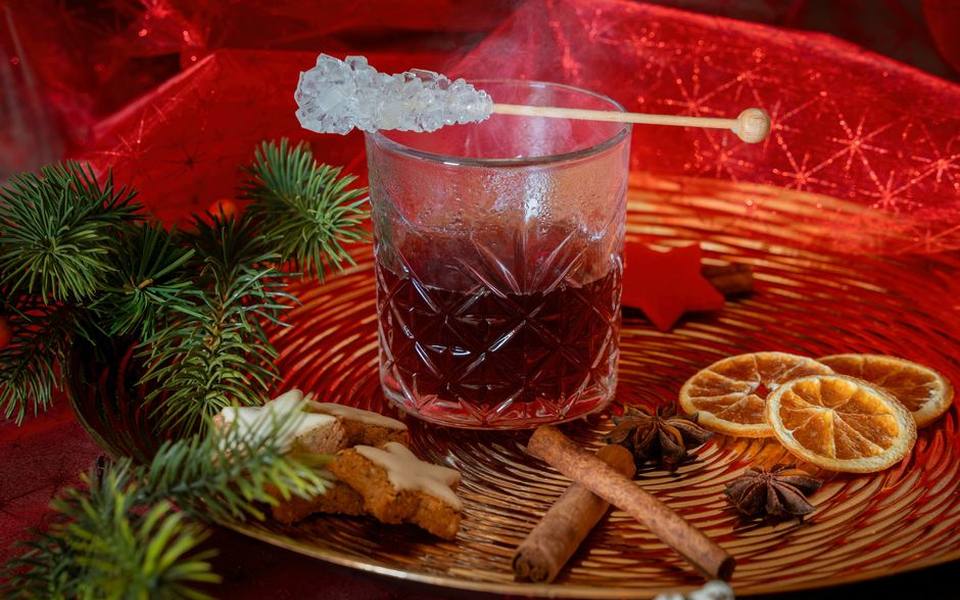
The flavor leans heavily on the aromatics steeped into the liquid. Bright citrus oils from fresh orange peel lift the heavy body of the red wine, while clove and cinnamon introduce an earthy warmth that lingers in the throat. Alcohol presence feels gentler and rounder than in a cold pour because gentle heating softens the bite of raw tannins.
Sweetness in mulled wine can vary dramatically depending on the recipe. Commercial pre-bottled holiday versions can sometimes be quite sugary, whereas home-simmered batches allow total control over added syrups. When balanced properly, the sweetness should highlight the festive spices without overwhelming the grape foundation.
Approachable Sparkling Wines on a Budget
Finding great-tasting, budget-friendly sparkling wine means looking beyond the tightly controlled Champagne region, where land costs and brand prestige drive prices up. Everyday value sparkling wines are widely made using traditional or tank methods in places like Spain, Italy, and various American wine regions. These bottles deliver vibrant fizz, refreshing acidity, and clean fruit flavor at an accessible price point.
To find the best balance of price and flavor, seek out Spanish Cava or Prosecco from northeastern Italy. Cava is produced using the exact same bottle-fermentation method as French Champagne, yielding toasty, biscuity notes alongside crisp green apple. Prosecco relies on tank fermentation, which highlights aromatic peach and floral notes, offering a rounder, softer mouthfeel that many palates find immediately appealing.
Keep an eye on sweetness classifications marked on sparkling labels to match your preference. The term 'Brut' indicates a dry wine with minimal sugar, while 'Extra Dry' paradoxically contains slightly more residual sugar, giving a softer profile. If you want a zero-sugar, sharp sparkler, look for 'Brut Nature' or 'Zero Dosage' on the front label.
Pairing Sweetness and Acid with Salmon
Salmon features rich, oily flesh that requires a wine with sufficient acidity or gentle tannins to cleanse the palate. While traditional food advice calls for white wine with fish, salmon is substantial enough to handle both textured whites and light-bodied reds. The key is avoiding overly tannic or intensely sweet wines that clash with delicate fish fats.
A light, dry Pinot Noir is widely regarded as one of the best pairings for pan-seared or grilled salmon. The bright red cherry fruit, earthy undertones, and refreshing acidity complement the savory richness of the fish without dominating it. Dry rosé is another outstanding versatile partner, delivering the brisk chill of a white with the red-berry framing of a light red.
If you prefer white wine, choose a dry, medium-bodied pour with balanced richness, such as an oaked or lightly oaked Chardonnay or a dry Pinot Gris. Many of the maritime vineyards featured in our guide to Wineries in Washington excel at producing whites with the exact acid structure and weight required to elevate rich salmon entrees.
Selecting the Right Wine for Steak
Steak demands a dry, full-bodied red wine packed with enough tannin and structure to cut through rich animal protein and intramuscular fat. When fat from a ribeye or strip steak coats the tongue, the astringent tannins in a bold red bind to those proteins, softening the wine's grip and making the meat taste juicier. A sweet wine at this table would clash awkwardly with savory sear and salt.
Cabernet Sauvignon is the classic benchmark partner for prime beef. Its bold blackcurrant fruit, firm structure, and high tannin profile hold up effortlessly against rich cuts. Syrah, Malbec, and Tempranillo also make brilliant pairings, offering peppery spice and dark plum profiles that highlight wood smoke and charred grill crusts.
For leaner steaks like filet mignon, choose a slightly softer dry red such as an aged Merlot or a medium-bodied red blend. Because leaner cuts feature less rendered fat to tame intense tannins, an excessively harsh, young red can overpower the subtle beef flavor. Matching the weight of the meat to the density of the wine guarantees a harmonious meal.
Choosing a Home Wine Refrigerator
A dedicated home wine refrigerator protects your investment by maintaining a stable temperature, steady humidity, and protection from ultraviolet light. Standard household refrigerators run too cold and feature dry airflow designed to prevent food spoilage, which eventually shrinks corks and oxidizes stored wine. A specialized wine cooler typically maintains fifty-five degrees Fahrenheit, the universal baseline for aging.
When shopping for a home wine fridge, the primary choice is between compressor and thermoelectric cooling systems. Compressor units function like standard refrigerators; they cool efficiently even in warm garages, handle larger bottle capacities, and last for many years. Thermoelectric units run almost silently and create zero vibration, making them ideal for small living rooms, though they struggle in rooms that lack climate control.
Consider whether you need a single-zone or dual-zone appliance before buying. Single-zone units are economical and perfectly suited if your collection is primarily reds or if you simply need long-term cellar storage. Dual-zone models allow you to keep whites chilled at ready-to-serve temperatures while keeping red varieties slightly warmer in an adjoining compartment.
Planning the Best Wine Tasting Experience
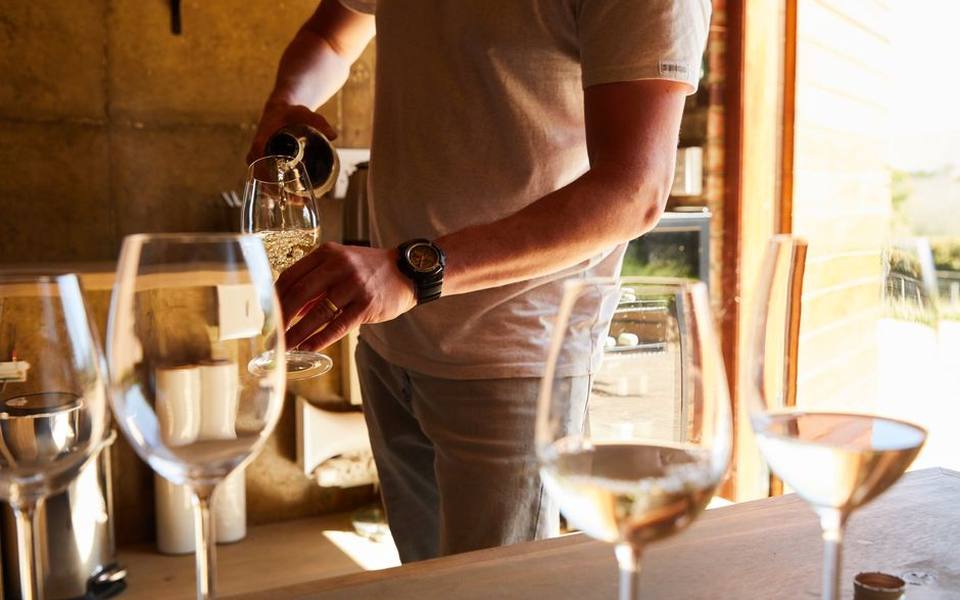
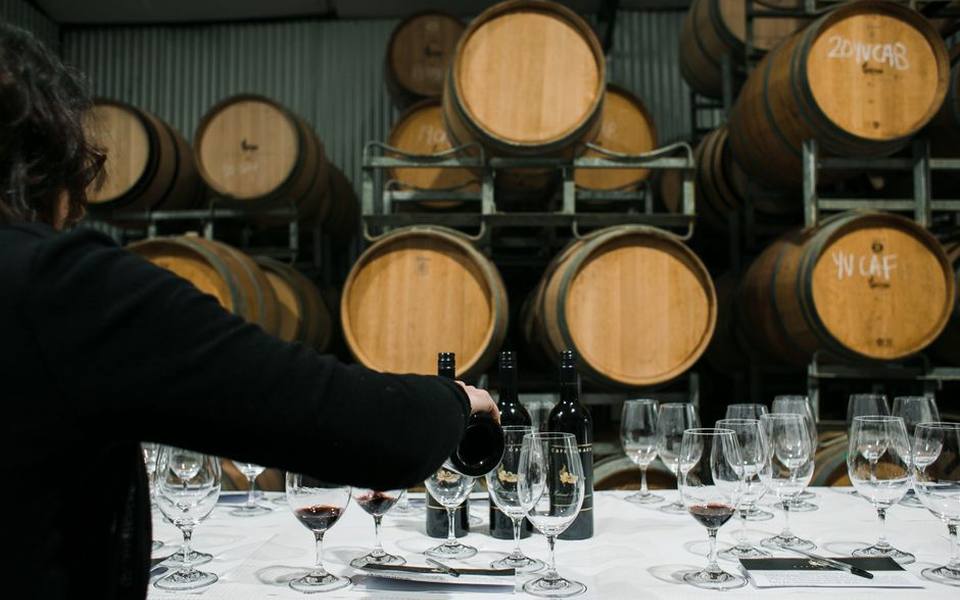
The best wine tastings offer a structured path that trains your palate while keeping tasting fatigue at bay. Professional tasting rooms typically organize pours from lightest to heaviest: starting with bone-dry sparklers, moving through crisp whites, advancing to full-bodied reds, and finishing with dessert wines. This progression prevents heavy tannins or residual sugars from masking subtle white wine flavors.
Participating in organized wine tasting flights allows you to compare multiple grape varieties or vintages side-by-side. Drinking side-by-side pours reveals how sugar, acid, and oak treatment transform mouthfeel far more effectively than drinking single glasses in isolation. Always make use of the water cracker baskets and water glasses provided to refresh your palate between samples.
When mapping out an afternoon in wine country, explore estates that offer dedicated seated educational seminars or pairing menus. Checking out wineries with food on site can help pace the afternoon and illustrate how residual sugars and acids interact dynamically with cheeses and savory bites. Reserving your spots in advance guarantees attentive host service and access to cellar-exclusive selections.
Published 2026-09-20 · reviewed with each rebuild, last September 2026.
Find wineries near you
The directory lists 14,608 wineries by state and city — pick your state or use the “Near me” button in the header.
More guides
-
 Service
How to Become a Sommelier: Career Paths, Tasting Technique, and Practical Service
-
 Service
What to Wear to a Winery: Practical Outfits, Etiquette, and Food Pairings
-
 Owning
The Ultimate Wine and Food Pairing Guide: From Cheese to Desserts
-
 Buying
Understanding Kosher, Organic, and Biodynamic Wines: Production, Storage, and Pairings
-
 Buying
A Guide to Ordering Wine Online and Purchasing Bulk Alcohol for Events
-
 Buying
The Chemistry of Wine Fermentation: Yeast Roles, Malolactic Conversion, and Flavor Balance
-
 Money
MoneyWine Tasting Costs Explained: What to Expect in Napa Valley and Beyond
-
 Owning
The Ultimate Guide to Charcuterie Boards: Styling, Pairings, and Recipes
-
 Owning
Crystal Wine Glassware Guide: Types, Brands, Care, and Stemless Styles
-
 Buying
Understanding Bold Reds: Dry Wines, Tannin Profiles, and Old Vine Zinfandels
-
 Storage
Choosing the Best Wine Fridge: Sizing, Cooling Zones, and Placement Guide
-
 Buying
Non-Alcoholic Wine Guide: Methods, Profiles, and What to Expect
-
 Buying
Personalized Wine Gifts: Custom Bottles, Engraved Glasses, and Custom Labels
-
 Owning
Essential Wine Accessories: Openers, Preservation Systems, Decanters, and Storage
-
 Buying
White and Rosé Wines: From Crisp Whites to Dry Rosés and Late Harvest Riesling
-
 Buying
Food and Wine Pairing Guide: Salmon, Turkey, Ham, Lamb, and Lasagna
-
 Buying
Large Format Wine Bottles: Magnums, Jeroboams, and Champagne Sizes Explained
-
 Service
Farm Wineries, Agritourism, and Sustainable Vineyard Experiences Across America
-
 Owning
Wine and Food Pairing Guide: Charcuterie Boards, Cheeses, and Dinner Courses
-
 Buying
Specialty Wines, Modern Cellar Styles, and Buying Smart Online
-
 Owning
Planning Memorable Vineyard Visits, Historic Estates, and Tasting Room Escapes
-
 Buying
Sweet and Refreshing White Wines: A Guide to Styles, Grapes, and Tasting Profiles
-
 Service
Cooking with Wine and the Practical Art of Culinary Pairings
-
 Owning
Luxury Glassware and Crystal Stemware: A Guide to Vintage Patterns, Modern Makers, and Care
-
 Storage
Modern Wine Refrigerators and Coolers: Sizing, Placement, and Everyday Performance
-
 Service
Winery & Vineyard Weddings: Venues, Planning, and Event Etiquette
-
 Owning
Electric Wine Openers, Vacuum Stoppers, and Preservation Systems: A Complete Guide
-
 Safety
Traveling with Wine: Suitcases, Luggage Bags, and Airline Rules
-
 Buying
Red Wine Varietals Explained: Malbec, Cabernet, Merlot, and Zinfandel
-
 Owning
Artisan Charcuterie Boards and Wine Party Snack Styling Guide
-
 Buying
Finding and Repurposing Used Oak Wine Barrels for Home and Garden
-
 Buying
Garlic Infused and Extra Virgin Olive Oils: Flavors, Brands, and Culinary Uses
-
 Buying
US Wine Trails and Estate Wineries: Scenic Routes and Destination Guide
-
 Buying
Crystal Wine Glasses, Fine Stemware, and Barware Accessories Guide
-
 Service
The Complete Guide to Winery Visits: Tastings, Vineyard Tours, and Visitor Experiences
-
 Owning
Pairing Wine with Charcuterie, Cheeses, and Seasonal Dinners
-
 Buying
Wine Glassware, Decanters, and Accessories Buyer Guide
-
 Storage
Home Wine Storage, Refrigeration, and Cellar Inventory Guide
-
 Buying
Winery Tours, Tasting Room Experiences, and Vineyard Weddings