Why Standard Kitchen Refrigerators Fall Short for Wine Storage
A standard kitchen refrigerator is engineered to keep perishable groceries cold and dry, typically running at temperatures below forty degrees Fahrenheit with very low relative humidity. While this environment protects dairy and meat, it rapidly dehydrates natural wine corks. Once a cork shrinks and dries, ambient air seeps past the seal, initiating premature oxidation that turns vibrant fruit flavors dull, flat, and vinegary over time.
Dedicated wine cooling appliances maintain a balanced microclimate engineered around fifty-five degrees Fahrenheit with humidity levels generally hovering between fifty and seventy percent. This moderate moisture keeps the cork supple and fully expanded against the glass neck. Specialized units also utilize gentle cooling cycles that prevent the sharp, rapid temperature spikes common in food refrigerators when doors are opened repeatedly throughout the day.
Compressor vibration is another hidden enemy in food appliances that dedicated units minimize. Constant mechanical shaking agitates delicate sediment and accelerates biochemical reactions, which can prematurely age fine wines. Investing in a purpose-built fridge for wine bottles shields your collection from physical agitation, excess dry air, and kitchen odor transfers through porous corks.
Sizing Undercounter Coolers and the Eighteen-Inch Layout
Finding the correct footprint is often the primary hurdle when remodeling a kitchen, wet bar, or pantry alcove. Standard undercounter appliances usually come in fifteen-inch, eighteen-inch, or twenty-four-inch widths. A wine cooler 18 inches wide serves as a popular middle ground for homeowners who need more capacity than a slim fifteen-inch column can provide, without surrendering the full two feet of cabinet width required by larger appliances.
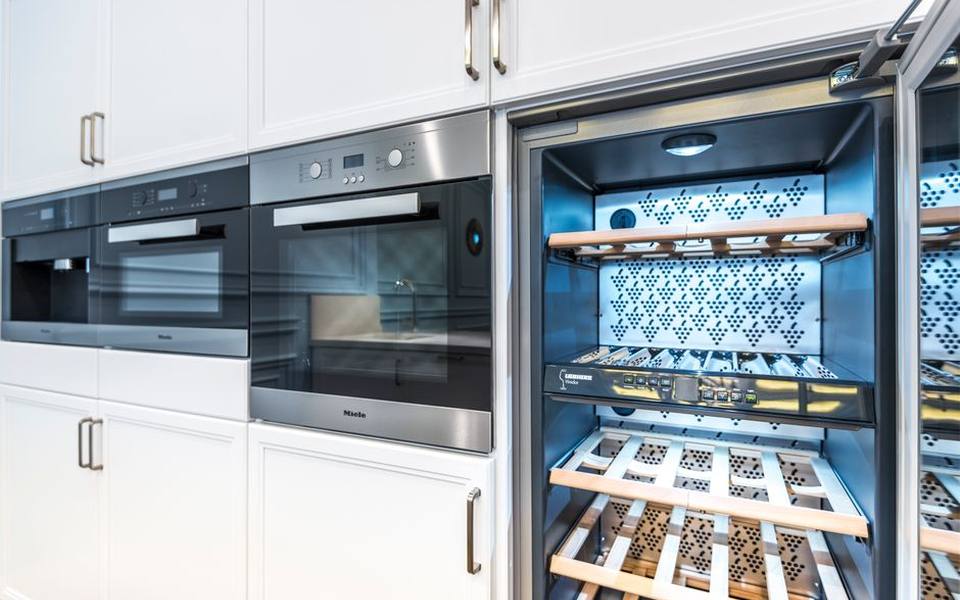
An eighteen-inch unit generally holds between twenty-eight and thirty-four standard Bordeaux bottles, depending on the internal shelf layout and compressor housing placement. When planning an undercounter installation, front-venting exhaust kickplates are non-negotiable. Freestanding cabinets vent from the back and sides, meaning that sliding them into an enclosed cutout causes heat to build up, overburdening the compressor and shortening the appliance lifespan.
Before finalizing cabinetry dimensions, always measure the depth of neighboring cabinet faces including doors and drawer fronts. Allowing adequate clearance for the hinge swing ensures you can pull out internal racks smoothly without scraping against adjacent woodwork. Leveling the appliance using its adjustable feet prevents racking strain and ensures the door gasket seals tightly against the cabinet frame.
Compact Countertop Cabinets and Thermoelectric Mechanics
For small apartments or casual collectors keeping fewer than twenty bottles on hand, compact freestanding units provide a practical starting point. Compact brands like NutriChef wine fridge options and similar small-footprint designs frequently use thermoelectric cooling assemblies rather than traditional mechanical compressors. These solid-state systems generate a cooling effect via electrical current through ceramic plates, producing virtually zero vibration and whisper-quiet operation.
However, thermoelectric cooling has distinct physical limitations that every buyer should evaluate. These systems can typically drop internal temperatures only about twenty to twenty-five degrees below ambient room temperature. If your home regularly reaches eighty degrees in peak summer, a countertop thermoelectric box will struggle to hold fifty-five degrees, running continuously and stressing its internal heat sink fans.
If you plan to store bottles in an unconditioned garage, sunny sunroom, or warmer pantry, a small compressor-driven cabinet remains the safer choice. While compressors produce a slight hum when cycling on, they hold target temperatures reliably regardless of external room temperature swings, protecting everyday reds and whites with equal precision.
Architectural Built-Ins and Dual-Zone Climate Controls
Homeowners seeking a seamless, commercial-grade aesthetic often turn to heavy-duty built-in cabinets like ZLINE wine fridge models and comparable luxury kitchen collections. These units feature seamless stainless steel doors, full-extension ball-bearing racks, and dual-zone digital temperature control. Dual zones allow you to keep serving-ready whites chilled around forty-five degrees in one compartment while resting reds and age-worthy bottles at fifty-five degrees in the other.
Dual-zone cooling functions through independent evaporators and micro-fans that manage airflow between isolated upper and lower cavities. Low-emissivity, dual- or triple-pane tempered glass doors prevent thermal transfer and block damaging ultraviolet light, which can degrade delicate organic compounds and cause light-struck aromas in lighter wines.
Many collectors bringing home cases from Wineries in California find that dual-zone built-ins offer the exact flexibility needed to stage bottles for immediate weekend dinners while letting younger vintage selections mature undisturbed for seasons to come.
Wooden Shelving, Vibration Damping, and Custom Cabinet Aesthetics
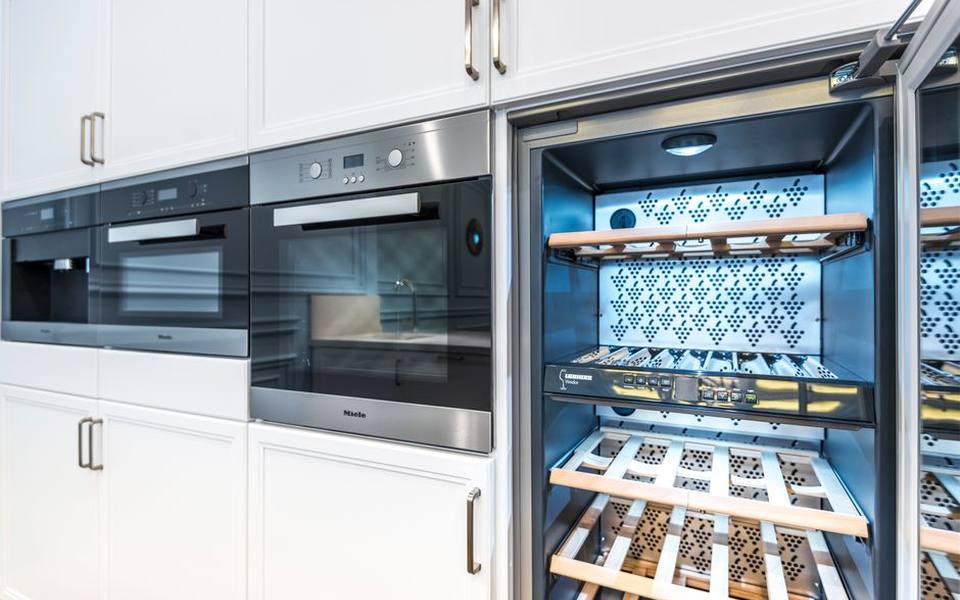
Beyond cooling mechanisms, the interior and exterior materials dictate how safely bottles rest over years of cellaring. Choosing a wine fridge wood interior—specifically untreated beechwood or Spanish cedar—provides natural shock absorption. Dense wooden slats cradle curved glass bodies more securely than bare metal wire racks, dampening mechanical micro-vibrations from nearby foot traffic or household appliances.
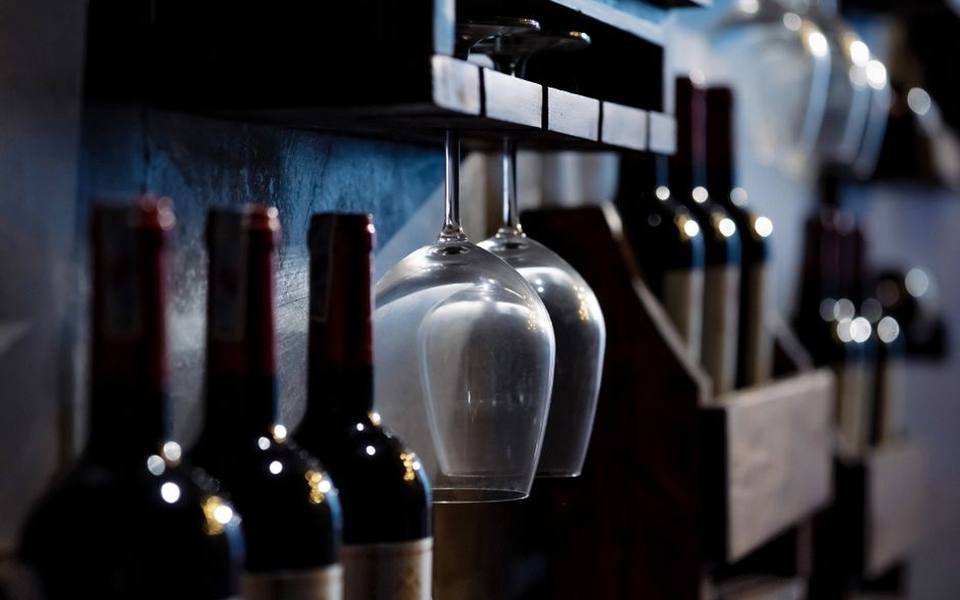
Wooden racks are also far gentler on paper labels. Metal wire shelving can scuff, tear, or snag moisture-softened collector labels during sliding, whereas smoothly planed hardwood slats allow bottles to glide in and out cleanly. Furthermore, natural wood naturally moderates minor relative humidity fluctuations inside the cabinet without off-gassing chemical scents that could penetrate porous cork stoppers.
On the exterior, panel-ready models allow custom millwork faces to blend the appliance entirely into kitchen cabinetry or library bookshelves. Whether you prefer exposed black stainless frames or bespoke wood millwork that echoes an antique credenza, prioritizing sturdy internal wooden shelving ensures the collection remains physically stable behind the door.
Active Tabletop Chillers and Insulated Countertop Holders
When entertaining, constantly walking back and forth to the primary cellar or refrigerator interrupts conversation. A tabletop bottle chiller solves this by maintaining chilled temperatures right beside the dining table or patio lounge. These tools range from active single-bottle electronic chillers that use thermoelectric wraps to drop a warm bottle to cellar temp in twenty minutes, to passive vacuum-insulated carafes.
A double-walled stainless or carved marble wine cooler holder operates passively without cords or ice baths. By pre-chilling the vessel in the refrigerator or simply placing an already cold bottle inside, the vacuum wall prevents room heat from penetrating the glass. This eliminates the messy drips, soaked paper labels, and melting ice associated with traditional restaurant-style ice buckets.
For outdoor events where you want to enjoy fresh whites or sparkling varietals on patios with outdoor seating, having an insulated tabletop holder keeps the liquid refreshing through multi-course meals without over-chilling it into an aroma-numbing ice slush.
Portable Coolers and Insulated Carriers for Travel
Transporting wine to picnics, dinner parties, or outdoor concerts requires thermal insulation that protects against ambient heat while shielding fragile glass bottles from accidental impacts. Fashion-forward thermal bags such as a Lilly Pulitzer wine cooler tote or similar patterned Lilly Pulitzer wine carrier options blend leak-proof, insulated linings with padded internal dividers, keeping bottles upright and safely isolated from clinking against one another.
When packing wine for travel, thermal shock is the primary hazard to avoid. Leaving a bottle in the trunk of a hot car can push internal temperatures past ninety degrees in less than an hour, expanding the liquid, pushing the cork outward, and permanently stewing fresh fruit characteristics. High-density closed-cell foam insulation buffers against sudden heat shifts during transport.
Many insulated carriers also include dedicated pockets for corkscrews, stoppers, and stemless outdoor glassware. Whether carrying chilled rosé to the coast or bringing reserve bottles to a friend's dinner, a well-padded insulated carrier preserves serving temperatures from cellar door to final pour.
Digital Inventory Management and Mobile Cellar Apps
As a private collection expands beyond two dozen bottles, keeping mental track of vintages, locations, and peak maturity dates becomes nearly impossible. Utilizing a dedicated wine inventory app transforms random bottle accumulation into an organized, trackable collection. Modern cellar tracking platforms utilize your smartphone camera to scan front labels or producer barcodes, automatically pulling tasting notes, vintage ratings, and region data.

Effective wine storage management relies on mapping the physical positions of bottles across rows and shelves. Top applications allow you to assign coordinates—such as Shelf 2, Column B—so you can locate a specific vintage without opening cooling cabinet doors and disturbing bottles during long searches. Minimizing cabinet door opening times also maintains steady internal temperatures and prevents moisture condensation.
Furthermore, these digital cellars offer timely drinking window alerts. Bottles that require years of aging are highlighted for preservation, while mature selections nearing their decline are flagged for consumption. Cataloging your purchases right after returning from wineries with tastings ensures you never let a special bottle sit forgotten past its prime.
Bottle Geometry and Maximizing Storage Efficiency
A common frustration among new cooling cabinet owners is discovering that their forty-bottle fridge holds only twenty-eight bottles in real-world use. Appliance manufacturers almost universally calculate rack capacities using slender standard Bordeaux bottle dimensions. If your collection leans toward wider-bellied Burgundy, Pinot Noir, Champagne, or tall Riesling bottles, shelf clearance quickly becomes an issue.
Trying to force wider bottles into narrow rack spacings can scrape labels, wedge corks tightly against upper wires, or prevent the sliding rack from rolling forward. To solve this, select cooling units that feature removable or adjustable-height shelves. You can easily remove one shelf to create extra vertical headspace for oversized sparkling bottles or magnum formats while laying standard bottles top-to-tail on the remaining racks.
Proper bottle placement also protects cork moisture. Always store natural-cork bottles horizontally so the liquid maintains continuous contact with the inner cork face. Screwcap bottles and beer bottles can stand vertically if needed, but horizontal resting maximizes storage volume across every square inch of shelf space.
Scaling Storage as Your Wine Journey Expands
Cellar collections tend to grow organically over time. What begins as a modest twelve-bottle countertop rack often evolves into an undercounter kitchen unit, which eventually leads to a dedicated basement walk-in room or climate-controlled cabinet bank. Exploring wine tasting flights introduces you to new varietals and aging potentials, naturally encouraging you to buy multi-bottle allocations from favorite vintages.
When planning your storage setup, consider designing for roughly one and a half times your current collection size. Having breathing room in your fridge or cellar racking prevents overcrowding, allows for seasonal party additions, and eliminates the need to upgrade appliances every twelve months. Combining built-in kitchen cooling for everyday bottles with a secondary long-term storage unit in a utility room creates an ideal balance between convenience and preservation.
Ultimately, proper home wine storage is about protecting the time, craftsmanship, and memories invested in every bottle. With the right combination of temperature control, vibration damping, digital tracking, and portable transport accessories, you can be certain that each cork you pull delivers the exact aromatic profile the winemaker intended.
Published 2026-09-21 · reviewed with each rebuild, last September 2026.
Find wineries near you
The directory lists 14,608 wineries by state and city — pick your state or use the “Near me” button in the header.
More guides
-
 Service
How to Become a Sommelier: Career Paths, Tasting Technique, and Practical Service
-
 Service
What to Wear to a Winery: Practical Outfits, Etiquette, and Food Pairings
-
 Owning
The Ultimate Wine and Food Pairing Guide: From Cheese to Desserts
-
 Buying
Understanding Kosher, Organic, and Biodynamic Wines: Production, Storage, and Pairings
-
 Buying
A Guide to Ordering Wine Online and Purchasing Bulk Alcohol for Events
-
 Buying
The Chemistry of Wine Fermentation: Yeast Roles, Malolactic Conversion, and Flavor Balance
-
 Buying
Understanding the Wine Sweetness Scale: From Crisp Dry to Indulgent Sweet
-
 Money
MoneyWine Tasting Costs Explained: What to Expect in Napa Valley and Beyond
-
 Owning
The Ultimate Guide to Charcuterie Boards: Styling, Pairings, and Recipes
-
 Owning
Crystal Wine Glassware Guide: Types, Brands, Care, and Stemless Styles
-
 Buying
Understanding Bold Reds: Dry Wines, Tannin Profiles, and Old Vine Zinfandels
-
 Storage
Choosing the Best Wine Fridge: Sizing, Cooling Zones, and Placement Guide
-
 Buying
Non-Alcoholic Wine Guide: Methods, Profiles, and What to Expect
-
 Buying
Personalized Wine Gifts: Custom Bottles, Engraved Glasses, and Custom Labels
-
 Owning
Essential Wine Accessories: Openers, Preservation Systems, Decanters, and Storage
-
 Buying
White and Rosé Wines: From Crisp Whites to Dry Rosés and Late Harvest Riesling
-
 Buying
Food and Wine Pairing Guide: Salmon, Turkey, Ham, Lamb, and Lasagna
-
 Buying
Large Format Wine Bottles: Magnums, Jeroboams, and Champagne Sizes Explained
-
 Service
Farm Wineries, Agritourism, and Sustainable Vineyard Experiences Across America
-
 Owning
Wine and Food Pairing Guide: Charcuterie Boards, Cheeses, and Dinner Courses
-
 Buying
Specialty Wines, Modern Cellar Styles, and Buying Smart Online
-
 Owning
Planning Memorable Vineyard Visits, Historic Estates, and Tasting Room Escapes
-
 Buying
Sweet and Refreshing White Wines: A Guide to Styles, Grapes, and Tasting Profiles
-
 Service
Cooking with Wine and the Practical Art of Culinary Pairings
-
 Owning
Luxury Glassware and Crystal Stemware: A Guide to Vintage Patterns, Modern Makers, and Care
-
 Storage
Modern Wine Refrigerators and Coolers: Sizing, Placement, and Everyday Performance
-
 Service
Winery & Vineyard Weddings: Venues, Planning, and Event Etiquette
-
 Owning
Electric Wine Openers, Vacuum Stoppers, and Preservation Systems: A Complete Guide
-
 Safety
Traveling with Wine: Suitcases, Luggage Bags, and Airline Rules
-
 Buying
Red Wine Varietals Explained: Malbec, Cabernet, Merlot, and Zinfandel
-
 Owning
Artisan Charcuterie Boards and Wine Party Snack Styling Guide
-
 Buying
Finding and Repurposing Used Oak Wine Barrels for Home and Garden
-
 Buying
Garlic Infused and Extra Virgin Olive Oils: Flavors, Brands, and Culinary Uses
-
 Buying
US Wine Trails and Estate Wineries: Scenic Routes and Destination Guide
-
 Buying
Crystal Wine Glasses, Fine Stemware, and Barware Accessories Guide
-
 Service
The Complete Guide to Winery Visits: Tastings, Vineyard Tours, and Visitor Experiences
-
 Owning
Pairing Wine with Charcuterie, Cheeses, and Seasonal Dinners
-
 Buying
Wine Glassware, Decanters, and Accessories Buyer Guide
-
 Buying
Winery Tours, Tasting Room Experiences, and Vineyard Weddings