The Core Principles of Matching Food and Wine
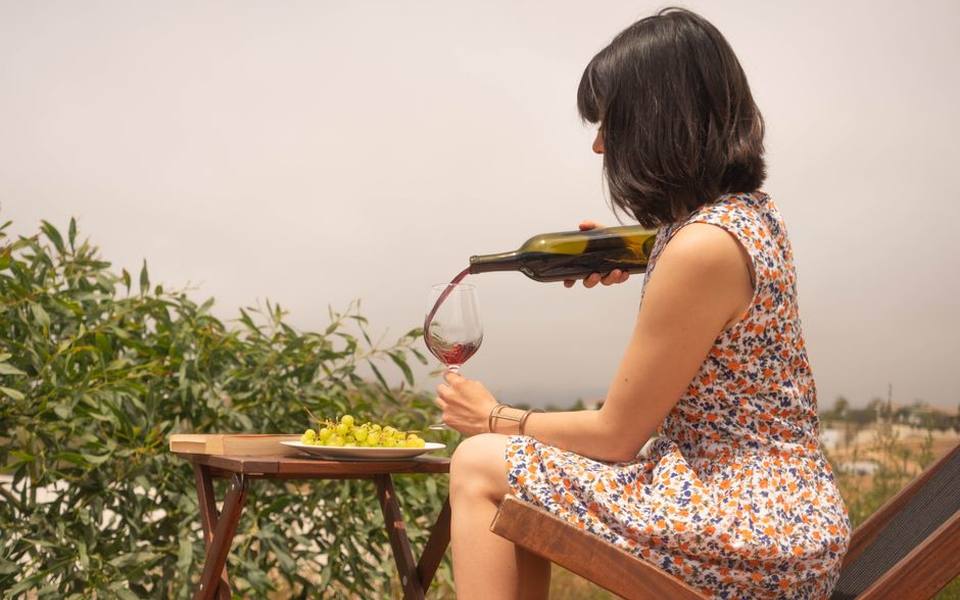
Matching wine with food does not require memorizing vintage charts; it is fundamentally about balancing weight, fat, acid, and intensity on your palate. When you take a sip of wine after eating, the liquid should neither disappear behind aggressive seasoning nor overwhelm delicate ingredients. Tannins in red wine bind naturally to dietary proteins and fats, softening astringency on the tongue, while crisp acidity cuts through cream and butter much like a squeeze of fresh lemon juice. Starting with these physical reactions makes food pairing straightforward whether you are entertaining guests or preparing a casual dinner.
Acidity is perhaps your most versatile tool because it cleanses the tongue and prepares the palate for the next bite. High-acid wines prevent rich, oily, or cheesy foods from feeling heavy, which is why bright pours pair seamlessly with creamy spreads or fried bites. If a dish features high acidity from vinegar, tomatoes, or citrus, an excessively soft wine will taste flat and lifeless by comparison. In general practice, the acidity in your glass should match or slightly exceed the acidity in your food to maintain balance.
Weight and flavor concentration also play a decisive role when opening a bottle. A delicate pour disappears behind a heavily spiced braise, while a powerhouse red easily steamrolls poached chicken or mild goat cheese. It helps to view wine as an accompanying sauce: light proteins and fresh produce call for light-bodied pours, whereas roasted meats, charred barbecue, and deeply reduced reductions require structured wines with sufficient depth and tannin to hold their ground.
Building a Balanced and Easy Charcuterie Board
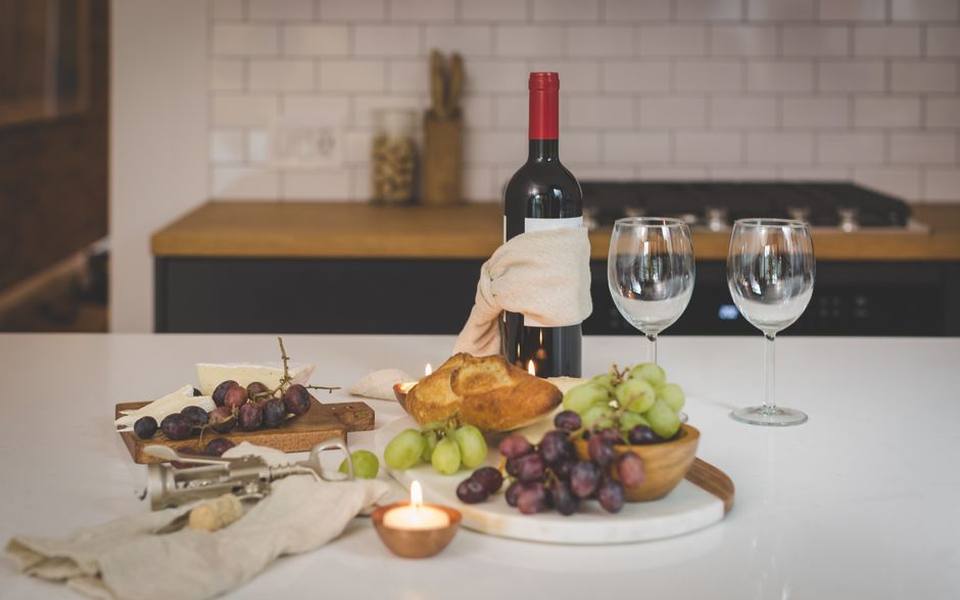
Assembling an easy charcuterie board does not require specialty shopping or professional catering skills; it simply relies on contrasting textures and complementary flavors. Start by selecting two or three cured meats that offer different fat levels and chew, such as thinly sliced prosciutto, dry-cured salami, and savory capocollo. Loosely folding or ribboning the meats rather than stacking them flat gives the board visual dimension and makes it effortless for guests to pick up individual portions without pulling apart the entire display.
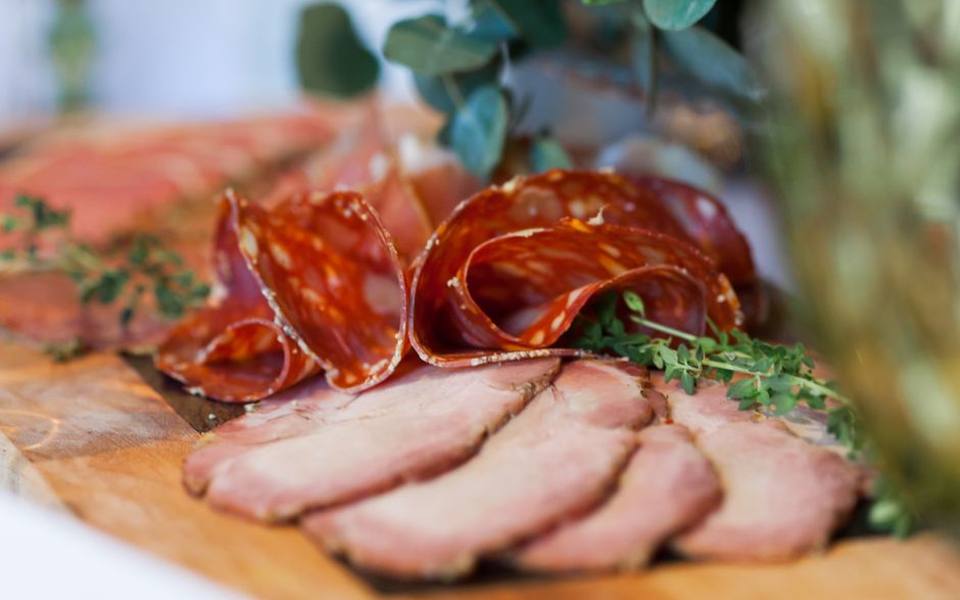
Alongside the meats, incorporate savory and sweet accompaniments that act as bridges between the food and your wine. Briny olives, cornichons, stone-ground mustard, and roasted almonds provide salty, acidic, and crunchy counterpoints that slice through fatty cured pork. Fresh grapes, sliced crisp pears, and dried figs introduce natural sweetness that echoes the ripe fruit notes found in both red and white pours. Keeping wet items in small ceramic bowls preserves crisp cracker textures across the platter.
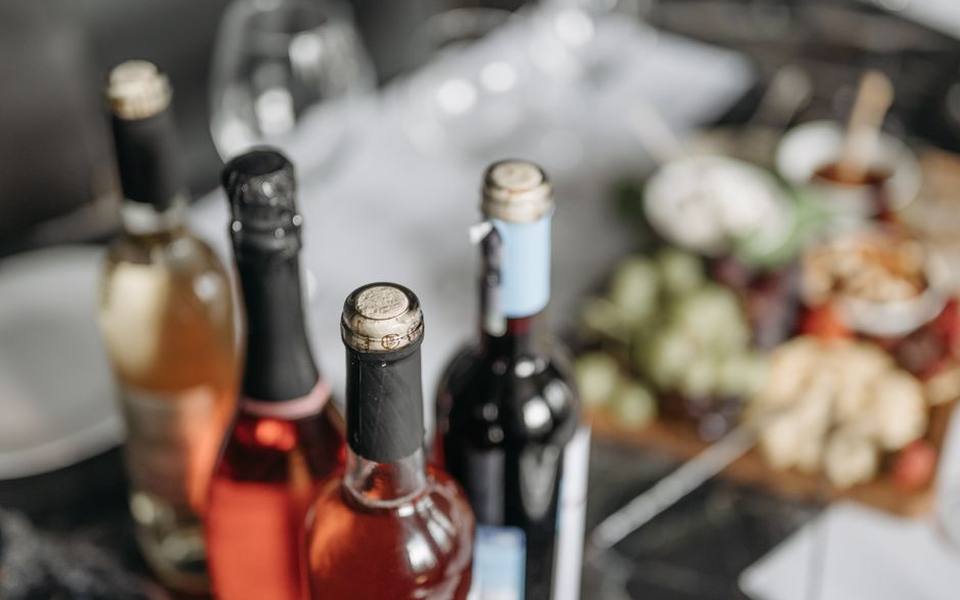
Versatility is the primary goal when selecting bottles for a mixed appetizer board. Because a single platter features sharp, salty, rich, and sweet elements side by side, highly specialized wines often clash with neighboring bites. Medium-bodied reds with lively acidity, such as Pinot Noir or Grenache, handle charcuterie and aged dairy effortlessly. If you prefer white or sparkling wine, a dry sparkler cuts through pork fat and refreshes the palate between savory mouthfuls.
Thoughtful Cheese and Cracker Tray Ideas
Designing an inviting cheese and cracker tray begins with choosing bases that support your toppings rather than fighting them for attention. A frequent misstep is purchasing heavily seasoned crackers loaded with garlic, onion, or rosemary that mask delicate dairy flavors. Instead, assemble plain water crackers, buttery rounds, and sturdy seeded crisps made with flax or sesame. Offering two or three distinct cracker textures allows guests to match dense cheeses with firm crackers while reserving delicate wafers for soft spreads.
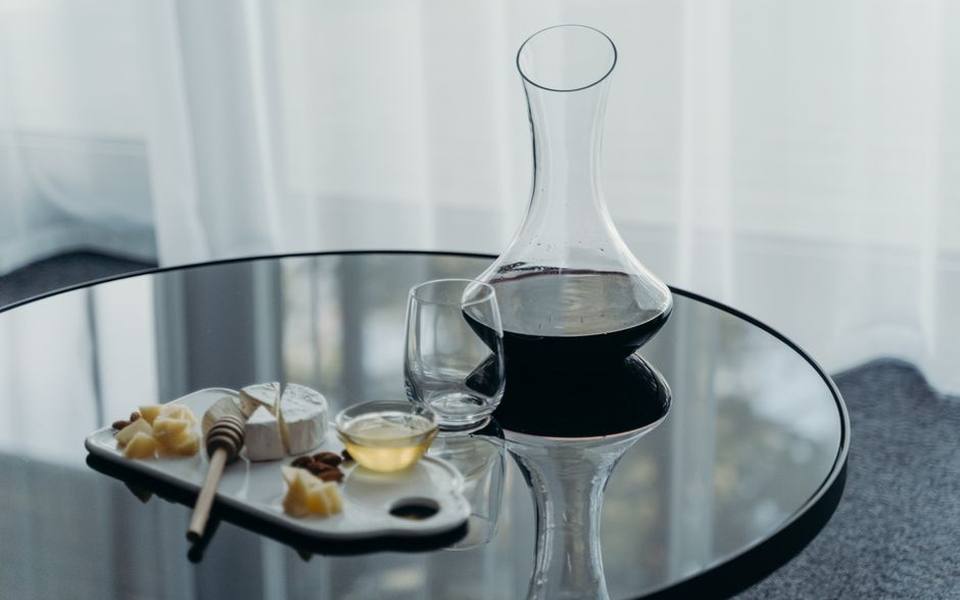
Arrange your dairy selections logically from mild to intense so guests can navigate the board without exhausting their palates early. A dependable trio features one soft bloomy cheese like Brie, one firm wedge like sharp cheddar or Manchego, and an expressive option such as a mild blue or smoked Gouda. Pre-cutting several slices or crumbling a corner of the firm wedges invites people to dig in, removing the hesitation that often comes with slicing pristine wheels.
Serving temperature significantly impacts flavor delivery. Cheese pulled straight from a cold refrigerator remains firm and aromatic compounds stay trapped in the chilled fats. Allowing the tray to rest at room temperature for roughly thirty to forty-five minutes before serving lets the texture soften and releases the full bouquet. This simple step ensures every bite delivers its intended flavor and pairs smoothly with the wine in your glass.
Expanding to a Full Charcuterie Table for Gatherings
Scaling up from a wooden cutting board to an expansive charcuterie table creates an engaging centerpiece that keeps foot traffic moving during parties. Instead of creating a single towering mound in the center, roll food-safe butcher paper across your serving counter and map out repeating stations. Placing cured meats, cheeses, breads, and condiments in alternating zones along the length of the table allows several guests to graze simultaneously without creating awkward lines or bottlenecks.
Varying the elevation across the surface turns a flat table into an inviting spread. Use overturned wooden crates, marble risers, or sturdy cutting boards beneath the parchment paper to lift key bowls and baskets above the surface. Tucking sprigs of fresh rosemary, bay leaves, or olive branches between clusters of breadsticks and ramekins produces an organic, professional presentation. Place small tongs, wooden picks, and cocktail napkins at both ends so guests can serve themselves cleanly.
Proper replenishment ensures a large display stays appetizing over several hours. Soft cheeses dry out and cured meats sweat when exposed to warm ambient air for long stretches. Rather than loading your entire stock onto the table at the beginning of the gathering, store backup portions in the refrigerator and refresh the display in controlled waves. Clear labeling also helps guests identify pungent or spicy components before filling their plates.
Unlocking Cabernet Sauvignon Pairings
Cabernet Sauvignon is celebrated for dark fruit flavors, firm structural tannins, and lingering oak nuances. Because of this bold architecture, a successful cabernet pairing requires dishes with adequate protein, fat, and savory weight to soften the wine's grip. Tannins chemically bind to proteins in saliva, which can leave your mouth feeling dry if the wine is consumed alone. Introducing fat and protein from food coats the tongue, neutralizing astringency and letting the wine's blackberry and cassis notes emerge.
Classic culinary tradition pairs this varietal with pan-seared or roasted red meats. A marbled ribeye, roasted prime rib, or grilled lamb chops supply the richness required to tame muscular tannins. Beyond red meat, savory elements like roasted portobello mushrooms, caramelized onions, and dishes seasoned with rosemary or thyme highlight the earthy herbal complexity typical of cooler-climate bottles. Pan reductions and rich stocks bridge the wine's weight and harmonize its dry finish.
Understanding what to avoid is just as valuable when planning cab sauv pairings. Delicate white fish, fiery chili peppers, and sweet barbecue glazes tend to clash with this grape's profile. Capsaicin intensifies alcohol heat and astringency, creating an uncomfortably bitter burn on the palate. Heavy sugar in sauces can also strip the fruit perception from your glass, leaving the wine tasting thin and sour. Sticking to savory, herb-accented, and roasted dishes yields dependable results with any cab sav pairing.
The Best Cheese Selections for Cabernet Sauvignon
Selecting the right cheese with cabernet comes down to choosing styles with enough age, butterfat, and density to withstand heavy tannins without tasting chalky. Soft fresh cheeses like chevre or fresh mozzarella are easily drowned out by the wine's intensity, while creamy triple-cremes can develop a metallic taste when mixed with high tannin. The best matches are aged, hard cheeses where moisture loss has concentrated rich fats and protein crystals that complement full-bodied reds.
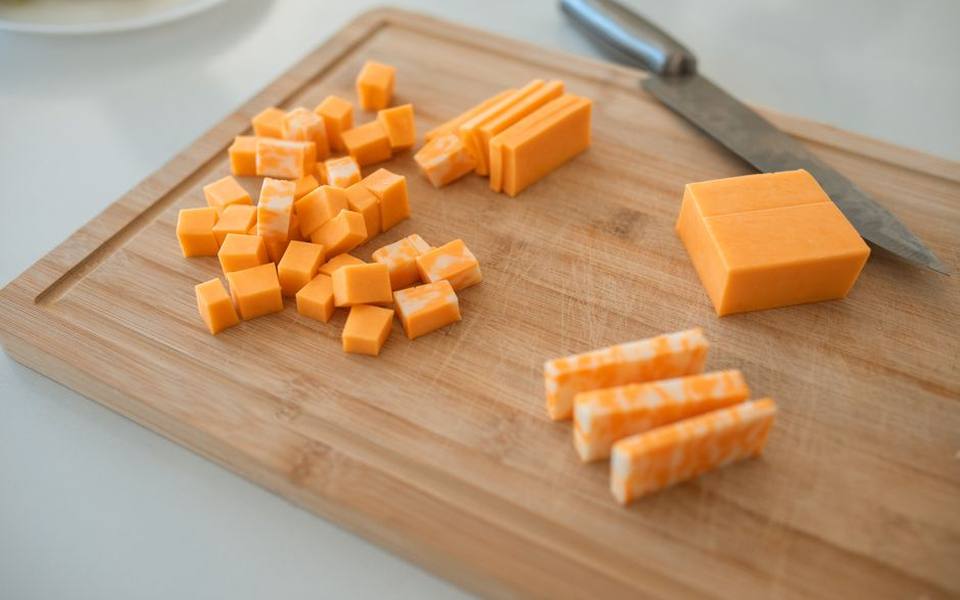
Aged cheddar serves as a benchmark cabernet sauvignon and cheese combination. A sharp, clothbound cheddar aged twelve to eighteen months provides abundant butterfat to coat the palate, while natural tyrosine crystals deliver satisfying crunch. The savory, nutty bite of mature cheddar slices through dark berry fruit, creating a balanced, luxurious sensation. Aged Gouda offers another exceptional match, providing caramel and toasted nut notes that soften the wine's structured tannins.
Other dependable options include firm varieties like aged Manchego, Pecorino, and mature Comte. These cheeses contribute savory depth that echoes the cedar and tobacco notes often present in well-made red wine. When serving a cheese board with full reds, avoid overly pungent blue cheeses unless the wine has substantial bottle age, as high salt and assertive mold can make younger red wines taste unpleasantly bitter.
Crisp White Wine That Pairs with Chicken
Chicken functions as a culinary blank slate, meaning the preparation method, spices, and pan sauce dictate your wine choice far more than the meat itself. When considering white wine that pairs with chicken, crisp and medium-bodied options are natural partners for everyday roasted, pan-seared, or grilled cutlets. A classic roast chicken seasoned with garlic, butter, and thyme thrives alongside an oaked or lightly oaked Chardonnay, which mirrors the rich butteriness of the skin while maintaining balanced acidity.
For poultry dishes prepared with citrus marinades, briny capers, or green herbs, reach for bottles with pronounced acidity. A zesty Sauvignon Blanc, Pinot Grigio, or dry Riesling pairs cleanly with chicken piccata, lemon herb breasts, or grilled chicken skewers. The crisp citrus profile in these wines brightens pan juices without overpowering delicate white meat. If you are serving cold chicken salad with green apples and celery, an un-oaked white maintains a refreshing, light profile.
Heavier cream preparations, including chicken Alfredo or traditional chicken pot pie, require wines that deliver both weight and crispness. A rounded Chenin Blanc or a fuller white Rhone blend cuts through cream and pastry without thinning out the dish's comforting texture. The goal is matching the weight of your sauce so the liquid feels substantial while cleansing the palate between bites of tender poultry.
Red Wine Pairing Options for Chicken Entrees
Many home cooks assume chicken must always be served alongside white wine, but a red wine pairing with chicken is equally rewarding with dark meat cuts and slow-cooked recipes. Chicken thighs, drumsticks, and bone-in braises carry more fat and richer flavor than lean breasts, making them natural companions for light-to-medium-bodied reds. The key is avoiding high-tannin bottles that overwhelm tender poultry, focusing instead on pours with ripe fruit and gentle structure.
Comforting dishes like coq au vin, chicken cacciatore, or skillet chicken with wild mushrooms and rosemary call directly for lighter red pours. A delicate Pinot Noir, juicy Gamay, or earthy Grenache flatters roasted mushrooms, caramelized garlic, and stewed tomatoes without overshadowing the meat. For grilled barbecue chicken basted in smoky sauce, a fruit-forward Zinfandel provides ripe berry sweetness and subtle pepper notes that match grill char.
When serving tomato-forward chicken dishes, look to high-acid red varieties known for rustic versatility. An Italian Chianti or Barbera offers vibrant acidity that cuts through rich tomato sauce, garlic, and melted mozzarella in chicken parmesan. These wines balance cooked tomato acidity smoothly, demonstrating that with the right sauce and seasoning, red wine can be just as successful with poultry as any white wine on your rack.
Tasting Room Strategies and Flight Explorations
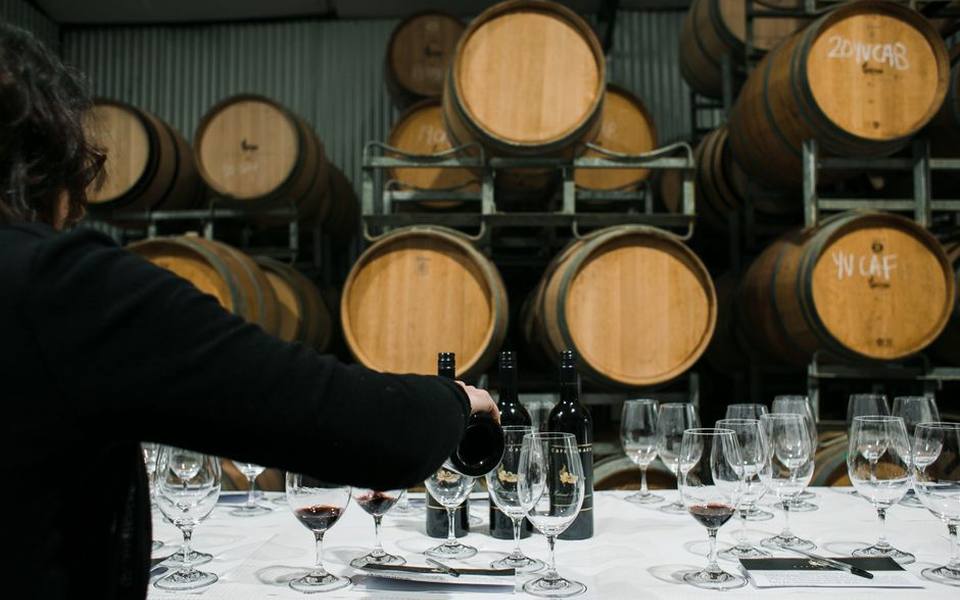
Exploring pairings in person is one of the most effective ways to train your palate, and cellar visits offer practical lessons in how flavor components interact. Many wineries with food on site design seasonal small plates specifically calibrated to elevate their current releases. Tasting a pour on its own and then retasting it immediately after a bite of seasoned charcuterie or local cheese clearly demonstrates how fat softens tannin and salt tempers bitterness.
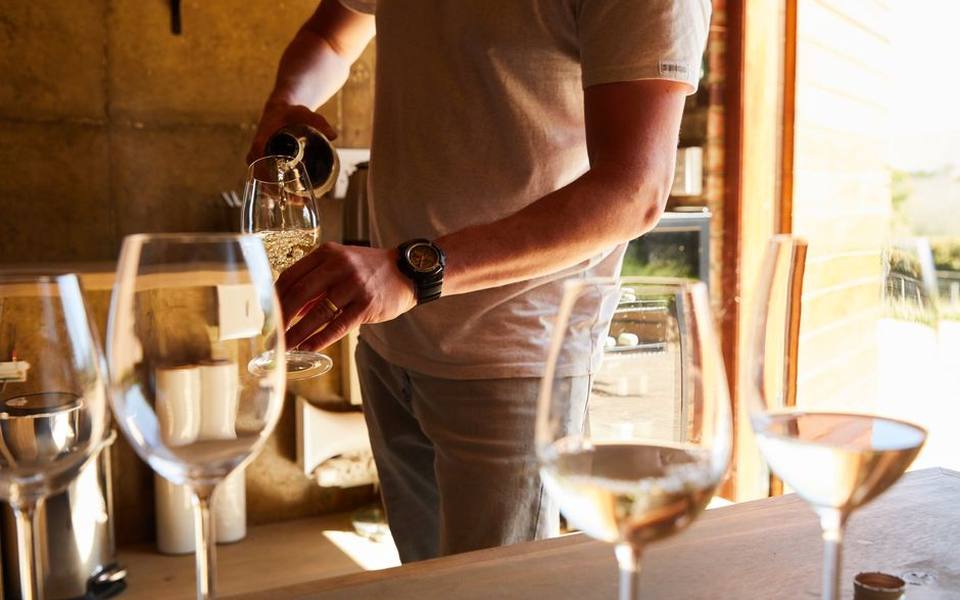
When sampling multiple styles in one stop, ordering wine tasting flights allows you to evaluate how different grapes handle identical snacks. Progressing from crisp whites to structured reds while nibbling on crackers, nuts, and cheeses highlights where harmony occurs and where flavors clash. If you discover an exceptional match, ordering wine by the glass lets you relax and enjoy a full pour alongside an appetizer board at your own pace.
Regions with deep agricultural traditions often showcase these principles through locally sourced menus. For example, touring wineries in California provides firsthand access to structured red wines paired with artisan farmstead cheeses and cured meats produced in neighboring valleys. Observing how tasting room staff construct these pairings gives you concrete inspiration that you can easily replicate at home when entertaining.
Practical Serving Temperatures and Quick Pairing Fixes
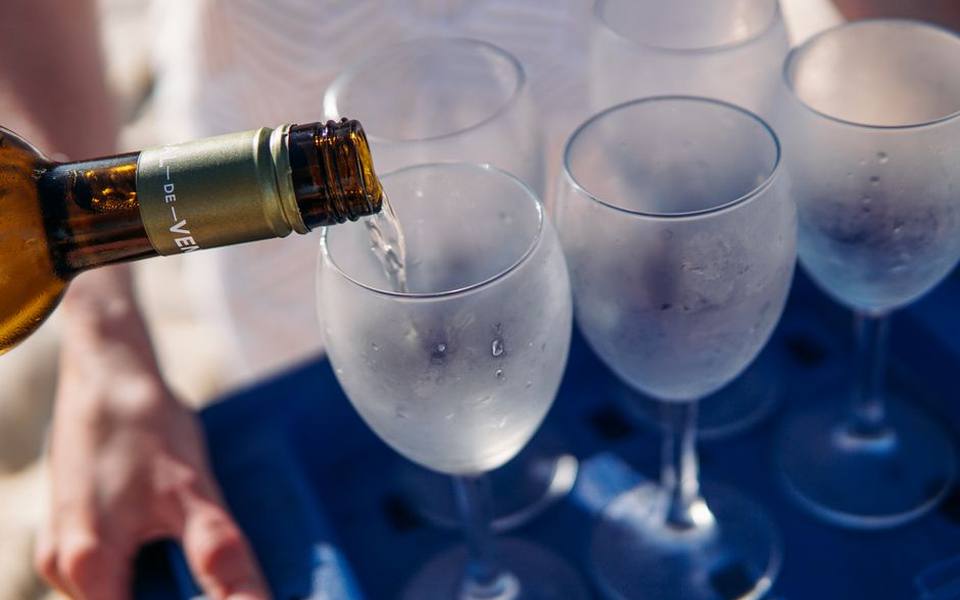
Even well-planned pairings can falter if bottles are served at improper temperatures. Full-bodied reds poured too warm—such as bottles sitting near an active oven or in direct afternoon sunlight—taste hot and alcoholic, obscuring subtle fruit and oak notes. Conversely, white wines served directly from an ice-cold refrigerator mask their aromatic profile and make acidity feel harsh. Serving whites lightly chilled and reds cool to the touch reveals true varietal character and keeps alcohol balanced.
If you sit down to eat and find that your food and wine are clashing, quick adjustments at the table can often rescue the combination. When a red wine feels unpleasantly tannic, astringent, or bitter, adding a pinch of salt or a drop of olive oil to your food instantly softens the wine's structure. Salt suppresses perceived bitterness and accentuates fruit character, restoring harmony without forcing you to pull a cork from a different bottle.
If a wine tastes dull and flat against your dinner, the food likely contains higher acidity than the beverage can support. Squeezing fresh lemon over vegetables or reducing acidic vinaigrettes on side salads immediately corrects this imbalance. Wine pairing is an adjustable culinary relationship rather than a set of rigid demands. By trusting your senses and adjusting seasoning on your plate, you can host memorable meals with complete confidence.
Published 2026-09-21 · reviewed with each rebuild, last September 2026.
Find wineries near you
The directory lists 14,608 wineries by state and city — pick your state or use the “Near me” button in the header.
More guides
-
 Service
How to Become a Sommelier: Career Paths, Tasting Technique, and Practical Service
-
 Service
What to Wear to a Winery: Practical Outfits, Etiquette, and Food Pairings
-
 Owning
The Ultimate Wine and Food Pairing Guide: From Cheese to Desserts
-
 Buying
Understanding Kosher, Organic, and Biodynamic Wines: Production, Storage, and Pairings
-
 Buying
A Guide to Ordering Wine Online and Purchasing Bulk Alcohol for Events
-
 Buying
The Chemistry of Wine Fermentation: Yeast Roles, Malolactic Conversion, and Flavor Balance
-
 Buying
Understanding the Wine Sweetness Scale: From Crisp Dry to Indulgent Sweet
-
 Money
MoneyWine Tasting Costs Explained: What to Expect in Napa Valley and Beyond
-
 Owning
The Ultimate Guide to Charcuterie Boards: Styling, Pairings, and Recipes
-
 Owning
Crystal Wine Glassware Guide: Types, Brands, Care, and Stemless Styles
-
 Buying
Understanding Bold Reds: Dry Wines, Tannin Profiles, and Old Vine Zinfandels
-
 Storage
Choosing the Best Wine Fridge: Sizing, Cooling Zones, and Placement Guide
-
 Buying
Non-Alcoholic Wine Guide: Methods, Profiles, and What to Expect
-
 Buying
Personalized Wine Gifts: Custom Bottles, Engraved Glasses, and Custom Labels
-
 Owning
Essential Wine Accessories: Openers, Preservation Systems, Decanters, and Storage
-
 Buying
White and Rosé Wines: From Crisp Whites to Dry Rosés and Late Harvest Riesling
-
 Buying
Food and Wine Pairing Guide: Salmon, Turkey, Ham, Lamb, and Lasagna
-
 Buying
Large Format Wine Bottles: Magnums, Jeroboams, and Champagne Sizes Explained
-
 Service
Farm Wineries, Agritourism, and Sustainable Vineyard Experiences Across America
-
 Buying
Specialty Wines, Modern Cellar Styles, and Buying Smart Online
-
 Owning
Planning Memorable Vineyard Visits, Historic Estates, and Tasting Room Escapes
-
 Buying
Sweet and Refreshing White Wines: A Guide to Styles, Grapes, and Tasting Profiles
-
 Service
Cooking with Wine and the Practical Art of Culinary Pairings
-
 Owning
Luxury Glassware and Crystal Stemware: A Guide to Vintage Patterns, Modern Makers, and Care
-
 Storage
Modern Wine Refrigerators and Coolers: Sizing, Placement, and Everyday Performance
-
 Service
Winery & Vineyard Weddings: Venues, Planning, and Event Etiquette
-
 Owning
Electric Wine Openers, Vacuum Stoppers, and Preservation Systems: A Complete Guide
-
 Safety
Traveling with Wine: Suitcases, Luggage Bags, and Airline Rules
-
 Buying
Red Wine Varietals Explained: Malbec, Cabernet, Merlot, and Zinfandel
-
 Owning
Artisan Charcuterie Boards and Wine Party Snack Styling Guide
-
 Buying
Finding and Repurposing Used Oak Wine Barrels for Home and Garden
-
 Buying
Garlic Infused and Extra Virgin Olive Oils: Flavors, Brands, and Culinary Uses
-
 Buying
US Wine Trails and Estate Wineries: Scenic Routes and Destination Guide
-
 Buying
Crystal Wine Glasses, Fine Stemware, and Barware Accessories Guide
-
 Service
The Complete Guide to Winery Visits: Tastings, Vineyard Tours, and Visitor Experiences
-
 Owning
Pairing Wine with Charcuterie, Cheeses, and Seasonal Dinners
-
 Buying
Wine Glassware, Decanters, and Accessories Buyer Guide
-
 Storage
Home Wine Storage, Refrigeration, and Cellar Inventory Guide
-
 Buying
Winery Tours, Tasting Room Experiences, and Vineyard Weddings