How Glassware Construction Alters Your Wine Tasting Experience
The shape, thickness, and build quality of a wine glass directly dictate how aromas concentrate and where liquid lands on your palate. Standard commercial soda-lime glass features rolled rims that feel thick against the lips, often disrupting the flow of delicate liquids. In contrast, modern manufacturing emphasizes seamless glasses where the bowl and stem flow together without a rough joint, delivering structural balance and an unobstructed sensory presentation for light whites and structured reds alike.
Choosing the right vessel begins with understanding how bowl volume regulates oxygen contact. Wider bowls allow high-tannin reds to breathe rapidly, softening alcohol heat and opening complex tertiary aromas, whereas narrower, tapered apertures funnel fragile floral notes directly toward your nose. When exploring regional styles, whether sampling cellar pours or enjoying wine by the glass available at estate tasting bars, notice how glass geometry alters aromatic intensity and perceived acidity.
Weight distribution matters just as much as bowl volume during prolonged tastings. A pulled stem provides a natural pivot point, keeping body heat from transferring from your fingers to the chilled liquid inside the bowl. When selecting your core home set, prioritize a design that feels balanced when filled to its widest diameter, ensuring you can swirl comfortably without sloshing wine over the rim.
Crystal Formulations and the Rise of Durable Everyday Stems
Traditional lead crystal provides brilliant light refraction and substantial heft, but lead oxide has largely been replaced in modern production by safer metal oxides like barium, zinc, and titanium. A prominent example is Schott Zwiesel crystal glass, which incorporates titanium oxide and zirconium to produce Tritan crystal. This proprietary formula significantly reduces micro-fracturing along the rim and stem, offering dishwasher-safe resilience without sacrificing the thin, laser-cut rim profile connoisseurs expect.
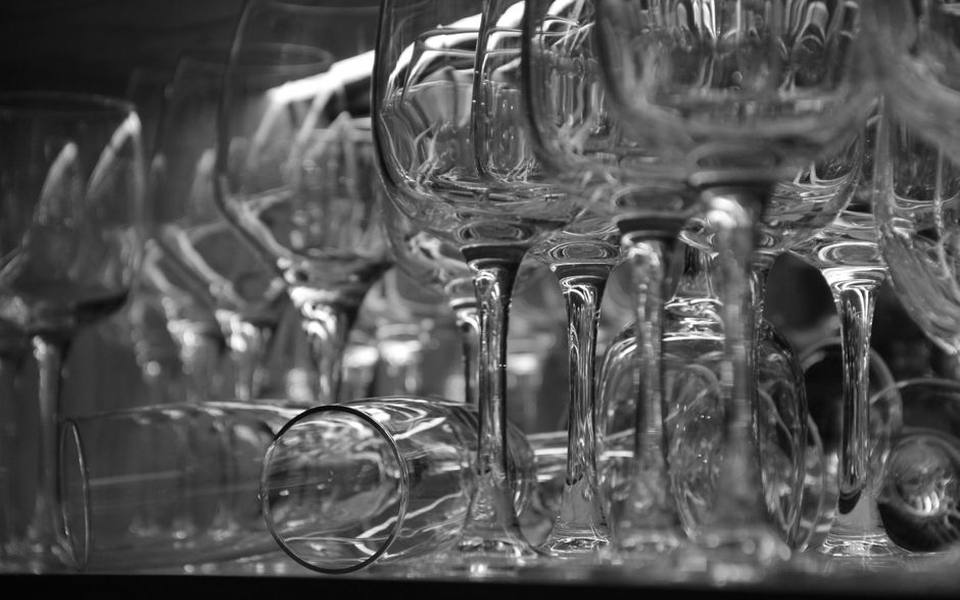
For daily household use, lead-free crystal strikes the optimal balance between acoustic resonance, high optical clarity, and mechanical toughness. Standard machine-blown crystal pieces can endure hundreds of wash cycles without hazing, provided your detergent is mild and water hardness is balanced. Cheaper soda glass tends to etch and cloud over time, making engineered crystal stemware a better long-term investment for frequent wine drinkers.
When shopping for everyday collections, examine the base diameter and the junction where the stem meets the foot. A wide foot prevents accidental tipping on granite countertops, while a smooth transition from stem to foot eliminates tension points where breaks frequently occur. Modern crystal lines offer the featherweight elegance of classic artisan glass while surviving the minor clinks of busy kitchen prep.
Heritage Entertaining and Formal Dining Goblets
Formal dining tables often call for glassware that balances functional tasting geometry with decorative table presence. Collections like Lenox stemware represent an enduring American tradition of formal entertaining, pairing classical profiles with gold or platinum rim bands, intricate cutting, and sturdy stems. These pieces are engineered to anchor celebratory holiday meals where aesthetic coordination with china and flatware takes precedence over analytical varietal tasting.
While ornate, banded stemware elevates the visual weight of a dinner table, it requires specific maintenance protocols. Metallic banding and hand-applied lusters must never enter an automatic dishwasher, as harsh alkaline detergents and heat cycles will strip the metallic leaf within a few cycles. Hand washing with lukewarm water and drying immediately with a lint-free cloth prevents water spots from settling near intricate cuts.
If you regularly entertain with classic multi-course dinners, consider keeping a dedicated twelve-piece set of formal stemware alongside your daily tasting glasses. The thicker walls of traditional formal goblets maintain cellar temperatures slightly longer at warm dinner parties, giving white wines ample thermal buffer during prolonged dinner conversations.
Hand-Blown Profiles and Modern Direct-to-Consumer Glassware
In recent years, direct-to-consumer glassware brands have reshaped consumer expectations by offering artisan aesthetics at accessible price tiers. Boutique offerings like Luna and Mantha wine glasses feature ultra-thin, hand-blown silhouettes with flat bases and expansive angular bowls that mimic high-end Austrian luxury stemware. These lightweight pieces focus on minimal glass-to-lip interference, making wine feel weightless as it enters the mouth.
Hand-blown glass feels dramatically lighter than machine-made alternatives, often weighing under one hundred grams per glass. However, extreme thinness requires confident handling and disciplined care. Rinsing hand-blown stems requires holding the glass strictly by the bowl rather than the base, as twisting the base against the bowl is the primary cause of stem fractures during washing.
Enthusiasts who participate in educational tastings or sample wine tasting flights available across different growing valleys often gravitate toward these modern angular stems. The sharp angle of the lower bowl acts as an exact measure marker for standard tasting pours, giving you an immediate visual cue for proper swirling volume.
Sparkling Wine Service, Flutes, and Commemorative Glassware
Serving sparkling wine involves a delicate balance between preserving energetic effervescence and allowing complex yeast autolysis aromas to express themselves. Classic gift collections, such as Oleg Cassini champagne flutes, incorporate crystal gem accents, sculpted metal pedestals, or faceted bases designed specifically to highlight toast traditions at weddings and anniversaries. These flutes serve as enduring keepsakes while maintaining a steady vertical stream of carbon dioxide bubbles.
Similarly, monogrammed champagne glasses remain a standard choice for wedding parties, formal banquets, and retirement gifts. Laser etching and sandblasting create permanent frosted patterns on the crystal surface without weakening the structural integrity of the wall. When ordering custom etched stems, verify whether the interior base contains a laser nucleation point, which encourages a continuous, hypnotic bead of rising bubbles.
While narrow flutes keep sparkling wine cold and retain lively effervescence for long toasts, serious Champagne lovers often pour vintage sparkling wine into tulip-shaped glasses. A wider midsection gives complex sparkling wines room to release aromas of brioche, toasted almond, and orchard fruit that stay trapped inside ultra-slender columnar flutes.
Haute Crystal Flutes and Collector Barware
At the pinnacle of luxury barware, crystal pieces function as sculptural artwork and heirloom investments. An elite Lalique champagne flute showcases the master glassmaker's signature juxtaposition of satin-finished frosted crystal against polished transparent glass, often featuring bas-relief carvings of natural motifs. These pieces are cast using ancient lost-wax or heavy metal mold methods, producing tactile pieces that command attention in curated display cabinets.
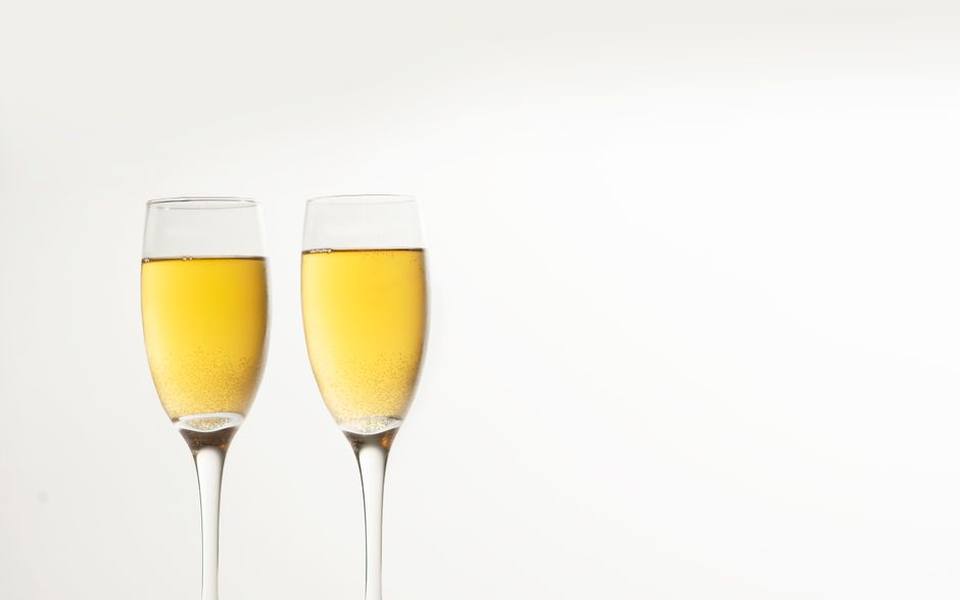
Collector-grade French crystal features a higher mineral density, resulting in noticeable heft, brilliant prismatic refraction, and a silky smooth finish that resists surface scratching. Such artisan barware is rarely intended for high-turnover casual gatherings; instead, collectors bring it out for milestone celebrations, pouring prestigious cuvees that match the grandeur of the glass.
Maintaining collector stemware demands archival care. Never expose heavy decorative crystal to rapid temperature shifts, such as pouring ice-cold sparkling wine into a glass freshly washed in hot water, as thermal shock can cause spontaneous fractures. Store these collector stems upright in climate-stable, enclosed cabinets away from direct sunlight.
Decanters, Aeration Dynamics, and Luxury Vessels
Decanting serves two distinct functional purposes: separating mature wine from bitter bottle sediment and aerating youthful, tightly wound vintages. When shopping for decanters, look at the base diameter; a broad ships decanter provides maximum liquid surface area, accelerating evaporation of volatile sulfur compounds. For added dining splendor, luxury collectors frequently seek a Swarovski crystal decanter, where precision-cut crystal accents embellish the neck or stopper, catching ambient dining light during evening service.
When choosing between hand-blown minimalist carafes and ornate decorative vessels, consider pouring ergonomics and cleaning logistics. A decanter with an angled, fire-polished spout prevents messy drips down the vessel flank that can stain fine linens. Cleaning beads made of stainless steel are essential for removing dried tannins from wide, bulbous bottoms where regular bottle brushes cannot reach.
If your travels include participating in structured cellaring classes or guided tours through historic wine estates, you will observe that young, bold red wines typically benefit from one to two hours in a wide decanter, whereas delicate older vintages should be decanted just minutes prior to serving to prevent fragile aromatics from oxidizing prematurely.
Portable and Insulated Drinkware for Outdoor Living
Enjoying wine outdoors introduces hazards that fragile crystal stems cannot survive, including poolside stone surfaces, boat decks, and uneven picnic lawns. Insulated stainless steel drinkware has emerged as the premier solution, with options like the Swig wine cup leading consumer preference. Built with double-wall vacuum insulation and copper linings, these vessels maintain white wine cellar temperatures for hours under scorching midday sun.
Unlike old-fashioned plastic tumblers that absorb lingering aromas and develop microscopic scratches from washing, food-grade 18/8 stainless steel does not retain odors or impart metallic flavors when properly passivated. Tritan push-seal lids equipped with silicone gaskets prevent outdoor spills, while powder-coated exteriors offer a tactile grip that prevents condensation from forming on humid afternoons.
These durable cups are ideal companions when packing an alfresco meal or spending a sunny weekend visiting regional estates with scenic outdoor seating. They provide the peace of mind needed to relax without worrying about broken shards around patio tables, pets, or outdoor garden paths.
Mechanical Vacuum Pumps and Daily Wine Preservation
Opening a quality bottle does not mean you must consume every drop in a single sitting, making practical preservation tools essential for the home bar. Mechanical vacuum systems, such as the widely used Houdini wine preserver, rely on manual suction pumps paired with reusable rubber check valves. By pumping ambient air out of the bottle headspace, these devices lower oxygen partial pressure, slowing the chemical oxidation that turns vibrant fruit flavors flat and vinegary.
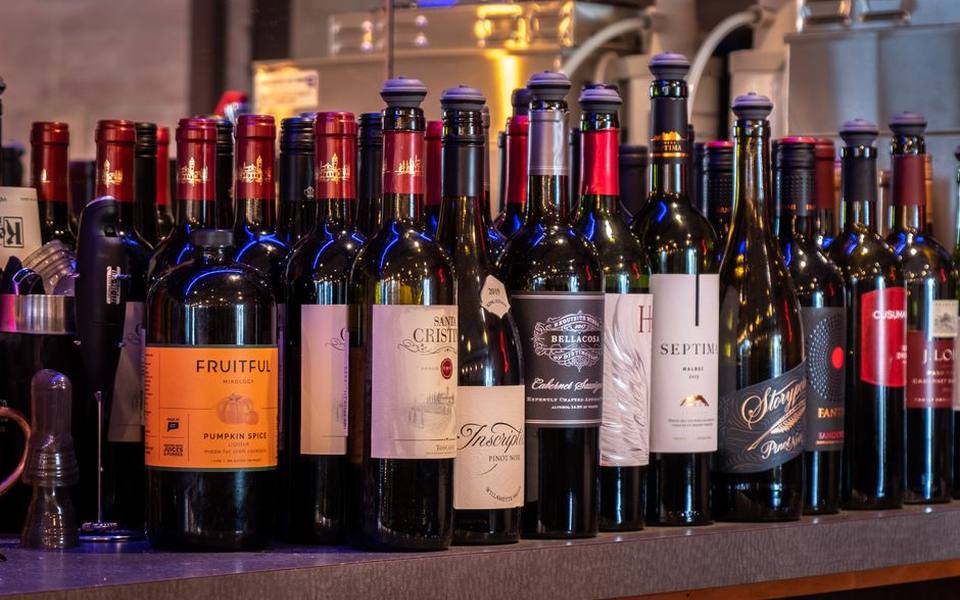
The effectiveness of this system relies on the tight seal created by the Houdini wine preserver stopper, which seats firmly inside the bottle neck. When the hand pump is engaged over the stopper valve, you feel physical resistance or hear an audible click signaling that an effective partial vacuum has been pulled inside the bottle. Once sealed, always store the evacuated bottle standing upright in the refrigerator to further slow molecular oxidation.
It is important to maintain realistic expectations regarding mechanical vacuum systems. A manual pump removes roughly sixty to seventy percent of ambient headspace air, but cannot remove dissolved oxygen already suspended in the wine during pouring. Consequently, a vacuum-sealed bottle retains fresh varietal character for two to three days, making it an inexpensive, practical solution for weeknight table wines.
Physical Barrier and Floating Disc Preservation Systems
An alternative approach to vacuum pumps relies on simple fluid mechanics rather than air evacuation. The Savino wine preserver utilizes a high-grade glass carafe fitted with a floating internal disc that rests directly on the surface of the liquid. As you pour wine into the carafe, the float rises, creating a continuous physical barrier between the wine and the ambient air in the chamber above, dramatically reducing oxygen absorption.
This floating barrier system eliminates the mechanical fatigue and leaking rubber gaskets common to handheld pump units. Because the carafe is engineered from durable borosilicate glass, it transitions seamlessly from kitchen storage to formal dinner tables without looking like an industrial gadget. When you are ready to pour a second glass, the precision-angled lip allows liquid to flow past the float without dislodging the seal.
Floating barrier carafes perform exceptionally well for everyday table wines consumed over three to four days. Because there are no pressurized gas canisters to replace or vacuum gaskets to lose, this method represents a sustainable, zero-waste preservation alternative for casual wine lovers who want simple preservation without ongoing supply purchases.
Glassware Care, Washing Best Practices, and Storage Rules
Caring for fine stemware requires thoughtful handling to prevent cloudy water filming, chips, and micro-fractures. If using a modern dishwasher, ensure glasses are secured in stemware racks with sufficient clearance between bowls, and always select a dedicated low-heat crystal cycle. If washing by hand, avoid holding the foot while rotating the bowl, as torque applied across the stem is the number one cause of stemware failure.
Always wash wine glasses with unscented, gentle dish soap to avoid residual fragrance oils that cling to porous crystal surfaces and ruin the bouquet of your next pour. Dry and polish your stemware using oversized microfiber or linen polishing towels, holding the bowl in one hand while gently buffing the rim and base with the other.
Store your clean stemware upright in an enclosed, dust-free cabinet away from cooking grease and stove fumes. Storing glasses rim-down on shelf liners concentrates trapped cabinet odors inside the bowl and puts steady downward pressure on fragile rims. Well-cared-for glassware will preserve its brilliant clarity, ring tone, and pristine tasting performance for decades of home entertaining.
Published 2026-09-21 · reviewed with each rebuild, last September 2026.
Find wineries near you
The directory lists 14,608 wineries by state and city — pick your state or use the “Near me” button in the header.
More guides
-
 Service
How to Become a Sommelier: Career Paths, Tasting Technique, and Practical Service
-
 Service
What to Wear to a Winery: Practical Outfits, Etiquette, and Food Pairings
-
 Owning
The Ultimate Wine and Food Pairing Guide: From Cheese to Desserts
-
 Buying
Understanding Kosher, Organic, and Biodynamic Wines: Production, Storage, and Pairings
-
 Buying
A Guide to Ordering Wine Online and Purchasing Bulk Alcohol for Events
-
 Buying
The Chemistry of Wine Fermentation: Yeast Roles, Malolactic Conversion, and Flavor Balance
-
 Buying
Understanding the Wine Sweetness Scale: From Crisp Dry to Indulgent Sweet
-
 Money
MoneyWine Tasting Costs Explained: What to Expect in Napa Valley and Beyond
-
 Owning
The Ultimate Guide to Charcuterie Boards: Styling, Pairings, and Recipes
-
 Owning
Crystal Wine Glassware Guide: Types, Brands, Care, and Stemless Styles
-
 Buying
Understanding Bold Reds: Dry Wines, Tannin Profiles, and Old Vine Zinfandels
-
 Storage
Choosing the Best Wine Fridge: Sizing, Cooling Zones, and Placement Guide
-
 Buying
Non-Alcoholic Wine Guide: Methods, Profiles, and What to Expect
-
 Buying
Personalized Wine Gifts: Custom Bottles, Engraved Glasses, and Custom Labels
-
 Owning
Essential Wine Accessories: Openers, Preservation Systems, Decanters, and Storage
-
 Buying
White and Rosé Wines: From Crisp Whites to Dry Rosés and Late Harvest Riesling
-
 Buying
Food and Wine Pairing Guide: Salmon, Turkey, Ham, Lamb, and Lasagna
-
 Buying
Large Format Wine Bottles: Magnums, Jeroboams, and Champagne Sizes Explained
-
 Service
Farm Wineries, Agritourism, and Sustainable Vineyard Experiences Across America
-
 Owning
Wine and Food Pairing Guide: Charcuterie Boards, Cheeses, and Dinner Courses
-
 Buying
Specialty Wines, Modern Cellar Styles, and Buying Smart Online
-
 Owning
Planning Memorable Vineyard Visits, Historic Estates, and Tasting Room Escapes
-
 Buying
Sweet and Refreshing White Wines: A Guide to Styles, Grapes, and Tasting Profiles
-
 Service
Cooking with Wine and the Practical Art of Culinary Pairings
-
 Owning
Luxury Glassware and Crystal Stemware: A Guide to Vintage Patterns, Modern Makers, and Care
-
 Storage
Modern Wine Refrigerators and Coolers: Sizing, Placement, and Everyday Performance
-
 Service
Winery & Vineyard Weddings: Venues, Planning, and Event Etiquette
-
 Owning
Electric Wine Openers, Vacuum Stoppers, and Preservation Systems: A Complete Guide
-
 Safety
Traveling with Wine: Suitcases, Luggage Bags, and Airline Rules
-
 Buying
Red Wine Varietals Explained: Malbec, Cabernet, Merlot, and Zinfandel
-
 Owning
Artisan Charcuterie Boards and Wine Party Snack Styling Guide
-
 Buying
Finding and Repurposing Used Oak Wine Barrels for Home and Garden
-
 Buying
Garlic Infused and Extra Virgin Olive Oils: Flavors, Brands, and Culinary Uses
-
 Buying
US Wine Trails and Estate Wineries: Scenic Routes and Destination Guide
-
 Buying
Crystal Wine Glasses, Fine Stemware, and Barware Accessories Guide
-
 Service
The Complete Guide to Winery Visits: Tastings, Vineyard Tours, and Visitor Experiences
-
 Owning
Pairing Wine with Charcuterie, Cheeses, and Seasonal Dinners
-
 Storage
Home Wine Storage, Refrigeration, and Cellar Inventory Guide
-
 Buying
Winery Tours, Tasting Room Experiences, and Vineyard Weddings