Airline Regulations for Packing Wine in Checked Baggage
Transporting wine on commercial flights requires placing all full-sized bottles into checked baggage, as airport security checkpoints strictly prohibit containers of liquid larger than 3.4 ounces in carry-on bags. Federal aviation guidelines allow travelers to pack an unlimited amount of wine in checked luggage for personal consumption as long as the alcohol by volume remains below 24 percent, which covers virtually every standard dry, sweet, and sparkling wine. Bottles containing between 24 and 70 percent alcohol typically face a limit of five liters per passenger, while spirits exceeding 70 percent are entirely forbidden on passenger aircraft.
While federal security agencies set the baseline rules, individual airlines maintain their own luggage policies, checked bag fees, and weight restrictions that can affect your travel plans. Most major domestic carriers allow checked bags weighing up to 50 pounds before assessing heavy surcharge fees, which directly impacts how many bottles you can transport in a single piece of luggage. If you are flying home after exploring diverse wineries in California, you must plan your luggage weight carefully to avoid unexpected airport surcharges at the check-in counter.
International travel introduces customs declarations and potential excise taxes that vary depending on your arrival destination and residency status. Entering the United States typically permits one liter of alcohol duty-free per adult traveler, though customs agents often allow additional bottles for personal use provided you declare them honestly and pay minor applicable duties. Failing to declare wine at customs can lead to confiscation, substantial fines, and delays, so carrying purchase receipts directly inside your travel folder keeps the re-entry process straightforward and transparent.
Specialty Wine Suitcases and Dedicated Hard-Shell Carriers
A purpose-built wine travel suitcase offers the highest level of mechanical protection for rare, expensive, or sentimental bottles acquired during vineyard visits. These specialized suitcases feature impact-resistant outer shells molded from polycarbonate or high-density polymers, engineered specifically to absorb the blunt force of airport baggage belts and manual handling. Inside, dense closed-cell foam inserts cradle each bottle individually, isolating the glass from exterior shocks and preventing adjacent bottles from clattering together during turbulence or transit.
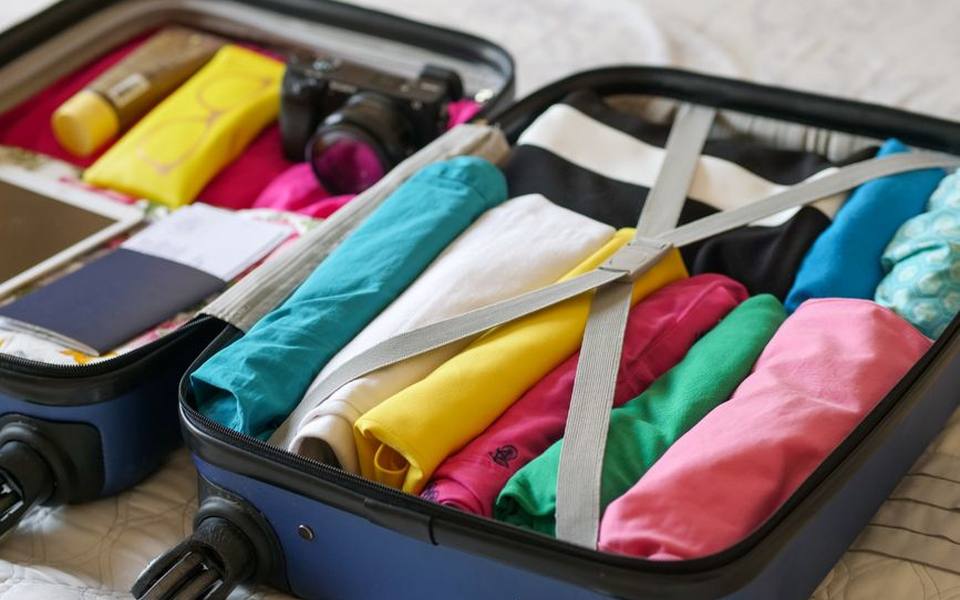
Dedicated wine travel luggage typically comes configured to hold either eight or twelve standard 750-milliliter bottles, providing balanced distribution across multi-directional spinner wheels. High-end models often utilize custom-molded cavity modules designed to fit varying shapes, including slender Riesling bottles, wide-bodied Pinot Noir vessels, and oversized sparkling wine formats. Because the foam interior locks each bottle firmly along its entire length, neck breakage and glass-to-glass friction are virtually eliminated even if the case is dropped or inverted.
Investing in specialty wine luggage makes the most sense for collectors and frequent travelers who regularly transport full or half cases from wine country back home. The robust shell acts as a physical barrier against puncture hazards from other luggage in the cargo hold, while integrated heavy-duty zippers and TSA-approved locks keep the contents secure throughout multi-leg flights. Although these suitcases represent a dedicated equipment purchase, the peace of mind they provide when carrying age-worthy vintages is difficult to match with conventional bags.
Modular Inserts and Hybrid Travel Luggage
Travelers who do not wish to dedicate an entire piece of luggage exclusively to wine often rely on modular travel suitcases with removable foam systems. These versatile cases allow you to remove half of the internal foam modules, creating space for clothing, shoes, and toiletries on one side while safely locking three to six bottles into the remaining protected compartments. This hybrid configuration provides practical flexibility for weekend trips or casual touring where you anticipate purchasing only a few select bottles.
The modular inserts in these cases are constructed from pre-shaped, high-density polyethylene foam that resists moisture and retains its structural rebound over years of repetitive use. When you return home from your journey, the foam blocks can be lifted out entirely, converting the piece into standard rolling luggage for conventional business or family travel. This dual-purpose utility helps justify the initial cost for travelers who visit wine regions only once or twice per calendar year.
Packing a hybrid suitcase requires mindful weight distribution to ensure the bag rolls smoothly and does not tip over when left standing upright. Always position the heavier wine inserts along the bottom half of the suitcase, closest to the wheels, with your lighter personal apparel packed in the upper sections. This low center of gravity prevents excessive strain on the telescoping handle and keeps the suitcase stable when navigating busy airport terminals and train stations.
Protective Sleeves and Bottle Bags for Standard Suitcases
If you prefer not to purchase dedicated luggage, individual protective sleeves provide an affordable and reliable way to pack wine inside standard checked bags. The most dependable options feature thick bubble-wrap interior pockets encased in durable vinyl sleeves with double-zipper seals and fold-over hook-and-loop closures. These sleeves protect the glass from low-to-moderate impacts while guaranteeing that any accidental leakage remains contained entirely inside the sealed pouch without ruining your packed clothing.
Another popular alternative is inflatable air-column packaging, which consists of tubular plastic sleeves inflated with a hand pump immediately before packing. These cushions create a rigid suspension barrier around the bottle that absorbs heavy shocks far more effectively than traditional newspaper or loosely wrapped sweaters. They pack completely flat in your carry-on during your outbound journey, taking up virtually zero space until you are ready to secure your bottle purchases for the return flight.
Neoprene wraps and single-bottle travel bags offer mild cushioning and slight thermal resistance, though they lack the leak-proof containment of vinyl sleeves. If you use neoprene or cloth pouches, always place each wrapped bottle inside an airtight, heavy-duty plastic freezer bag as an essential secondary barrier. Never rely on rolled clothing alone to protect wine, as standard fabric compresses under pressure and offers zero containment if a cork loosens or glass fractures in transit.
Insulated Totes for Regional Travel and Tastings
An insulated wine tote serves as an essential tool for day trips, driving vacations, and visits to regional tasting rooms where flight regulations do not apply. These soft-sided carriers feature thick thermal foam lining wrapped in wipe-clean water-resistant fabric, designed to keep bottles cool when moving between stops. Whether you are spending the afternoon exploring scenic wineries in Oregon or driving across local valleys, a thermal tote shields delicate bottles from sudden ambient temperature spikes.
Most quality insulated totes feature padded internal dividers that prevent glass bottles from bumping against one another while you walk or drive. Removable hook-and-loop dividers offer added utility, allowing you to reconfigure the tote to hold a mix of wine bottles, chilled water, cheese wedges, and reusable ice packs. Carrying handles and adjustable shoulder straps make these carriers easy to transport across gravel parking lots and vineyard pathways during busy weekend tasting excursions.
While insulated totes excel at short-term thermal moderation, they are not designed for checked airline luggage due to their flexible exterior and soft structure. Use them strictly as car travel bags, cabin carry-ons for road trips, or convenient picnic totes when visiting regional producers. If you plan to attend casual afternoons featuring wineries with tastings, keeping an insulated tote in your vehicle ensures your newly purchased bottles stay protected while you finish your itinerary.
Managing Airline Weight Limits and Baggage Fees
Managing luggage weight is the most critical logistical challenge when flying home with multiple bottles of wine in checked baggage. A standard 750-milliliter bottle of wine typically weighs between 2.6 and 3.5 pounds, depending largely on the thickness of the glass, bottle geometry, and cork style. Heavy sparkling wine bottles and thick-bottomed reserve bottles can easily reach four pounds each, meaning a full twelve-bottle case of wine often weighs between 35 and 45 pounds before factoring in the suitcase itself.
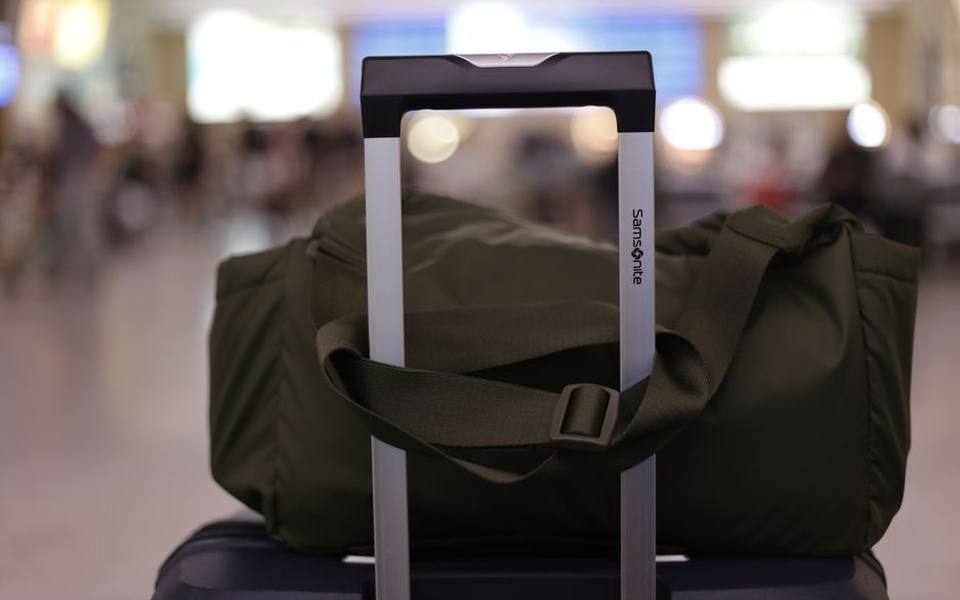
Dedicated wine travel suitcases generally weigh between 10 and 15 pounds when empty due to their reinforced frames, wheels, and protective foam blocks. When fully loaded with twelve standard bottles, the total weight frequently hovers right around the standard domestic checked allowance of 50 pounds. Packing even two unusually heavy bottles can push the scale over the limit, resulting in overweight luggage fees that can exceed the value of the wine inside.
Carrying a compact digital luggage scale in your personal bag eliminates guesswork before arriving at the airport terminal. Weigh your packed wine suitcase on a level surface, and if you find yourself hovering dangerously close to the 50-pound mark, transfer personal items or a bottle into a secondary checked bag. Spreading the load across two separate pieces of luggage is typically far less expensive than paying steep overweight penalties assessed at the airline check-in counter.
Temperature Extremes and Cargo Hold Realities
Commercial aircraft fly at high altitudes where ambient exterior temperatures drop well below freezing, prompting frequent concerns about wine freezing in the cargo compartment. Fortunately, modern commercial passenger airliners utilize pressurized and semi-temperature-regulated cargo holds that generally remain between 40 and 65 degrees Fahrenheit during flight. The primary thermal hazard to wine almost never occurs at cruising altitude, but rather on the ground during loading, unloading, and prolonged tarmac delays.
Luggage sitting on an unshaded airport baggage cart in mid-summer heat can experience rapid internal temperature spikes, leading to wine expansion that forces corks past the capsule. Heat damage strips wine of its fresh fruit character, imparting a dull, cooked aroma and causing premature oxidation. Conversely, regional flights in severe winter conditions can expose bags to prolonged sub-freezing tarmac air, risking hairline fractures along bottle seams as freezing liquid expands within the glass.
Using insulated travel cases or bubble-lined thermal wraps provides a critical buffer against these abrupt ground-level temperature swings. The closed-cell foam used in specialty luggage slows the rate of heat transfer significantly, protecting the liquid inside from short-term exposure to scorching summer asphalt or freezing winter winds. When booking flights with wine, choosing early morning non-stop routes reduces both transfer handling and mid-day tarmac exposure.
Carrying Wine for Picnics and Outdoor Excursions
Experiencing wine outdoors requires gear that balances bottle protection with practical food service and transport convenience. A traditional wine picnic basket crafted from woven willow or rattan provides structured compartments to keep bottles upright alongside glassware, napkins, and cutlery. These classic carriers bring timeless appeal to vineyard lunches, particularly when relaxing on the lawn at picturesque wineries with outdoor seating during pleasant spring and summer afternoons.
Modern wine picnic boxes offer a contemporary, durable alternative to wicker, utilizing rigid molded walls or wooden framing paired with insulated thermal liners. Many dedicated picnic boxes include specialized slots for stemless wine glasses, a corkscrew, and cutting boards, securing everything in a compact, rattle-free package. Unlike standard grocery bags or flimsy boxes, a purpose-built picnic container keeps your glassware safe from accidental impacts while walking along uneven grass or stone patios.
When packing wine for outdoor dining, always separate cold whites or sparkling wines from room-temperature reds using internal thermal dividers. Gel ice packs should be wrapped in cloth towels to prevent direct contact with bottle glass, which can unevenly shock the wine or tear decorative paper labels. Sturdy picnic gear ensures that opening a fresh bottle in an open-air vineyard setting remains as refined and hassle-free as dining in a tasting room.
Road Trip Precautions and Trunk Temperature Control
Transporting wine by automobile presents unique thermal challenges that are often more dangerous to wine quality than commercial airline flights. The trunk of a passenger car parked in direct sunlight can reach temperatures exceeding 130 degrees Fahrenheit within an hour, even on mild days. Leaving newly purchased wine inside a sealed car trunk while you stop for lunch or continue touring local sights will ruin the contents faster than almost any other travel mistake.

When taking road trips through wine country, store your bottles inside the air-conditioned passenger cabin rather than the rear trunk whenever possible. Place wine cases or insulated totes behind the front seats on the floorboards, where vehicle cooling vents provide consistent airflow and direct sunlight through side windows cannot strike the glass. If trunk storage is unavoidable, keep bottles packed tightly inside a thick polystyrene shipping box or a pre-chilled hard-sided ice chest.
Vehicle vibration over long distances can also disturb sediment in mature, older vintages, temporarily throwing the wine out of balance. Securing boxes with cargo nets or packing surrounding space with soft luggage stops cases from sliding during sudden stops and sharp turns. If you are participating in organized regional winery tours, consider asking producers to hold your purchases in their climate-controlled cellars until you are ready to conclude your day of driving.
Unpacking, Bottle Shock, and Cellar Acclimatization
Once you arrive at your final destination, inspect each bottle carefully before placing it into your home storage or wine refrigerator. Check around the foil capsule and cork rim for any sticky signs of wine seepage, which indicates that pressure changes or heat caused the liquid to expand in transit. If a cork has pushed upward slightly against the capsule, consume that bottle within the coming weeks rather than setting it aside for extended aging.
Wine subjected to the persistent vibrations, atmospheric pressure shifts, and movement of travel frequently suffers from a temporary condition known as travel shock or bottle shock. This phenomenon temporarily flattens delicate fruit aromas, highlights astringent tannins, and disrupts the wine's aromatic harmony, making high-quality bottles taste muted or hollow. While bottle shock is completely harmless and reversible, opening a prized bottle immediately upon arriving home often results in an underwhelming tasting experience.
Allow your traveled bottles to rest quietly in a dark, temperature-stable environment before pulling corks for friends or family. For younger everyday table wines, a rest period of a few days is typically sufficient for the liquid to regain balance and aromatic intensity. For older, fragile vintages or unfiltered natural wines, allowing bottles to stand undisturbed for three to four weeks lets dispersed sediment settle cleanly to the bottom while restoring structural equilibrium.
Published 2026-09-21 · reviewed with each rebuild, last September 2026.
Find wineries near you
The directory lists 14,608 wineries by state and city — pick your state or use the “Near me” button in the header.
More guides
-
 Service
How to Become a Sommelier: Career Paths, Tasting Technique, and Practical Service
-
 Service
What to Wear to a Winery: Practical Outfits, Etiquette, and Food Pairings
-
 Owning
The Ultimate Wine and Food Pairing Guide: From Cheese to Desserts
-
 Buying
Understanding Kosher, Organic, and Biodynamic Wines: Production, Storage, and Pairings
-
 Buying
A Guide to Ordering Wine Online and Purchasing Bulk Alcohol for Events
-
 Buying
The Chemistry of Wine Fermentation: Yeast Roles, Malolactic Conversion, and Flavor Balance
-
 Buying
Understanding the Wine Sweetness Scale: From Crisp Dry to Indulgent Sweet
-
 Money
MoneyWine Tasting Costs Explained: What to Expect in Napa Valley and Beyond
-
 Owning
The Ultimate Guide to Charcuterie Boards: Styling, Pairings, and Recipes
-
 Owning
Crystal Wine Glassware Guide: Types, Brands, Care, and Stemless Styles
-
 Buying
Understanding Bold Reds: Dry Wines, Tannin Profiles, and Old Vine Zinfandels
-
 Storage
Choosing the Best Wine Fridge: Sizing, Cooling Zones, and Placement Guide
-
 Buying
Non-Alcoholic Wine Guide: Methods, Profiles, and What to Expect
-
 Buying
Personalized Wine Gifts: Custom Bottles, Engraved Glasses, and Custom Labels
-
 Owning
Essential Wine Accessories: Openers, Preservation Systems, Decanters, and Storage
-
 Buying
White and Rosé Wines: From Crisp Whites to Dry Rosés and Late Harvest Riesling
-
 Buying
Food and Wine Pairing Guide: Salmon, Turkey, Ham, Lamb, and Lasagna
-
 Buying
Large Format Wine Bottles: Magnums, Jeroboams, and Champagne Sizes Explained
-
 Service
Farm Wineries, Agritourism, and Sustainable Vineyard Experiences Across America
-
 Owning
Wine and Food Pairing Guide: Charcuterie Boards, Cheeses, and Dinner Courses
-
 Buying
Specialty Wines, Modern Cellar Styles, and Buying Smart Online
-
 Owning
Planning Memorable Vineyard Visits, Historic Estates, and Tasting Room Escapes
-
 Buying
Sweet and Refreshing White Wines: A Guide to Styles, Grapes, and Tasting Profiles
-
 Service
Cooking with Wine and the Practical Art of Culinary Pairings
-
 Owning
Luxury Glassware and Crystal Stemware: A Guide to Vintage Patterns, Modern Makers, and Care
-
 Storage
Modern Wine Refrigerators and Coolers: Sizing, Placement, and Everyday Performance
-
 Service
Winery & Vineyard Weddings: Venues, Planning, and Event Etiquette
-
 Owning
Electric Wine Openers, Vacuum Stoppers, and Preservation Systems: A Complete Guide
-
 Buying
Red Wine Varietals Explained: Malbec, Cabernet, Merlot, and Zinfandel
-
 Owning
Artisan Charcuterie Boards and Wine Party Snack Styling Guide
-
 Buying
Finding and Repurposing Used Oak Wine Barrels for Home and Garden
-
 Buying
Garlic Infused and Extra Virgin Olive Oils: Flavors, Brands, and Culinary Uses
-
 Buying
US Wine Trails and Estate Wineries: Scenic Routes and Destination Guide
-
 Buying
Crystal Wine Glasses, Fine Stemware, and Barware Accessories Guide
-
 Service
The Complete Guide to Winery Visits: Tastings, Vineyard Tours, and Visitor Experiences
-
 Owning
Pairing Wine with Charcuterie, Cheeses, and Seasonal Dinners
-
 Buying
Wine Glassware, Decanters, and Accessories Buyer Guide
-
 Storage
Home Wine Storage, Refrigeration, and Cellar Inventory Guide
-
 Buying
Winery Tours, Tasting Room Experiences, and Vineyard Weddings