Foundational Rules for Everyday Food and Wine Combinations
Pairing wine with food comes down to balancing weight, acidity, sweetness, and tannin rather than memorizing rigid historical formulas. The primary goal is to ensure neither the dish nor the glass overpowers the other. A delicate poached white fish disappears under an assertive, high-tannin red, while a rich beef stew leaves a crisp, light white tasting thin and sour. Evaluating the dominant element of your meal, which is frequently the cooking sauce or fat content rather than the raw protein alone, gives you the most reliable starting point for choosing an enjoyable bottle.
Acidity in wine functions much like a squeeze of lemon over a hot meal, cutting through heavy oils, melted butter, and creamy textures while cleansing the palate between bites. When serving acidic foods such as vinaigrettes or crushed tomato sauces, your wine must have equal or higher acidity to avoid tasting flat. Meanwhile, sweet glazes or barbecue marinades demand a wine with noticeable fruit-forward characteristics or a bit of residual sugar, because dry, tannic wines often taste bitter when placed alongside sugary elements.
Fat and tannin share an equally essential relationship in classic pairings. High levels of natural fat in red meats coat the tongue and soften the astringent grip of youthful tannins, unlocking deeper fruit flavors in the wine. If you want to experiment with different flavor balances, visiting wineries offering wine tasting flights allows you to evaluate how alternating pours interact with varied savory snacks. Keeping these core interactions in mind makes selecting a bottle far more intuitive for any dinner menu.
Selecting the Best Wines to Go with Salmon
Salmon features an oily, meaty texture that separates it from delicate white fish, meaning it handles medium-bodied reds just as easily as structured whites. The preparation method dictates the direction you should take. A simple pan-seared or grilled salmon fillet with skin crisping in olive oil creates rich, savory flavors that align seamlessly with an earthy, light-to-medium red. The fish contains enough natural oil to absorb moderate tannins, creating a rounded mouthfeel where neither element clashes or dominates.
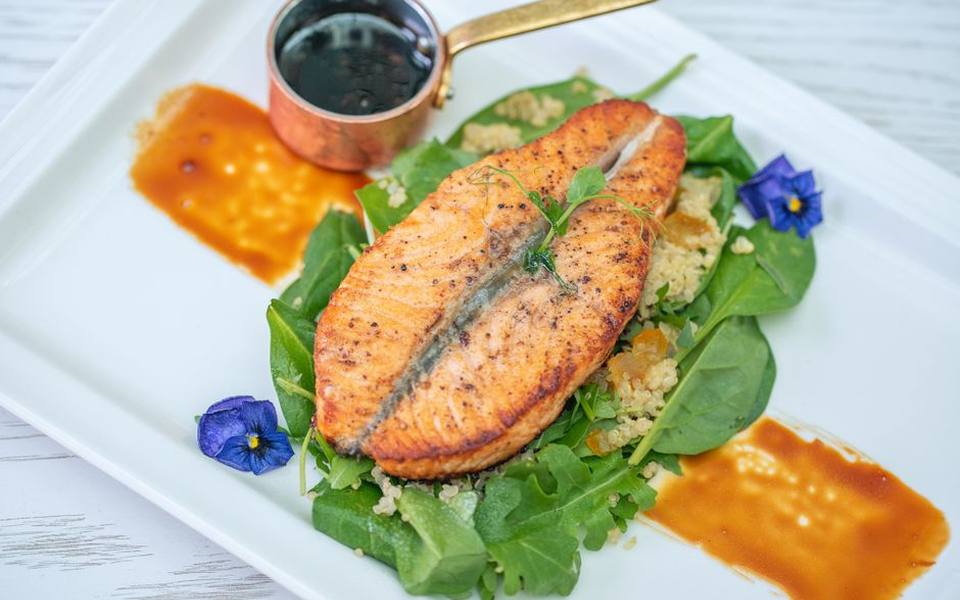
When preparing roasted salmon with butter sauces, lemon dill cream, or hollandaise, a barrel-aged Chardonnay with brisk natural acidity and moderate oak provides an ideal match. The creamy texture of the wine mirrors the sauce, while citrus undertones highlight the clean taste of the fish. If your recipe involves blackened spices, teriyaki glaze, or sweet honey mustard, look toward a dry or off-dry rosé, or an aromatic white like dry Riesling, which handles spice and sweet basting sauces without turning harsh.
Lightly chilled reds offer another classic avenue for rich seafood. Pinot Noir remains the premier benchmark, but Gamay or a cool-climate Grenache also work well when served around cellar temperature. Avoid heavily extracted, high-alcohol reds like young Cabernet Sauvignon or Petite Sirah when cooking salmon, because high tannin levels interact with residual fish oils to produce an unpleasant, metallic aftertaste on the back of the palate.
Mastering the Art of Pinot Noir Wine Pairing
Pinot Noir ranks among the most versatile food wines in the world due to its bright natural acidity, gentle tannins, and red-fruit core. Its translucent ruby appearance disguises an impressive culinary range that transitions smoothly from seafood to game birds and earthy vegetarian fare. Regional variations offer subtle shifts in structure; cool-climate regions produce bottles filled with tart cranberry, cherry, and forest floor, whereas warmer domestic regions generate riper profiles with lush black raspberry, baking spice, and vanilla notes.
A proper Pinot Noir wine pairing frequently highlights earthy components like wild mushrooms, roasted root vegetables, duck breast, and herb-roasted pork loin. The inherent savoriness of the grape echoes woodsy flavors, while the vibrant acidity cleanses richness from poultry skin and pork fat. Winemakers in the Pacific Northwest have long refined this grape's balance, and exploring wineries in Oregon reveals just how well cool-climate viticulture produces bottlings geared specifically toward elegant dinner tables.
Serving temperature plays a critical role in showing off Pinot Noir alongside a meal. Bottles kept too warm tend to show pronounced alcohol that masks delicate red-fruit aromas, while overly chilled bottles can taste astringent and thin. Aim for slightly below room temperature, roughly around sixty degrees, which allows the subtle aromatics of damp leaves, fresh herbs, and tart berries to emerge naturally without interfering with the textures of your dish.
Ideal Wine Styles to Pair with Roast Turkey
Roast turkey presents an interesting challenge because the bird itself is relatively mild, but the traditional meal comes loaded with intense, contrasting side dishes. Between herb-scented stuffing, rich giblet gravy, sweet sweet potatoes, and tart cranberry sauce, a single bottle must balance diverse flavor profiles. Rather than trying to match every side individually, focus on medium-bodied wines featuring vibrant acidity, low-to-moderate oak, and low tannins that will not dry out lean breast meat.
For white wine lovers, a dry or off-dry Chenin Blanc, an aromatic Viognier, or a crisp Sauvignon Blanc with slight texture makes an outstanding choice. These whites provide the energetic acidity needed to slice through heavy mashed potatoes and rich butter sauces, while their stone fruit aromas blend harmoniously with roasted herbs like thyme and sage. Lightly oaked Chardonnay can also anchor the table nicely, especially if your roasting recipe relies heavily on herb butter under the skin.
Red wine enthusiasts can lean comfortably into light and fruity reds with soft tannins. Beaujolais, domestic Gamay, Pinot Noir, and cool-climate Syrah deliver bright red berry fruit that acts like a liquid counterpart to cranberry relish. A spicy Zinfandel with moderate alcohol also handles savory stuffing and dark thigh meat effectively, providing pepper and dark berry notes without overwhelming the tender white meat.
Complementing Sweet and Savory Profiles in Ham
Holiday ham generally falls into two distinct categories: wet-cured spiral cuts coated in brown sugar or maple glazes, and dry-cured country hams marked by intense salt and savory depth. Because salt accentuates alcohol and bitter tannins in wine, heavy dry reds are rarely a comfortable fit. Instead, the high salt content in ham makes it an ideal candidate for wines with pronounced fruit character, moderate acidity, and subtle sweetness to soothe the palate.
A glaze built on honey, pineapple, or brown sugar calls directly for an off-dry German or domestic Riesling. The residual sugar in the wine bridges the sweetness of the caramelized crust, while the piercing natural acidity balances the richness of the pork. Dry Riesling, Gewürztraminer, and Chenin Blanc also perform admirably, offering floral aromatics and stone-fruit flavors that keep every mouthful feeling refreshing rather than cloying.
If you prefer pouring red wine with ham, search for fruit-forward expressions with minimal tannin extraction. A young Pinot Noir, a Spanish Garnacha, or an Italian Barbera provides juicy red cherry notes that complement pork without fighting its curing spices. For a festive and unexpected twist, a sparkling Lambrusco served cold delivers deep red berry notes combined with lively bubbles, slicing through cured fat while matching the savory smoke of the meat.
Bold Reds That Enhance the Richness of Lamb
Lamb possesses an unmistakable, savory richness with distinct herbaceous undertones that make it a premier canvas for full-bodied red wines. The meat contains dense muscle fibers and generous fat deposits, both of which soften firm, drying tannins. Consequently, young, structured red wines that might feel aggressive on their own suddenly open up and display their core fruit when paired with a seared rack of lamb, braised shanks, or roasted leg.
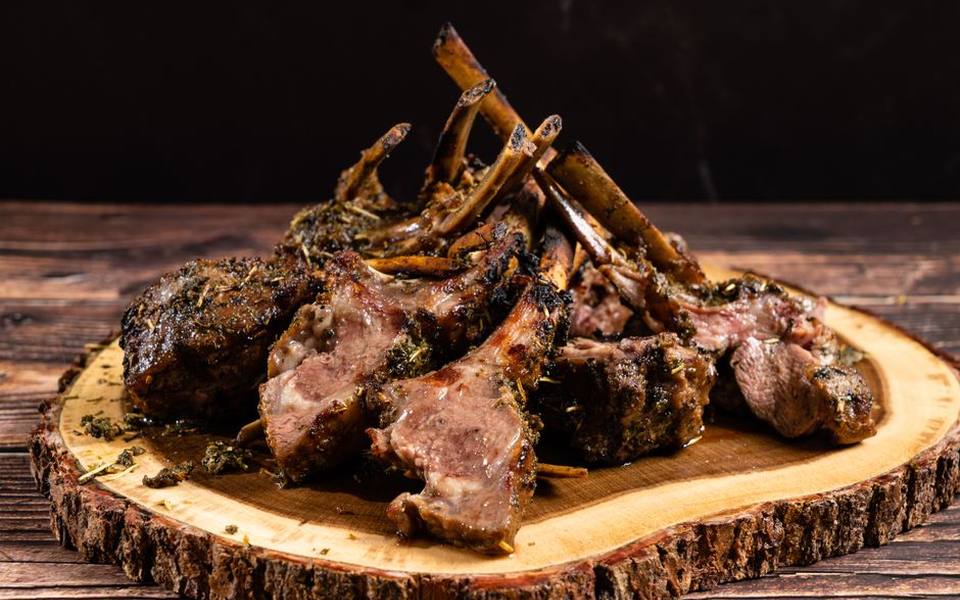
Cabernet Sauvignon and Bordeaux-style red blends serve as the traditional standard for garlic-studded roasted lamb. The high tannin structure in Cabernet binds with meat proteins, while the wine's dark currant and cedar notes enrich the savory crust. Similarly, Syrah and Shiraz offer natural aromas of cracked black pepper, smoked meat, and dried herbs that mirror the gamey character of slow-braised lamb shanks swimming in rosemary-scented jus.
Regional dishes like Mediterranean grilled lamb chops seasoned with oregano and olive oil benefit from medium-to-full-bodied southern European varietals, including Tempranillo, Sangiovese, or Grenache-based blends. Many travelers exploring wineries in California will find domestic Rhone-style blends that carry the right density, spice, and supple structure to elevate charcoal-grilled lamb chops without letting the wood smoke dominate the glass.
What to Pour with Baked Lasagna and Red Sauce Pasta
Baked lasagna is a dense, layered masterpiece combining acidic stewed tomatoes, fatty ground beef or sausage, creamy ricotta, and molten mozzarella. Matching this dish requires a wine that respects both the sharp acidity of the cooked tomatoes and the heavy fat of melted cheeses. If your wine lacks sufficient natural acidity, the tomato sauce will make the wine taste dull, flat, and watery, completely masking any fruit notes it had in the cellar.
Medium-bodied Italian reds and domestic versions of Italian grapes provide the most reliable pairing. Sangiovese, the core grape of Chianti, delivers high acidity, firm tannins, and tart red cherry notes with dried oregano undertones that mirror traditional tomato ragù. Barbera offers another outstanding alternative, boasting deeply pigmented fruit with naturally high acid and remarkably low tannins, which cuts through ricotta cheese without adding drying astringency to the mouth.
Vegetarian lasagna packed with spinach, zucchini, and white bechamel sauce opens up entirely different options. For white-sauce baked pastas, consider a textural white wine such as an Italian Pinot Grigio with lees aging, a dry Soave, or an unoaked Chardonnay. These wines provide sufficient body to carry the creamy cheese layers while retaining a bright, crisp finish that prevents the rich dairy from lingering too heavily on the palate.
The Mechanics Behind Caviar and Champagne
The union of salty sturgeon caviar and dry Champagne represents one of the most celebrated partnerships in culinary history, founded entirely on scientific balance. Caviar leaves an intensely rich, buttery coating on the tongue, accompanied by a sharp burst of marine salinity. Dry sparkling wine, produced using traditional bottle fermentation, features prominent acidity and thousands of fine bubbles that actively scrub the palate clean after every spoonful.
The yeast autolysis that occurs during traditional sparkling wine aging contributes subtle aromas of toasted brioche, biscuit, and roasted nuts. These yeasty complexities blend seamlessly with the nutty, buttery nuances found in high-grade roe. A bone-dry Brut or Extra Brut profile is essential here, because even modest amounts of residual sugar can clash harshly with the briny sea notes of the roe, leading to an unbalanced, metallic finish.
If Champagne exceeds your dinner budget, traditional-method sparkling wines from domestic producers, Spanish Cava, or French Crémant offer the exact same structural benefits. The vital qualities to seek are lively effervescence, zero or very low dosage sweetness, and bright, palate-cleansing citrus acidity. Serving your sparkling pour well-chilled in a tulip glass maintains the bubble stream and concentrates delicate brioche aromas throughout the course.
Learning Pairings in Person at Tasting Rooms
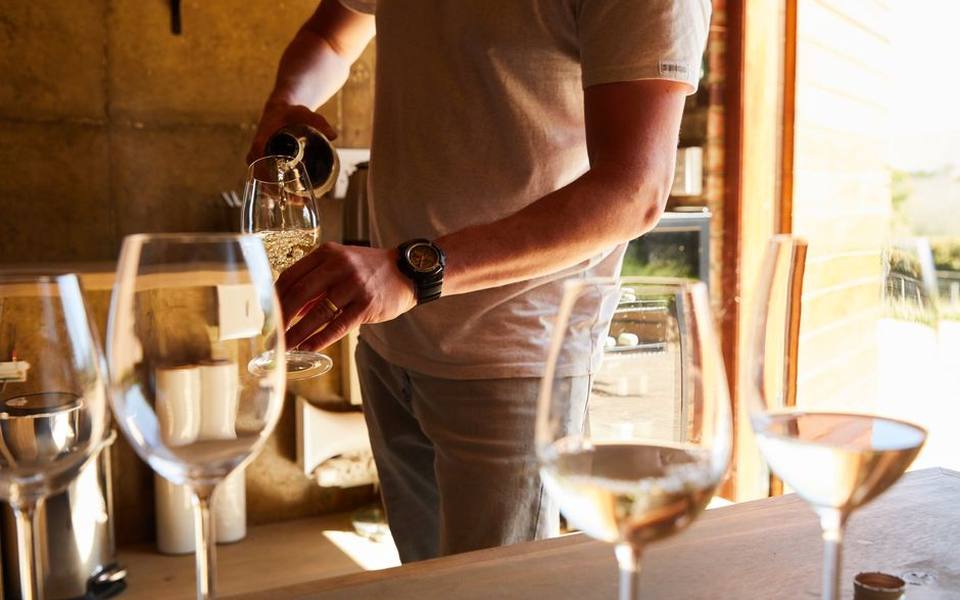
While reading guidelines provides a solid foundation, nothing accelerates your understanding of wine pairing faster than experiencing contrasts on your palate. Taking advantage of professional wineries with tastings allows you to evaluate how different acidity levels, oak treatments, and residual sugars react to simple palate cleansers like crackers, dried fruit, cured meats, and artisanal cheeses.
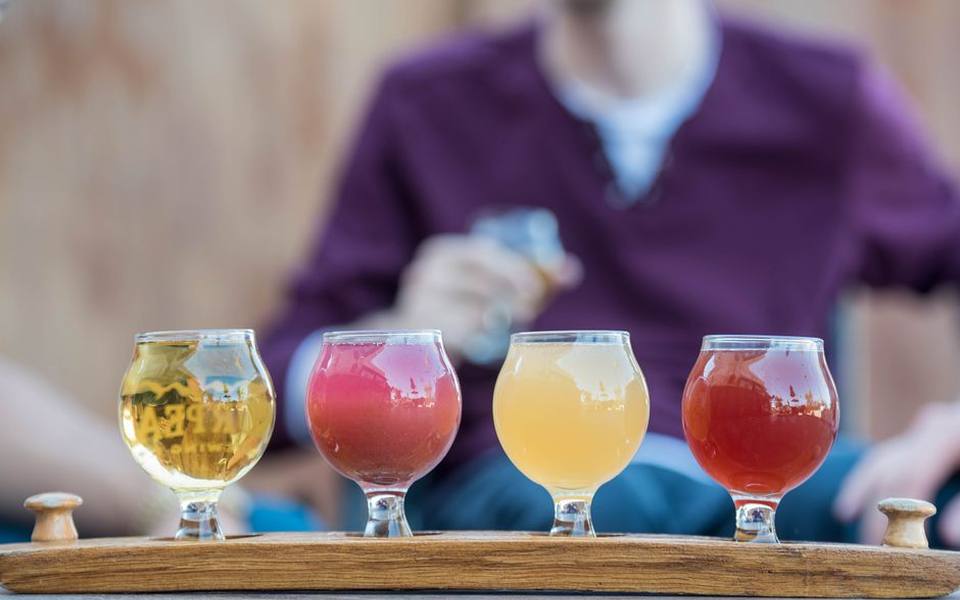
Many modern properties provide dedicated culinary programs, and booking visits to wineries with food on site lets you see how winemakers pair their current releases with small plates crafted specifically for those bottles. You will frequently find that a wine you found slightly tart or tannic when tasted in isolation suddenly becomes harmonious and deeply complex the moment you take a bite of roasted duck, hard cheese, or seasoned pork belly.
When visiting tasting rooms, feel comfortable asking staff how they recommend serving specific bottles at home. Estate staff frequently share practical insight on cooking methods, sauce choices, and cellar temperatures that bring out the best in their inventory. Documenting which combinations appeal to your personal preferences makes future bottle selections at home dinner parties far less intimidating.
Adjusting for Tricky Sauces, Herbs, and Seasonings
A common mistake when planning dinner pairings is focusing entirely on the meat while overlooking the sauce, rubs, and spice level. Sauces almost always dictate the wine pairing because they coat the tongue first. A chicken breast smothered in creamy tarragon mustard sauce behaves like a rich dairy dish, whereas the same chicken tossed in spicy tomato sauce requires an acidic red or an aromatic white with generous fruit notes.
Chili heat requires particular caution because alcohol amplifies capsaicin, turning a moderately spicy dish uncomfortably fiery. If your recipe incorporates hot peppers or assertive curry powders, avoid full-bodied red wines with high alcohol levels. Instead, choose low-alcohol whites, off-dry Rieslings, or chilled rosés, which cool the palate and balance spicy heat with crisp fruit sweetness rather than magnifying the burning sensation.
Fresh green herbs such as cilantro, rosemary, and mint also interact directly with grape aromatics. Highly herbaceous dishes pair beautifully with wines that share pyrazine or herbal qualities, such as Sauvignon Blanc, Cabernet Franc, or cool-climate Syrah. Taking note of these aromatic bridges between the spice rack and the wine glass allows you to create seamless dinner combinations that elevate home cooking into a memorable dining experience.
Published 2026-09-21 · reviewed with each rebuild, last September 2026.
Find wineries near you
The directory lists 14,608 wineries by state and city — pick your state or use the “Near me” button in the header.
More guides
-
 Service
How to Become a Sommelier: Career Paths, Tasting Technique, and Practical Service
-
 Service
What to Wear to a Winery: Practical Outfits, Etiquette, and Food Pairings
-
 Owning
The Ultimate Wine and Food Pairing Guide: From Cheese to Desserts
-
 Buying
Understanding Kosher, Organic, and Biodynamic Wines: Production, Storage, and Pairings
-
 Buying
A Guide to Ordering Wine Online and Purchasing Bulk Alcohol for Events
-
 Buying
The Chemistry of Wine Fermentation: Yeast Roles, Malolactic Conversion, and Flavor Balance
-
 Buying
Understanding the Wine Sweetness Scale: From Crisp Dry to Indulgent Sweet
-
 Money
MoneyWine Tasting Costs Explained: What to Expect in Napa Valley and Beyond
-
 Owning
The Ultimate Guide to Charcuterie Boards: Styling, Pairings, and Recipes
-
 Owning
Crystal Wine Glassware Guide: Types, Brands, Care, and Stemless Styles
-
 Buying
Understanding Bold Reds: Dry Wines, Tannin Profiles, and Old Vine Zinfandels
-
 Storage
Choosing the Best Wine Fridge: Sizing, Cooling Zones, and Placement Guide
-
 Buying
Non-Alcoholic Wine Guide: Methods, Profiles, and What to Expect
-
 Buying
Personalized Wine Gifts: Custom Bottles, Engraved Glasses, and Custom Labels
-
 Owning
Essential Wine Accessories: Openers, Preservation Systems, Decanters, and Storage
-
 Buying
White and Rosé Wines: From Crisp Whites to Dry Rosés and Late Harvest Riesling
-
 Buying
Large Format Wine Bottles: Magnums, Jeroboams, and Champagne Sizes Explained
-
 Service
Farm Wineries, Agritourism, and Sustainable Vineyard Experiences Across America
-
 Owning
Wine and Food Pairing Guide: Charcuterie Boards, Cheeses, and Dinner Courses
-
 Buying
Specialty Wines, Modern Cellar Styles, and Buying Smart Online
-
 Owning
Planning Memorable Vineyard Visits, Historic Estates, and Tasting Room Escapes
-
 Buying
Sweet and Refreshing White Wines: A Guide to Styles, Grapes, and Tasting Profiles
-
 Service
Cooking with Wine and the Practical Art of Culinary Pairings
-
 Owning
Luxury Glassware and Crystal Stemware: A Guide to Vintage Patterns, Modern Makers, and Care
-
 Storage
Modern Wine Refrigerators and Coolers: Sizing, Placement, and Everyday Performance
-
 Service
Winery & Vineyard Weddings: Venues, Planning, and Event Etiquette
-
 Owning
Electric Wine Openers, Vacuum Stoppers, and Preservation Systems: A Complete Guide
-
 Safety
Traveling with Wine: Suitcases, Luggage Bags, and Airline Rules
-
 Buying
Red Wine Varietals Explained: Malbec, Cabernet, Merlot, and Zinfandel
-
 Owning
Artisan Charcuterie Boards and Wine Party Snack Styling Guide
-
 Buying
Finding and Repurposing Used Oak Wine Barrels for Home and Garden
-
 Buying
Garlic Infused and Extra Virgin Olive Oils: Flavors, Brands, and Culinary Uses
-
 Buying
US Wine Trails and Estate Wineries: Scenic Routes and Destination Guide
-
 Buying
Crystal Wine Glasses, Fine Stemware, and Barware Accessories Guide
-
 Service
The Complete Guide to Winery Visits: Tastings, Vineyard Tours, and Visitor Experiences
-
 Owning
Pairing Wine with Charcuterie, Cheeses, and Seasonal Dinners
-
 Buying
Wine Glassware, Decanters, and Accessories Buyer Guide
-
 Storage
Home Wine Storage, Refrigeration, and Cellar Inventory Guide
-
 Buying
Winery Tours, Tasting Room Experiences, and Vineyard Weddings