The Core Elements of a Balanced Board
A successful charcuterie board relies on a simple, dependable ratio of salt, fat, acid, and texture rather than expensive showmanship. As a general starting point, plan for roughly two to three ounces of meat and two to three ounces of cheese per person if the board serves as an appetizer. To build a balanced palette, incorporate three primary categories: savory cured meats, contrasting cheeses, and vibrant accompaniments like pickles, nuts, fresh fruit, and crusty bread to cleanse the palate between bites.
Begin construction with the structural anchors before laying down any sliced meats. Small ceramic ramekins filled with whole-grain mustard, honey, mixed olives, or fruit preserves should be placed across the board first to create natural focal points. These small dishes keep wet brines from soaking into dry crackers while naturally dividing the surface into distinct zones where different ingredient clusters can flow organically across the wood.
Texture is what keeps a grazing spread engaging from the first bite to the last. Pair soft, spreadable components with crisp seeded crackers, brittle flatbreads, or freshly sliced sourdough. Intersperse rich, dense charcuterie with crisp apple slices, fresh grapes, or tangy cornichons to cut through the lingering richness of the animal fats and aged dairy.
Selecting and Folding Cured Meats
Cured meats provide the savory backbone of the board, and combining different textures and curing styles ensures every bite feels distinct. A reliable lineup typically features one thinly shaved whole-muscle cure like prosciutto or speck, alongside one spiced dry-cured sausage such as Spanish chorizo or soppressata. Adding a spreadable option, such as a rustic pork pâté or smooth chicken liver mousse, introduces a velvety richness that pairs seamlessly with crusty bread.
Presentation makes a substantial difference in how accessible and appetizing the meats appear to your guests. Rather than laying slices completely flat, fold larger rounds of salami in half twice to create small ruffled triangles, or weave delicate strips of prosciutto into loose ribbons. This technique not only adds inviting vertical volume to the platter, but it also makes it much easier for people to pick up a single serving without untangling half the display.
When planning meat quantities, freshness and temperature matter just as much as variety. Slice hard sausages on a gentle bias shortly before serving to prevent the edges from drying out, while keeping ribbons of prosciutto slightly aerated rather than tightly packed. Allowing cured meats to rest at room temperature for roughly twenty minutes before serving releases their aromatic surface oils, dramatically improving both flavor and texture.
Curating Cheeses for Flavor and Texture
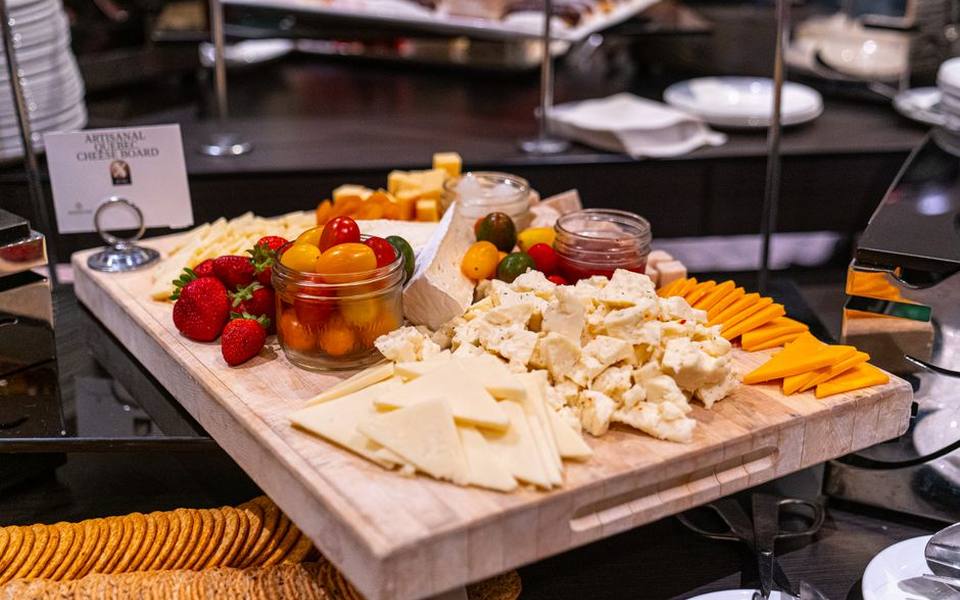
A thoughtful cheese selection explores a spectrum of milks, aging processes, and moisture levels rather than repeating similar profiles. To create a well-rounded experience, select one soft, bloomy-rind cheese like brie or camembert, one aged hard cheese such as sharp white cheddar or aged gouda, and one semi-soft style like havarti or fontina. If your crowd enjoys bold flavors, round out the assortment with a crumbly blue cheese or an earthy goat log.
Proper temperature is critical when serving cheese. Cold dairy directly from the refrigerator tends to mask delicate nuances, so set your cheeses out approximately thirty to forty-five minutes before serving to let the fats soften naturally. Soft-ripened wedges become wonderfully luscious at room temperature, while firm mountain cheeses release their nutty, complex aromas much more readily once the chill has dissipated.
Pre-slicing a few starter pieces directly on the board eliminates initial guest hesitation and keeps the display tidy. Cut hard blocks into neat bite-sized triangles or crumble aged cheddars along their natural veins, but leave round soft bries intact with a dedicated cheese knife resting nearby. Providing separate utensils for pungent blues or soft spreads ensures their distinct profiles do not unintentionally migrate into milder offerings.
Crackers, Accents, and Palate Cleansers
The supporting cast of crackers, fruits, and condiments bridges the gap between rich proteins and bold cheeses. Provide at least two distinct cracker varieties: a neutral water cracker or artisanal sea-salt crisp that allows delicate cheeses to shine, and a heartier seeded flatbread or fruit-studded crisp capable of supporting robust spreads and hard charcuterie. Sturdy breadsticks and sliced baguettes also add height and rustic appeal.
Acidic components are essential on any grazing board because they cut through heavy fats and reset the palate. Small cornichons, pickled red onions, pickled green beans, and marinated artichoke hearts offer a refreshing, snappy bite between rich mouthfuls. Tangy condiments like stone-ground mustard, fig jam, and clover honey offer sweet and sharp contrasts that heighten both mild and salty components.
Fresh and dried fruits provide color, natural sweetness, and seasonal freshness across the board. Grapes cut into small clusters of three or four prevent guests from pulling apart larger stems, while fresh figs, blackberries, and crisp pear slices add vibrant visual appeal. Fill any remaining gaps with dried apricots, tart cherries, and toasted nuts like marcona almonds or candied pecans.
Morning Grazing and Breakfast Boards
Adapting the board concept for a morning gathering transforms standard breakfast fare into an interactive, relaxed dining experience. Instead of heavy cured salamis and aged cheddars, focus on brunch staples that can be grazed upon casually over coffee and mimosas. Mini Belgian waffles, warm silver dollar pancakes, and petite bagels provide an inviting carb base that easily anchors sweet or savory flavor combinations across the platter.
Incorporate classic morning proteins that hold up well at ambient room temperatures for an hour or two. Crisp strips of thick-cut candied bacon, savory prosciutto, and folded slices of smoked salmon work exceptionally well alongside soft hard-boiled eggs cut in halves with a sprinkle of everything bagel seasoning. Pair these proteins with whipped cream cheese, mild gouda cubes, and fresh goat cheese rolled in fresh herbs.
Bright fruit and sweet accompaniments complete the morning spread with plenty of color. Scatter fresh raspberries, sliced strawberries, and blueberries throughout the open spaces to create a fresh, energetic look. Small jars of pure maple syrup, artisanal fruit preserves, and lemon curd invite guests to customize their waffles and pastries with sweet layers tailored to their personal tastes.
Festive Holiday Boards and Tree Arrangements
During the holiday season, shaping your spread into a festive Christmas tree creates an eye-catching centerpiece for seasonal parties. The technique relies on tapering rows of alternating ingredients on a rectangular board, beginning with a wide base of folded meats or dark green grapes and narrowing gradually to a singular peak. Separating the tiers with fresh rosemary sprigs creates the visual illusion of evergreen boughs beneath each savory layer.
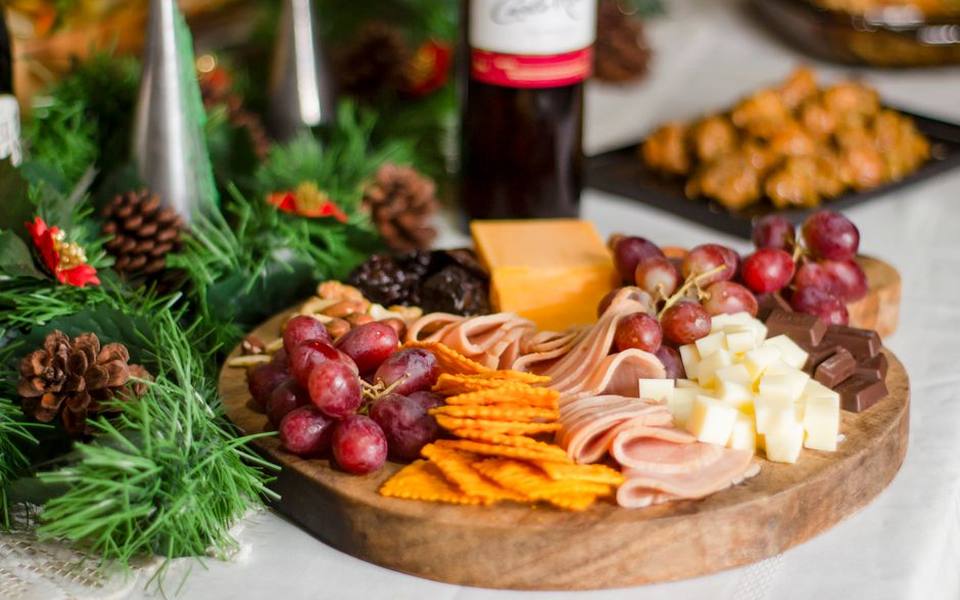
Color curation is essential when creating a holiday-themed board that feels balanced rather than chaotic. Utilize rich greens like castelvetrano olives, rosemary, and sliced cucumbers, punctuated by festive reds from bright pomegranate seeds, cherry tomatoes, and folded ribbons of spicy capicola. A star cut from a thick slab of sharp white cheddar or yellow gouda perched at the top of the tree completes the seasonal silhouette.
When arranging a themed board, ensure functionality remains a priority alongside the visual presentation. Guests should easily be able to pull ingredients from individual tiers without causing the entire tree structure to collapse inward. Keep crackers in a separate basket alongside festive preserves like spiced cranberry compote to preserve the crispness of the crackers and maintain clean lines on the main serving board.
Single-Serve Charcuterie Cups and Grazing Jars
For cocktail hours, outdoor lawn gatherings, or stand-up receptions, individual charcuterie cups provide a hygienic, portable alternative to a central platter. Using disposable kraft paper cups, small mason jars, or slender bamboo cones, you can assemble a complete, balanced portion for each person. This format eliminates bottlenecks around a central grazing table and allows attendees to mingle freely with a drink in one hand and their snacks in the other.
Assembly requires a vertical mindset to ensure every cup looks bountiful and remains easy to eat from. Begin by dropping a small handful of mixed nuts, dried cranberries, or grapes into the bottom of the cup to form a steady, weighted foundation. From there, insert a sturdy artisanal breadstick or tall cracker crisp to add immediate height and anchor the skewer elements that follow.
Thread bite-sized items onto decorative bamboo skewers to keep meats and cheeses secure and easily accessible. Folded salami ribbons, cubes of manchego, pitted green olives, and folded tortellini skewers can all be stood upright in the cup. Finish each cup with a slender sprig of rosemary or fresh mint for a polished, professional look that requires zero tableside carving by guests.
Wine Pairing Fundamentals for Grazing Boards
Pairing wine with an assorted grazing board is all about matching high-acid or versatile bottles with a wide variety of fats and salts. Crisp sparkling wines, such as dry prosecco or traditional-method bubbles, are arguably the most versatile companion for cured boards because effervescence and acidity cleanly slice through butterfat and cured meat richness. Bright, unoaked whites like Sauvignon Blanc or Pinot Grigio offer similarly refreshing counterpoints to creamy soft cheeses.
For red wine lovers, medium-bodied options with moderate tannins and bright fruit notes tend to harmonize best across diverse boards. Bottles like Pinot Noir, Grenache, or Gamay complement cured meats without overpowering lighter goat cheeses or delicate crackers. Exploring regional selections from wineries in California provides an excellent opportunity to discover elegant pinots and vibrant rhône-style blends tailored for culinary pairing.
If you want to explore how specific vintages interact with artisanal provisions, visiting wineries with food offers hands-on inspiration from seasoned hospitality teams. Booking structured wine tasting flights allows you to taste several varietals side-by-side against cured meats and aged cheeses. At home, you can replicate this exploratory feel by pouring smaller tastes of wine by the glass to see how flavor pairings evolve across the evening.
Portion Planning, Timing, and Staging
Determining how much food to purchase depends largely on the time of day and the role your board plays in the event. For a pre-dinner cocktail hour lasting an hour or two, three to four ounces of combined meat and cheese per guest is typically sufficient. If the spread is the primary culinary offering at an extended evening event, increase that estimate to six to eight ounces per person, supplemented with heartier breads, dips, and nuts.
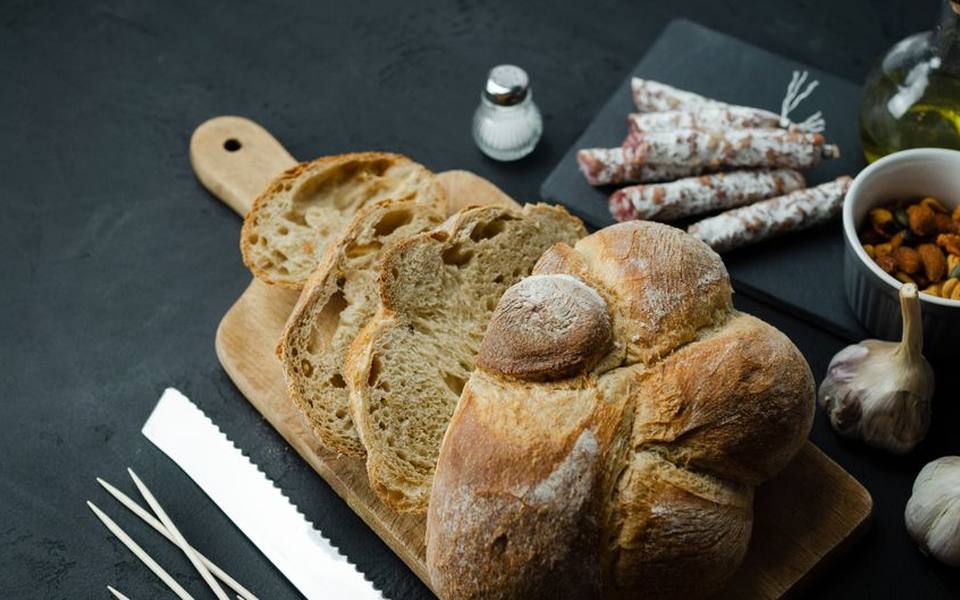
Preparation can be broken into stages to minimize stress on the day of your gathering. Firm cheeses can be sliced and stored in airtight containers up to twenty-four hours in advance, while charcuterie can be folded and chilled on a parchment-lined sheet pan the morning of the event. Keep dry items like crackers and delicate fresh herbs sealed separately until the final assembly to preserve their crisp texture.
Assemble the board roughly thirty minutes before guests are scheduled to arrive, keeping crackers and bread in separate bowls if surface space is limited. Staggering your inventory allows you to replenish fresh components seamlessly as the evening progresses rather than letting the entire display sit out under room temperatures for multiple hours.
Selecting and Caring for Serving Boards
The board itself serves as the canvas for your presentation, and selecting the right material impacts both aesthetic appeal and ease of cleaning. Hardwoods like walnut, maple, and acacia are traditional favorites due to their durability, rich grain patterns, and gentle surface that will not dull your cheese knives. Non-porous materials like slate or marble provide a cool surface that helps prevent soft cheeses from melting too quickly in warm environments.
Caring for wooden boards requires gentle, consistent maintenance to prevent warping, cracking, or odor retention. Always wash wooden boards by hand using warm water and a mild dish soap immediately after use, avoiding long soaking periods or dishwasher cycles that strip natural moisture. Stand the board on its edge to air-dry completely on all sides before stowing it away in a dry cabinet.
Every few months, or whenever the wood appears dry or chalky, recondition the surface with food-grade mineral oil or a specialized beeswax board conditioner. Applying the oil liberally with a clean cloth, allowing it to penetrate overnight, and wiping away excess moisture seals the grain against meat juices and prevents future staining.
Published 2026-09-21 · reviewed with each rebuild, last September 2026.
Find wineries near you
The directory lists 14,608 wineries by state and city — pick your state or use the “Near me” button in the header.
More guides
-
 Service
How to Become a Sommelier: Career Paths, Tasting Technique, and Practical Service
-
 Service
What to Wear to a Winery: Practical Outfits, Etiquette, and Food Pairings
-
 Owning
The Ultimate Wine and Food Pairing Guide: From Cheese to Desserts
-
 Buying
Understanding Kosher, Organic, and Biodynamic Wines: Production, Storage, and Pairings
-
 Buying
A Guide to Ordering Wine Online and Purchasing Bulk Alcohol for Events
-
 Buying
The Chemistry of Wine Fermentation: Yeast Roles, Malolactic Conversion, and Flavor Balance
-
 Buying
Understanding the Wine Sweetness Scale: From Crisp Dry to Indulgent Sweet
-
 Money
MoneyWine Tasting Costs Explained: What to Expect in Napa Valley and Beyond
-
 Owning
Crystal Wine Glassware Guide: Types, Brands, Care, and Stemless Styles
-
 Buying
Understanding Bold Reds: Dry Wines, Tannin Profiles, and Old Vine Zinfandels
-
 Storage
Choosing the Best Wine Fridge: Sizing, Cooling Zones, and Placement Guide
-
 Buying
Non-Alcoholic Wine Guide: Methods, Profiles, and What to Expect
-
 Buying
Personalized Wine Gifts: Custom Bottles, Engraved Glasses, and Custom Labels
-
 Owning
Essential Wine Accessories: Openers, Preservation Systems, Decanters, and Storage
-
 Buying
White and Rosé Wines: From Crisp Whites to Dry Rosés and Late Harvest Riesling
-
 Buying
Food and Wine Pairing Guide: Salmon, Turkey, Ham, Lamb, and Lasagna
-
 Buying
Large Format Wine Bottles: Magnums, Jeroboams, and Champagne Sizes Explained
-
 Service
Farm Wineries, Agritourism, and Sustainable Vineyard Experiences Across America
-
 Owning
Wine and Food Pairing Guide: Charcuterie Boards, Cheeses, and Dinner Courses
-
 Buying
Specialty Wines, Modern Cellar Styles, and Buying Smart Online
-
 Owning
Planning Memorable Vineyard Visits, Historic Estates, and Tasting Room Escapes
-
 Buying
Sweet and Refreshing White Wines: A Guide to Styles, Grapes, and Tasting Profiles
-
 Service
Cooking with Wine and the Practical Art of Culinary Pairings
-
 Owning
Luxury Glassware and Crystal Stemware: A Guide to Vintage Patterns, Modern Makers, and Care
-
 Storage
Modern Wine Refrigerators and Coolers: Sizing, Placement, and Everyday Performance
-
 Service
Winery & Vineyard Weddings: Venues, Planning, and Event Etiquette
-
 Owning
Electric Wine Openers, Vacuum Stoppers, and Preservation Systems: A Complete Guide
-
 Safety
Traveling with Wine: Suitcases, Luggage Bags, and Airline Rules
-
 Buying
Red Wine Varietals Explained: Malbec, Cabernet, Merlot, and Zinfandel
-
 Owning
Artisan Charcuterie Boards and Wine Party Snack Styling Guide
-
 Buying
Finding and Repurposing Used Oak Wine Barrels for Home and Garden
-
 Buying
Garlic Infused and Extra Virgin Olive Oils: Flavors, Brands, and Culinary Uses
-
 Buying
US Wine Trails and Estate Wineries: Scenic Routes and Destination Guide
-
 Buying
Crystal Wine Glasses, Fine Stemware, and Barware Accessories Guide
-
 Service
The Complete Guide to Winery Visits: Tastings, Vineyard Tours, and Visitor Experiences
-
 Owning
Pairing Wine with Charcuterie, Cheeses, and Seasonal Dinners
-
 Buying
Wine Glassware, Decanters, and Accessories Buyer Guide
-
 Storage
Home Wine Storage, Refrigeration, and Cellar Inventory Guide
-
 Buying
Winery Tours, Tasting Room Experiences, and Vineyard Weddings