Understanding Crystal Glassware and Mineral Composition
Crystal differs from standard soda-lime glass primarily through its mineral content and structural density. Traditional crystal incorporated lead oxide to increase refractivity, weight, and malleability during cutting. Modern manufacturers largely produce lead-free crystalline wine glasses that substitute barium carbonate, zinc, or titanium oxide. These elements allow artisans to spin or blow vessels with exceptionally thin rims while preserving structural resilience. The microscopic surface of fine crystal is slightly rougher than smooth soda-lime glass, which encourages wine to release aromatic volatile compounds as it swirls along the interior surface.
Choosing high-grade crystal wine glassware impacts both the tactile feel of the pour and the sensory evaluation of the liquid. Standard glass requires a rolled rim to prevent chipping, creating a thick lip that interrupts the flow of liquid onto the palate. Crystal vessels can be laser-cut and fire-polished into a sheer, beadless edge, directing the wine smoothly onto specific areas of the tongue. While standard soda-lime glass is durable and dishwasher-tolerant, crystal offers superior clarity, balanced heft, and resonance that wine enthusiasts typically favor.
When browsing options, buyers often encounter terms like crystal, crystalline, and ultra-thin glass interchangeably. True crystalline lacks lead but retains the refractive sparkle and acoustic ring associated with legacy crystal pieces. This distinction matters for daily durability, as lead-free formulations resist clouding and chemical leaching over time. Deciding between traditional heavy crystal and ultra-sheer modern crystalline largely depends on whether your priority is ornate, heirloom craftsmanship or transparent, aroma-driven wine evaluation.
The Geometry of Crystal Goblets and Bowl Profiles
The architecture of crystal wine goblets serves a defined mechanical function in directing aromas toward the nose. A broad base allows the liquid surface area to expand, facilitating aeration when the glass is gently agitated. As vapors rise through the narrowing chimney of the bowl, concentrated aromas funnel directly to the olfactory senses. Using a generic cup often disperses these delicate esters, muting the subtleties of aged or complex vintages before the first sip is taken.
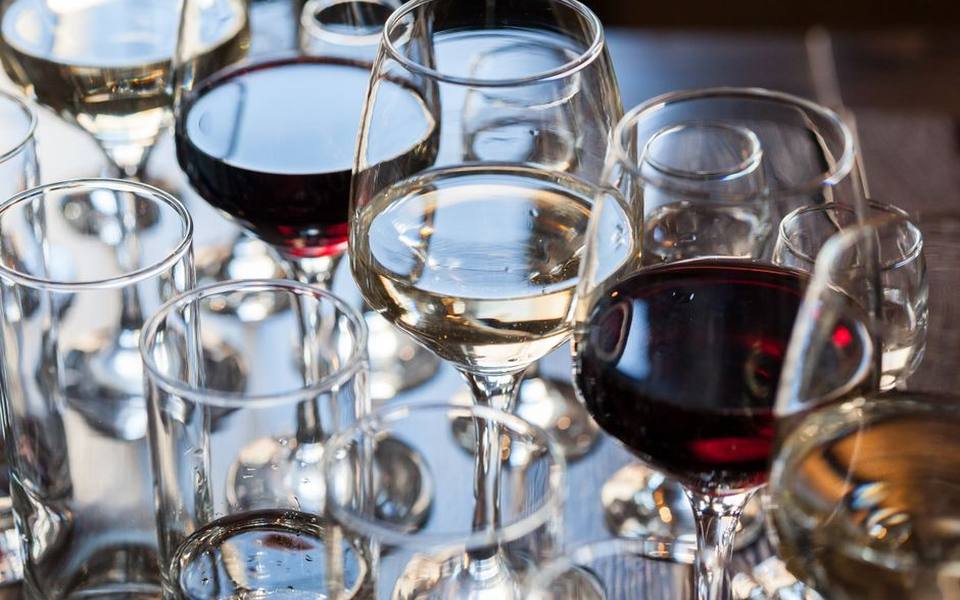
Red wine goblets generally feature larger, rounder bowls to allow ethanol vapors to dissipate while exposing fuller-bodied wines to oxygen. In contrast, white wine profiles utilize narrower cavities to preserve chilled temperatures and maintain delicate floral aromatics. Visiting tasting rooms like those featured in guides to wineries in California often showcases how dedicated stemware shapes accentuate differences across regional microclimates and grape varieties.
Beyond technical aroma delivery, balance plays a central role in a well-crafted goblet. The transition from the foot to the pulled stem and up into the bowl must feel stable in the hand. Goblets that carry excessive weight in the upper bowl fatigue the wrist and increase the likelihood of tipping on hard tabletop surfaces. High-end mouth-blown designs achieve an equilibrium where the vessel feels virtually weightless, allowing the taster to focus entirely on the wine's color, viscosity, and aroma.
Stemless Wine Glasses and Everyday Practicality
Stemless glass wine designs have grown increasingly popular in casual settings, outdoor patios, and modern kitchens. By eliminating the delicate stem, stemless wine goblets reduce the vertical center of gravity and significantly lower the risk of breakage from accidental knocks. They stack more easily inside standard kitchen cabinets and fit into conventional dishwasher racks without snagging the spray arms. For many households, these durable vessels serve as reliable all-purpose drinkware for both wine and cocktails.
Despite their convenience, crystal wine cups present specific thermodynamic trade-offs during extended tastings. Holding the bowl directly transmits body heat from the palm into the wine, rapidly warming chilled whites, rosés, and sparkling selections. Fingerprints also smudge the bowl, obscuring visual inspection of clarity and sediment. For structured reds served at cellar temperature, this slight warming effect may occasionally be acceptable, but structured tastings usually benefit from traditional stems.
Quality remains an important factor even when shopping for stemless profiles. Inexpensive tumblers often feature thick walls and heavy bases that mirror ordinary water tumblers. High-end crystalline tumblers maintain the sheer, laser-cut rim and thin profile of classical stemware, delivering a refined sip despite the absence of a foot. Choosing a tapered silhouette ensures that swirling remains feasible without splashing liquid over the rim.
Varietal-Specific Design and Modern Glass Innovations
The philosophy of pairing grape varietals with tailored glassware shapes owes much of its modern prominence to the legacy of Riedel glass wine collections. Starting in the mid-twentieth century, European glassmakers began developing prototypes evaluated by winemakers and sommeliers to determine how bowl contours alter perception. The underlying premise is that bowl width, rim diameter, and wall angle govern where liquid first touches the palate, modulating perceptions of acidity, fruitiness, and astringent tannins.
A classic Cabernet or Bordeaux profile features an elongated bowl with moderate taper, giving bold tannins room to soften while smoothing out high alcohol warmth. Conversely, an expansive, balloon-shaped Burgundy glass provides an extensive surface area designed to collect the elusive, nuanced aromas of thin-skinned Pinot Noir or Nebbiolo. Experiencing these differences firsthand at dedicated wineries with tastings demonstrates how vessel design can visibly reshape the profile of a single bottle.
While purists maintain separate sets for distinct varietals, practical collectors often choose universal silhouettes. A balanced universal crystal glass balances a medium-sized bowl with a moderate taper, accommodating both crisp whites and moderate reds comfortably. This approach reduces storage clutter while outperforming standard banquet glasses, offering home tasters an effective middle ground without requiring an investment in dozens of distinct glassware lines.
Sparkling Wine Shapes: Flutes, Tulips, and Effervescence
Effervescence in sparkling wine relies heavily on the internal surface and shape of the glass. Traditional crystal wine flutes feature tall, slender profiles that minimize surface area, keeping carbon dioxide dissolved in the liquid longer. Many quality flutes incorporate an etched nucleation point at the bottom of the bowl. This tiny laser scratch acts as an intentional disturbance, encouraging a steady, organized bead of fine bubbles to rise gracefully toward the top.
While flutes remain synonymous with celebrations, many sparkling specialists now advocate for tulip-shaped stems. The narrow mouth of a strict flute can choke complex aromas, preventing the taster from enjoying the yeasty, brioche notes characteristic of bottle-fermented sparkling wines. A tulip glass widens in the center before gently tapering at the rim, providing enough space for aromas to gather while keeping the effervescent mousse active and crisp.
When sampling diverse selections across different producers, such as exploring wine tasting flights, vessel selection directly impacts how sweetness and carbonation balance on the tongue. In wider glasses, high carbonation dissipates more quickly, which can soften sharp acidity in younger sparkling wines. Understanding the balance between aroma retention and bubble preservation helps hosts select the right profile for prosecco, cava, and vintage cuvées alike.
Heritage Cut Crystal and Traditional Celebration Stemware
Heirloom stemware occupies an entirely different aesthetic realm than minimalist tasting equipment. Historic houses known for pieces like Waterford crystal champagne glasses emphasize intricate deep-wedge cutting, substantial weight, and dramatic light dispersion. These traditional patterns transform a vessel into a centerpiece, reflecting ambient candlelight across dining tables. For milestone toasts, formal anniversaries, and holiday gatherings, the distinctive chime and substantial handfeel of classic cut crystal carry unmatched ceremonial significance.
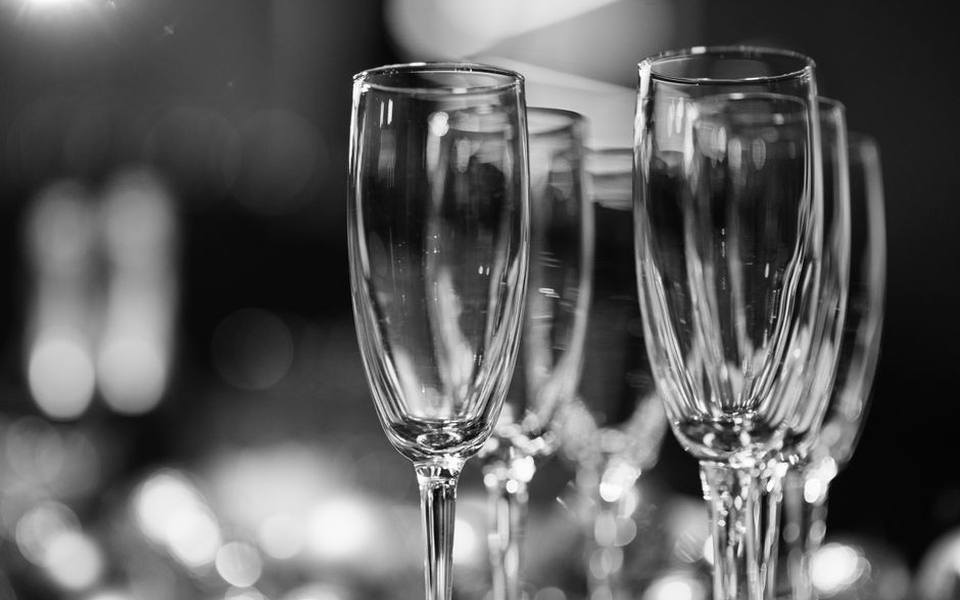
Using vintage-style Waterford crystal champagne flutes provides an entirely tactile ritual compared to lightweight tasting stemware. The thick walls insulate the sparkling wine against ambient air, though the cut patterns obscure the visual clarity of the liquid's color and continuous bead stream. Rather than prioritizing analytical tasting precision, heavy decorative crystal prioritizes presentation, permanence, and historical craftsmanship handed down through generations of entertaining.
Caring for older Waterford champagne glasses requires mindful handling, as vintage collections often contain traditional lead oxide formulations. Collectors typically avoid soaking leaded crystal in hot water or pairing it with acidic cleaning compounds that can dull polished facets. Treating these items as decorative heirlooms ensures that intricate diamond cuts and starburst patterns retain their brilliance through decades of holiday toasts.
The Vintage Champagne Coupe and Cocktail Presentation
The wide-mouthed coupe represents one of the oldest vessel shapes designed for sparkling wine, dominating glamorous dinner parties throughout the early twentieth century. Historic designs like a Waterford crystal champagne coupe feature a broad, shallow bowl perched atop an ornate stem. Popular myth once held that the shape was modeled after French nobility, though historical records confirm it was engineered in England specifically for sweetened, sparkling wines common during the Victorian era.
From an effervescence standpoint, the shallow structure of a coupe causes carbon dioxide to escape rapidly, leaving the wine still far faster than a tall flute would. The wide opening also disperses delicate aromas into the surrounding room rather than focusing them on the nose. Consequently, serious sparkling tastings rarely utilize coupes today, reserving them instead for quick celebration toasts, tiered champagne towers, or vintage cocktail presentation.
Despite its limitations with dry sparkling wines, the crystal coupe has enjoyed a massive resurgence across craft cocktail bars and formal receptions. Its broad brim provides the ideal canvas for classic shaken drinks served up without ice, such as the French 75, sidecar, or espresso martini. The combination of faceted crystal with layered cocktails creates a striking visual display that modern thin flutes cannot duplicate.
Washing, Polishing, and Preserving Sheer Crystal Rims
Preserving thin crystal requires gentle washing routines and correct water temperatures. Hot water causes delicate crystal stems to expand unevenly, which can trigger stress fractures along thin connection points. Lukewarm water combined with a minimal drop of unscented, mild liquid soap is typically ideal for clearing wine residue. Strongly perfumed commercial detergents leave invisible chemical films on interior walls, altering wine aromas during the next pour.
While some modern lead-free crystalline collections are rated dishwasher-safe, hand washing remains the safest practice for high-value stemware. If machine washing is necessary, place glasses on the top rack with ample clearance between bowls to prevent clinking during the agitation cycle. Avoid high-heat drying cycles, which bake detergent minerals into the glass and promote milky cloudiness over repeated cycles.
Polishing crystal to a mirror shine demands patience and lint-free microfiber or linen cloths. Never hold a wine glass by its foot while twisting the bowl with the opposite hand, as torsional torque along the stem is the single most common cause of snapping. Instead, cradle the bowl gently in one hand while using the cloth to buff the interior and exterior surfaces, using gentle steam from a kettle to release water spots.
Safe Storage Practices for Delicate Crystal Stems
Where and how you store crystal stemware directly affects its lifespan and cleanliness between uses. Storing glasses rim-down on standard wooden shelves often traps stale cabinet odors inside the bowl and places mechanical stress on the thinnest, most fragile part of the vessel. Unless shelves are lined with clean, food-safe silicone matting, storing glasses upright on their sturdy bases is generally the safest approach to prevent chipped lips.
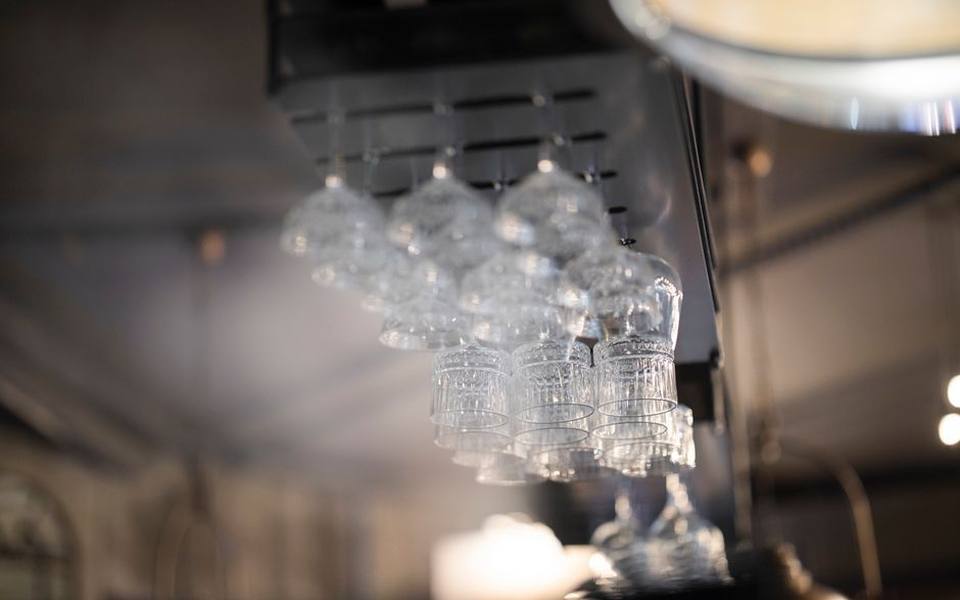
Under-cabinet hanging racks offer an efficient storage solution for kitchens with limited horizontal shelf space. However, ensure that the metal or wood channels accommodate the diameter of your stems without wedging against the delicate junction at the foot. For households near busy roads or train tracks, minor structural vibrations can cause closely packed hanging glasses to tap against each other, eventually producing micro-fractures over extended periods.
Before pouring an expensive bottle after long storage periods, inspect the interior for accumulated kitchen grease or dust. Giving stored stems a quick lukewarm water rinse and microfiber polish eliminates stale cupboard aromas that could mask the fresh bouquet of wines served by the bottle or ordered as wine by the glass at home.
Selecting the Right Glassware Set for Your Lifestyle
Building a practical glassware collection requires matching vessel fragility with your typical entertaining habits. If your routine centers around lively patio dinners and weeknight meals, sturdy lead-free crystalline tumblers or multi-purpose stemmed glasses provide resilience without sacrificing wine enjoyment. Collectors who frequently host structured wine dinners, on the other hand, benefit from investing in dedicated red, white, and sparkling shapes that highlight specific structural traits in fine bottles.
Cost typically correlates with production technique. Machine-blown crystalline glasses offer remarkable consistency, durable seams, and accessible price points, making them ideal workhorses for regular entertaining. Mouth-blown artisan stems represent the apex of lightness and clarity, but their extreme thinness makes them susceptible to breakage during careless wash routines. Balancing a modest set of high-end stems with durable daily glasses keeps fragile items safe for focused tastings.
Ultimately, the best crystal glass is one that balances tactile pleasure with ease of maintenance. Whether you gravitate toward legacy cut-glass flutes for New Year toasts, versatile stemless tumblers for casual gatherings, or precision varietal bowls for cellar tastings, deliberate glassware choices elevate the entire sensory journey from cork pull to final sip.
Published 2026-09-21 · reviewed with each rebuild, last September 2026.
Find wineries near you
The directory lists 14,608 wineries by state and city — pick your state or use the “Near me” button in the header.
More guides
-
 Service
How to Become a Sommelier: Career Paths, Tasting Technique, and Practical Service
-
 Service
What to Wear to a Winery: Practical Outfits, Etiquette, and Food Pairings
-
 Owning
The Ultimate Wine and Food Pairing Guide: From Cheese to Desserts
-
 Buying
Understanding Kosher, Organic, and Biodynamic Wines: Production, Storage, and Pairings
-
 Buying
A Guide to Ordering Wine Online and Purchasing Bulk Alcohol for Events
-
 Buying
The Chemistry of Wine Fermentation: Yeast Roles, Malolactic Conversion, and Flavor Balance
-
 Buying
Understanding the Wine Sweetness Scale: From Crisp Dry to Indulgent Sweet
-
 Money
MoneyWine Tasting Costs Explained: What to Expect in Napa Valley and Beyond
-
 Owning
The Ultimate Guide to Charcuterie Boards: Styling, Pairings, and Recipes
-
 Buying
Understanding Bold Reds: Dry Wines, Tannin Profiles, and Old Vine Zinfandels
-
 Storage
Choosing the Best Wine Fridge: Sizing, Cooling Zones, and Placement Guide
-
 Buying
Non-Alcoholic Wine Guide: Methods, Profiles, and What to Expect
-
 Buying
Personalized Wine Gifts: Custom Bottles, Engraved Glasses, and Custom Labels
-
 Owning
Essential Wine Accessories: Openers, Preservation Systems, Decanters, and Storage
-
 Buying
White and Rosé Wines: From Crisp Whites to Dry Rosés and Late Harvest Riesling
-
 Buying
Food and Wine Pairing Guide: Salmon, Turkey, Ham, Lamb, and Lasagna
-
 Buying
Large Format Wine Bottles: Magnums, Jeroboams, and Champagne Sizes Explained
-
 Service
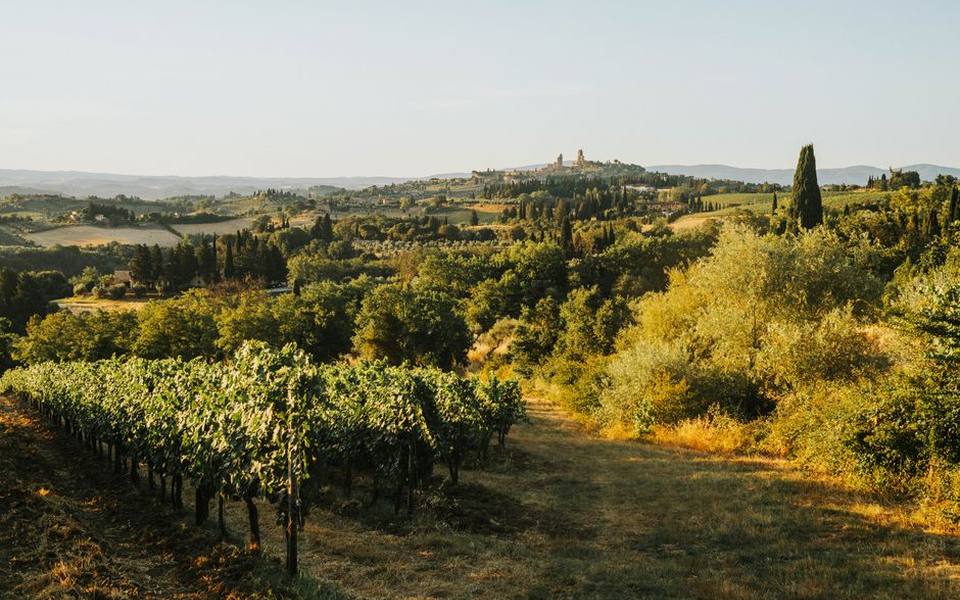
Farm Wineries, Agritourism, and Sustainable Vineyard Experiences Across America
-
 Owning
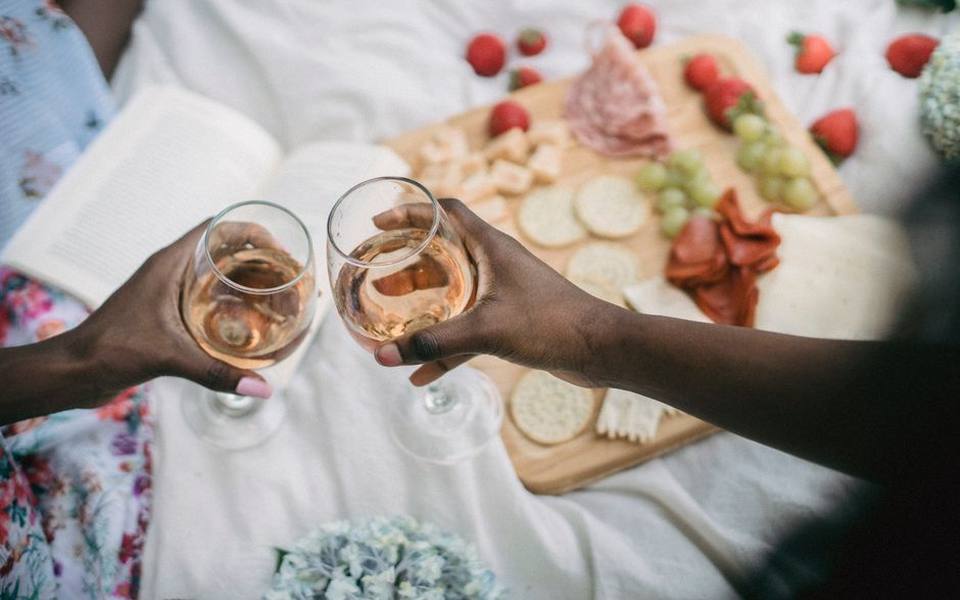
Wine and Food Pairing Guide: Charcuterie Boards, Cheeses, and Dinner Courses
-
 Buying
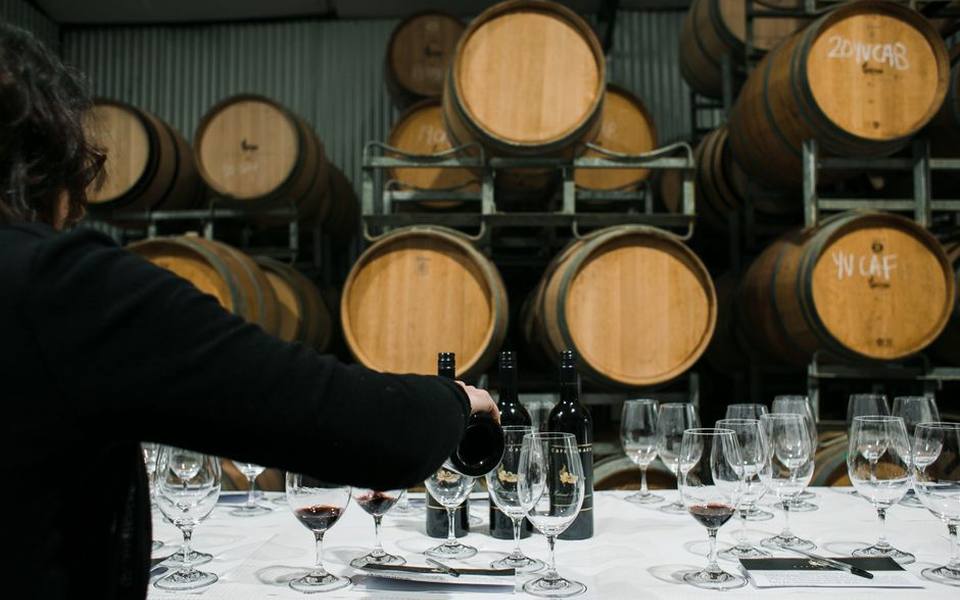
Specialty Wines, Modern Cellar Styles, and Buying Smart Online
-
 Owning
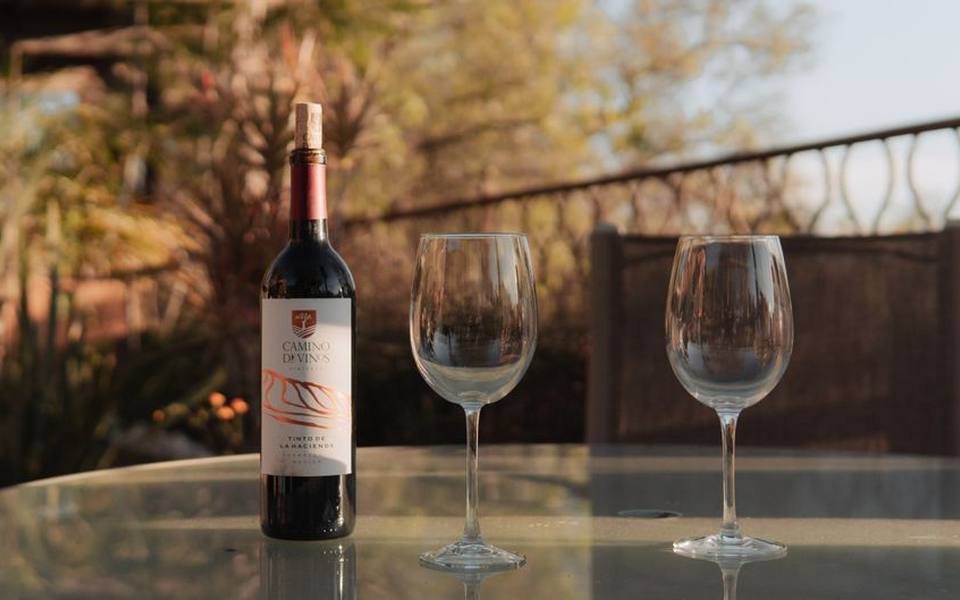
Planning Memorable Vineyard Visits, Historic Estates, and Tasting Room Escapes
-
 Buying
Sweet and Refreshing White Wines: A Guide to Styles, Grapes, and Tasting Profiles
-
 Service
Cooking with Wine and the Practical Art of Culinary Pairings
-
 Owning
Luxury Glassware and Crystal Stemware: A Guide to Vintage Patterns, Modern Makers, and Care
-
 Storage
Modern Wine Refrigerators and Coolers: Sizing, Placement, and Everyday Performance
-
 Service
Winery & Vineyard Weddings: Venues, Planning, and Event Etiquette
-
 Owning
Electric Wine Openers, Vacuum Stoppers, and Preservation Systems: A Complete Guide
-
 Safety
Traveling with Wine: Suitcases, Luggage Bags, and Airline Rules
-
 Buying
Red Wine Varietals Explained: Malbec, Cabernet, Merlot, and Zinfandel
-
 Owning
Artisan Charcuterie Boards and Wine Party Snack Styling Guide
-
 Buying
Finding and Repurposing Used Oak Wine Barrels for Home and Garden
-
 Buying
Garlic Infused and Extra Virgin Olive Oils: Flavors, Brands, and Culinary Uses
-
 Buying
US Wine Trails and Estate Wineries: Scenic Routes and Destination Guide
-
 Buying
Crystal Wine Glasses, Fine Stemware, and Barware Accessories Guide
-
 Service
The Complete Guide to Winery Visits: Tastings, Vineyard Tours, and Visitor Experiences
-
 Owning
Pairing Wine with Charcuterie, Cheeses, and Seasonal Dinners
-
 Buying
Wine Glassware, Decanters, and Accessories Buyer Guide
-
 Storage
Home Wine Storage, Refrigeration, and Cellar Inventory Guide
-
 Buying
Winery Tours, Tasting Room Experiences, and Vineyard Weddings