Building a Practical Wine Toolkit at Home
A reliable collection of wine accessories is less about showing off gadgetry and more about treating good bottles with care once they leave the cellar. Whether you have just returned from a weekend exploring estate vineyards or picked up a couple of regional blends at a neighborhood market, the right tools allow the liquid in the bottle to show its intended aroma, texture, and balance. The baseline equipment required for an enjoyable glass consists of a dependable extraction tool, an effective way to handle oxygen, and clean glassware.
Many drinkers accumulate random bar tools over time, frequently finding that flimsy corkscrews tear brittle natural closures or that forgotten half-bottles turn sour within forty-eight hours on the counter. Taking a systematic approach solves these headaches. By selecting purpose-built items designed for specific tasks—such as aerating tight younger vintages or pulling delicate closures without shaking up settled sediment—you avoid common service pitfalls entirely.
Investing in solid tools also enhances the social side of sharing a vintage with guests. When you return home inspired by cellar visits and formal winery tastings, having smooth-working gear keeps the focus entirely on tasting rather than struggling with a stubborn closure or searching for an improvised stopper.
Automatic and Electric Cork Openers for Effortless Service
Electric extraction tools have evolved from novelty gifts into dependable everyday appliances for people who want a fast, effortless pull. An automatic cork opener uses a motorized worm that drives downward through the center of the closure and reverses direction with the press of a rocker switch. For individuals with limited hand strength or arthritis, as well as hosts opening multiple bottles back-to-back during a dinner party, a motorized electric wine cork extractor eliminates wrist torque and physical strain.
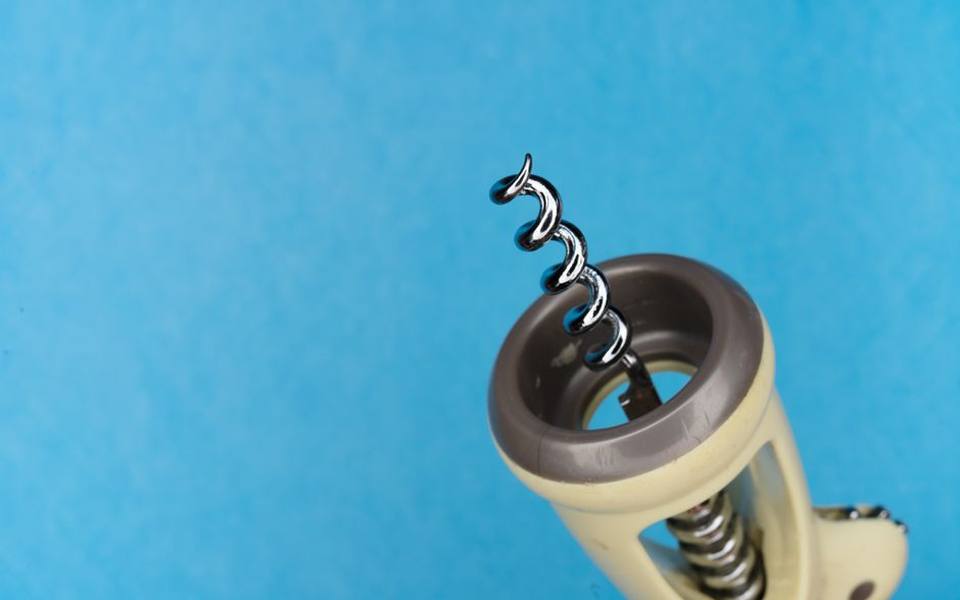
Widely recognized consumer models, such as the classic Oster wine opener and similar cordless charging stands, rely on internal rechargeable batteries to power a high-torque motor. When evaluating an Oster corkscrew opener or comparable motorized cork puller, the primary mechanical features to inspect are torque consistency and base stability. An effective Oster wine bottle opener seats firmly over the bottle lip, centering itself without wobbling, which prevents the spiral worm from drilling into the glass wall or shredding fragile wood.
Maintenance for these battery-powered units is straightforward but essential. Keep the spiral metal worm clean of dried wine sugars, and avoid forcing the motor through dense synthetic plugs if the unit sounds like it is struggling. While an electric Oster cork screw design handles standard natural closures and agglomerated plugs with ease, extremely aged or crumbly vintage corks still benefit from a gentle manual extraction tool instead of high-speed motorized torque.
Manual Waiter Screws and Leverage Openers
Despite the popularity of motorized units, the traditional hinged waiter's corkscrew remains the undisputed standard in hospitality service. Its pocket-sized form factor incorporates a serrated foil knife, a grooved worm, and a two-stage lever boot that rests on the glass rim. The two-step mechanical pivot allows you to extract the closure in two straight, controlled pulls, minimizing lateral pressure that might snap a long cork.
Lever-style countertop or clamp pullers provide another mechanical alternative for high-volume home entertaining. These tools use an overhead arm to drive the screw inward on the downward stroke and hoist the cork free on the upward stroke in a single fluid motion. While they take up more counter space than a waiter's tool, they offer steady alignment and reduce physical exertion without requiring battery charging or electrical outlets.
For old bottles where the wood has softened from decades of contact with moisture, two-prong extractors—often called ah-so openers—are invaluable. By sliding two thin spring-steel blades between the neck and the closure, you break the seal and twist the intact cork out without piercing its center. Combining a quality waiter's screw with an ah-so covers virtually every manual extraction scenario you will encounter.
Vacuum Stoppers and Daily Bottle Preservation
Oxygen is both a friend and an enemy to wine; while brief contact releases aromatic compounds, sustained exposure turns fruit notes flat and transforms ethanol into acetic acid. For everyday table wines intended for consumption across two or three days, mechanical vacuum systems remain the most practical defense. The familiar Vacu Vin wine saver approach uses a manual hand pump paired with reusable rubber stoppers featuring integrated slit valves.
Using a Vacu Vin wine saver pump takes only a few seconds: insert the rubber stopper into the opened neck, place the pump barrel over the valve, and stroke until you hear the distinct clicking sound signaling an adequate vacuum. Removing ambient air from the headspace slows oxidative degradation, typically buying forty-eight to seventy-two hours of fresh flavor for everyday reds and dry whites kept in a cool, dark cabinet or refrigerator.
Vacuum pumps have physical limitations that drinkers should recognize. They cannot pull a absolute laboratory vacuum, meaning a small fraction of oxygen stays in contact with the liquid surface. Furthermore, strong vacuum suction can pull volatile aroma molecules out of delicate, aromatic varieties like older pinot noir from premier Oregon wineries. For standard weeknight bottles, however, a reliable rubber-stopper pump is an inexpensive, indispensable asset.
Inert Gas Systems and Needle-Based Preservation
When dealing with collectible bottles, rare vintages, or situations where you only want a single glass over several months, simple vacuum stoppers fall short. This is where medical-grade inert gas technology, most notably the Coravin preservation system, fundamentally changes how a cellar is enjoyed. Instead of pulling the closure, a wine Coravin unit passes a thin, non-coring medical needle directly through the natural cork.
Once the needle penetrates the interior, the Coravin preservation system injects pure argon gas—an inert, heavy element that does not react with organic compounds—to pressurize the cavity. The pressure forces wine out through the hollow needle into your glass, and once the needle is withdrawn, the natural elasticity of the cork allows the wood cells to reseal themselves completely. The remaining liquid stays in an oxygen-free environment, effectively allowing the bottle to continue aging undisturbed.
Adopting a needle system allows wine lovers to enjoy varied pairings on a whim, mirroring the flexibility of tasting rooms offering wine by the glass without the pressure of having to finish seventy-five centiliters before oxidation sets in. Operating costs depend on the price of replacement argon capsules, which typically yield around fifteen five-ounce pours per cylinder. Keep in mind that screw-cap adapters exist, but synthetic plastic closures lack the natural memory required to seal back up after the needle exits.
Aeration Dynamics and Crystalline Decanters
Decanting serves two distinct functions: separating clear liquid from settled sediment in older bottles, and introducing oxygen to soften aggressive tannins in youthful, full-bodied reds. Pouring wine into a vessel with a broad base maximizes surface contact with ambient air, encouraging volatile sulfur compounds to dissipate and allowing closed aromatics to expand quickly. The material and design of the vessel directly influence this process.
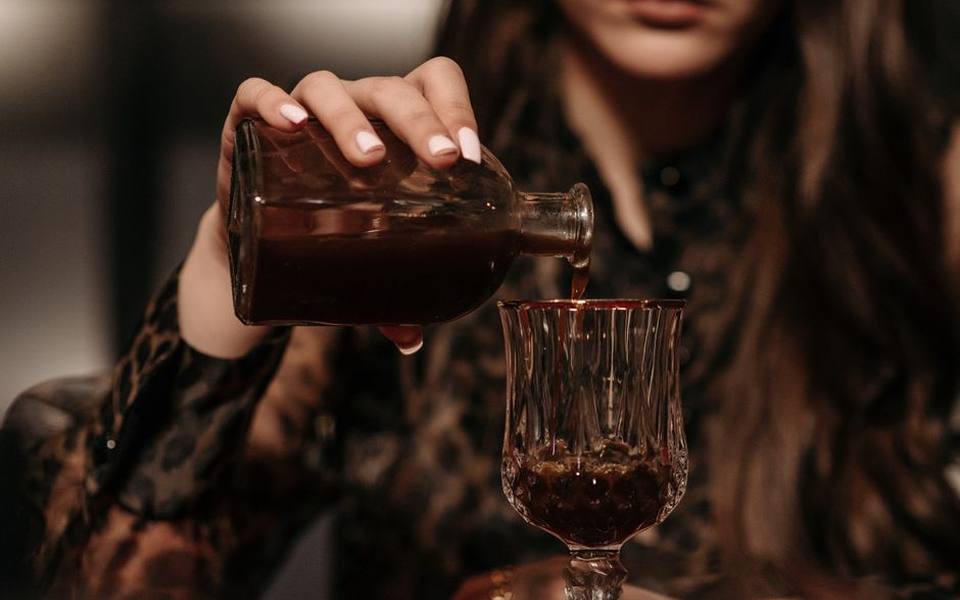
A modern crystalline decanter offers distinct advantages over traditional heavy lead crystal. Modern crystalline glass utilizes minerals like barium, titanium, or potassium instead of lead, producing a material that is completely food-safe, brilliantly clear, and highly resonant. Crystalline glass can be spun or blown into thinner, more elegant profiles while maintaining surprising tensile strength against chips and clouding during routine hand washing.
Choosing the right vessel shape depends on your drinking habits. A wide, flat-bottomed crystalline decanter provides the largest air-liquid interface, making it ideal for vigorous aeration of dense, young cabernet sauvignon or syrah from sun-drenched vineyards across California. Narrow, upright carafes are better suited for medium-bodied whites or aged reds where you simply want to catch sediment at the shoulder without overexposing the delicate, fragile fruit to sudden drafts of air.
Functional Bottle Holders and Tabletop Display
A practical wine and bottle holder serves both functional and aesthetic roles during meal service. Placing a cold white bottle directly on polished hardwood leaves moisture rings, while passing an open red around a crowded table invites spills and drips down the label. Dedicated tabletop cradles, counter stands, and insulated sleeves keep bottles secure, upright, and presentable throughout a gathering.
When choosing a wine and bottle holder for active dining, look for designs that combine stability with thermal regulation. Double-walled stainless steel or glazed ceramic cylinders hold cellar temperatures for up to two hours without requiring messy ice baths that soak paper labels. For tableside pouring, angled wrought-iron or wooden presentation cradles allow sediment to settle undisturbed along the lower curve while keeping the vintage label visible to dinner guests.
Countertop display racks, meanwhile, are best reserved for bottles scheduled for near-term consumption. Storing wine permanently in bright kitchen light or above a heat-generating appliance like a dishwasher or refrigerator degrades wine rapidly. Use decorative counter holders to showcase the bottles selected for the evening's dinner, returning the rest of your stash to cool, dark quarters until opening.
Managing, Sorting, and Crafting with Used Corks
As your bottle count grows, empty closures inevitably pile up. Many wine drinkers find it rewarding to sort and save their closures, whether as souvenirs of memorable meals or as raw materials for household projects. Natural bark closures possess unique mechanical properties—lightweight, buoyant, water-resistant, and resilient—that make craft wine corks surprisingly versatile for DIY trivets, bulletin boards, bath mats, and garden markers.
Before using craft wine corks for decorative or functional home crafts, it helps to sort them by composition. Whole-punch natural wood corks are dense and cut cleanly with a sharp utility knife, whereas agglomerated or composite plugs—made from pressed wood granules—tend to crumble if sliced thin. Synthetic plastic stoppers hold up well against outdoor moisture but do not take hot glue or wood stains as readily as natural cork bark.
To prep collected closures for crafting, steam them briefly over boiling water for a few minutes before cutting. Steaming restores lost moisture, swelling the compressed wood fibers and softening the interior so your blade glides through without splintering the surface. It is a satisfying way to commemorate notable bottles opened after fun vineyard travels and structured tasting flights with friends.
Storage Temperatures and Short-Term Staging
Even the best openers and preservation devices cannot rescue a bottle that has suffered heat damage in storage. Liquid expands when exposed to high ambient temperatures, breaking the airtight seal and accelerating chemical staling. A dark storage spot that stays consistently between fifty-five and sixty-five degrees Fahrenheit protects delicate esters and keeps natural closures moist against air ingress.

Horizontal storage remains the golden rule for any bottle sealed with natural wood bark. Keeping liquid in contact with the closure prevents the wood cells from drying, shrinking, and allowing ambient oxygen to seep inward. Synthetic closures and modern metal screw caps do not require horizontal positioning to maintain their seal, though horizontal racks still offer the most space-efficient way to organize multiple bottles in a home pantry or closet.
For daily convenience, consider keeping a compact dual-zone thermoelectric cooler or an insulated staging box near your dining area. This avoids the sudden temperature swings of kitchen cabinets and ensures your whites are not chilled to numb frigidity in a standard food refrigerator, nor your reds served at hot room temperature on summer evenings.
Cleaning, Maintenance, and Tool Care
Wine accessories require proper routine cleaning to prevent bacterial growth and flavor carryover between bottles. Decanters are notorious for accumulating stubborn red tannin rings around their interior bases. Never use harsh chemical dish detergents inside a narrow-neck carafe, as residual surfactants cling to the glass and ruin the delicate aromatics of subsequent pours.
Instead, clean a crystalline decanter using warm water and specialized stainless steel cleaning beads. Swirling these smooth metallic pellets with water creates gentle friction that lifts sediment and red stains off interior curves without scratching the crystalline surface. Allow the decanter to dry upside down on an elevated drying stand so moisture evaporates completely without leaving chalky mineral rings behind.
For mechanical and automatic openers, periodically inspect the non-stick coating on the spiral worm. If the Teflon or polymer finish wears away, the bare metal creates higher friction, which can chew up dry natural corks. A quick wipe with a damp microfiber cloth after each use keeps motorized housings and hand tools free of sticky juice and operating smoothly for years to come.
Published 2026-09-21 · reviewed with each rebuild, last September 2026.
Find wineries near you
The directory lists 14,608 wineries by state and city — pick your state or use the “Near me” button in the header.
More guides
-
 Service
How to Become a Sommelier: Career Paths, Tasting Technique, and Practical Service
-
 Service
What to Wear to a Winery: Practical Outfits, Etiquette, and Food Pairings
-
 Owning
The Ultimate Wine and Food Pairing Guide: From Cheese to Desserts
-
 Buying
Understanding Kosher, Organic, and Biodynamic Wines: Production, Storage, and Pairings
-
 Buying
A Guide to Ordering Wine Online and Purchasing Bulk Alcohol for Events
-
 Buying
The Chemistry of Wine Fermentation: Yeast Roles, Malolactic Conversion, and Flavor Balance
-
 Buying
Understanding the Wine Sweetness Scale: From Crisp Dry to Indulgent Sweet
-
 Money
MoneyWine Tasting Costs Explained: What to Expect in Napa Valley and Beyond
-
 Owning
The Ultimate Guide to Charcuterie Boards: Styling, Pairings, and Recipes
-
 Owning
Crystal Wine Glassware Guide: Types, Brands, Care, and Stemless Styles
-
 Buying
Understanding Bold Reds: Dry Wines, Tannin Profiles, and Old Vine Zinfandels
-
 Storage
Choosing the Best Wine Fridge: Sizing, Cooling Zones, and Placement Guide
-
 Buying
Non-Alcoholic Wine Guide: Methods, Profiles, and What to Expect
-
 Buying
Personalized Wine Gifts: Custom Bottles, Engraved Glasses, and Custom Labels
-
 Buying
White and Rosé Wines: From Crisp Whites to Dry Rosés and Late Harvest Riesling
-
 Buying
Food and Wine Pairing Guide: Salmon, Turkey, Ham, Lamb, and Lasagna
-
 Buying
Large Format Wine Bottles: Magnums, Jeroboams, and Champagne Sizes Explained
-
 Service
Farm Wineries, Agritourism, and Sustainable Vineyard Experiences Across America
-
 Owning
Wine and Food Pairing Guide: Charcuterie Boards, Cheeses, and Dinner Courses
-
 Buying
Specialty Wines, Modern Cellar Styles, and Buying Smart Online
-
 Owning
Planning Memorable Vineyard Visits, Historic Estates, and Tasting Room Escapes
-
 Buying
Sweet and Refreshing White Wines: A Guide to Styles, Grapes, and Tasting Profiles
-
 Service
Cooking with Wine and the Practical Art of Culinary Pairings
-
 Owning
Luxury Glassware and Crystal Stemware: A Guide to Vintage Patterns, Modern Makers, and Care
-
 Storage
Modern Wine Refrigerators and Coolers: Sizing, Placement, and Everyday Performance
-
 Service
Winery & Vineyard Weddings: Venues, Planning, and Event Etiquette
-
 Owning
Electric Wine Openers, Vacuum Stoppers, and Preservation Systems: A Complete Guide
-
 Safety
Traveling with Wine: Suitcases, Luggage Bags, and Airline Rules
-
 Buying
Red Wine Varietals Explained: Malbec, Cabernet, Merlot, and Zinfandel
-
 Owning
Artisan Charcuterie Boards and Wine Party Snack Styling Guide
-
 Buying
Finding and Repurposing Used Oak Wine Barrels for Home and Garden
-
 Buying
Garlic Infused and Extra Virgin Olive Oils: Flavors, Brands, and Culinary Uses
-
 Buying
US Wine Trails and Estate Wineries: Scenic Routes and Destination Guide
-
 Buying
Crystal Wine Glasses, Fine Stemware, and Barware Accessories Guide
-
 Service
The Complete Guide to Winery Visits: Tastings, Vineyard Tours, and Visitor Experiences
-
 Owning
Pairing Wine with Charcuterie, Cheeses, and Seasonal Dinners
-
 Buying
Wine Glassware, Decanters, and Accessories Buyer Guide
-
 Storage
Home Wine Storage, Refrigeration, and Cellar Inventory Guide
-
 Buying
Winery Tours, Tasting Room Experiences, and Vineyard Weddings