Understanding Winery and Vineyard Event Properties
Choosing a working agricultural property for a private gathering offers an unforgettable atmosphere, but it also introduces specific logistical realities. Working estates generally divide their event operations between functional vineyard grounds, production barrel cellars, and dedicated hospitality pavilions. Unlike conventional banquet facilities, these sites are operating farms where seasonal agricultural tasks—such as canopy management, chemical sprays, and grape harvesting—dictate availability, visual appearance, and access corridors throughout the calendar year.
When exploring potential winery wedding locations, the initial step is determining whether an estate functions purely as a tasting room with rented grounds or possesses dedicated hospitality facilities. A full-scale winery wedding venue typically features indoor backup options, commercial culinary spaces, and dedicated restrooms designed to accommodate larger groups. In contrast, rustic vineyard locations may only provide an open grassy knoll framed by vines, requiring the client to arrange portable sanitation, tenting, generators, and gray-water disposal independently.
Navigating the terminology is equally important when reviewing contracts. Some winery venues rent their spaces on an exclusive-use basis, shutting down the public tasting room entirely during your celebration, while others hold events parallel to public daytime operations. Clarifying visitor borders, shared parking, and public foot traffic upfront prevents unexpected onlookers during your vows or private speeches, making your gathering feel appropriately secluded and organized.
Logistics and Infrastructure for Outdoor Vineyard Ceremonies
Outdoor vineyard wedding venues are visually stunning, yet they present distinct physical challenges for both event hosts and their guests. Active vine rows feature uneven turf, gravel access lanes, exposed drip irrigation lines, and loose soil that can soften considerably after unexpected precipitation. When mapping ceremony layouts, planners should verify the grade of the ceremony aisle and seating pad, ensuring that elderly guests or those with limited mobility can navigate from drop-off areas safely.
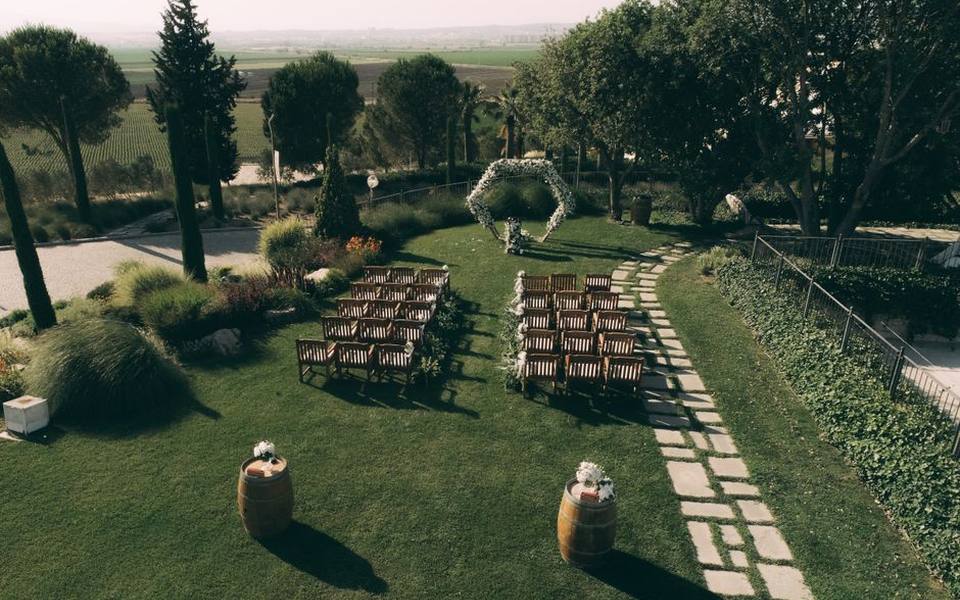
Power and utility management remain crucial considerations when moving outside traditional indoor spaces. Band setups, catering warming stations, string lighting, and amplified sound systems quickly exceed the output of standard domestic outdoor outlets. Event coordinators typically recommend renting whisper-quiet commercial generators placed downwind, alongside heavy-duty cable runners to prevent tripping hazards. Having a dedicated electrician or venue engineer on standby prevents blown fuses during crucial moments like dinner service or speeches.
Weather contingency planning requires an actionable, step-by-step roadmap rather than a vague backup option. Temperature drops among the vines can be sudden once the sun dips below valley ridges, while midday summer heat can wilt floral arrangements and melt confections rapidly. Reliable sites often maintain permanent pavilions or partner with rental firms capable of installing sturdy marquee tents on short notice, complete with side panels, industrial fans, or radiant patio heaters depending on the local climate.
Beverage Commitments, Corkage, and Catering Structures
Beverage policies represent one of the most distinctive aspects of booking a winery wedding venue. Nearly all estates require that hosts purchase wine produced exclusively on the property for table service and bars. These agreements often mandate a minimum case purchase or a per-person beverage spending commitment that exists independently of the venue rental fee. Understanding these requirements early in the financial planning process ensures your overall catering budget remains realistic.
Licensing regulations in many states strictly govern what can and cannot be served on winery grounds. Because many estates hold agricultural wine and beer licenses rather than comprehensive full-liquor licenses, serving distilled spirits or custom cocktails may be legally prohibited or necessitate expensive temporary permits. For beer, some properties permit outside craft kegs from regional breweries, while others limit selections strictly to their own brand and approved local partners.
Dining arrangements vary dramatically depending on whether the estate maintains an operational commercial kitchen. Exploring wineries with on-site food allows hosts to coordinate farm-to-table menus directly with the resident culinary director, simplifying communications. Alternatively, venues lacking dedicated kitchens maintain preferred vendor lists of licensed external caterers who bring their own mobile prep equipment, commercial refrigeration trailers, and culinary waste removal protocols.
Tasting Rooms, Barrel Cellars, and Private Party Rooms
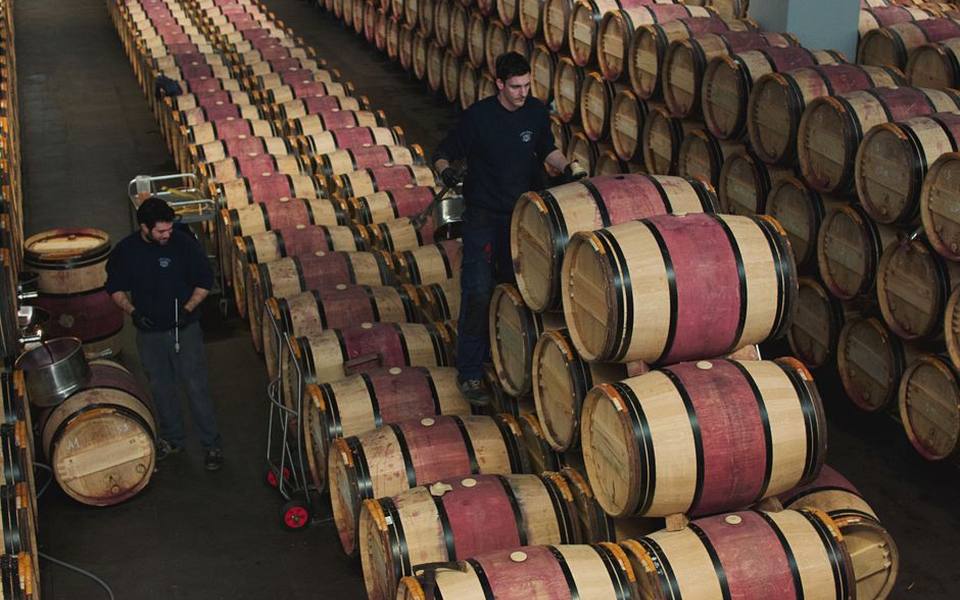
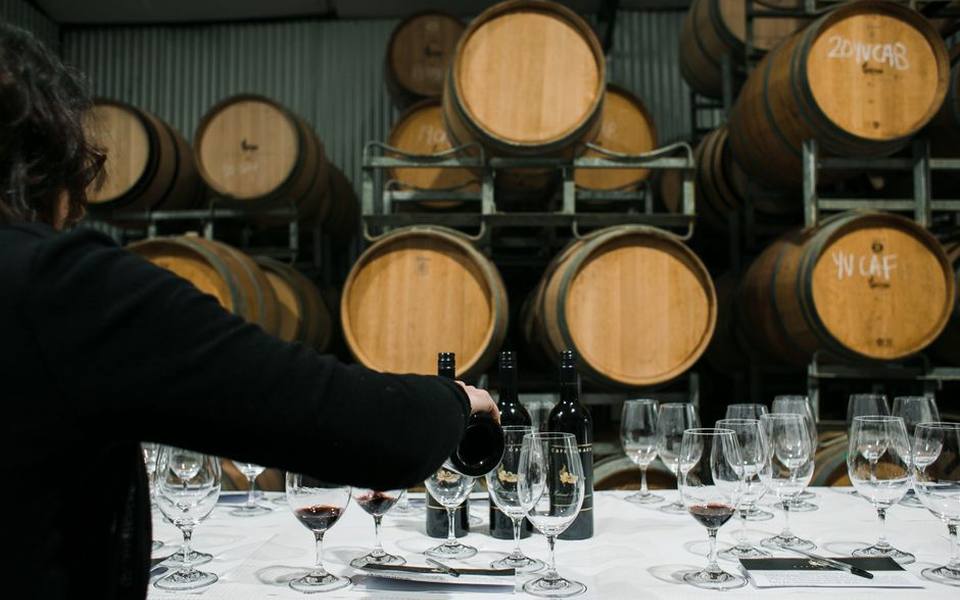
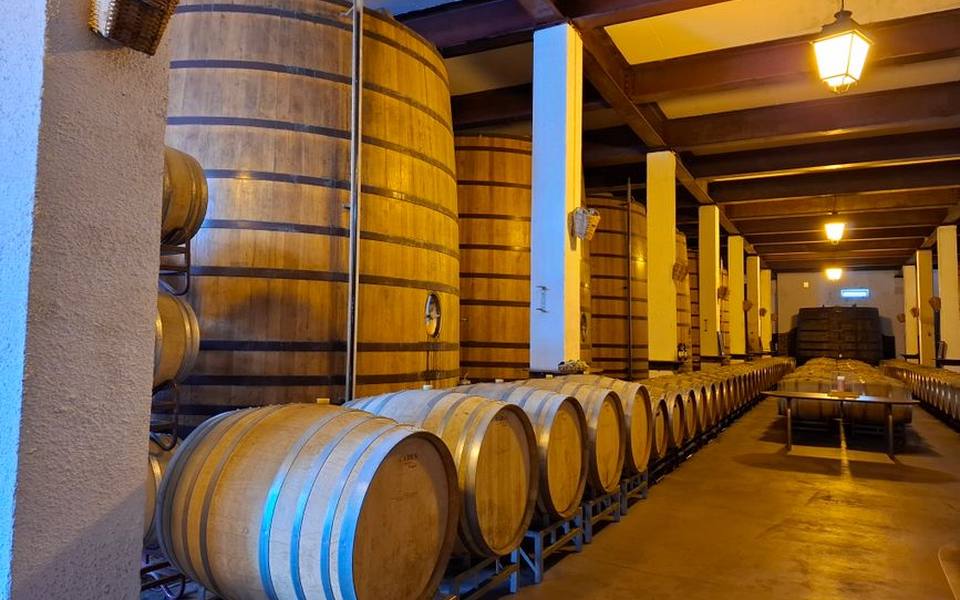
For groups seeking smaller gatherings or mid-scale celebratory dinners, reserving private party rooms restaurants or dedicated barrel rooms within an estate provides rich ambiance without the overhead of renting entire grounds. Barrel cellars naturally regulate ambient temperature and offer a dramatic visual backdrop of stacked oak aging barrels, dim ambient sconce lighting, and distinct earthy aromas that instantly ground guests in the winemaking tradition.
These semi-private and private party spaces serve as excellent environments for rehearsal dinners, intimate anniversaries, or modest ceremonies. However, barrel storage facilities often feature strict acoustic, humidity, and temperature conditions. Ambient room temperatures in aging rooms typically hover between fifty-five and sixty degrees Fahrenheit, requiring hosts to alert guests regarding outerwear, while low ceiling clearance and stone floors may cause musical echoes that necessitate sound dampening or acoustic-focused musical acts.
Booking private party rooms restaurants inside winery properties also eliminates many of the vendor rental headaches associated with open vineyard lawns. Tables, commercial glassware, tableware, and climate control are built into the facility cost. When evaluating these interior spaces, inquire whether your reservation grants private restroom access or if guests will share facilities with regular tasting room patrons, which influences the overall exclusivity of your gathering.
Planning a Vineyard Bridal Shower
Hosting a bridal shower at winery grounds blends leisurely daytime socializing with curated culinary experiences. Unlike hectic banquet halls, agricultural settings encourage relaxed, unhurried gatherings where guests can sit among garden borders or shaded verandas. The natural beauty of vine rows and surrounding hills reduces the need for elaborate decorative installations, allowing the estate landscape to set an effortless aesthetic tone.
Timing is key when scheduling daytime celebrations. Booking early afternoon blocks before public tasting rooms reach peak traffic ensures dedicated attention from cellar staff and smoother parking for arriving guests. Reserving spaces at wineries with outdoor seating provides comfortable open-air dining areas, shaded pergolas, and panoramic views while keeping attendees comfortable under variable sun exposure.
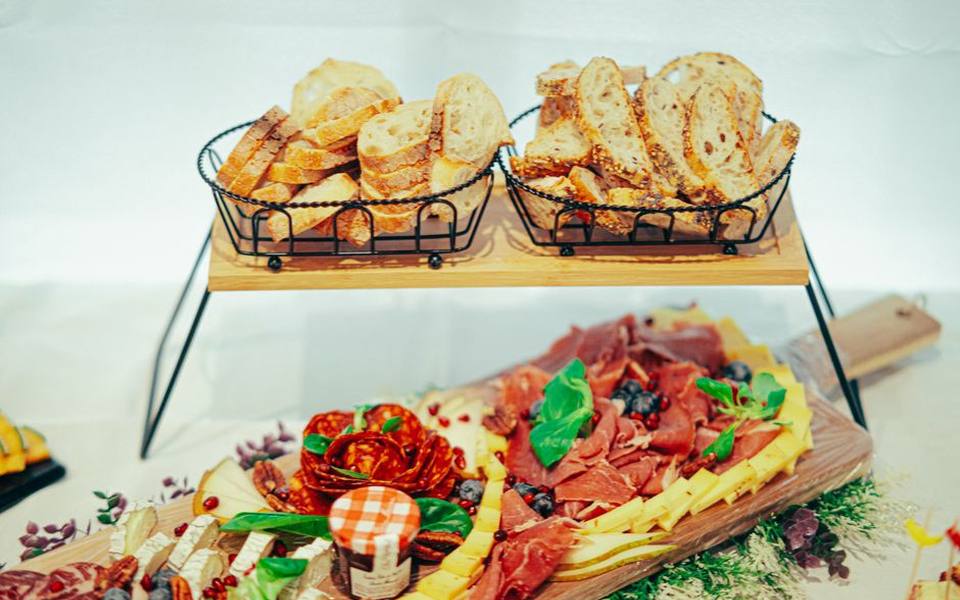
Menu planning for bridal gatherings typically focuses on light, seasonal courses that harmonize with current cellar releases. Lightly chilled dry rosés, sparkling wines, and vibrant white varietals pair naturally with artisanal charcuterie, fresh salads, and mild cheeses. Coordinating a structured educational introduction from a cellar associate elevates the afternoon from a standard luncheon into an engaging, interactive culinary discovery for attendees of all experience levels.
Organizing a Wine-Themed Bachelorette Weekend
A winery themed bachelorette party offers an appealing alternative to chaotic urban nightlife, highlighting relaxed exploration and scenic group dining. However, a wine themed bachelorette requires thoughtful pre-planning, particularly regarding schedule density and group dynamics. Attempting to visit more than three estates in a single afternoon frequently leads to sensory fatigue, delays, and compromised road safety, turning an otherwise celebratory outing into a rushed and exhausting marathon.
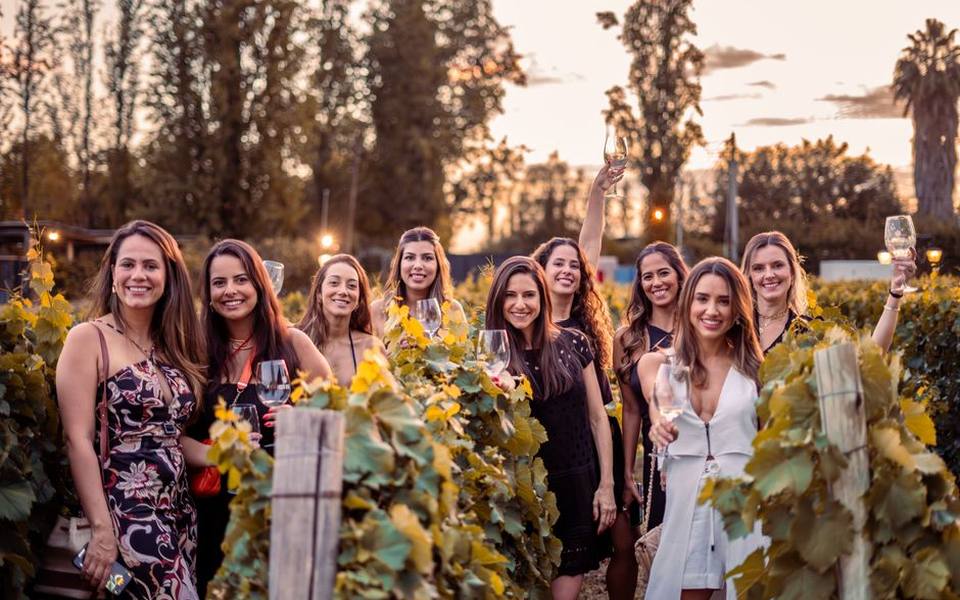
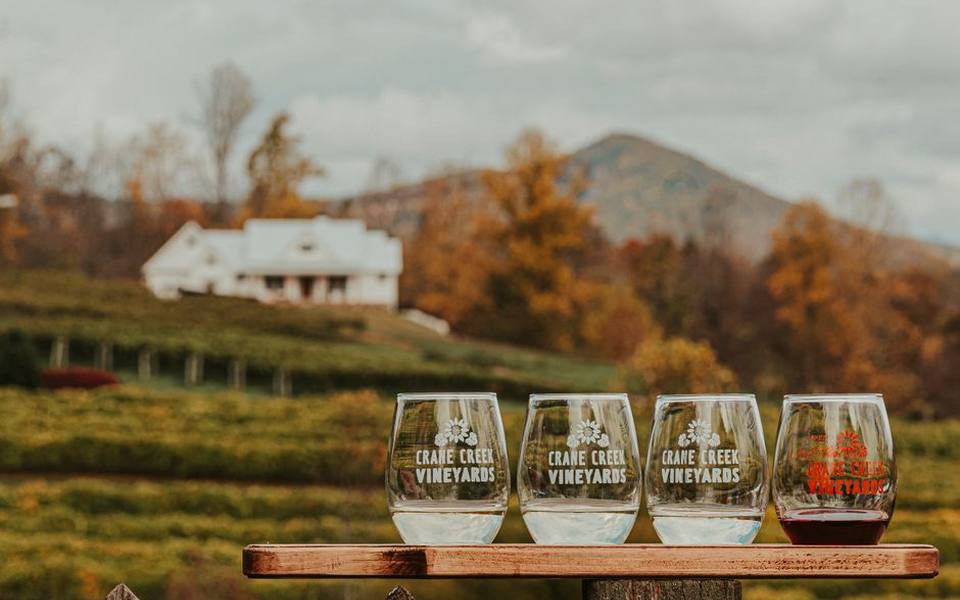
When coordinating a bachelorette party winery excursion, groups should secure reservations well in advance rather than arriving unannounced. Most properties require advance notice and private hosting deposits for parties exceeding six to eight guests. Reserving spaces that offer curated wine tasting flights allows every participant to explore multiple expressions at a controlled, measured pace while enjoying reserved communal tables and personal hospitality service.
Safe transit logistics must remain the central foundation of any day-trip itinerary. Professional passenger vans, limousines, or chartered shuttle buses guarantee that everyone travels safely without designating personal drivers among friends. Moreover, estate management teams frequently deny entry to rowdy, visibly intoxicated, or unruly parties; establishing a sophisticated, respectful tone among your traveling group ensures a seamless and hospitable welcome at every cellar door on your route.
Corporate Retreats and Private Business Functions
Scenic agricultural estates are increasingly popular as corporate retreat locations, providing executives and team members with peaceful environments removed from conventional office distractions. The quiet surroundings facilitate strategic planning sessions, executive board meetings, and team-building workshops during morning hours, seamlessly transitioning into informal networking dinners and relaxed discussions as the day concludes.
Facilities hosting business clients generally configure private conference rooms within restored historic homesteads, barrel rooms, or dedicated VIP guest houses. Successful corporate gatherings require robust technical infrastructure, including high-speed internet connections, reliable presentation displays, and ample power stations for attendee devices. Event organizers should verify network speeds across all event spaces beforehand, as cellular reception in rural agricultural valleys can be notoriously spotty.
After daytime agendas wrap up, hands-on group activities help break down corporate hierarchies and strengthen professional relationships. Many organizations integrate guided winery tours into their schedules, allowing attendees to walk agricultural blocks, learn about sustainable viticulture, and witness fermentation facilities firsthand. Pairing these tours with blind blending seminars or seasonal barrel tastings sparks collaborative problem-solving in an engaging, low-pressure atmosphere.
Seasonal Considerations Across Major Viticultural Regions
Selecting the ideal calendar window for an estate event depends heavily on the geographic location and its specific viticultural cycle. In major hubs like California winery venues, spring brings bright wildflowers between the vine rows and crisp temperatures, while midsummer offers vibrant green canopies and dependable warmth. However, peak summer in interior valleys can bring intense afternoon heat that mandates evening-only ceremonies or air-conditioned interior dining.
Early autumn represents harvest season—known industry-wide as the crush—which brings a captivating buzz of winemaking activity alongside distinct operational constraints. While the visual backdrop of golden vine canopies and loaded fruit clusters is unmatched, harvest schedules are determined solely by weather and grape maturity. Heavy machinery operates on unpredictable hours, industrial destemmers create mechanical noise, and production staff prioritize grape processing, meaning weekend venue access during harvest can involve strict spatial boundaries.
Regional climates across the country require localized preparation. Mid-Atlantic and southern estates often face late-summer humidity and sudden convective storms, making covered pavilions essential. Pacific Northwest properties offer lush, scenic backdrops but require thorough rain contingencies well into late spring and early autumn. Researching local frost cycles, harvest timelines, and historical precipitation patterns protects both the event schedule and guest comfort.
Guest Etiquette, Attire, and Transportation Protocols
Attending celebrations on working agricultural property requires guests to adapt their expectations regarding attire and movement. Traditional formal dress can prove impractical when walking across damp turf, cobblestone patios, or unpaved farm lanes. Hosts should clearly communicate recommendations on invitation inserts or wedding websites, suggesting block heels, wedges, or stylish flats instead of narrow stiletto heels that inevitably sink into lawn surfaces.
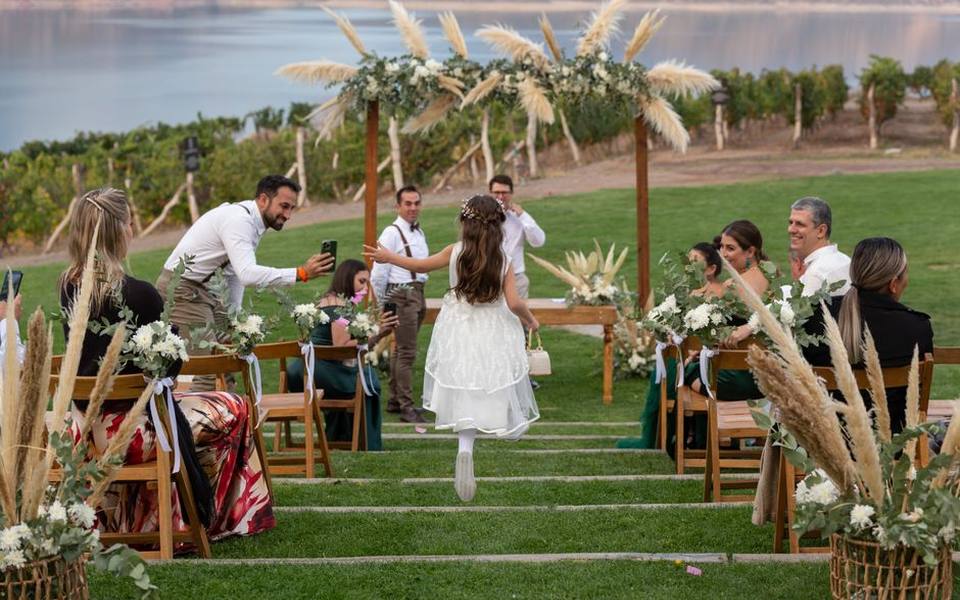
Encouraging layered clothing is equally helpful for guest comfort. Vineyard locations often experience dramatic diurnal temperature shifts; a balmy afternoon can transform into a chilly evening as soon as the sun dips behind surrounding hills. Light wraps, tailored jackets, or shawls allow guests to enjoy outdoor cocktail hours and fire pit lounges comfortably without retreating prematurely to enclosed spaces or their vehicles.
Coordinating group transportation through private shuttles or shared coaches is a hallmark of responsible event planning. Most vineyard properties are located miles away from city centers and lodging districts along winding, unlit rural roads lacking streetlights or cellular coverage. Providing pre-scheduled transportation pick-ups from central hotels protects your guests, minimizes vehicular traffic along quiet country lanes, and eliminates worries regarding local ride-share availability after midnight.
Contract Realities, Hidden Fees, and Site Coordinators
Before signing an event agreement with a vineyard venue, review all cost clauses carefully to avoid unexpected budget surprises. Baseline rental fees rarely encompass all required services. Estates frequently charge separate line-item fees for post-event trash removal, security staff, parking attendants, sound permit management, and cleaning deposits. Clarifying exactly what the site fee covers protects your event budget from costly end-of-service reconciliations.
Time limits and strict sound curfews represent another vital contract parameter. Because many vineyards border neighboring residential parcels or agricultural preserves, municipal noise ordinances typically require outdoor amplified music to conclude by ten or eleven in the evening. Understanding curfew cutoffs allows you to plan an appropriately paced reception timeline or coordinate a designated after-party at a nearby downtown tavern or hotel lounge.
Finally, distinguish clearly between the venue’s on-site event sales manager and an independent day-of wedding coordinator. The venue representative protects the property, oversees facility access, enforces noise curfews, and manages in-house beverage inventory. Hiring an independent, dedicated coordinator ensures that personal details, vendor timelines, family arrivals, and table styling receive focused, devoted attention from start to finish.
Published 2026-09-21 · reviewed with each rebuild, last September 2026.
Find wineries near you
The directory lists 14,608 wineries by state and city — pick your state or use the “Near me” button in the header.
More guides
-
 Service
How to Become a Sommelier: Career Paths, Tasting Technique, and Practical Service
-
 Service
What to Wear to a Winery: Practical Outfits, Etiquette, and Food Pairings
-
 Owning
The Ultimate Wine and Food Pairing Guide: From Cheese to Desserts
-
 Buying
Understanding Kosher, Organic, and Biodynamic Wines: Production, Storage, and Pairings
-
 Buying
A Guide to Ordering Wine Online and Purchasing Bulk Alcohol for Events
-
 Buying
The Chemistry of Wine Fermentation: Yeast Roles, Malolactic Conversion, and Flavor Balance
-
 Buying
Understanding the Wine Sweetness Scale: From Crisp Dry to Indulgent Sweet
-
 Money
MoneyWine Tasting Costs Explained: What to Expect in Napa Valley and Beyond
-
 Owning
The Ultimate Guide to Charcuterie Boards: Styling, Pairings, and Recipes
-
 Owning
Crystal Wine Glassware Guide: Types, Brands, Care, and Stemless Styles
-
 Buying
Understanding Bold Reds: Dry Wines, Tannin Profiles, and Old Vine Zinfandels
-
 Storage
Choosing the Best Wine Fridge: Sizing, Cooling Zones, and Placement Guide
-
 Buying
Non-Alcoholic Wine Guide: Methods, Profiles, and What to Expect
-
 Buying
Personalized Wine Gifts: Custom Bottles, Engraved Glasses, and Custom Labels
-
 Owning
Essential Wine Accessories: Openers, Preservation Systems, Decanters, and Storage
-
 Buying
White and Rosé Wines: From Crisp Whites to Dry Rosés and Late Harvest Riesling
-
 Buying
Food and Wine Pairing Guide: Salmon, Turkey, Ham, Lamb, and Lasagna
-
 Buying
Large Format Wine Bottles: Magnums, Jeroboams, and Champagne Sizes Explained
-
 Service
Farm Wineries, Agritourism, and Sustainable Vineyard Experiences Across America
-
 Owning
Wine and Food Pairing Guide: Charcuterie Boards, Cheeses, and Dinner Courses
-
 Buying
Specialty Wines, Modern Cellar Styles, and Buying Smart Online
-
 Owning
Planning Memorable Vineyard Visits, Historic Estates, and Tasting Room Escapes
-
 Buying
Sweet and Refreshing White Wines: A Guide to Styles, Grapes, and Tasting Profiles
-
 Service
Cooking with Wine and the Practical Art of Culinary Pairings
-
 Owning
Luxury Glassware and Crystal Stemware: A Guide to Vintage Patterns, Modern Makers, and Care
-
 Storage
Modern Wine Refrigerators and Coolers: Sizing, Placement, and Everyday Performance
-
 Owning
Electric Wine Openers, Vacuum Stoppers, and Preservation Systems: A Complete Guide
-
 Safety
Traveling with Wine: Suitcases, Luggage Bags, and Airline Rules
-
 Buying
Red Wine Varietals Explained: Malbec, Cabernet, Merlot, and Zinfandel
-
 Owning
Artisan Charcuterie Boards and Wine Party Snack Styling Guide
-
 Buying
Finding and Repurposing Used Oak Wine Barrels for Home and Garden
-
 Buying
Garlic Infused and Extra Virgin Olive Oils: Flavors, Brands, and Culinary Uses
-
 Buying
US Wine Trails and Estate Wineries: Scenic Routes and Destination Guide
-
 Buying
Crystal Wine Glasses, Fine Stemware, and Barware Accessories Guide
-
 Service
The Complete Guide to Winery Visits: Tastings, Vineyard Tours, and Visitor Experiences
-
 Owning
Pairing Wine with Charcuterie, Cheeses, and Seasonal Dinners
-
 Buying
Wine Glassware, Decanters, and Accessories Buyer Guide
-
 Storage
Home Wine Storage, Refrigeration, and Cellar Inventory Guide
-
 Buying
Winery Tours, Tasting Room Experiences, and Vineyard Weddings