What to Expect When Paying for a Wine Tasting
Visiting a tasting room typically involves paying a set fee to sample a curated flight of wines, usually ranging from four to six distinct pours. In emerging or regional wine belts, a standard flight generally costs between $15 and $30 per guest. This fee covers the pour service, educational guidance from a tasting room educator, and the maintenance of stemware and facility spaces. In recent years, complimentary tastings have largely vanished from commercial wine regions, replaced by structured reservations.
Many venues continue to offer tasting fee waivers if you purchase a minimum number of bottles or sign up for their quarterly allocation club. For casual visitors exploring wine tasting flights, these policies mean that buying two or three bottles often offsets the entry price entirely. However, policies vary significantly by producer size, with boutique operations more likely to credit a single flight against a case purchase rather than a single bottle.
The format of the pour also influences the final bill. Walk-up bar counter pours generally represent the lowest price tier, whereas seated experiences, vineyard walks, or cave tours sit at a higher premium. Knowing what kind of ambiance you prefer helps prevent surprise expenses, as seated library pours naturally carry larger service surcharges than a quick pour at the central counter.
The Reality of Tasting Fees Across Napa Valley
In California's premier wine corridors, tasting fees sit well above the national median. Travelers booking visits across Napa Valley typically encounter base flight costs starting around $40 to $65 per person for current-release wines. Premium estates, historical landmarks, and boutique hillside properties frequently price their standard entry flights between $90 and $150. If the experience incorporates private estate tours, older library vintages, or food pairings, fees can comfortably exceed $200 per guest.
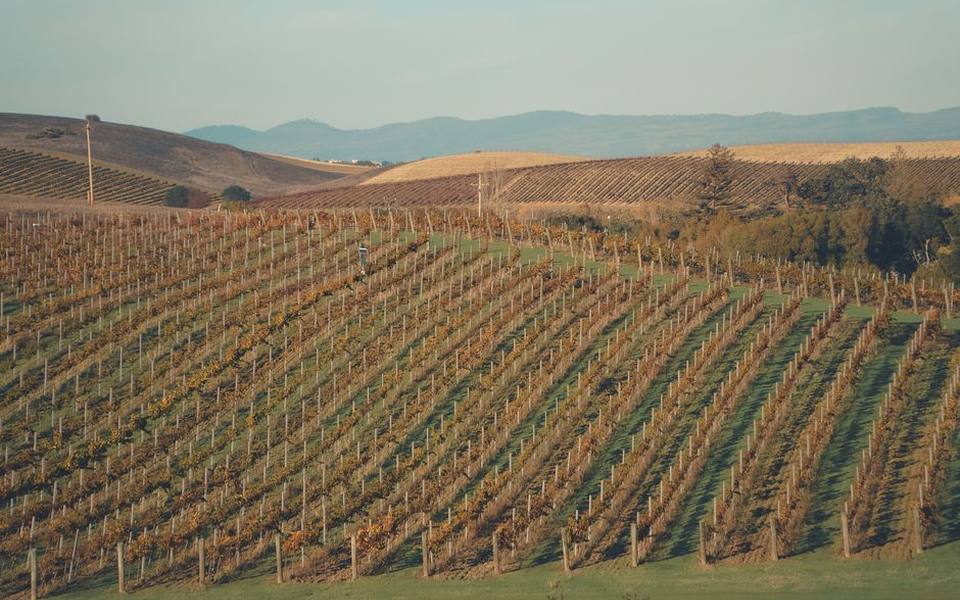
Almost all wineries in California located throughout the Napa corridor require advance reservations rather than walk-in service. Because staffing and seatings are carefully timed, tasting rooms treat these reservations like fine dining bookings, frequently charging non-refundable deposits or full upfront payments. Waiver thresholds are correspondingly steep, often requiring bottle purchases exceeding $150 to $300 to eliminate a single guest tasting fee.
Planning a day in Napa requires accounting for these fixed numbers alongside local taxes and hospitality gratuities. A realistic itinerary covering three estate visits in a single day can easily generate tasting fees of $180 to $350 per person before accounting for transportation, meals, or bottle purchases. Budget-conscious travelers often mix one marquee estate with smaller family-run properties located along the Silverado Trail or down in Carneros to balance costs.
Regional Tasting Prices Beyond Northern California
Stepping outside high-demand regions like Napa and Sonoma reveals significantly more accessible pricing structures. In the Pacific Northwest, visiting regional cellars in Washington and Oregon usually entails tasting fees between $20 and $40, with Pinot Noir specialty producers in the Willamette Valley trending toward the higher end of that bracket. These regions often maintain more generous fee-waiver thresholds, frequently dropping the charge with a two-bottle purchase.
Across the mid-Atlantic, the Midwest, and the South, cellar visits are frequently priced for leisure day-trippers. Booking time at regional wineries offering tastings in states like Virginia, Pennsylvania, Ohio, or Texas typically costs between $12 and $25 per flight. These locations often emphasize relaxed weekend visits, outdoor seating pavilions, and picnic areas where guests linger over a single purchased board or bottle after completing their flight.
Urban tasting rooms situated in major metropolitan downtowns follow a hybrid financial model. Because commercial rent and municipal overhead are high, tasting fees in cities like Seattle, Austin, or Chicago generally fall between $25 and $45 per flight. However, they eliminate the need for rural car rentals, long highway drives, and designated drivers, offering an economical overall day trip for city residents.
Understanding What Wine Actually Tastes Like on the Palate
First-time tasters are often confused by tasting notes describing graphite, tobacco, or stone fruit, expecting the liquid to taste like blended juice. In reality, wine tastes primarily like fermented grapes structured around five core sensory pillars: sweetness, acidity, tannin, alcohol, and body. How these five elements interact determines whether a pour feels crisp and refreshing, plush and heavy, or dry and astringent on the tongue.
Acidity provides the mouthwatering sensation felt along the sides of your jaw, giving life and freshness to white wines like Sauvignon Blanc and lighter reds like Pinot Noir. Tannins, derived from grape skins, seeds, and oak barrels, create a drying, textured friction across your gums and tongue similar to strongly steeped black tea. Alcohol delivers warmth in the back of the throat and contributes to the perceived weight or viscosity of the liquid in your mouth.
When evaluating a glass, look past the initial fruit impression and consider balance. A well-crafted wine does not allow any single element—such as harsh alcohol heat, sour acidity, or aggressive wood bitterness—to overpower the rest. As you swallow, note the finish, which is the duration and quality of the flavors that linger on your palate after the glass is put down.
Why and How Long Wine Needs to Breathe
The concept of letting wine breathe simply means exposing the liquid to oxygen so that tight aromatic compounds expand and volatile gases disperse. When a bottle remains sealed under a cork or screwcap for months or years, sulfur compounds and concentrated alcohols can dominate the initial pour. Introducing ambient air triggers oxidation and evaporation, which softens aggressive tannins and helps nuanced fruit and floral aromas emerge.
Merely pulling the cork out of a bottle and leaving it upright on the kitchen counter does virtually nothing useful. The narrow opening of a standard bottle neck provides less than an inch of exposed surface area, meaning the air exchange is minimal even after several hours. To genuinely let a wine breathe, you must pour it into a wide vessel or into individual glasses where surface area exposure is substantially increased.
How long a bottle should breathe depends on its youth, grape variety, and construction. Young, full-bodied reds with intense tannins typically need between 30 and 60 minutes of air to open up properly. Delicate, aged bottles over fifteen years old, by contrast, require caution: they may release their best aromas within 15 minutes of opening and can fade rapidly if left exposed to open air for several hours.
The Art of Decanting Red Wine Properly
Decanting serves two distinct functions: separating clear wine from bitter sediment and accelerating aeration for young, tightly wound bottlings. Sediment naturally forms in older red wines as pigment and tannins bind together over years of resting. To decant an older bottle, leave it standing upright for 24 hours prior to service so the fine particles settle quietly to the bottom of the glass base.
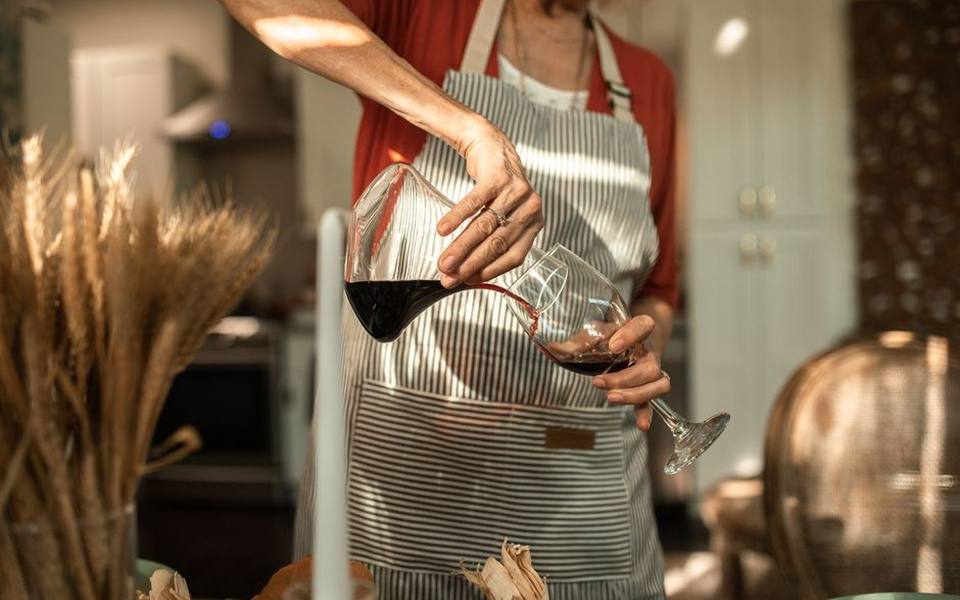
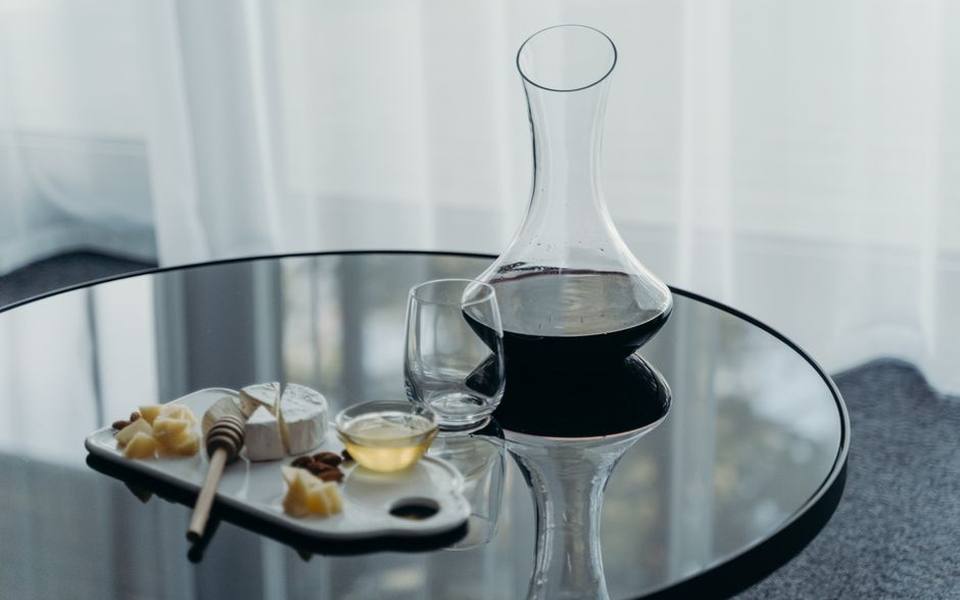
When using a standard glass decanter, pour the liquid slowly and steadily against the inner curvature of the neck without stopping. Keep a soft light source, such as a small flashlight or candle, directly beneath the bottle shoulder as you pour. The moment you see cloudy sediment or dark specks drifting toward the neck, halt the pour immediately; leave the remaining ounce or two behind in the bottle to keep your serving vessel clean.
For younger red wines that lack sediment, decanting is purely about aeration. You can splash the liquid more vigorously into the decanter to incorporate ambient oxygen. Heavy varieties like Cabernet Sauvignon, Syrah, and Nebbiolo typically show dramatic improvement after resting in a decanter for one to two hours, whereas lighter reds like Pinot Noir rarely require more than 20 to 30 minutes.
How to Decant Wine Without a Traditional Decanter
You do not need dedicated crystal glassware to aerate a bottle effectively; any clean, non-reactive household container with ample surface area works well. A glass water pitcher, a wide ceramic beverage jug, or even a clean glass mason jar can serve as an improvised decanter. The primary objective is simply providing sufficient room for the liquid to spread out and interact with surrounding oxygen.
A practical method known as double decanting requires only a secondary vessel and the original wine bottle. Pour the wine slowly into your temporary pitcher or glass jug, letting it splash gently against the sides. Once the bottle is completely empty, rinse out any sediment clinging to the interior walls with cold water, invert it to dry, and use a clean funnel to pour the wine straight back inside.
Double decanting offers two distinct practical advantages: it aerates the liquid thoroughly while returning it to its original packaging, which keeps the table looking neat and preserves the label for guests to view. If you find yourself in a hotel room without extra pitchers, pouring half a glass and giving it a vigorous swirl every few minutes achieves a similar softening effect over a half-hour period.
How to Age Wine Successfully at Home
Aging wine requires steady environmental conditions, but only a small minority of bottles actually improve with long-term cellaring. Most commercial wines sold today are produced for immediate consumption within one to three years of their vintage date. Bottlings suited for ten or more years of cellaring generally possess robust natural acidity, dense tannins, concentrated fruit flavors, and balanced alcohol that allow them to evolve rather than simply decay.
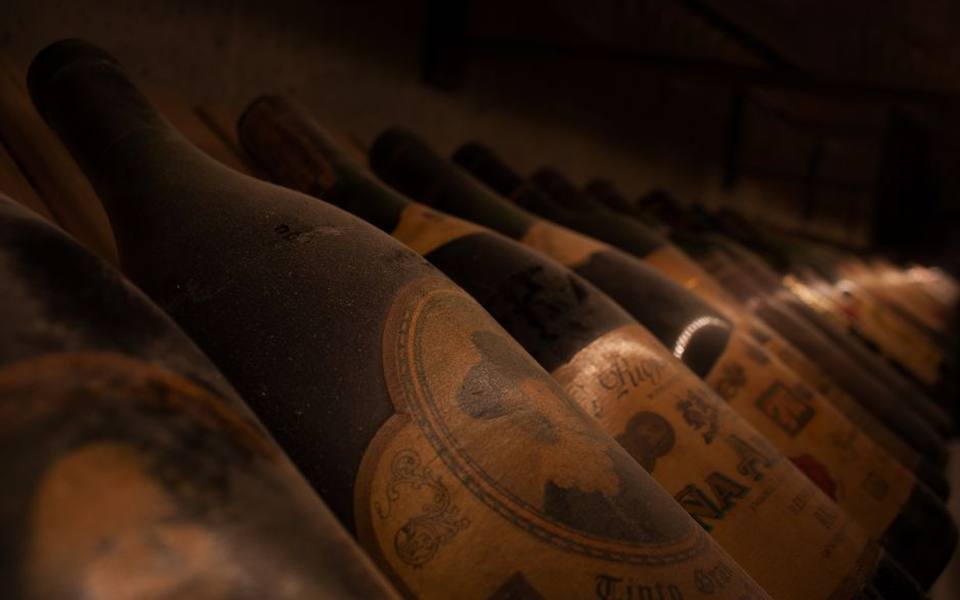
To age suitable bottles successfully, temperature stability is far more critical than chilling degree. While the ideal cellaring baseline sits around 55 degrees Fahrenheit, a steady 60 degrees is vastly superior to a room that fluctuates wildly between 50 and 75 degrees. Rapid seasonal temperature swings cause the liquid inside the bottle to expand and contract, which compromises the cork seal, draws in oxygen, and cooks the delicate flavors.
Bottles sealed with natural cork should always rest horizontally on their sides to keep the cork moist and swollen against the glass neck. A dry cork shrinks over time, admitting excessive oxygen that rapidly oxidizes the liquid into vinegar. Additionally, keep your storage space dark and quiet; continuous exposure to direct sunlight or harsh ultraviolet light destroys organic compounds, while constant mechanical vibrations can disturb sediment and accelerate spoilage.
Keeping Open Bottles Fresh with the Right Preservation Methods
Once a bottle is uncorked, its remaining lifespan is measured in days rather than weeks. Storing an unfinished bottle upright in a cold refrigerator slows down chemical oxidation, typically preserving crisp whites and medium reds in decent condition for two to four days. However, serious collectors and households that open premium bottles across several evenings often turn to dedicated preservation systems to protect quality further.
Manual vacuum pump stoppers represent the most common entry-level method. By placing a rubber stopper in the neck and pumping out ambient air, you reduce the oxygen volume resting in the headspace. While helpful for basic table wines for an extra day or two, vacuum pumps rarely pull a complete vacuum and can pull delicate aromatic esters out of subtle, fragile wines if over-pumped.
Inert argon gas systems represent the gold standard for long-term preservation. Argon is heavier than air and chemically unreactive, forming a protective blanket over the liquid surface that shields it from ambient oxygen. Advanced needle-based dispensers allow you to pour a single glass straight through the natural cork without ever pulling it out, enabling the remaining wine to continue aging quietly for months or years untouched.
Special Event and Wedding Budgets at Urban Wineries
Hosting private events inside urban tasting rooms has become an increasingly popular alternative to traditional banquet halls or country clubs. Venues like urban estates among wineries in New York—most notably Brooklyn Winery—offer industrial-chic aesthetic backdrops complete with exposed brick, working fermentation tanks, and customized culinary pairings. However, these specialized venues operate with distinct event pricing structures that require careful line-item accounting.
Overall wedding costs at prominent urban venues typically reflect premium hospitality markets. Base per-person catering and beverage packages generally fall between $220 and $380 per guest, depending on the season, day of the week, and bar tier selected. Peak dates—such as Saturday evenings in autumn or late spring—invariably command substantial food and beverage minimum spends, which often start around $25,000 to $45,000 before taxes, administrative fees, and gratuities are applied.
When calculating total event overhead, couples must account for standard 20 to 25 percent service fees, local state sales taxes, and facility rental surcharges. A complete 100-person evening wedding package at a recognized Brooklyn venue typically generates an all-in total ranging from $40,000 to $75,000 or more. While substantial, this bundled format often incorporates on-site tables, linen, stemware, event coordination, and in-house wine service, simplifying the vendor logistics significantly.
Published 2026-09-20 · reviewed with each rebuild, last September 2026.
Find wineries near you
The directory lists 14,608 wineries by state and city — pick your state or use the “Near me” button in the header.
More guides
-
 Service
How to Become a Sommelier: Career Paths, Tasting Technique, and Practical Service
-
 Service
What to Wear to a Winery: Practical Outfits, Etiquette, and Food Pairings
-
 Owning
The Ultimate Wine and Food Pairing Guide: From Cheese to Desserts
-
 Buying
Understanding Kosher, Organic, and Biodynamic Wines: Production, Storage, and Pairings
-
 Buying
A Guide to Ordering Wine Online and Purchasing Bulk Alcohol for Events
-
 Buying
The Chemistry of Wine Fermentation: Yeast Roles, Malolactic Conversion, and Flavor Balance
-
 Buying
Understanding the Wine Sweetness Scale: From Crisp Dry to Indulgent Sweet
-
 Owning
The Ultimate Guide to Charcuterie Boards: Styling, Pairings, and Recipes
-
 Owning
Crystal Wine Glassware Guide: Types, Brands, Care, and Stemless Styles
-
 Buying
Understanding Bold Reds: Dry Wines, Tannin Profiles, and Old Vine Zinfandels
-
 Storage
Choosing the Best Wine Fridge: Sizing, Cooling Zones, and Placement Guide
-
 Buying
Non-Alcoholic Wine Guide: Methods, Profiles, and What to Expect
-
 Buying
Personalized Wine Gifts: Custom Bottles, Engraved Glasses, and Custom Labels
-
 Owning
Essential Wine Accessories: Openers, Preservation Systems, Decanters, and Storage
-
 Buying
White and Rosé Wines: From Crisp Whites to Dry Rosés and Late Harvest Riesling
-
 Buying
Food and Wine Pairing Guide: Salmon, Turkey, Ham, Lamb, and Lasagna
-
 Buying
Large Format Wine Bottles: Magnums, Jeroboams, and Champagne Sizes Explained
-
 Service
Farm Wineries, Agritourism, and Sustainable Vineyard Experiences Across America
-
 Owning
Wine and Food Pairing Guide: Charcuterie Boards, Cheeses, and Dinner Courses
-
 Buying
Specialty Wines, Modern Cellar Styles, and Buying Smart Online
-
 Owning
Planning Memorable Vineyard Visits, Historic Estates, and Tasting Room Escapes
-
 Buying
Sweet and Refreshing White Wines: A Guide to Styles, Grapes, and Tasting Profiles
-
 Service
Cooking with Wine and the Practical Art of Culinary Pairings
-
 Owning
Luxury Glassware and Crystal Stemware: A Guide to Vintage Patterns, Modern Makers, and Care
-
 Storage
Modern Wine Refrigerators and Coolers: Sizing, Placement, and Everyday Performance
-
 Service
Winery & Vineyard Weddings: Venues, Planning, and Event Etiquette
-
 Owning
Electric Wine Openers, Vacuum Stoppers, and Preservation Systems: A Complete Guide
-
 Safety
Traveling with Wine: Suitcases, Luggage Bags, and Airline Rules
-
 Buying
Red Wine Varietals Explained: Malbec, Cabernet, Merlot, and Zinfandel
-
 Owning
Artisan Charcuterie Boards and Wine Party Snack Styling Guide
-
 Buying
Finding and Repurposing Used Oak Wine Barrels for Home and Garden
-
 Buying
Garlic Infused and Extra Virgin Olive Oils: Flavors, Brands, and Culinary Uses
-
 Buying
US Wine Trails and Estate Wineries: Scenic Routes and Destination Guide
-
 Buying
Crystal Wine Glasses, Fine Stemware, and Barware Accessories Guide
-
 Service
The Complete Guide to Winery Visits: Tastings, Vineyard Tours, and Visitor Experiences
-
 Owning
Pairing Wine with Charcuterie, Cheeses, and Seasonal Dinners
-
 Buying
Wine Glassware, Decanters, and Accessories Buyer Guide
-
 Storage
Home Wine Storage, Refrigeration, and Cellar Inventory Guide
-
 Buying
Winery Tours, Tasting Room Experiences, and Vineyard Weddings