The Core Mechanics of Pairing Wine with Everyday Meals
Successful wine pairing is rooted in sensory chemistry rather than rigid culinary tradition. The goal is balance: matching the weight, acidity, sweetness, and tannin levels of a pour to the dominant components of a dish. High-acid wines cut cleanly through rich fats, while tannic reds bind with animal proteins to soften astringency on the palate. When considering what wine goes with food, the primary sauce or seasoning often dictates the choice far more than the base protein itself.
Weight and intensity must align before subtle flavor notes can even emerge. A light, delicate dish like poached sole will be completely overwhelmed by a bold Cabernet Sauvignon, leaving the diner with a sharp taste of alcohol and oak. Conversely, a hearty venison stew diminishes a crisp Pinot Grigio until it tastes thin and watery. Determining the best food pairings starts with matching body to body: light-bodied wines with delicate dishes, medium-bodied pours with poultry or pork, and full-bodied reds with rich braises.
Contrast and congruence represent the two primary philosophies behind great table combinations. A congruent pairing reinforces shared flavor profiles, such as pouring an earthy Pinot Noir alongside a savory wild mushroom risotto. A contrasting pairing relies on opposing characteristics to create harmony, such as using a high-acid sparkling wine to reset the palate between bites of oily fried chicken. Understanding these two levers gives any host the confidence to build memorable dining experiences at home.
Classic Cheese and Wine Combinations That Never Fail
Crafting memorable wine and cheese spreads requires understanding moisture content, fat density, and salt levels. Hard, aged cheeses such as Gouda, Parmigiano-Reggiano, and mature cheddar possess concentrated savory crystals and high fat, making them ideal partners for structured red wines like Nebbiolo or Syrah. The intense tannins in these reds interact with the dairy fats, softening the wine's grip while drawing out nutty, caramelized notes from the aged curd.
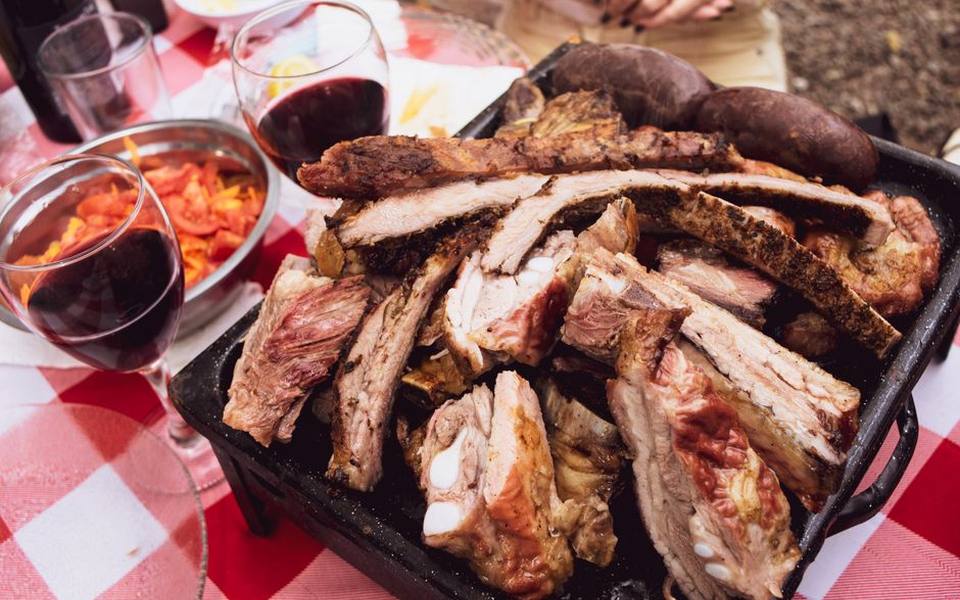
Soft, bloomy-rind cheeses like Brie and Camembert require an entirely different approach because heavy red tannins can create an unpleasantly bitter, metallic sensation against soft rinds. Instead, dry sparkling wines or unoaked Chardonnays shine alongside rich triple-cremes. The sharp effervescence cuts through the dense layer of butterfat, cleaning the tongue between bites. For fresh goat chèvre, high-acid white wines like Sauvignon Blanc provide an herbal vibrancy that mirrors the cheese's tangy grassiness.
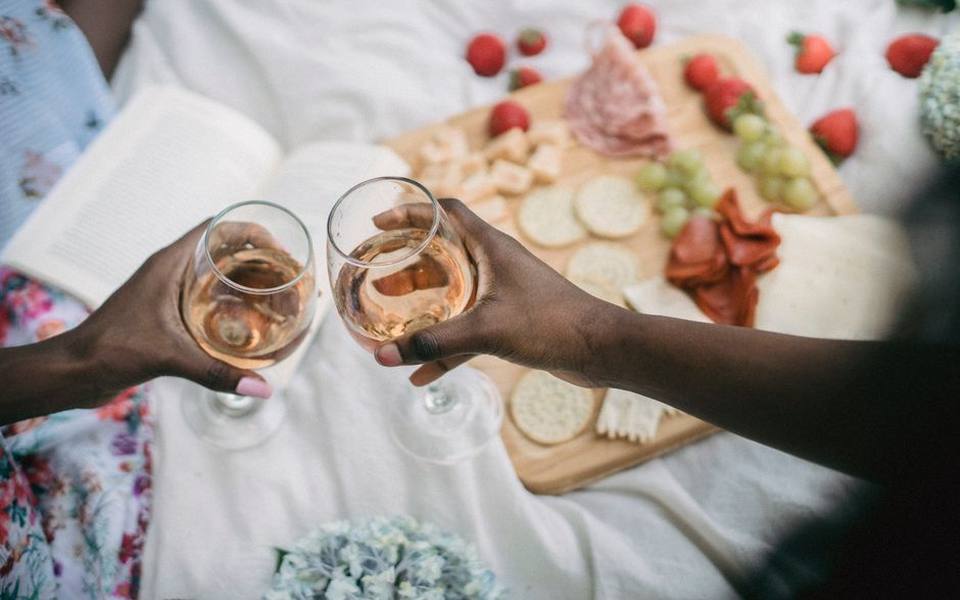
Pungent blue cheeses like Roquefort, Gorgonzola, and Stilton present an intense wall of salt and funk that easily clashes with dry wines. The traditional secret to mastering these pungent varieties lies in sweetness. Late-harvest whites, Sauternes, or fortified Tawny Ports create a classic sweet-and-salty counterpoint where the residual sugar rounds out the mold spores' bite. When planning a charcuterie evening, assembling three distinct cheese profiles alongside two versatile bottles creates a balanced tasting progression for guests.
Delicate Flavors: Finding the Ideal Pour for Sushi and Raw Fish
Selecting the best wine pairing for sushi is notoriously tricky because raw seafood contains delicate oils, sea salt, and high concentrations of natural umami. Heavy oak or bold tannins instantly react with fish oils, producing an unmistakable tinny aftertaste that ruins both the roll and the glass. Additionally, seasoned sushi rice contains rice vinegar and sugar, demanding a beverage that has enough bright acidity to match the grain's tangy seasoning.
Crisp, mineral-driven dry whites and sparkling wines routinely rank as the best wine to pair with sushi. Champagne, crémant, and cava offer natural bubbles that scrub the rich richness of fatty tuna or salmon belly clean off the palate. For nigiri topped with white fish or scallops, an unoaked Grüner Veltliner, Albariño, or dry German Riesling introduces stone fruit and citrus accents that elevate the clean marine freshness without smothering delicate textures.
Condiments also play a pivotal role when navigating raw seafood dining. Wasabi generates a quick nasal burn, while pickled ginger cleanses the palate, and soy sauce contributes heavy sodium and fermented depth. A slightly off-dry Riesling or a bone-dry Provence rosé handles wasabi heat gracefully, as modest residual sugar calms spicy sensations. If you strongly prefer red wine, an ultra-light, chilled Gamay or high-elevation Pinot Noir can accompany salmon nigiri, provided the wine remains tannin-light and vibrant.
Charcuterie Essentials, Cured Meats, and the Best Tasting Olive Varieties
A proper grazing platter relies on curing spices, cured pork fat, and briny preserves to set the stage for an evening pour. Cured meats like prosciutto, salami, and jamón ibérico contain high concentrations of salt and dense rendered fat, which naturally demand medium-bodied wines featuring assertive acidity. Crisp Italian reds such as Barbera or Chianti, as well as dry Spanish Garnacha, supply the necessary tart cherry notes to slice through rich charcuterie boards effortlessly.
No grazing board is complete without assessing the best tasting olive options to accompany your cellar selections. Bright green Castelvetrano olives from Sicily are widely celebrated for their mild, buttery profile, tender bite, and absence of harsh bitterness, making them an incredible match for crisp Pinot Grigio and sparkling wines. In contrast, meaty Cerignola olives offer a mild crunch, while dark Kalamata olives carry a rich, vinegar-cured punch that holds its own against peppery Zinfandel and earthy Syrah.
When pairing olives with wine, the curing brine is just as influential as the fruit itself. Olives cured in heavy vinegar can clash with low-acid wines, causing the drink to taste flat or unpleasantly sweet. Rinsing brined olives lightly and tossing them in high-quality extra virgin olive oil with fresh rosemary, orange peel, and cracked fennel seeds bridges the gap to the wine glass. This simple preparation ties the cured flavors directly into the herbal aromas found in Mediterranean whites and reds.
Savory Mains: Red Meats, Poultry, and Plant-Based Dishes
Hearty dinnertime entrees require careful evaluation of protein density and cooking technique to secure the best wine and food pairings. A prime ribeye cooked over charcoal calls for a structured Cabernet Sauvignon or Malbec; the charred crust complements the toasted oak notes, while the ribeye's intramuscular marbling coats the tongue and softens the wine's muscular tannins. Leaner cuts like filet mignon, however, typically perform better with lower-tannin reds like Merlot or aged Bordeaux that will not overpower the tender beef.
Poultry provides an extraordinarily versatile canvas that bends to the will of accompanying sauces. Roasted chicken rubbed with butter and herbs finds a natural companion in an oaked Chardonnay, which matches the bird's succulent richness and savory skin. If that same chicken is prepared in a rich coq au vin or a spicy tomato reduction, shifting toward a medium-bodied red like Grenache or Pinot Noir maintains flavor harmony without clashing with the acidic elements of the dish.
Plant-based dining offers fantastic opportunities for thoughtful pairings when home cooks lean into savory roasting techniques. Earthy root vegetables, lentils, and roasted portobello mushrooms develop deep umami characteristics that mirror the forest-floor complexity of cool-climate Pinot Noir or aged Rioja. For green, vegetable-heavy plates featuring asparagus, peas, or leafy pestos, herbal whites like New Zealand Sauvignon Blanc or Austrian Grüner Veltliner preserve the garden-fresh quality of the produce without falling flat.
The Sweet Finish: Navigating Chocolate and Dessert Wines
Matching sweets with wine presents a dangerous trap for novice entertainers. The golden rule of dessert service states that the wine in the glass must always be perceptibly sweeter than the confection on the plate; otherwise, the dessert will strip the fruit flavors straight out of the wine, leaving it tasting sour, harsh, and thin. For light, fruit-forward desserts like lemon tarts or strawberry shortcake, late-harvest Riesling, Sauternes, or sparkling Moscato d'Asti deliver the necessary sugar balance.
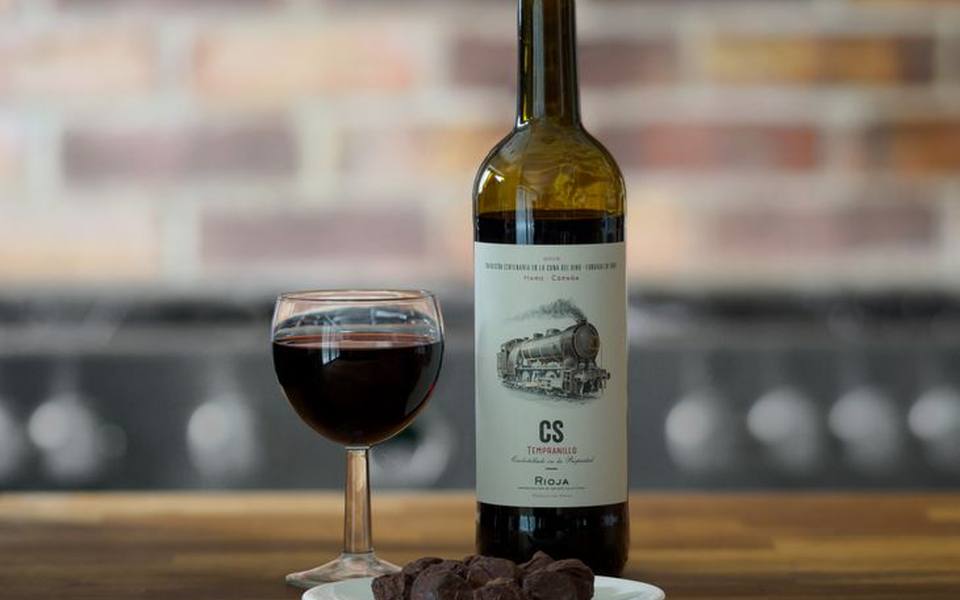
Determining what wine goes with chocolate depends entirely on the cacao percentage and milk fat involved. Dark chocolate, with its high cocoa mass and inherent bitterness, pairs poorly with dry red table wines, despite popular misconceptions. Instead, dark bars ranging from sixty to eighty percent cacao demand fortified wines like vintage Port, Banyuls, or Pedro Ximénez Sherry. These fortified options deliver concentrated dried fig, raisin, and caramel tones along with enough residual sugar to tame deep cocoa bitterness.
Milk chocolate and white chocolate require a lighter touch due to their higher dairy content and delicate sweetness. Creamy milk chocolate bars pair beautifully with an aged Tawny Port, which provides hazelnut and toffee complexities that highlight the milk solids. White chocolate contains no cocoa solids at all, consisting entirely of cocoa butter, sugar, and milk; it shines alongside sparkling demi-sec Champagne, sweet Italian Brachetto d'Acqui, or late-harvest Muscat, which slice through the heavy cocoa butter effortlessly.
Opening the Bottle: Manual Corkscrews Versus Automatic Openers
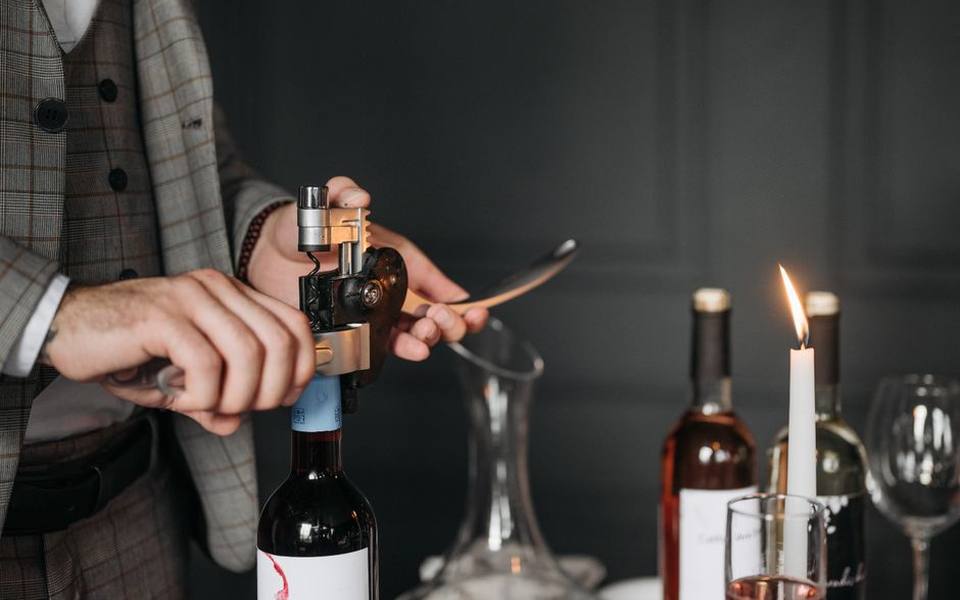
Preparing the bottle correctly is the prelude to any successful dining service. While sommeliers routinely rely on the traditional double-hinged waiter's corkscrew for portability and speed, many home hosts gravitate toward electric models. Finding the best rated automatic wine opener typically comes down to motor torque, battery reliability, and whether the mechanism handles fragile composite corks cleanly without shredding the core. Modern motorized tools simplify opening multiple bottles during large family gatherings or dinner parties.
Automatic openers offer undeniable ergonomic benefits, especially for individuals suffering from arthritis, joint stiffness, or reduced wrist strength. A high-quality rechargeable opener aligns vertically over the bottle neck, extracting synthetic and natural corks at the touch of a button within seconds. The primary limitation arises with older, vintage bottles; automatic motors apply direct, aggressive torque that can easily tear brittle, decades-old corks in half, dropping wooden sediment directly into aged wine.
For cellar treasures aged fifteen years or more, collectors bypass both electric models and standard spirals in favor of two-pronged vintage extractors, often called ah-sos. These specialized manual tools slide thin metal blades between the glass neck and the outer cork circumference, teasing the closure out intact through gentle rotation. Keeping both a reliable automatic opener for weeknight dinners and a two-prong extractor for delicate vintage treasures ensures you are prepared for any bottle in your collection.
Letting It Breathe: When to Use an Aerator or Decanter
Opening a bottle exposes only a coin-sized surface area of wine to ambient air, which is rarely enough to awaken tight, youthful bottlings. Aeration introduces oxygen, allowing volatile ethanol fumes to dissipate while releasing complex aromatic esters trapped during reduction inside the cellar. Investing in the best wine aerator pourer allows hosts to accelerate this opening process by passing liquid through an internal chamber that draws in air as the wine enters the glass.
An in-bottle aerator pourer works through the Venturi effect, using a narrow internal channel to create a pressure drop that pulls outside air directly into the streaming liquid. This rapid aeration instantly softens harsh tannins in young, full-bodied reds like Cabernet Sauvignon, Petite Sirah, and young Barolo, mimicking an hour of traditional decanting in mere seconds. These compact pourers also double as drip-free spouts, preventing staining spills across clean tablecloths during lively dinners.
Despite their convenience, aerator pourers are not universally beneficial for every bottle opened at the table. Mature reds, especially those aged past twelve to fifteen years, have already undergone gentle micro-oxygenation through their corks over decades. Subjecting an aged, fragile Burgundy or delicate vintage Rioja to an aggressive aeration device can shatter its nuanced floral bouquet within minutes. For older bottles, a slow pour into a classic wide-bottomed glass decanter remains the gold standard for separating sediment while preserving delicate aromas.
Keeping Bottles Fresh: Preservation Methods for Unfinished Wine
Once a cork is pulled, oxygen transforms from a beneficial opening agent into a destructive force. Within twenty-four to forty-eight hours, ambient air turns aromatic fruit notes into flat, bruised flavors, eventually converting ethanol into acetic acid. Finding the best wine preservation system depends entirely on your consumption cadence, cellar investment, and whether you routinely open premium bottles for single-glass pours throughout the working week.
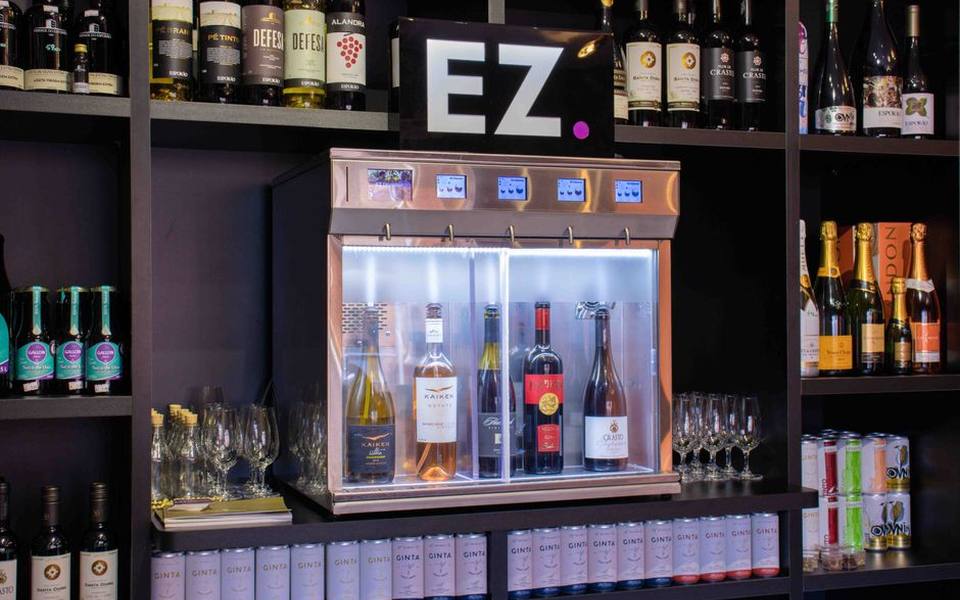
Basic manual vacuum pumps offer an inexpensive starting tier for casual drinkers, removing partial air from the headspace using rubber stoppers. While these tools extend the life of everyday table wines by an extra day or two, they inevitably draw out volatile aromatic compounds along with the air. More sophisticated preservation systems inject pure, medical-grade argon gas through the closure or directly into the bottle neck, blanketing the wine with a dense protective shield that prevents oxygen from reaching the surface.
For enthusiasts managing top-shelf collections, needle-based argon extraction devices represent the pinnacle of wine preservation technology. By passing a micro-thin needle through natural cork without displacing the material, users can pour a single tasting portion while the remaining liquid stays protected under inert gas for months or even years. Regardless of the gadget chosen, keeping recorked red and white bottles inside a cold refrigerator dramatically slows chemical oxidation reactions, extending your bottle's drinkability significantly.
Tasting Pairings at the Source on Regional Winery Excursions
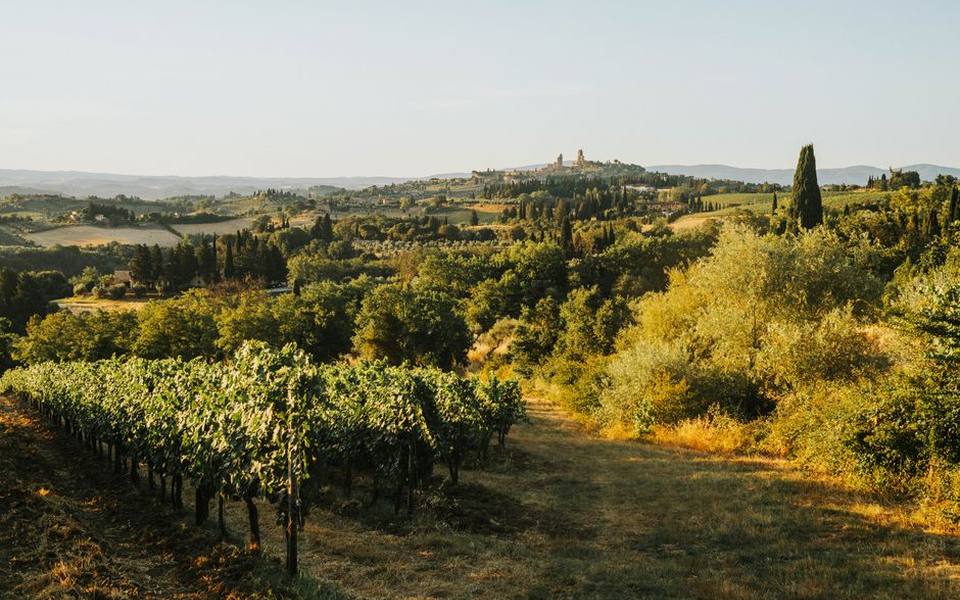
While testing food pairings at home is rewarding, experiencing regional culinary marriages at the source provides unparalleled insight into viticulture and cuisine. Exploring estates that feature dedicated wineries with food allows travelers to sample local estate vintages alongside chef-curated pairings designed specifically for those grapes. Across the country, vineyard destinations offer immersive programs where regional agricultural bounty directly informs cellar production.
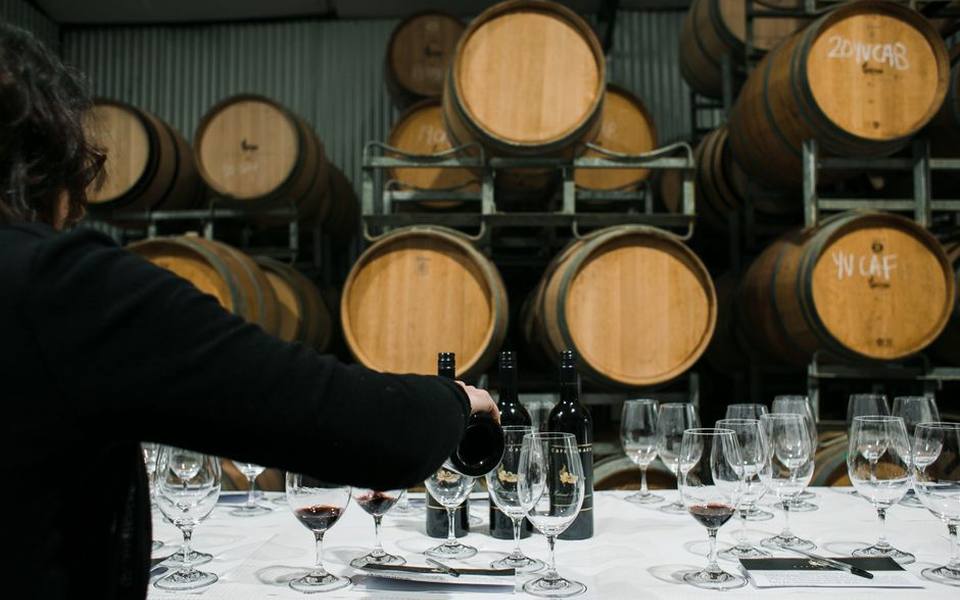
Travelers researching the best wine tours near me can find exceptional estates offering educational wine tasting flights that contrast different vintages against varied culinary textures. In established growing zones across the West Coast, visitors touring premier California wineries often encounter seated sensory seminars that break down the chemical interactions of salt, lemon, and fat against estate Cabernet and Chardonnay selections.
Booking formal, guided winery tours provides direct access to winemakers and cellar masters who share practical pairing wisdom passed down through generations. Whether you are walking through fermentation rooms or tasting library bottles alongside artisan charcuterie, these educational trips reveal how terroir shapes food compatibility. Bringing that firsthand sensory knowledge back to your home dining room makes selecting the perfect bottle for any meal an effortless pleasure.
Published 2026-09-20 · reviewed with each rebuild, last September 2026.
Find wineries near you
The directory lists 14,608 wineries by state and city — pick your state or use the “Near me” button in the header.
More guides
-
 Service
How to Become a Sommelier: Career Paths, Tasting Technique, and Practical Service
-
 Service
What to Wear to a Winery: Practical Outfits, Etiquette, and Food Pairings
-
 Buying
Understanding Kosher, Organic, and Biodynamic Wines: Production, Storage, and Pairings
-
 Buying
A Guide to Ordering Wine Online and Purchasing Bulk Alcohol for Events
-
 Buying
The Chemistry of Wine Fermentation: Yeast Roles, Malolactic Conversion, and Flavor Balance
-
 Buying
Understanding the Wine Sweetness Scale: From Crisp Dry to Indulgent Sweet
-
 Money
MoneyWine Tasting Costs Explained: What to Expect in Napa Valley and Beyond
-
 Owning
The Ultimate Guide to Charcuterie Boards: Styling, Pairings, and Recipes
-
 Owning
Crystal Wine Glassware Guide: Types, Brands, Care, and Stemless Styles
-
 Buying
Understanding Bold Reds: Dry Wines, Tannin Profiles, and Old Vine Zinfandels
-
 Storage
Choosing the Best Wine Fridge: Sizing, Cooling Zones, and Placement Guide
-
 Buying
Non-Alcoholic Wine Guide: Methods, Profiles, and What to Expect
-
 Buying
Personalized Wine Gifts: Custom Bottles, Engraved Glasses, and Custom Labels
-
 Owning
Essential Wine Accessories: Openers, Preservation Systems, Decanters, and Storage
-
 Buying
White and Rosé Wines: From Crisp Whites to Dry Rosés and Late Harvest Riesling
-
 Buying
Food and Wine Pairing Guide: Salmon, Turkey, Ham, Lamb, and Lasagna
-
 Buying
Large Format Wine Bottles: Magnums, Jeroboams, and Champagne Sizes Explained
-
 Service
Farm Wineries, Agritourism, and Sustainable Vineyard Experiences Across America
-
 Owning
Wine and Food Pairing Guide: Charcuterie Boards, Cheeses, and Dinner Courses
-
 Buying
Specialty Wines, Modern Cellar Styles, and Buying Smart Online
-
 Owning
Planning Memorable Vineyard Visits, Historic Estates, and Tasting Room Escapes
-
 Buying
Sweet and Refreshing White Wines: A Guide to Styles, Grapes, and Tasting Profiles
-
 Service
Cooking with Wine and the Practical Art of Culinary Pairings
-
 Owning
Luxury Glassware and Crystal Stemware: A Guide to Vintage Patterns, Modern Makers, and Care
-
 Storage
Modern Wine Refrigerators and Coolers: Sizing, Placement, and Everyday Performance
-
 Service
Winery & Vineyard Weddings: Venues, Planning, and Event Etiquette
-
 Owning
Electric Wine Openers, Vacuum Stoppers, and Preservation Systems: A Complete Guide
-
 Safety
Traveling with Wine: Suitcases, Luggage Bags, and Airline Rules
-
 Buying
Red Wine Varietals Explained: Malbec, Cabernet, Merlot, and Zinfandel
-
 Owning
Artisan Charcuterie Boards and Wine Party Snack Styling Guide
-
 Buying
Finding and Repurposing Used Oak Wine Barrels for Home and Garden
-
 Buying
Garlic Infused and Extra Virgin Olive Oils: Flavors, Brands, and Culinary Uses
-
 Buying
US Wine Trails and Estate Wineries: Scenic Routes and Destination Guide
-
 Buying
Crystal Wine Glasses, Fine Stemware, and Barware Accessories Guide
-
 Service
The Complete Guide to Winery Visits: Tastings, Vineyard Tours, and Visitor Experiences
-
 Owning
Pairing Wine with Charcuterie, Cheeses, and Seasonal Dinners
-
 Buying
Wine Glassware, Decanters, and Accessories Buyer Guide
-
 Storage
Home Wine Storage, Refrigeration, and Cellar Inventory Guide
-
 Buying
Winery Tours, Tasting Room Experiences, and Vineyard Weddings