How Direct Wine Shipping and Online Ordering Work in the United States
You can legally order wine online in the vast majority of US states, though the specific rules depend entirely on where you live. Most states have established direct-to-consumer shipping permits that allow licensed wineries and retailers to deliver bottles right to your doorstep. A small handful of states still maintain strict bans on interstate shipments or limit purchases to specialized intrastate delivery channels. Understanding your local regulations helps you avoid unexpected order cancellations or shipping delays when sourcing bottles for your home cellar or upcoming parties.
When an online order is processed, federal law requires an adult signature upon delivery. A carrier cannot simply leave a box of wine on your front porch. Someone who is at least twenty-one years of age must present a valid government-issued identification and sign for the package. Many buyers find it convenient to have wine shipments sent to a workplace or a local carrier pickup depot to prevent missed delivery attempts and weather exposure.
Weather conditions play a major role in shipping timelines across the country. Extreme summer heat and winter freezes can permanently ruin wine by pushing corks out of the bottle neck or oxidizing the liquid. Because of this risk, reputable shippers typically hold orders during peak temperature months or utilize temperature-controlled freight. Planning your seasonal orders around mild spring and autumn windows ensures the bottles arrive in pristine, cellar-ready condition.
Finding the Most Reliable Sources to Buy Wine on the Web
Finding the most reliable platform to purchase wine online depends on whether you are hunting for rare single-vineyard bottles or everyday table values. Direct producer platforms remain the gold standard for provenance and quality. When you order straight from domestic producers, such as licensed wineries in California, the bottles travel directly from cellar storage to your door, reducing the handling steps and ensuring proper provenance.
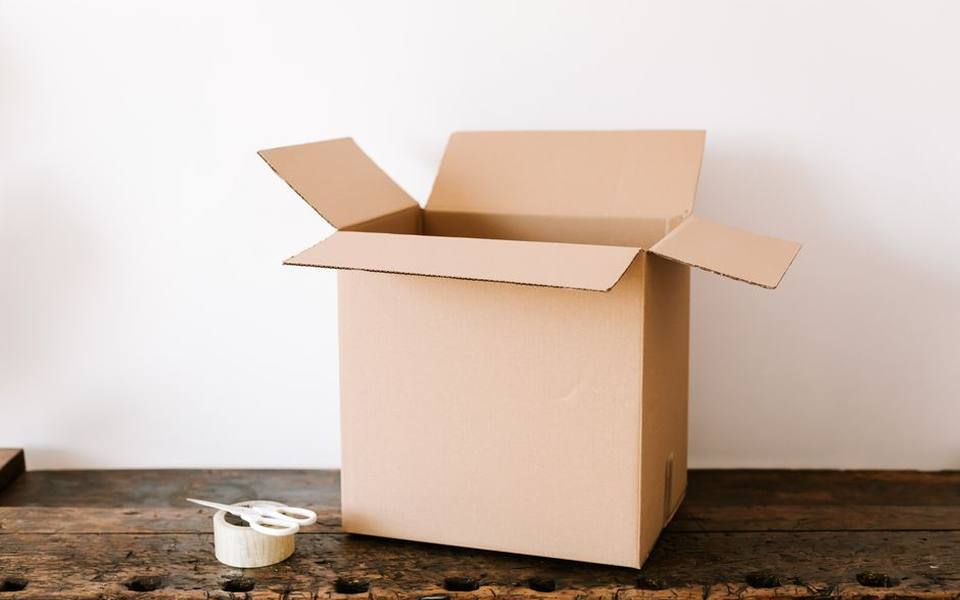
Beyond direct producer websites, large regional bottle shops operating digital storefronts offer broad inventories across multiple regions. These specialty online merchants let you bundle various domestic and imported labels into a single order, saving money on mixed-case delivery fees. Look for platforms that clearly disclose vintage years and bottle conditions rather than generic listings that omit producer details or blend multiple harvest years together.
Wine club subscription models and curated flash-sale portals provide another pathway for home delivery. While subscription clubs can introduce you to emerging winemakers, review the fine print regarding minimum commitments and cancellation policies. Independent bottle shops that publish genuine tasting notes and cellar temperature advisories generally deliver a more dependable customer service experience than anonymous subscription clubs with private-label selections.
Purchasing Bulk Alcohol for Weddings and Private Gatherings
Sourcing alcohol in bulk for an event requires balancing your guest list, consumption estimates, and regional licensing laws. For a standard four-hour wedding reception, planners typically calculate roughly one drink per guest per hour, assuming roughly half of the attendees will drink wine, while the remainder choose beer or spirits. Buying full cases of twelve bottles usually unlocks tiered volume discounts ranging between ten and twenty percent at cooperative retail stores.
To purchase large volumes legally and economically, look to independent beverage superstores, local wholesale warehouse clubs, and direct distributor partnerships where permitted by state regulations. Many retail warehouses allow non-members to purchase alcohol without an annual fee due to local alcoholic beverage control ordinances. Contact the store manager well ahead of time to discuss case discounts, scheduled pickup dates, and delivery capabilities.
One of the most important factors when purchasing event beverages is negotiating a buyback or return policy on unopened cases. Certain independent retailers will accept returns on intact, unchilled cases of wine with undamaged labels if you end up overestimating guest consumption. Always confirm whether restocking fees apply and whether clean cardboard cases can be returned within thirty days following your event date.
Managing Event Venue Rules, Corkage Fees, and Safe Quantities
Before finalizing any bulk order, examine your venue contract to confirm whether you are permitted to supply your own beverages. Many commercial event centers require you to hire a licensed, insured bartending service to pour the alcohol, which shields the hosts from liability. Some banquet spaces charge a flat corkage fee per bottle opened on the premises, which can quickly erase any savings achieved by purchasing wholesale cases.
If your venue allows bring-your-own alcohol, ask whether spirits are permitted alongside beer and wine, as some municipal permits strictly prohibit high-proof liquor without specialized event licenses. In addition, ensure your venue has sufficient refrigerated holding space for chilling white wines, sparkling bottles, and kegs before the festivities begin. Loading warm cases into ice tubs just before service leads to sloppy service tables and improperly chilled wine.
Keep your guest profile in mind when establishing your case ratios. Outdoor summer afternoon weddings generally see higher consumption of crisp white wines, dry rosés, and light pilsners, whereas evening winter receptions lean heavily toward bold red wines and barrel-aged spirits. Balancing your order with non-alcoholic sparkling alternatives ensures every guest feels welcome throughout the celebration.
The Appeal of Crisp Unoaked Chardonnay
Unoaked Chardonnay offers a clean, energetic contrast to the heavily toasted, buttery styles that long dominated the American market. When winemakers bypass new oak barrels and ferment the juice in stainless steel tanks, ceramic eggs, or neutral concrete vats, the grape's pure fruit personality shines through. You experience crisp green apple, Asian pear, lemon zest, and wet-stone minerality rather than artificial vanilla, baking spice, and dense butterscotch flavors.
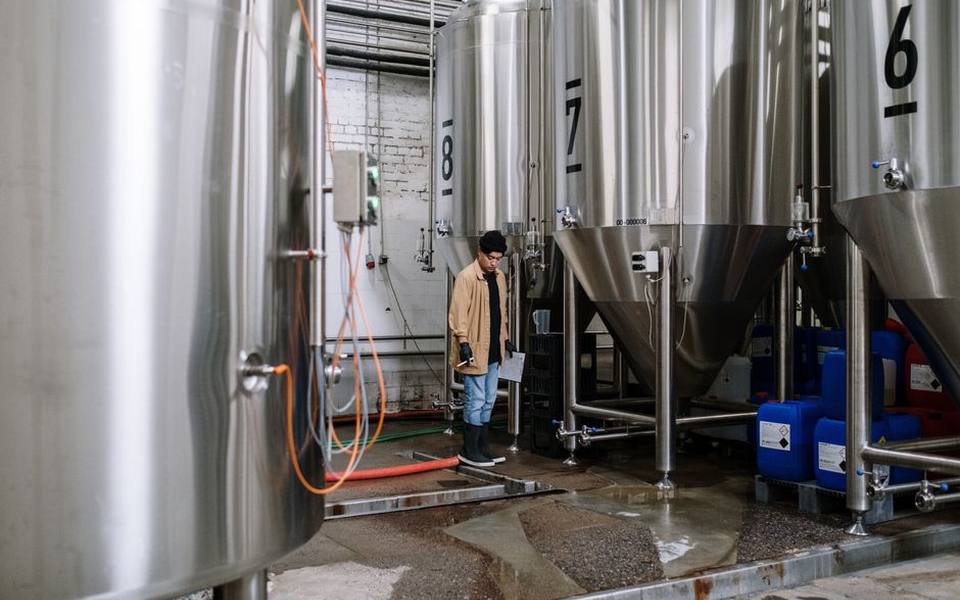
This bright flavor profile stems from the absence of oak contact and the deliberate prevention of malolactic fermentation, a secondary bacterial process that converts sharp malic acid into creamy lactic acid. Bottles crafted in this lean, mineral-driven style mirror the historic traditions of Chablis in France. They maintain a vibrant natural acidity that cuts through palate fatigue, making them exceptionally refreshing during warm weather meals and outdoor gatherings.
When shopping for unoaked styles, check bottle labels for phrases like stainless-aged, naked, or virgin Chardonnay. These bottles typically cost less than their oak-aged counterparts because wineries do not have to absorb the steep capital expense of purchasing new French or American oak barrels every vintage. The resulting wine is sharp, food-friendly, and versatile across a wide spectrum of appetizers and mains.
Selecting the Right Wine to Pair with Mexican Cuisine
Mexican cooking encompasses complex culinary layers, from smoky chipotle salsas and herbal cilantro marinades to rich, slow-simmered mole sauces. High-alcohol, oak-heavy red wines clash aggressively with spicy chili peppers, creating an unpleasant burning sensation on the tongue. The key to pairing Mexican fare is choosing bottles with vibrant acidity, gentle tannins, and modest alcohol levels to harmonize with bold seasonings.
For fresh ceviche, grilled fish tacos, and guacamole, crisp white wines with citrus-driven profiles perform best. Crisp Sauvignon Blanc, Spanish Albariño, and dry sparkling wines slice through the rich fats of avocado and sour cream while matching the brightness of freshly squeezed lime juice. If your menu features spicy habanero or jalapeño heat, an off-dry Riesling or Chenin Blanc with a trace of natural residual sugar will soothe the palate.
When serving rich carne asada, carnitas, or complex chicken mole, transition to lighter, fruit-forward red wines. Chilled Gamay, youthful Grenache, or light-bodied Pinot Noir offer enough juicy red fruit to complement charred beef without drying out the mouth. Exploring regional offerings at local wineries with food on site can offer valuable inspiration for combining smoky chilis with lively, fruit-forward wines.
Choosing Complementary Wines for Traditional Italian Cooking
Traditional Italian dining relies on the culinary rule that what grows together goes together. Italian culinary traditions are anchored in bright tomato sauces, roasted garlic, grassy extra virgin olive oils, and cured meats. These ingredients demand wines that carry high natural acidity to prevent the wine from tasting flat, flabby, or metallic against the acidic bite of ripe tomatoes.
For red pasta dishes featuring slow-simmered marinara, bolognese, or sausage ragu, Sangiovese-based bottles like Chianti or youthful Barbera are unmatched. Sangiovese carries firm tannins, sour cherry fruit, and herbal tea notes that cut straight through the richness of braised meats and rich tomato pastes. Barbera provides deep red color with almost no aggressive tannins, making it smooth and crowd-pleasing for family-style pasta feasts.
If you are serving white sauces like creamy fettuccine Alfredo, risotto, or seafood linguine, shift toward mineral-focused white wines. Pinot Grigio, Soave, and Verdicchio provide clean stony textures and bitter-almond finishes that lift rich cheese sauces off the palate. Always avoid excessively sweet whites, which fight against savory garlic and freshly grated aged Parmigiano-Reggiano.
Finding the Ideal Wine Match for Chicken Parmigiana
Chicken parmigiana presents a unique balancing act on the dinner table because it combines three distinct textures: a crispy fried breaded chicken breast, rich melted mozzarella cheese, and tangy, acidic marinara sauce. To pair this dish successfully, you need a wine that possesses enough acidity to cut through both the fried breading and the melted cheese, without flattening the vibrant marinara underneath.
A medium-bodied Italian Barbera or an unpretentious Chianti Classico is generally considered the premier match for chicken parmigiana. The natural acidity in these reds echoes the acidity in the tomato sauce, while the moderate tannins rinse away the coating richness of melted whole-milk mozzarella. Heavier red wines like Cabernet Sauvignon or Syrah often possess too much oak and astringent tannin, which drown out the delicate poultry meat beneath the cheese.
White wine enthusiasts can also find tremendous success with chicken parmigiana by selecting medium-bodied, high-acid white varieties. An unoaked Chardonnay, dry sparkling wine, or crisp Pinot Grigio cuts cleanly through the frying oil and complements the savory parmesan crust. The effervescence in sparkling wines acts like a palate cleanser between hearty, cheese-laden bites.
Pairing Principles for Fresh Fish and Shellfish Dishes
The traditional adage of serving white wine with seafood remains reliable because of the chemical reaction between fish oils and iron-rich red wine tannins. When high-tannin red wines collide with oily fish, they produce a harsh, metallic aftertaste that ruins both the dish and the beverage. Matching the weight and cooking technique of the seafood to the wine creates a much more satisfying dining experience.
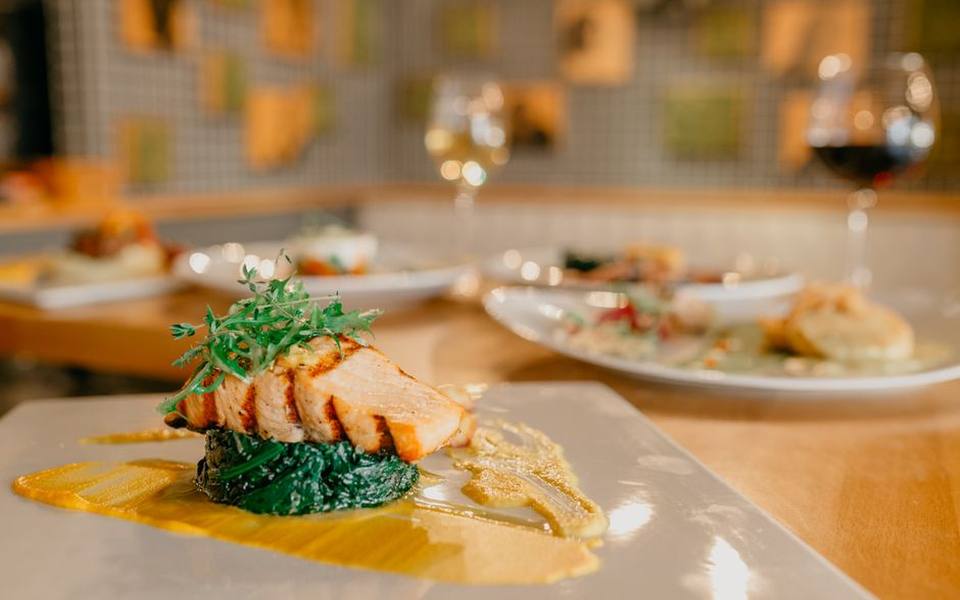
Delicate white fish such as cod, flounder, sea bass, and raw oysters demand clean, high-acid white wines that mimic a squeeze of fresh lemon over the fillet. Crisp Sauvignon Blanc, Muscadet, Albariño, and dry Pinot Blanc showcase bright citrus fruit and mineral tension that accentuates the sweet, mild flavor of flaky white fish. Steamed shellfish like clams and mussels in white wine garlic broth also pair effortlessly with these zesty options.
Fattier, meatier seafood selections like grilled salmon, blackened swordfish, and seared yellowfin tuna can easily handle darker, more structured wines. Dry rosé made from Grenache or Pinot Noir provides the perfect bridge of red fruit flavors and crisp acidity to balance salmon oils. If you prefer a red wine, choose a light-bodied, low-tannin Pinot Noir served with a slight cellar chill to keep the profile fresh.
Sampling Bottles Locally Before Buying Large Quantities
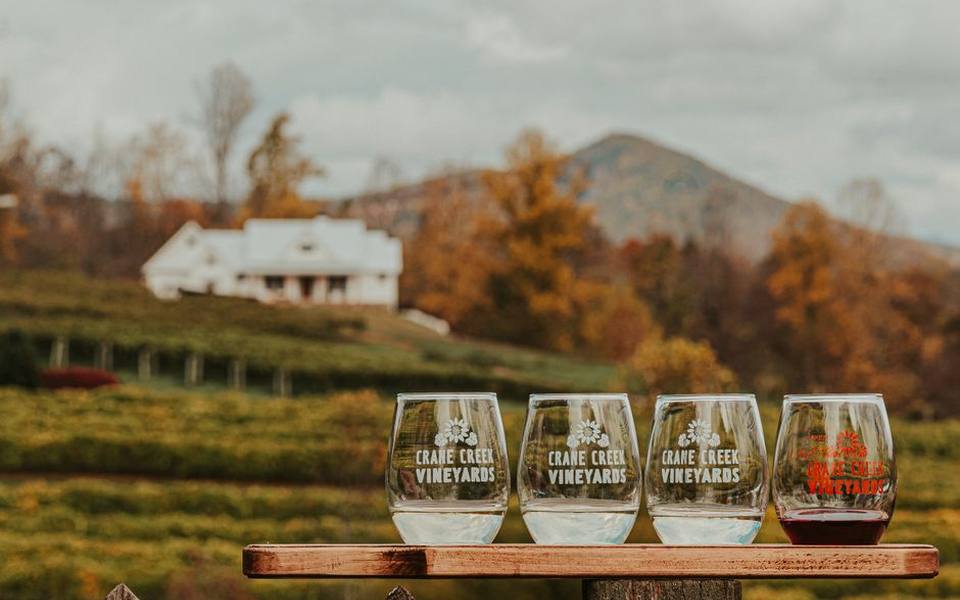
Purchasing multiple cases of wine for personal cellaring or an upcoming wedding without sampling them first can lead to expensive regrets. Planning a visit to regional wineries with tastings allows you to evaluate acidity, sweetness, and oak integration before committing to a significant order. Tasting in person gives you direct access to cellar staff who can answer questions regarding case storage, food pairing compatibility, and volume pricing.
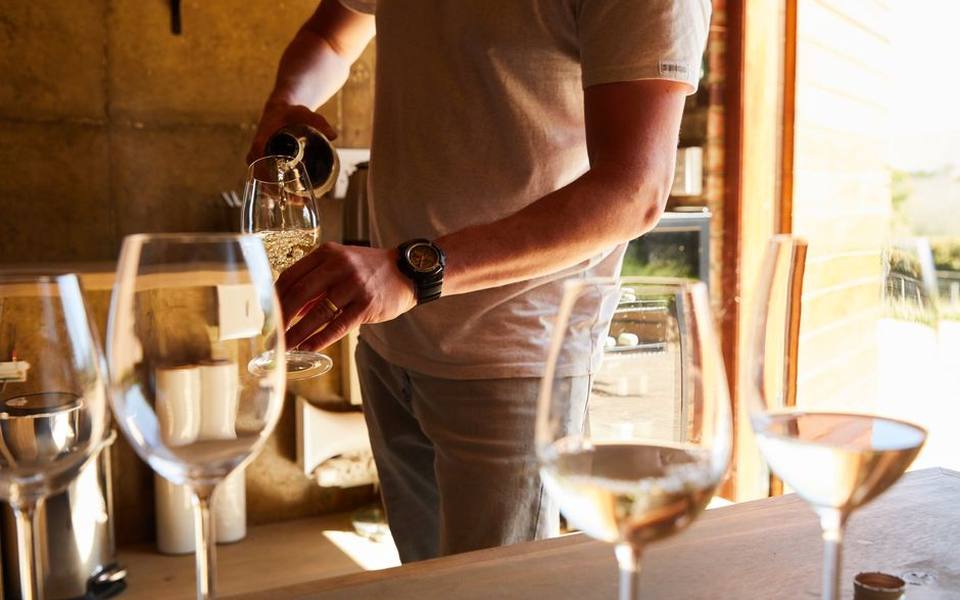
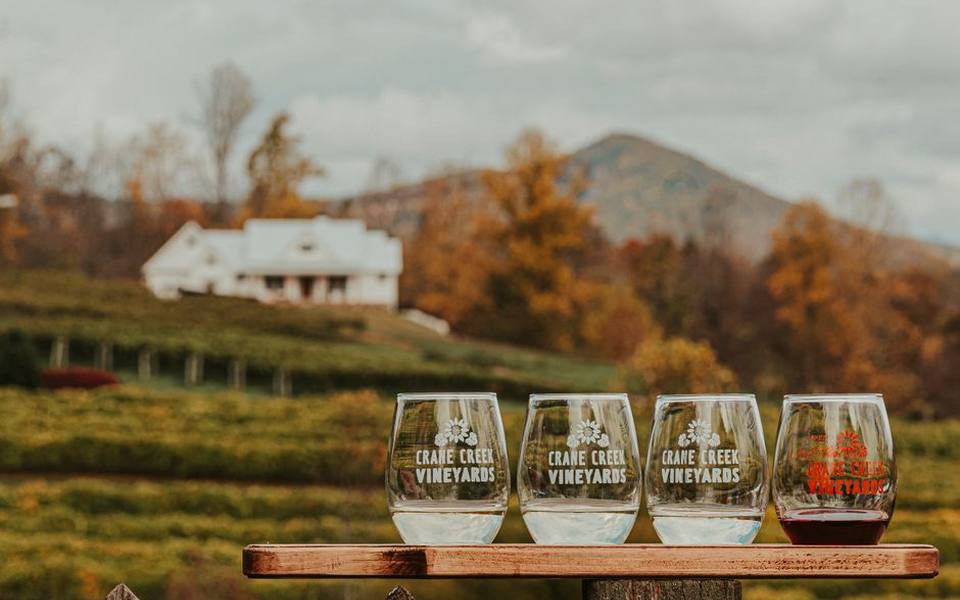
Many tasting rooms offer curated flights that contrast different grape varieties and barrel treatments side by side. Visiting facilities offering wine tasting flights is the best practical method to determine whether you prefer the crisp acidity of stainless-aged whites or the round texture of barrel-fermented selections. Tasting side by side trains your palate to identify the subtle balance between alcohol levels, oak tannins, and fruit intensity.
You can explore dedicated regional hubs across the comprehensive winery directory across all states to find tasting rooms close to your event location. Engaging with local winemakers helps you discover expressive, small-batch options that may not be available on commercial supermarket shelves. Once you identify a vintage that satisfies your palate and budget, you can coordinate pickup logistics or direct shipping directly with the producer.
Published 2026-09-20 · reviewed with each rebuild, last September 2026.
Find wineries near you
The directory lists 14,608 wineries by state and city — pick your state or use the “Near me” button in the header.
More guides
-
 Service
How to Become a Sommelier: Career Paths, Tasting Technique, and Practical Service
-
 Service
What to Wear to a Winery: Practical Outfits, Etiquette, and Food Pairings
-
 Owning
The Ultimate Wine and Food Pairing Guide: From Cheese to Desserts
-
 Buying
Understanding Kosher, Organic, and Biodynamic Wines: Production, Storage, and Pairings
-
 Buying
The Chemistry of Wine Fermentation: Yeast Roles, Malolactic Conversion, and Flavor Balance
-
 Buying
Understanding the Wine Sweetness Scale: From Crisp Dry to Indulgent Sweet
-
 Money
MoneyWine Tasting Costs Explained: What to Expect in Napa Valley and Beyond
-
 Owning
The Ultimate Guide to Charcuterie Boards: Styling, Pairings, and Recipes
-
 Owning
Crystal Wine Glassware Guide: Types, Brands, Care, and Stemless Styles
-
 Buying
Understanding Bold Reds: Dry Wines, Tannin Profiles, and Old Vine Zinfandels
-
 Storage
Choosing the Best Wine Fridge: Sizing, Cooling Zones, and Placement Guide
-
 Buying
Non-Alcoholic Wine Guide: Methods, Profiles, and What to Expect
-
 Buying
Personalized Wine Gifts: Custom Bottles, Engraved Glasses, and Custom Labels
-
 Owning
Essential Wine Accessories: Openers, Preservation Systems, Decanters, and Storage
-
 Buying
White and Rosé Wines: From Crisp Whites to Dry Rosés and Late Harvest Riesling
-
 Buying
Food and Wine Pairing Guide: Salmon, Turkey, Ham, Lamb, and Lasagna
-
 Buying
Large Format Wine Bottles: Magnums, Jeroboams, and Champagne Sizes Explained
-
 Service
Farm Wineries, Agritourism, and Sustainable Vineyard Experiences Across America
-
 Owning
Wine and Food Pairing Guide: Charcuterie Boards, Cheeses, and Dinner Courses
-
 Buying
Specialty Wines, Modern Cellar Styles, and Buying Smart Online
-
 Owning
Planning Memorable Vineyard Visits, Historic Estates, and Tasting Room Escapes
-
 Buying
Sweet and Refreshing White Wines: A Guide to Styles, Grapes, and Tasting Profiles
-
 Service
Cooking with Wine and the Practical Art of Culinary Pairings
-
 Owning
Luxury Glassware and Crystal Stemware: A Guide to Vintage Patterns, Modern Makers, and Care
-
 Storage
Modern Wine Refrigerators and Coolers: Sizing, Placement, and Everyday Performance
-
 Service
Winery & Vineyard Weddings: Venues, Planning, and Event Etiquette
-
 Owning
Electric Wine Openers, Vacuum Stoppers, and Preservation Systems: A Complete Guide
-
 Safety
Traveling with Wine: Suitcases, Luggage Bags, and Airline Rules
-
 Buying
Red Wine Varietals Explained: Malbec, Cabernet, Merlot, and Zinfandel
-
 Owning
Artisan Charcuterie Boards and Wine Party Snack Styling Guide
-
 Buying
Finding and Repurposing Used Oak Wine Barrels for Home and Garden
-
 Buying
Garlic Infused and Extra Virgin Olive Oils: Flavors, Brands, and Culinary Uses
-
 Buying
US Wine Trails and Estate Wineries: Scenic Routes and Destination Guide
-
 Buying
Crystal Wine Glasses, Fine Stemware, and Barware Accessories Guide
-
 Service
The Complete Guide to Winery Visits: Tastings, Vineyard Tours, and Visitor Experiences
-
 Owning
Pairing Wine with Charcuterie, Cheeses, and Seasonal Dinners
-
 Buying
Wine Glassware, Decanters, and Accessories Buyer Guide
-
 Storage
Home Wine Storage, Refrigeration, and Cellar Inventory Guide
-
 Buying
Winery Tours, Tasting Room Experiences, and Vineyard Weddings