Why Dedicated Wine Cooling Matters for Your Bottles
Choosing the right wine refrigerator comes down to matching your drinking habits with proper climate control, ensuring your collection remains protected from heat, light, and vibration. A standard kitchen refrigerator operates far too cold and dry for cork integrity, generally hovering below forty degrees Fahrenheit while stripping out ambient moisture. Dedicated wine units maintain an environment calibrated specifically for wine chemistry, sustaining balanced humidity and stable temperatures so corks stay supple and liquid does not oxidize prematurely. Whether you keep a handful of weekday bottles or dozens of collectible vintages, a dedicated cooler preserves flavor nuance.
Many casual collectors discover that home storage conditions fluctuate more wildly than expected throughout changing seasons. Central heating in winter often drops indoor relative humidity to desert levels, which can dry out natural cork closures and allow microscopic amounts of air into the bottle neck. In summer, air conditioning cycles create temperature swings that expand and contract liquid inside the glass, gradually pushing corks upward or compromising seals. When you explore estate bottles from wineries across California, protecting those investments requires steady conditions that domestic appliances simply cannot provide.
Beyond baseline temperature, internal vibration from harsh appliance motors plays a silent role in deteriorating vintage bottles over months or years. Standard kitchen compressors shake internal shelves every time they cycle on, stirring up fine sediment that should otherwise settle undisturbed at the bottom of the bottle. Quality wine chillers feature isolated compressor mounts, vibration absorption bushings, and stable wooden racking designed to keep bottles completely still. Understanding these protective mechanics helps you determine how much technology and capacity your home setup actually requires before buying.
Finding the Ideal Temperature Settings for Red and White Varietals
Dialing in the correct internal climate setting is crucial for both mid-term storage and immediate enjoyment at the dinner table. While serving recommendations vary across styles, the universal baseline for resting wine safely over time typically hovers around fifty-five degrees Fahrenheit. At this neutral cellar standard, both robust reds and delicate whites mature slowly without suffering heat exhaustion or cold-induced sluggishness. Fluctuations of a few degrees across seasons will rarely harm wine, but rapid swings within twenty-four hours can accelerate aging and degrade delicate aromatic compounds.
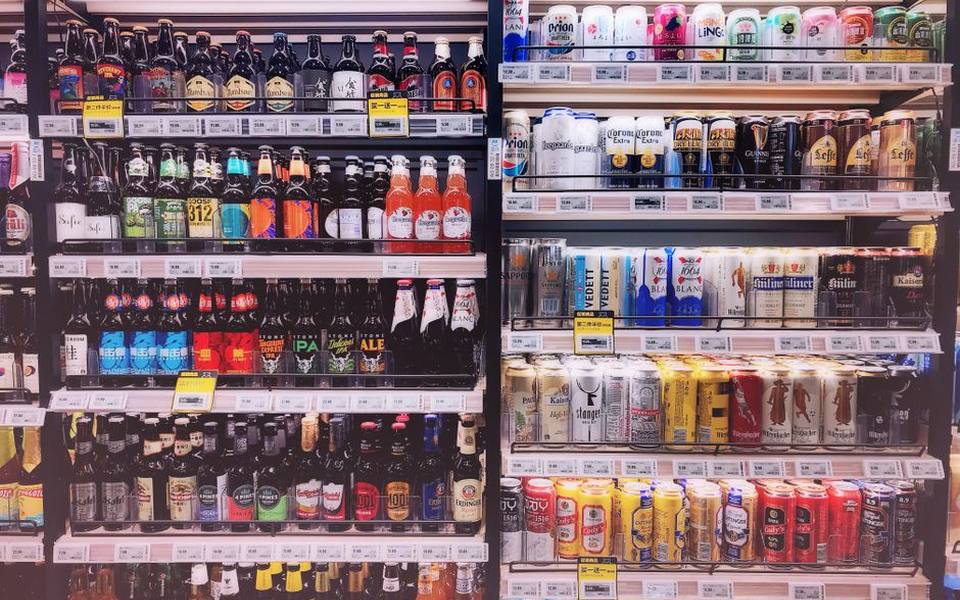
When adjusting your appliance for drinking rather than long-term cellaring, optimal serving targets begin to diverge significantly by varietal. Crisp white wines, sparkling selections, and light rosés reveal their refreshing acidity and aromatic vibrancy when poured around forty-five to fifty degrees Fahrenheit. Fuller-bodied red wines, conversely, show their complex tannins and aromatics best between sixty and sixty-five degrees Fahrenheit, far below modern room temperature. Setting an appliance without zone isolation requires choosing whether you want cellar-resting conditions or ready-to-pour white wine readiness straight from the shelf.
If your cooler operates with only one master thermostat, calibrating it directly to fifty-five degrees provides the most practical and protective compromise. Bottles pulled out for dinner can quickly sit in an ice bucket for twenty minutes to chill whites, or rest on a counter for half an hour to warm reds slightly. Anyone who samples varietals during winery tasting rooms visits understands how drastically temperature alters taste perception. Keeping bottles resting at a consistent baseline ensures that neither fruit characteristics nor oak profiles get muted by extreme chill or room warmth.
Single-Zone Coolers for Everyday Storage and Aging
A single-zone cooling appliance utilizes one uniform internal climate throughout the entire cabinet, managed by a solitary thermostat and air circulation system. These units represent the most straightforward, energy-efficient, and mechanically dependable option on the appliance market today. With fewer moving parts, singular cooling channels, and simple electronic controls, there are fewer components prone to operational failure over years of continuous running. For wine lovers focused on uniform cellaring rather than immediate tableside serving, this configuration delivers dependable results at an approachable entry price.
Serious collectors who store predominantly one style of wine—such as collections consisting almost entirely of red cabernets or pinot noirs—find singular cooling spaces completely adequate. Because every shelf stays within a narrow temperature band, you never have to calculate which shelf suits long-term aging versus casual drinking. These models also maximize internal volume because they eliminate the bulky insulated horizontal dividers required to split thermal compartments. As a result, a cabinet with a single zone typically holds more physical bottles than an identically sized dual-zone counterpart.
Energy consumption also stays noticeably lower in single-zone models because the internal fan and compressor work against a single target threshold. Heat migration across internal dividers does not exist, so the motor cycles predictably without competing sensor readings fighting each other. If you plan to lay down bottles acquired from regional trips through cellars throughout Oregon, a single-zone unit provides a stable environment that mirrors a traditional underground limestone cellar without unnecessary electronic complexity or elevated monthly electrical draw.
When to Choose a Dual-Zone Refrigerator
When your household regularly enjoys both crisp whites and full-bodied reds throughout the week, a two-zone cooler offers tailored convenience. These split-compartment appliances feature an insulated physical barrier dividing upper and lower sections, paired with independent electronic thermostats and dual air circulation fans. This architecture allows you to chill sparkling wines and chardonnays to fifty degrees in one section, while keeping pinot noirs and syrahs ready to pour at sixty-two degrees in the other. You eliminate the awkward waiting game of chilling or warming bottles before meals.
Managing dual thermal environments inside a single residential footprint does introduce several practical considerations during daily operation. Because cold air naturally sinks while warm air rises, manufacturers typically designate the upper chamber for warmer red wines and the lower chamber for colder whites. Reversing this configuration forces the lower cooling system to fight natural convection, causing fans and compressors to cycle much more frequently. When setting target numbers, maintaining a separation of eight to twelve degrees between zones generally maintains compressor efficiency without creating excessive internal condensation.
While dual-zone versatility appeals to entertainers, the physical divider and auxiliary fan ducting consume interior space that could otherwise house bottles. A cabinet frame that holds thirty-six bottles in a single cavity might only fit thirty bottles once dual zones and separate fan guards are installed. Additionally, if you rarely drink white wine, running half of your appliance at an unneeded cold setpoint wastes electricity and underutilizes valuable cellar real estate. Weighing your actual weekly pouring routine against your cellaring plans prevents paying extra for features you might not regularly activate.
Small and Compact Units for Tight Living Spaces
Living in an apartment, condo, or home with a modest kitchen footprint often makes finding space for a full-height wine cabinet impossible. Compact wine chillers fill this gap by providing controlled storage in capacities ranging from six to twenty-four bottles. These smaller units fit effortlessly onto kitchen countertops, tuck neatly inside dry bars, or slide beneath console tables in living areas. They allow casual collectors to store their favorite selections in optimal conditions without undertaking costly remodeling projects or sacrificing valuable pantry storage.
Many compact appliances employ thermoelectric cooling blocks instead of heavy mechanical compressors, making them exceptionally quiet and lightweight to relocate. Thermoelectric systems operate using an electrical current passed through two metal plates to draw heat away, eliminating the hum and buzz associated with typical kitchen refrigerators. However, these compact modules depend heavily on the surrounding room climate to function effectively. If a sunny room exceeds eighty degrees during hot summer afternoons, a small thermoelectric cooler may struggle to pull internal temperatures down to proper wine-safe thresholds.
Before installing a miniature cooler, measuring vertical and lateral cabinet clearances is essential to prevent premature component failure. Even miniature cooling devices generate waste heat that must vent into the room to keep internal temperatures balanced. Placing a compact model tightly into an enclosed bookshelf or unvented pantry can trap warm air, forcing fans to spin continuously and shortening the lifespan of the electronics. Allowing two to three inches of open breathing space around the sides and rear preserves energy efficiency and protects your bottles.
Built-In and Under-Counter Installations
Installing a wine cooler directly beneath standard thirty-six-inch kitchen countertops creates a seamless, built-in aesthetic that enhances both convenience and property value. Unlike freestanding appliances, dedicated under-counter models utilize front-facing ventilation kickplates positioned beneath the door hinge. This forward-firing intake and exhaust system pulls fresh room air into the compressor bay and pushes hot exhaust outward into the kitchen aisle. Because heat does not collect behind the chassis, you can install the unit flush against surrounding cabinetry without risking severe motor overheating.
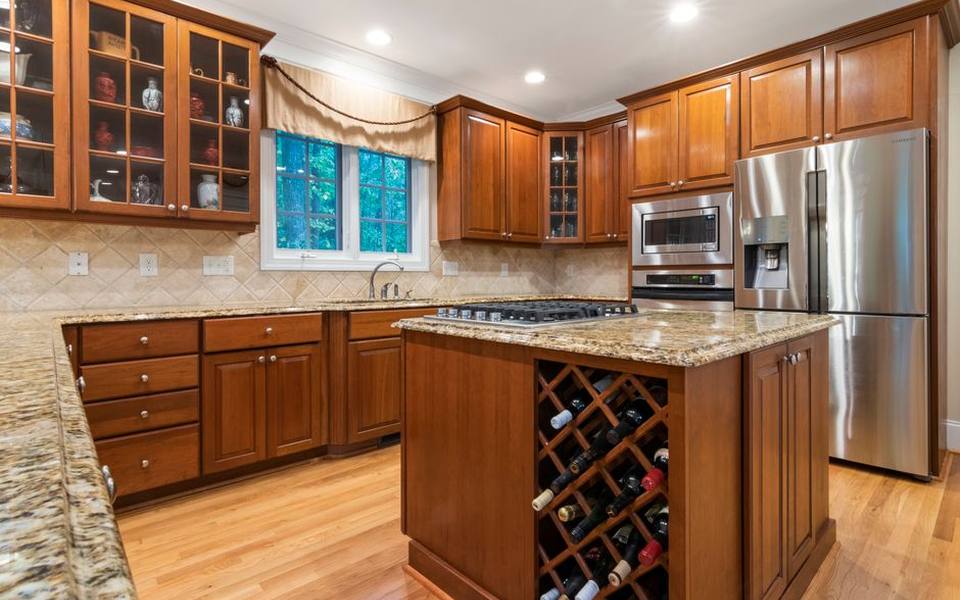
The physical dimensions of built-in models adhere to universal American cabinetry standards, usually featuring widths of either fifteen or twenty-four inches. A fifteen-inch cabinet typically holds between twenty-eight and thirty-four standard bottles, making it an ideal replacement for an outdated kitchen trash compactor. Twenty-four-inch versions expand capacity to approximately forty-five to fifty-four bottles, matching the rough opening of an under-counter dishwasher. When measuring your opening, always verify the exact cutout depth, accounting for the rear electrical outlet and the thickness of the decorative door panel.
Installing a freestanding cooler into an enclosed under-counter cavity remains one of the most common and costly mistakes homeowners make. Freestanding appliances dissipate heat across external side coils and rear metal panels, requiring ample ambient airflow to stay functional. Trapping a freestanding unit between sealed wooden cabinet walls causes internal temperatures to spike, drives the compressor into perpetual overdrive, and typically voids manufacturer warranties within months. Investing in true front-venting construction ensures reliable temperature control, silent operation, and long-lasting mechanical health inside finished millwork.
Compressor Versus Thermoelectric Cooling Mechanisms
Understanding the mechanical engine driving your wine cooler helps you anticipate noise levels, long-term durability, and actual chilling capabilities. Compressor-based systems function just like traditional commercial refrigerators, circulating chemical refrigerant through condenser coils to pull heat out rapidly. These units remain the gold standard for high-capacity storage, warm climates, and built-in installations because they cool aggressively regardless of how hot your kitchen becomes. They reliably maintain fifty-five degrees even when ambient summer room temperatures climb well past eighty-five degrees Fahrenheit.
Thermoelectric coolers, in contrast, rely on the Peltier effect, using solid-state heat flux across ceramic plates to dissipate heat silently. With no heavy pistons, motor belts, or pressurized liquid gas, these units produce almost zero operating vibration and whisper-quiet sound levels. This makes them exceptionally popular for master bedrooms, executive home offices, or open-plan living rooms where humming compressor motors might prove irritating. However, their cooling power is limited; they typically only lower the internal temperature roughly twenty to twenty-five degrees below ambient room levels.
If your home experiences wide seasonal climate swings or lacks central air conditioning, compressor cooling is almost always the safer long-term choice. A heat wave can push a thermoelectric unit beyond its functional capacity, leaving delicate bottles exposed to elevated cellar temperatures for days on end. Conversely, for modest collections kept in climate-controlled apartments, thermoelectric options offer energy-saving simplicity and virtually silence the storage process. Evaluating your home's thermal environment determines which cooling mechanism will best safeguard your wines over the coming years.
Evaluating Warehouse Club Options and Big-Box Inventory
Membership warehouse clubs like Costco have become major retail destinations for wine storage solutions, offering competitive values on mid-sized cabinets. Shoppers frequently find brand-name dual-zone and single-zone models positioned alongside patio furniture and large home appliances throughout seasonal promotional cycles. These club store offerings generally focus on high-demand consumer capacities ranging between thirty and one hundred fifty bottles. Buying through wholesale membership clubs gives homeowners access to volume pricing discounts that specialty appliance showrooms rarely match.
Beyond initial price savings, warehouse clubs provide consumer-friendly return guarantees and extended warranty terms that add peace of mind. Wine coolers carry complex electronic control boards, digital sensors, and sealed cooling loops that can occasionally develop defects during shipping or early usage. Having the ability to return a malfunctioning heavy appliance directly to a local club warehouse eliminates the headache of shipping oversized freight back to distant third-party retailers. Many club credit programs also automatically extend the manufacturer factory warranty by an additional year.
However, the selection at warehouse stores tends to be narrower and rotates unpredictably depending on quarterly inventory allocations. You might find two or three popular mid-range models in stock, but niche dimensions—such as ultra-slim fifteen-inch under-counter units—may only appear on their commercial web portals. Examining the exact shelving materials, roller-bearing glide quality, and compressor decibel ratings before purchasing ensures the club model aligns with your kitchen setup. Learning how estate operations store library bottles during guided winery cellar tours highlights the importance of choosing sturdy, well-engineered hardware.
Specialty Cellar Equipment and Dedicated Wine Brands
Dedicated wine lifestyle brands and specialty cellar outfitters cater to collectors who demand premium preservation features beyond standard kitchen appliance capabilities. Units engineered by dedicated wine specialists frequently feature vibration-dampening beechwood shelves, charcoal air filtration, and advanced digital touchscreens. These manufacturers focus exclusively on viticulture storage science, ensuring that shelf spacing accommodates broader bottle diameters without scraping decorative paper labels. Their product portfolios span compact freestanding units to expansive, multi-zone furniture-grade credenzas designed for serious dining room displays.
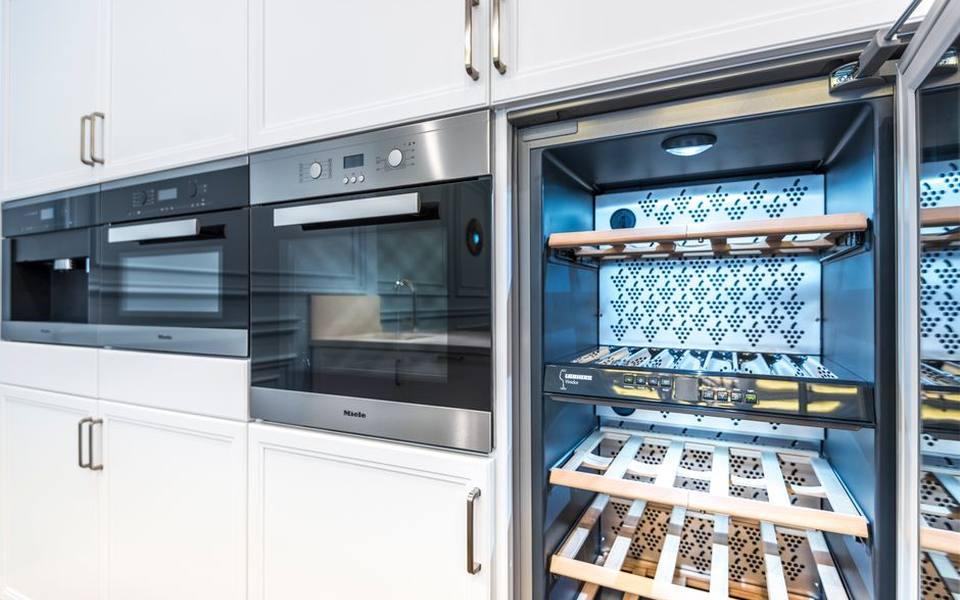
A standout benefit of enthusiast-grade coolers is the attention given to interior humidity preservation and UV light protection. Standard appliances often chill air too dryly, causing natural corks to shrink and crack over prolonged storage intervals. Specialized cellar brands integrate ribbed interior walls and condensation management systems that keep internal humidity hovering between fifty and seventy percent. Furthermore, their glass doors incorporate double- or triple-paned smoked glass treated with argon gas fills to shield vintage bottles from harmful ambient ultraviolet rays.
The smooth glide of heavy-gauge ball-bearing shelving also separates enthusiast-tier coolers from budget alternatives on the broader appliance market. Budget units often utilize bare wire grates that can stick, sag, or rub violently against bottle foils when fully loaded with glass. Premium cellar racks slide outward smoothly on telescopic rails, allowing you to read vintage labels without disturbing adjacent bottles. While these specialized appliances carry higher price tags, the engineering protection they provide is tailored directly toward preserving valuable wines over years of patient aging.
Shelving Capacity, Bottle Geometry, and Real-World Maintenance
Stated manufacturer bottle capacities are universally calculated using standard Bordeaux bottles, which feature straight cylindrical sides and narrow shoulders. If your wine cellar leans heavily toward wide-base Burgundy pinot noirs, bulging Champagne bottles, or tall German Riesling flutes, stated capacities can drop by twenty to thirty percent. Forcing wider bottles into tight wire racks tears fragile paper labels and can prevent shelves from sliding inward properly. When planning your purchase, always choose a cooler with twenty to twenty-five percent more stated capacity than your current inventory demands.
Routine maintenance keeps your appliance cooling efficiently and prevents unexpected mechanical breakdowns that could jeopardize prized vintages. At least once or twice annually, inspect the rear or kickplate ventilation grilles and clear away accumulated dust with a soft brush attachment. Dust accumulation forces compressors to work harder, generating excess internal heat and driving up monthly electricity usage. For units equipped with internal active charcoal filters, replacing the carbon cartridge every twelve months prevents musty odors from permeating cork closures over long storage horizons.
Checking the door gasket seal represents another essential maintenance habit that takes only seconds but saves substantial energy. A worn, cracked, or misaligned magnetic rubber gasket allows moist kitchen air to seep continuously into the cooler, triggering excessive frost on internal cold plates. Test your seal occasionally by closing a dollar bill in the door; if the bill pulls out freely without gentle resistance, the gasket requires cleaning or replacement. Maintaining tight seals ensures your appliance holds unwavering temperatures through every season of the year.
Published 2026-09-21 · reviewed with each rebuild, last September 2026.
Find wineries near you
The directory lists 14,608 wineries by state and city — pick your state or use the “Near me” button in the header.
More guides
-
 Service
How to Become a Sommelier: Career Paths, Tasting Technique, and Practical Service
-
 Service
What to Wear to a Winery: Practical Outfits, Etiquette, and Food Pairings
-
 Owning
The Ultimate Wine and Food Pairing Guide: From Cheese to Desserts
-
 Buying
Understanding Kosher, Organic, and Biodynamic Wines: Production, Storage, and Pairings
-
 Buying
A Guide to Ordering Wine Online and Purchasing Bulk Alcohol for Events
-
 Buying
The Chemistry of Wine Fermentation: Yeast Roles, Malolactic Conversion, and Flavor Balance
-
 Buying
Understanding the Wine Sweetness Scale: From Crisp Dry to Indulgent Sweet
-
 Money
MoneyWine Tasting Costs Explained: What to Expect in Napa Valley and Beyond
-
 Owning
The Ultimate Guide to Charcuterie Boards: Styling, Pairings, and Recipes
-
 Owning
Crystal Wine Glassware Guide: Types, Brands, Care, and Stemless Styles
-
 Buying
Understanding Bold Reds: Dry Wines, Tannin Profiles, and Old Vine Zinfandels
-
 Buying
Non-Alcoholic Wine Guide: Methods, Profiles, and What to Expect
-
 Buying
Personalized Wine Gifts: Custom Bottles, Engraved Glasses, and Custom Labels
-
 Owning
Essential Wine Accessories: Openers, Preservation Systems, Decanters, and Storage
-
 Buying
White and Rosé Wines: From Crisp Whites to Dry Rosés and Late Harvest Riesling
-
 Buying
Food and Wine Pairing Guide: Salmon, Turkey, Ham, Lamb, and Lasagna
-
 Buying
Large Format Wine Bottles: Magnums, Jeroboams, and Champagne Sizes Explained
-
 Service
Farm Wineries, Agritourism, and Sustainable Vineyard Experiences Across America
-
 Owning
Wine and Food Pairing Guide: Charcuterie Boards, Cheeses, and Dinner Courses
-
 Buying
Specialty Wines, Modern Cellar Styles, and Buying Smart Online
-
 Owning
Planning Memorable Vineyard Visits, Historic Estates, and Tasting Room Escapes
-
 Buying
Sweet and Refreshing White Wines: A Guide to Styles, Grapes, and Tasting Profiles
-
 Service
Cooking with Wine and the Practical Art of Culinary Pairings
-
 Owning
Luxury Glassware and Crystal Stemware: A Guide to Vintage Patterns, Modern Makers, and Care
-
 Storage
Modern Wine Refrigerators and Coolers: Sizing, Placement, and Everyday Performance
-
 Service
Winery & Vineyard Weddings: Venues, Planning, and Event Etiquette
-
 Owning
Electric Wine Openers, Vacuum Stoppers, and Preservation Systems: A Complete Guide
-
 Safety
Traveling with Wine: Suitcases, Luggage Bags, and Airline Rules
-
 Buying
Red Wine Varietals Explained: Malbec, Cabernet, Merlot, and Zinfandel
-
 Owning
Artisan Charcuterie Boards and Wine Party Snack Styling Guide
-
 Buying
Finding and Repurposing Used Oak Wine Barrels for Home and Garden
-
 Buying
Garlic Infused and Extra Virgin Olive Oils: Flavors, Brands, and Culinary Uses
-
 Buying
US Wine Trails and Estate Wineries: Scenic Routes and Destination Guide
-
 Buying
Crystal Wine Glasses, Fine Stemware, and Barware Accessories Guide
-
 Service
The Complete Guide to Winery Visits: Tastings, Vineyard Tours, and Visitor Experiences
-
 Owning
Pairing Wine with Charcuterie, Cheeses, and Seasonal Dinners
-
 Buying
Wine Glassware, Decanters, and Accessories Buyer Guide
-
 Storage
Home Wine Storage, Refrigeration, and Cellar Inventory Guide
-
 Buying
Winery Tours, Tasting Room Experiences, and Vineyard Weddings