What Defines a Working Farm Winery Today
A farm winery is an agricultural estate that produces wine primarily from crops grown directly on its surrounding acreage, combining traditional viticulture with broader homestead farming. Unlike industrial production facilities or standalone urban tasting bars, these destinations operate under agritourism guidelines that keep agricultural production at the heart of the guest experience. When you pull down the gravel drive, you typically encounter a functioning agricultural property where grapevines share fence lines with vegetable rows, apiaries, heirloom fruit trees, or heritage livestock.
The shift toward agritourism has transformed how travelers interact with American viticulture. Instead of standing at an indoor bar for twenty minutes, visitors often spend half a day walking the grounds, learning how cover crops replenish topsoil, and seeing how seasonal microclimates dictate grape harvesting. In most states, legal farm winery licensing requires that a specific percentage of the fruit used in the cellar comes from in-state or estate-managed soil, ensuring the business directly supports regional farmland preservation.
Guests choosing these properties generally seek an authentic connection to the land. Whether you are walking through quiet rows in the Mid-Atlantic or touring coastal valleys, spending an afternoon on an agricultural estate offers a transparent view of farming cycles. From winter pruning to midsummer canopy management, every visit reflects the actual agricultural calendar rather than an engineered tourist presentation.
Organic and Biodynamic Viticulture in the Glass
Many travelers specifically seek out a certified biodynamic winery when exploring sustainable agriculture. Biodynamic farming treats the entire property as a single, self-sustaining living organism. Developed in the 1920s and governed globally by strict standards, biodynamics eliminates synthetic fertilizers, chemical pesticides, and artificial soil amendments. Instead, growers use compost preparations, herbal teas, and natural pest predators while aligning field tasks like planting and harvesting with celestial and lunar rhythms to strengthen plant resilience.
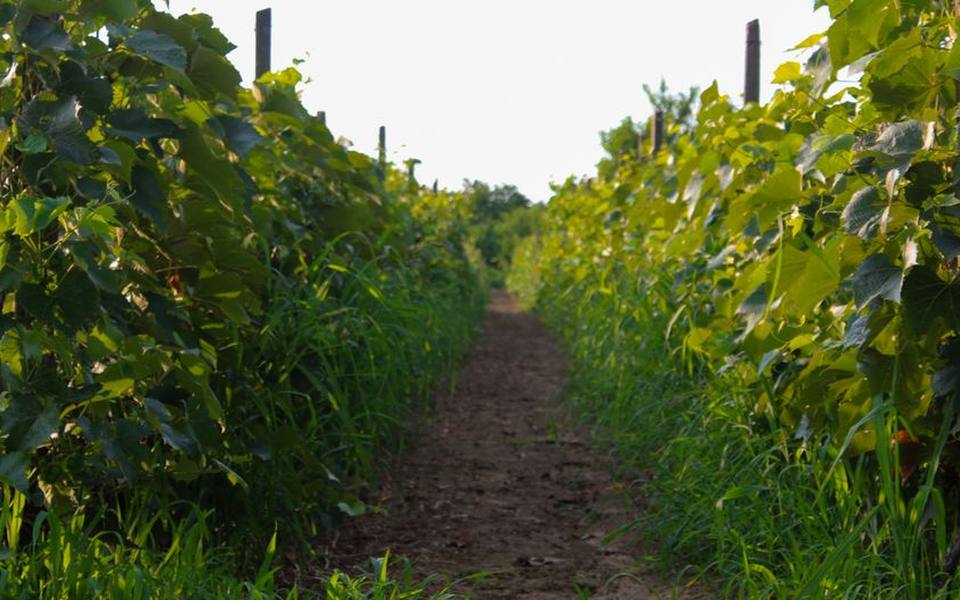
Organic farming shares similar restrictions on synthetic chemicals, but biodynamics takes ecological stewardship a step further by requiring biodiversity across the estate. A certified property cannot be a monoculture consisting solely of vines; it must integrate woodlands, pasture, insectary flowers, and farm animals that generate on-site compost. This closed-loop philosophy improves the microbiome of the soil, which proponents believe allows the vineyard's underlying terroir to express itself with greater clarity and vibrancy in the finished bottle.
When sampling wines produced through organic or biodynamic methods, expect native-yeast fermentations and minimal cellar intervention. Winemakers at these estates generally avoid heavy additives, relying on healthy fruit to ferment cleanly. Tasting these bottles side-by-side during wine tasting flights reveals distinct textural depth and subtle earthy characteristics that reflect the chemical-free soil beneath the vines.
The Rise of Culinary Farm-to-Table Tasting Rooms
One of the most appealing trends in modern vineyard hospitality is the seamless integration of estate culinary gardens with cellar operations. Properties like Pippin Hill Farm and Winery in the rolling foothills outside Charlottesville, Virginia, helped establish this standard by designing their tasting spaces around an expansive, multi-tiered kitchen garden. Visitors can view the exact heirloom vegetables, microgreens, and herbs being picked just hours before appearing on seasonal culinary pairings, bridging the gap between farm production and fine dining.
Similar integration thrives at destinations like Eastwood Farm and Winery, where orchards, berry patches, and hillside vines come together to supply both food menus and small-batch beverage production. Choosing wineries with food prepared from hyper-local ingredients elevates a simple afternoon outing into a complete sensory exploration of regional agriculture. Chefs collaborate directly with viticulturists to build dishes that enhance the acidity, tannin, and fruit profile of current vintage releases.
These culinary-driven estates typically recommend advance reservations, especially during peak harvest months and summer weekends. Menus change frequently based on weekly garden harvests, seasonal fruit ripeness, and local butcher availability. Spending time at a table overlooking the plots that supplied your lunch creates an appreciation for seasonality that standard restaurant dining rarely matches.
Working Ranches, Pastured Livestock, and Multi-Crop Estates
Some of the most rewarding rural stops are those that maintain true diversified farming alongside their grape production. Venues like Rocklands Farm and Winery in the Maryland agricultural reserve demonstrate how pasture-raised cattle, sheep, and heritage poultry can coexist with viticulture. Grazing animals help manage ground cover, naturally fertilize fallow fields, and aerate soil, creating a balanced farm ecosystem that minimizes mechanical tilling and commercial fuel usage.
At these multi-crop operations, guests can frequently purchase grass-fed meats, farm-fresh eggs, and artisanal wool products alongside cellar bottles. Seeing sheep grazing between dormant rows during winter months or watching working farm dogs manage livestock brings genuine rural texture to the visit. It serves as an educational reminder that grapes are simply one specialty crop within a broader family farming tradition that feeds communities.
Visiting a multi-crop ranch requires visitors to respect operational boundaries. Working equipment, electric fence lines, and livestock pastures mean children and pets must be supervised closely. These estates provide an immersive rural atmosphere where visitors can sit outdoors on hay bales or picnic tables, enjoying a glass of estate red while watching the daily rhythms of farm life unfold.
Harvest Traditions and the Classic Grape Stomp Experience
For hands-on agritourism enthusiasts, participating in an annual grape stomp is a bucket-list autumn tradition. Running typically from late August through October depending on regional climate and grape varietals, harvest festivals invite the public to celebrate the year's crop by stepping directly into wooden barrels filled with freshly harvested clusters. What was once an ancient necessity for crushing fruit before modern mechanical presses is now a joyful community ritual that honors agrarian roots.
If you plan to attend an autumn stomping event, preparation is essential. Grape juice stains skin and fabrics quickly, so experienced festivalgoers wear dark clothing, shorts, and comfortable sandals that slip off easily. Wineries typically provide wash stations with cold water and towels so participants can clean sticky grape skins and natural sugars from their feet before returning to tasting areas or enjoying live acoustic music on the lawn.
Beyond the festive barrel stomp, harvest weekends often feature vineyard tours showing mechanical and hand-picking crews at work, sorting tables in full operation, and the intoxicating scent of active primary fermentation wafting from the crush pad. It is easily the most dynamic time of year to visit an estate, giving non-farmers a firsthand appreciation for the physical labor required to turn raw fruit into wine.
Fruit Wineries, Berry Patches, and Orchard Agritourism
Viticulture is not restricted solely to classic European grape varieties. In regions with sandy soils or warm subtropical climates, agricultural operations like Keel Farms in central Florida have built thriving enterprises around blueberries, blackberries, peaches, and citrus. These fruit-forward farm hubs often allow visitors to pick their own berries in the morning before cooling off with a fruit-infused wine or hard cider produced in the on-site fermenters.
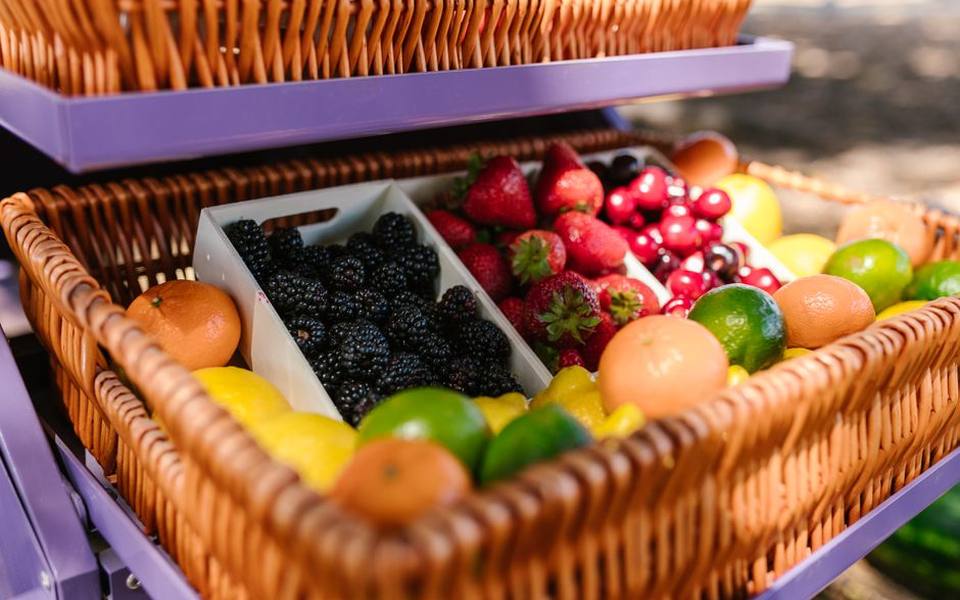
Fruit and berry winemaking demands distinct cellar techniques, balancing the natural sweetness and bright acidity of non-grape crops with careful yeast selection. Visiting an orchard-based estate exposes travelers to a diverse spectrum of local beverages, including dry fruit varietals, crisp ciders, and dessert wines that reflect native agriculture far beyond traditional vineyard rows. Many of these hubs also feature family playgrounds, farm animals, and outdoor games.
Selecting properties that feature sprawling outdoor seating across pastoral grounds allows groups to relax comfortably in natural farm surroundings. Whether sitting under towering pecan trees or beside blueberry patches, an orchard visit broadens your understanding of how diverse American agricultural estates can be while remaining rooted in community hospitality.
Artisanal Kitchen Gardens and California Estate Farming
On the West Coast, farm-focused viticulture blends high-end hospitality with regenerative agricultural science. Pioneer operations like Clif Family Winery & Farm in Napa Valley exemplify how estate vineyards can be paired with certified organic farm acreage, producing specialty culinary provisions, fruit preserves, and cold-pressed olive oils alongside world-class Cabernet and Sauvignon Blanc. Their hospitality model often includes farm-driven food trucks that bring produce straight from hillside rows to guest plates.
Further south in the Santa Cruz Mountains, properties such as Regale Winery and Vineyards showcase Italian-inspired formal gardens, heirloom olive groves, and classical courtyard architecture designed to immerse visitors in Old World agricultural romance. Walking through formal vegetable parterres, fragrant lavender fields, and terraced hillside vines demonstrates how viticulture and landscape design can work together to produce stunning rural sanctuaries.
Booking guided farm tours at these West Coast estates provides practical insight into water conservation, dry farming, and integrated pest management in drought-prone microclimates. Learning how growers manage scarce natural resources while producing concentrated, award-winning wines deepens your connection to the craftsmanship behind each vintage.
Piedmont Vistas, Historic Barns, and Mid-Atlantic Escapes
The Mid-Atlantic and Southeast have nurtured some of the most scenic farm wineries in the country. The Piedmont corridor of Virginia farm wineries is celebrated for properties like Merrie Mill Farm and Vineyard, which pairs historic estate grounds and lush vineyard hills with an artistic, eclectic tasting loft that celebrates rural quirkiness and creative design. Such settings invite guests to linger for hours rather than rushing through a quick tasting flight.
Similarly, venues like The Winery at Sunshine Ridge Farm highlight lakeside topography, offering sweeping water views framed by rustic timber frames and open pastures. Further inland, unique regional destinations like Farmer and Frenchman Winery in rural Kentucky blend traditional European culinary roots with classic tobacco barn architecture, proving that sophisticated farm-to-table wine culture flourishes deep within the American heartland.
These regional destinations excel at creating spaces where community gatherings feel natural and unhurried. By restoring historic farm buildings, preserving scenic viewsheds from suburban encroachment, and showcasing local building materials, these owners maintain tangible links to early American rural life while producing contemporary vinifera and hybrid wines that gain national recognition.
Planning Logistics for an Agritourism Outing
A successful day in the countryside requires a slightly different mindset than visiting commercial city tasting bars. Working farms are active agricultural worksites where terrain can be uneven, gravel trails are standard, and unpaved parking lots turn soft after rain showers. Comfortable footwear, such as low-heeled boots or supportive walking sneakers, is always more practical than thin leather dress shoes or high heels when touring working plots.
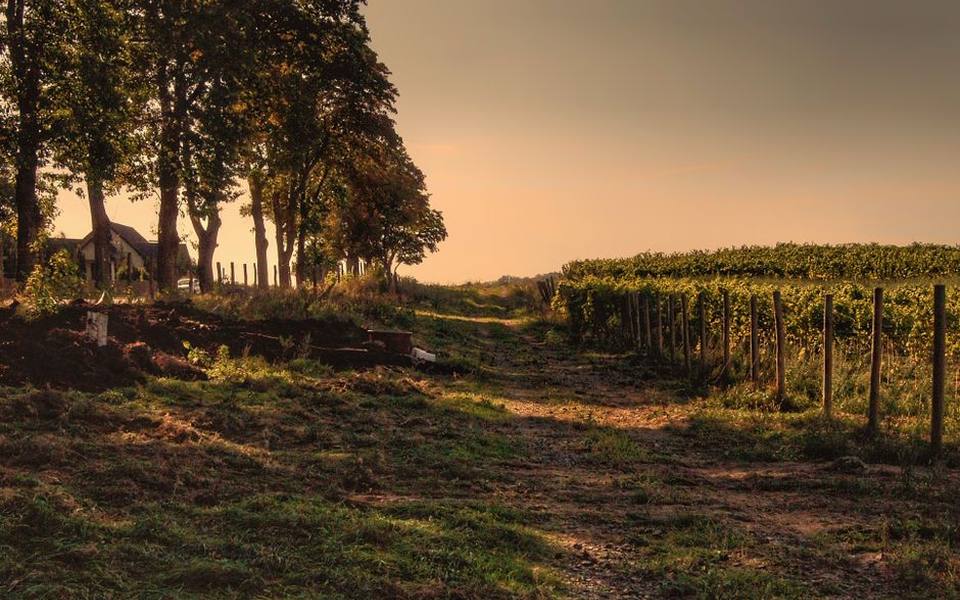
Weather plays an outsized role in agritourism visits. Because much of the charm lies in wandering among the gardens, orchard rows, and outdoor seating areas, checking regional forecasts before setting out is critical. Many rustic properties provide covered pavilions, heated barn patios, or open-air shade structures, but dressing in adaptable layers ensures you stay comfortable as coastal breezes or mountain temperatures shift throughout the afternoon.
Transportation planning is equally vital when exploring country backroads. Rural estates often sit several miles beyond the service boundaries of common rideshare applications, meaning reliable cellular reception can be spotty. Organizing a designated driver or booking a coordinated rural touring shuttle helps keep the journey safe, relaxed, and seamless from start to finish.
Farm Etiquette and Family-Friendly Guidelines
Visiting a working agricultural property comes with common-sense responsibilities. Guests should always stay on marked footpaths and avoid wandering into vine rows where active tractors, spraying equipment, or irrigation lines are operating. Never pick grapes, orchard fruit, or garden flowers unless an area is explicitly marked as a public pick-your-own zone; unauthorized harvesting can disrupt crop yields and ongoing vineyard trials.
Many agritourism properties market themselves as family-friendly destinations, but parents should actively supervise children at all times. Working tractors, natural ponds, beehives, and livestock electric fences pose genuine hazards to unattended little ones. Keeping youngsters in designated lawn games areas or picnic clearings ensures a safe, relaxing day for everyone on the property.
If you hope to bring your four-legged companion along for a country walk, confirm pet policies before leaving home. While many venues operate as dog-friendly estates with leashed access to outdoor lawns and patios, working farms that house resident poultry, barn cats, or livestock frequently prohibit outside animals to prevent pasture stress. A quick check of estate ground rules guarantees a warm welcome upon arrival.
Published 2026-09-21 · reviewed with each rebuild, last September 2026.
Find wineries near you
The directory lists 14,608 wineries by state and city — pick your state or use the “Near me” button in the header.
More guides
-
 Service
How to Become a Sommelier: Career Paths, Tasting Technique, and Practical Service
-
 Service
What to Wear to a Winery: Practical Outfits, Etiquette, and Food Pairings
-
 Owning
The Ultimate Wine and Food Pairing Guide: From Cheese to Desserts
-
 Buying
Understanding Kosher, Organic, and Biodynamic Wines: Production, Storage, and Pairings
-
 Buying
A Guide to Ordering Wine Online and Purchasing Bulk Alcohol for Events
-
 Buying
The Chemistry of Wine Fermentation: Yeast Roles, Malolactic Conversion, and Flavor Balance
-
 Buying
Understanding the Wine Sweetness Scale: From Crisp Dry to Indulgent Sweet
-
 Money
MoneyWine Tasting Costs Explained: What to Expect in Napa Valley and Beyond
-
 Owning
The Ultimate Guide to Charcuterie Boards: Styling, Pairings, and Recipes
-
 Owning
Crystal Wine Glassware Guide: Types, Brands, Care, and Stemless Styles
-
 Buying
Understanding Bold Reds: Dry Wines, Tannin Profiles, and Old Vine Zinfandels
-
 Storage
Choosing the Best Wine Fridge: Sizing, Cooling Zones, and Placement Guide
-
 Buying
Non-Alcoholic Wine Guide: Methods, Profiles, and What to Expect
-
 Buying
Personalized Wine Gifts: Custom Bottles, Engraved Glasses, and Custom Labels
-
 Owning
Essential Wine Accessories: Openers, Preservation Systems, Decanters, and Storage
-
 Buying
White and Rosé Wines: From Crisp Whites to Dry Rosés and Late Harvest Riesling
-
 Buying
Food and Wine Pairing Guide: Salmon, Turkey, Ham, Lamb, and Lasagna
-
 Buying
Large Format Wine Bottles: Magnums, Jeroboams, and Champagne Sizes Explained
-
 Owning
Wine and Food Pairing Guide: Charcuterie Boards, Cheeses, and Dinner Courses
-
 Buying
Specialty Wines, Modern Cellar Styles, and Buying Smart Online
-
 Owning
Planning Memorable Vineyard Visits, Historic Estates, and Tasting Room Escapes
-
 Buying
Sweet and Refreshing White Wines: A Guide to Styles, Grapes, and Tasting Profiles
-
 Service
Cooking with Wine and the Practical Art of Culinary Pairings
-
 Owning
Luxury Glassware and Crystal Stemware: A Guide to Vintage Patterns, Modern Makers, and Care
-
 Storage
Modern Wine Refrigerators and Coolers: Sizing, Placement, and Everyday Performance
-
 Service
Winery & Vineyard Weddings: Venues, Planning, and Event Etiquette
-
 Owning
Electric Wine Openers, Vacuum Stoppers, and Preservation Systems: A Complete Guide
-
 Safety
Traveling with Wine: Suitcases, Luggage Bags, and Airline Rules
-
 Buying
Red Wine Varietals Explained: Malbec, Cabernet, Merlot, and Zinfandel
-
 Owning
Artisan Charcuterie Boards and Wine Party Snack Styling Guide
-
 Buying
Finding and Repurposing Used Oak Wine Barrels for Home and Garden
-
 Buying
Garlic Infused and Extra Virgin Olive Oils: Flavors, Brands, and Culinary Uses
-
 Buying
US Wine Trails and Estate Wineries: Scenic Routes and Destination Guide
-
 Buying
Crystal Wine Glasses, Fine Stemware, and Barware Accessories Guide
-
 Service
The Complete Guide to Winery Visits: Tastings, Vineyard Tours, and Visitor Experiences
-
 Owning
Pairing Wine with Charcuterie, Cheeses, and Seasonal Dinners
-
 Buying
Wine Glassware, Decanters, and Accessories Buyer Guide
-
 Storage
Home Wine Storage, Refrigeration, and Cellar Inventory Guide
-
 Buying
Winery Tours, Tasting Room Experiences, and Vineyard Weddings