Understanding the Fundamentals of Fine Crystal Stemware
Choosing wine glasses involves balancing sensory enjoyment with everyday practicality. Fine crystal differs fundamentally from standard soda-lime glassware due to its mineral composition, which traditionally contained lead oxide and now frequently incorporates barium, zinc, or titanium. These mineral additions give crystal its celebrated brilliance, higher refractive index, and noticeable acoustic resonance when gently tapped. More importantly for wine drinkers, crystal can be spun or blown substantially thinner than ordinary glass while maintaining tensile strength, which creates a razor-thin rim that allows wine to flow effortlessly across the palate.
The tactile feedback of drinking from a well-balanced crystal vessel dramatically shifts the tasting experience. Thick, rolled rims on mass-produced tumblers tend to dump wine abruptly onto the center of the tongue, whereas a sheared, laser-cut crystal edge directs the liquid with precision. The microscopic surface texture of unpolished crystal bowl interiors can also subtly promote turbulence as wine is swirled, encouraging volatile aromatic compounds to release into the headspace of the bowl.
Today, buyers encounter two distinct categories on store shelves: traditional leaded crystal and modern lead-free crystal. Leaded varieties, usually containing at least twenty-four percent lead oxide by weight, offer unmatched weight, diamond-like light refraction, and soft metal workability that allows for intricate hand-cut facets. Lead-free crystal glass substitutes alternative minerals to achieve comparable clarity and sparkle while providing superior resistance to dishwasher etching and chemical leaching over time.
Classic Deep-Cut Heritage Patterns and Bohemian Craftsmanship
Traditional cut crystal remains an enduring centerpiece for formal dinners, holiday gatherings, and heritage collections. Among the most recognizable patterns found in American dining rooms are Dublin crystal glasses, created by Godinger. Characterized by deep starburst engravings, faceted wedge cuts, and a reassuringly hefty foot, this style draws heavy inspiration from classic Irish crystal heritage. While deep-cut stemware does not prioritize aromatic concentration in the way sommelier-focused varietal glassware does, it delivers undeniable sparkle and classic vintage presence to a decorated dinner table.
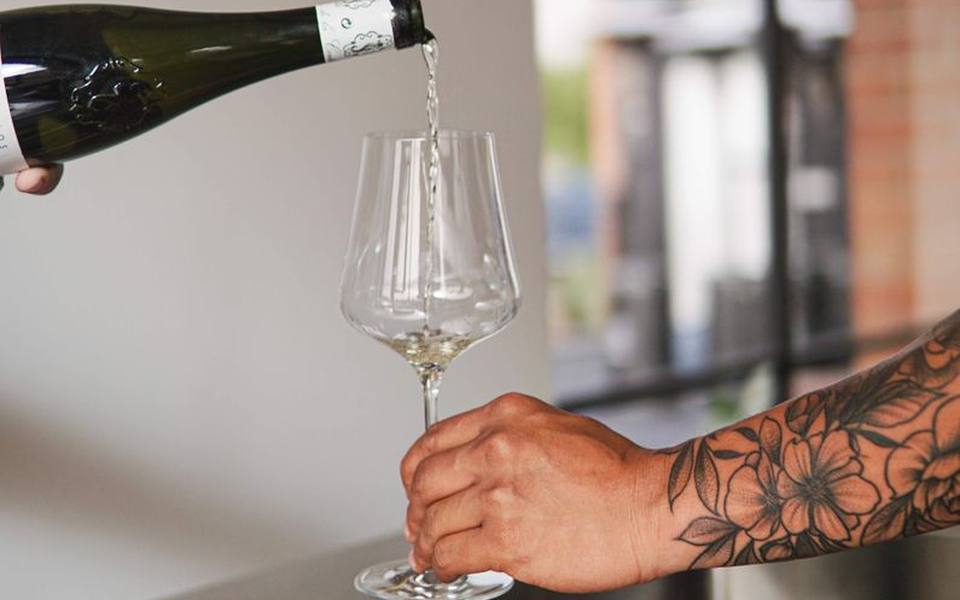
Central Europe has long maintained an exceptional reputation for glassmaking, especially across the historical regions of the Czech Republic. Bohemia wine glasses showcase centuries of master glassblowing techniques, transitioning seamlessly from elaborate engraved chalices to sleek, ultra-modern lead-free stems. Czech glassworks pioneered the use of potassium-limestone glass, which produced crystal clear vessels that rivaled Venetian blown glass in clarity and strength.
When purchasing European cut crystal, buyers should consider how the weight and balance feel during extended use. Faceted cut crystal stemware typically weighs two to three times more than minimalist blown stemware. If you host seated multi-course meals where glasses remain largely on the tablecloth between sips, heavier cut stems provide exceptional stability and resist tipping, making them a dependable option for lively dinner parties.
Designer Stemware Collections for Formal Entertaining
High-end designer partnerships have produced some of the most sought-after wedding registry and formal entertaining stemware over the past several decades. Vera Wang Duchesse wine glasses, produced in partnership with master crystal house Wedgwood, represent an iconic balance of modern restraint and classical elegance. Featuring a tall, tailored silhouette with clean vertical wedge cuts radiating upward from the base of the bowl, this line provides a polished aesthetic that coordinates effortlessly with both modern bone china and vintage place settings.
Another beloved staple from late twentieth-century entertaining is the Flame D Amore Mikasa collection. Mikasa earned widespread popularity by offering premium dining collections that felt luxurious yet remained accessible for middle-class hostesses. The Flame D Amore pattern features graceful vertical cuts that swirl upward like flickering candle flames around a gently tulip-shaped bowl, resting atop an elegantly sculpted stem.
Investing in designer stemware requires an awareness of pattern lifespans and replacement availability. Brands periodically retire patterns or alter manufacturing locations, which can cause subtle variations in stem height or cut depth over the years. Secondary marketplaces and specialty dinnerware replacement services serve as valuable resources if you need to replace a broken piece from a legacy pattern that your family has enjoyed for decades.
Accessible French Glassmakers and Vintage Daily Drinkware
Not every bottle of wine requires fragile, collector-grade stemware to be thoroughly enjoyed. Everyday dining benefits from durable, well-proportioned glassware that can withstand weekly trips through the dishwasher without clouding or chipping. French manufacturers have mastered this accessible tier for generations, blending European visual style with industrial durability suitable for casual weeknight dinners or lively backyard gatherings with friends.
For celebratory toasts that do not warrant delicate crystal flutes, Cristal d Arques champagne glasses have long delivered a sparkling, diamond-bright aesthetic at an affordable price point. Known historically for their ornate pressed-crystal patterns and more recently for their proprietary Diamax glass formula, these flutes offer the optical clarity and pleasant chiming sound of traditional crystal while demonstrating remarkable resistance to thermal shock and chipping along the rim.
Similarly, Luminarc crystal glasses and everyday stemware collections from the Arc International group remain a familiar sight in casual bistros and home kitchens worldwide. Whether you encounter their famous retro colored-stem wine glasses or thick-stemmed tasting goblets during local tasting room visits, these durable pieces provide dependable service. Their tempered construction tolerates frequent handling and accidental bumps that would instantly shatter delicate mouth-blown glassware.
Specialty Glassware for Port, Fortified Wines, and Digestifs
Fortified wines such as Port, Sherry, and Madeira possess significantly higher alcohol levels and intense aromatic concentrations that can easily overwhelm standard red or white wine bowls. Crystal port glasses are intentionally engineered with a compact bowl and a slightly tapered chimney, typically holding between four and six ounces of liquid while only being filled to the two-ounce mark. This concentrated architecture directs delicate dried-fruit, hazelnut, and spice aromatics toward the nose while preventing intense ethanol vapors from stinging the nasal passages.
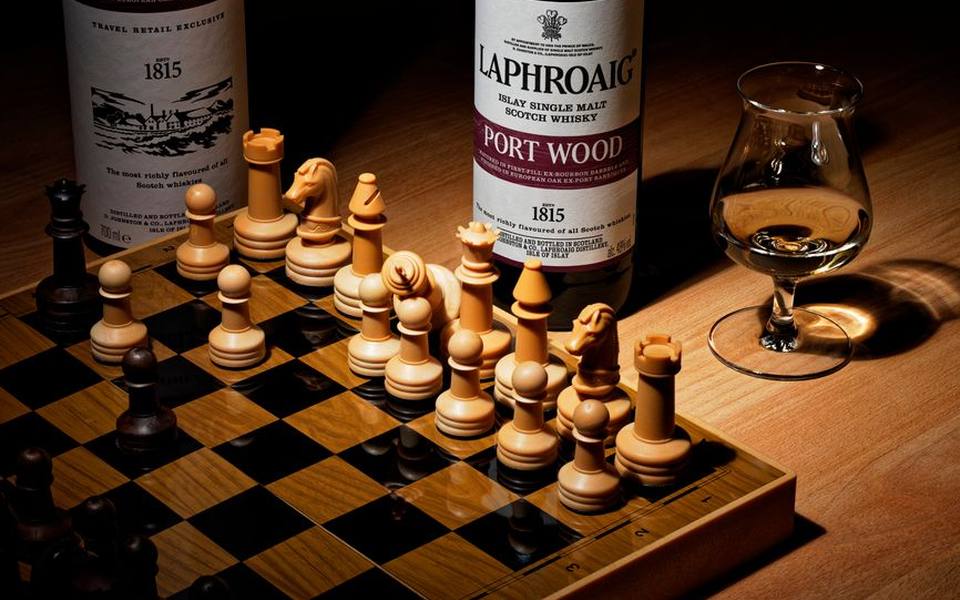
Using proper small-format stemware fundamentally alters the perception of dessert wines, ensuring that rich sweetness is balanced by acidity rather than overshadowed by warmth. Serving vintage Port in an oversized Bordeaux balloon glass spreads the liquid too thinly across the base, accelerating alcohol evaporation and throwing the wine out of balance. Compact crystal stems ensure the pour remains at proper serving temperature throughout dessert.
If you regularly participate in formal tasting flights, adding a half-dozen fortified stems to your bar cabinet is a worthwhile upgrade. Look for glasses with small, gently curved bowls that allow subtle swirling without sloshing. High-quality crystal port stems make exceptional vessels for single-malt whiskies, brandies, and herbal amaro selections after dinner, providing versatile utility beyond dessert wines.
Whimsical Table Settings with Tinted and Confetti Glassware
While clear crystal remains the standard for evaluating wine color and clarity, playful and colorful stemware has experienced a widespread resurgence in casual home entertaining. Pink crystal glasses bring a touch of vintage charm and soft warmth to brunch tables, bridal showers, and summer lunches. Tinted crystal achieves its delicate blush hues through the addition of trace metallic oxides during the melting process, resulting in permanent, rich coloration that will never peel or fade with washing.
For festive outdoor gatherings and casual dinners, confetti wine glasses offer a striking burst of artistic expression. Crafted using hand-blown techniques where multicolored glass frit is rolled into the molten gather before final shaping, no two confetti stems are ever identical. The vibrant specks of color catch natural sunlight beautifully, creating an inviting, relaxed atmosphere that encourages casual sipping without formal pretension.
When styling your table with tinted or patterned glassware, balance is essential. If your stemware features bright confetti speckles or colored bowls, pair them with minimalist white plates and neutral linen napkins so the table does not appear visually chaotic. Tinted glasses also make practical choices for serving chilled spritzes, rosé, or sparkling water alongside your main wine offerings.
Portable Drinkware and Innovative Outdoor Wine Tumblers
Fine crystal should rarely leave the dining room, but outdoor gatherings demand vessels capable of maintaining wine temperature without creating dangerous glass hazards. The popular Swig wine tumbler highlights the growing demand for vacuum-insulated, stainless-steel stemless alternatives. Featuring copper-plated double-wall insulation, these cups keep chilled white wines and rosés cold for hours under the summer sun, preventing condensation from sweating onto patio tables or beach blankets.
For enthusiasts who dislike sipping wine from metallic rims, ingenious hybrid solutions have entered the marketplace. A notable example is Goverre, an innovative portable wine glass that gained national prominence after appearing on Shark Tank. Goverre incorporates a durable, real-glass interior wrapped in a protective silicone houndstooth sleeve, topped with a drink-through, leak-resistant twist lid. This design preserves the pure taste of wine from natural glass while offering the grip and durability needed for parks and pool decks.
Outdoor drinkware has evolved far beyond cheap plastic cups, offering refined textures and dependable thermal regulation for patio dining and picnics. When choosing portable tumblers, verify that the lid seal disassembles easily for thorough cleaning, and look for silicone bases that prevent sliding across uneven outdoor surfaces.
Party Management and Drinking Glass Markers
Hosting a gathering often leads to a familiar dilemma: guests set down their drinks while conversing, quickly losing track of which glass belongs to whom. Drinking glass markers provide a clean, modern solution to this social mix-up, replacing dated wire stem charms with practical erasable pens. Specially formulated non-toxic ink allows guests to write their name, draw a quick doodle, or note the varietal directly onto the bowl or foot of their glass.
These food-safe marker inks typically dry within thirty seconds, resisting smudges from chilled condensation while remaining completely removable with warm water and mild soap at the end of the evening. Beyond marking names on glasses, hosts often use these pens on large glass carafes or slate charcuterie boards to label wine vintages and artisan cheeses for their guests.
Alternative tracking accessories include flexible food-grade silicone drink bands, suction-cup bowl charms, and static cling labels. Silicone rings that wrap gently around the slender stems of crystal glasses are especially useful for seated dinners, as they eliminate the rattling metallic noise common with traditional dangling metal wire charms.
Proper Care, Washing, and Storage for Fine Stemware
The longevity of fine crystal depends almost entirely on how it is cleaned and stored between uses. While many contemporary lead-free crystal manufacturers claim their products are dishwasher safe, hand washing remains the safest approach for delicate, long-stemmed glassware. Always wash crystal in lukewarm water using a modest drop of unscented liquid dish soap, avoiding hot water spikes that can trigger thermal shock and crack thin bowls.

Drying and polishing require gentle technique to avoid snapping fragile stems. Never twist the base of the glass in the opposite direction of the bowl, as torque applied across a thin crystal stem is the leading cause of sudden stem breakage. Instead, cradle the bowl gently in one hand while using a dedicated lint-free microfiber polishing cloth with the other hand to buff away water spots and fingerprints.
Storing crystal properly protects both the glass and your indoor air quality. Stems should always be stored standing upright on their bases inside an enclosed cabinet, never resting upside down on their delicate rims where weight can cause micro-fissures. When traveling through wine country or visiting wineries across California to pick up collectible bottles, consider picking up padded stemware travel cases to transport your favorite tasting stems safely.
Building a Versatile Home Stemware Collection on Any Budget
Curating a functional collection of wine glasses does not require buying a specific glass shape for every single grape variety. For most wine lovers, maintaining three core shapes will cover almost every pour imaginable: a universal medium-sized tulip glass for crisp whites and light reds, a broad-bowled Burgundy glass for aromatics, and a generous Bordeaux glass for structured, tannic reds. Adding a dedicated set of sparkling flutes or coupes rounds out the essentials.
You can assemble a luxurious stemware collection gradually by mixing investment pieces with budget-friendly estate finds. Thrift stores, vintage consignment boutiques, and estate sales frequently yield magnificent sets of vintage cut crystal from renowned makers at a tiny fraction of original retail prices. Inspecting rims with a light fingertip sweep will quickly identify tiny chips that make a glass unsafe to drink from.
Ultimately, the best wine glasses are the ones you feel comfortable using regularly rather than keeping locked away in a curio cabinet. Select stemware that feels balanced in your hand, showcases the wine's aromatic profile, and fits seamlessly into your entertaining lifestyle, whether that means hand-cut heritage crystal or durable dishwasher-safe modern designs.
Published 2026-09-21 · reviewed with each rebuild, last September 2026.
Find wineries near you
The directory lists 14,608 wineries by state and city — pick your state or use the “Near me” button in the header.
More guides
-
 Service
How to Become a Sommelier: Career Paths, Tasting Technique, and Practical Service
-
 Service
What to Wear to a Winery: Practical Outfits, Etiquette, and Food Pairings
-
 Owning
The Ultimate Wine and Food Pairing Guide: From Cheese to Desserts
-
 Buying
Understanding Kosher, Organic, and Biodynamic Wines: Production, Storage, and Pairings
-
 Buying
A Guide to Ordering Wine Online and Purchasing Bulk Alcohol for Events
-
 Buying
The Chemistry of Wine Fermentation: Yeast Roles, Malolactic Conversion, and Flavor Balance
-
 Buying
Understanding the Wine Sweetness Scale: From Crisp Dry to Indulgent Sweet
-
 Money
MoneyWine Tasting Costs Explained: What to Expect in Napa Valley and Beyond
-
 Owning
The Ultimate Guide to Charcuterie Boards: Styling, Pairings, and Recipes
-
 Owning
Crystal Wine Glassware Guide: Types, Brands, Care, and Stemless Styles
-
 Buying
Understanding Bold Reds: Dry Wines, Tannin Profiles, and Old Vine Zinfandels
-
 Storage
Choosing the Best Wine Fridge: Sizing, Cooling Zones, and Placement Guide
-
 Buying
Non-Alcoholic Wine Guide: Methods, Profiles, and What to Expect
-
 Buying
Personalized Wine Gifts: Custom Bottles, Engraved Glasses, and Custom Labels
-
 Owning
Essential Wine Accessories: Openers, Preservation Systems, Decanters, and Storage
-
 Buying
White and Rosé Wines: From Crisp Whites to Dry Rosés and Late Harvest Riesling
-
 Buying
Food and Wine Pairing Guide: Salmon, Turkey, Ham, Lamb, and Lasagna
-
 Buying
Large Format Wine Bottles: Magnums, Jeroboams, and Champagne Sizes Explained
-
 Service
Farm Wineries, Agritourism, and Sustainable Vineyard Experiences Across America
-
 Owning
Wine and Food Pairing Guide: Charcuterie Boards, Cheeses, and Dinner Courses
-
 Buying
Specialty Wines, Modern Cellar Styles, and Buying Smart Online
-
 Owning
Planning Memorable Vineyard Visits, Historic Estates, and Tasting Room Escapes
-
 Buying
Sweet and Refreshing White Wines: A Guide to Styles, Grapes, and Tasting Profiles
-
 Service
Cooking with Wine and the Practical Art of Culinary Pairings
-
 Owning
Luxury Glassware and Crystal Stemware: A Guide to Vintage Patterns, Modern Makers, and Care
-
 Storage
Modern Wine Refrigerators and Coolers: Sizing, Placement, and Everyday Performance
-
 Service
Winery & Vineyard Weddings: Venues, Planning, and Event Etiquette
-
 Owning
Electric Wine Openers, Vacuum Stoppers, and Preservation Systems: A Complete Guide
-
 Safety
Traveling with Wine: Suitcases, Luggage Bags, and Airline Rules
-
 Buying
Red Wine Varietals Explained: Malbec, Cabernet, Merlot, and Zinfandel
-
 Owning
Artisan Charcuterie Boards and Wine Party Snack Styling Guide
-
 Buying
Finding and Repurposing Used Oak Wine Barrels for Home and Garden
-
 Buying
Garlic Infused and Extra Virgin Olive Oils: Flavors, Brands, and Culinary Uses
-
 Buying
US Wine Trails and Estate Wineries: Scenic Routes and Destination Guide
-
 Service
The Complete Guide to Winery Visits: Tastings, Vineyard Tours, and Visitor Experiences
-
 Owning
Pairing Wine with Charcuterie, Cheeses, and Seasonal Dinners
-
 Buying
Wine Glassware, Decanters, and Accessories Buyer Guide
-
 Storage
Home Wine Storage, Refrigeration, and Cellar Inventory Guide
-
 Buying
Winery Tours, Tasting Room Experiences, and Vineyard Weddings