Dressing for the Tasting Room: Practical Winery Attire
Choosing what to wear to a winery starts with balancing polished comfort against the realities of a working agricultural facility. Most vineyard tasting rooms embrace a smart casual aesthetic, which means elevated daywear such as tailored trousers, dark denim, breathable linen shirts, or casual day dresses. You want an outfit that looks put together in photographs while still allowing you to walk across gravel paths, uneven stone terraces, and damp cellar floors with total confidence.
Footwear is consistently the most critical decision when planning your day. Crushed gravel walkways, damp lawn areas, and production facility grates make stiletto heels impractical and often hazardous. Instead, opt for low block heels, stylish flat leather boots, clean sneakers, or structured loafers. Practical footwear ensures you can enjoy facility tours and walking paths without constantly worrying about sinking into soft turf or twisting an ankle on historic paving stones.
Color palette and fabric selection also merit careful thought during a tasting excursion. Spills can happen even among seasoned wine lovers, so wearing pristine white garments or delicate silk tops can make an afternoon stressful. Darker tones, jewel tones, earthy neutrals, and subtle patterns provide peace of mind if a drop of red wine splashes. Breathable natural fibers like cotton, linen, and light wool allow you to stay comfortable as you move between indoor bars and sunlit outdoor patios.
When visiting destinations with wide estates, such as wineries in California, layering is the standard strategy for daytime temperature swings. Mornings often begin with cool coastal fog, while midday temperatures can rise significantly before dropping again in the evening. A tailored blazer, lightweight denim jacket, or soft cashmere cardigan allows you to adapt seamlessly as you transition between air-conditioned barrel rooms and sun-drenched vineyard seating.
Cold Weather Vineyard Style: Dressing for Winter Visits
Visiting vineyards during the colder months provides an intimate, unhurried experience, but figuring out what to wear to a winery in winter requires thoughtful preparation. Modern tasting rooms maintain comfortable indoor temperatures, yet cellar tours and outdoor viewpoints remain chilly. The key is assembling a sophisticated winter outfit built around high-quality thermal layers, heavy knits, and functional outerwear that you can peel off easily upon stepping inside.
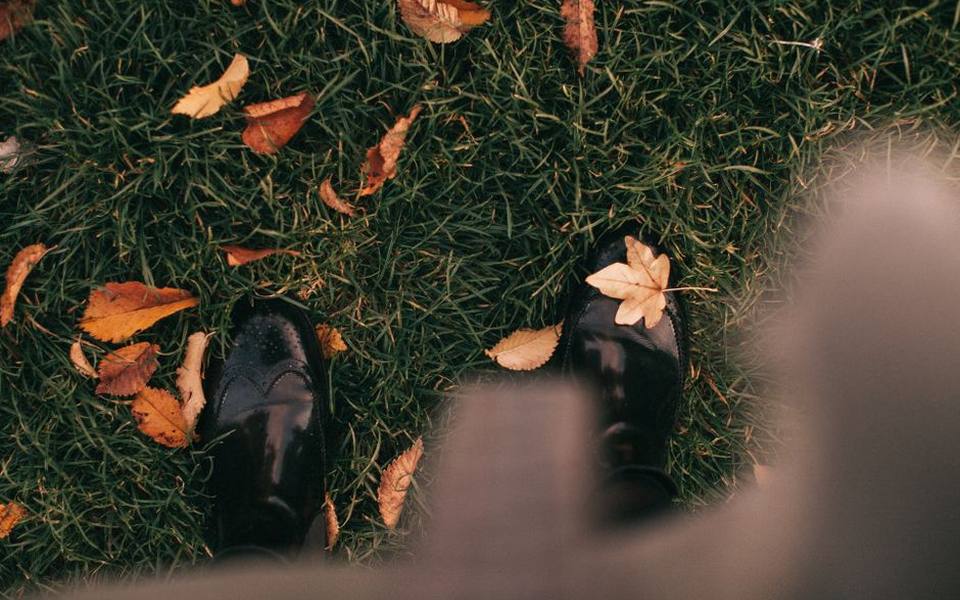
Begin with a solid base, such as dark tailored denim or heavy wool trousers paired with a soft merino wool turtleneck or chunky crewneck sweater. A knee-length wool overcoat, shearling jacket, or structured trench adds polish while protecting you against wind during outdoor walks. Avoid bulky athletic puffers when possible, as structured coats deliver a sleeker silhouette in tasting room photos while keeping you equally warm.
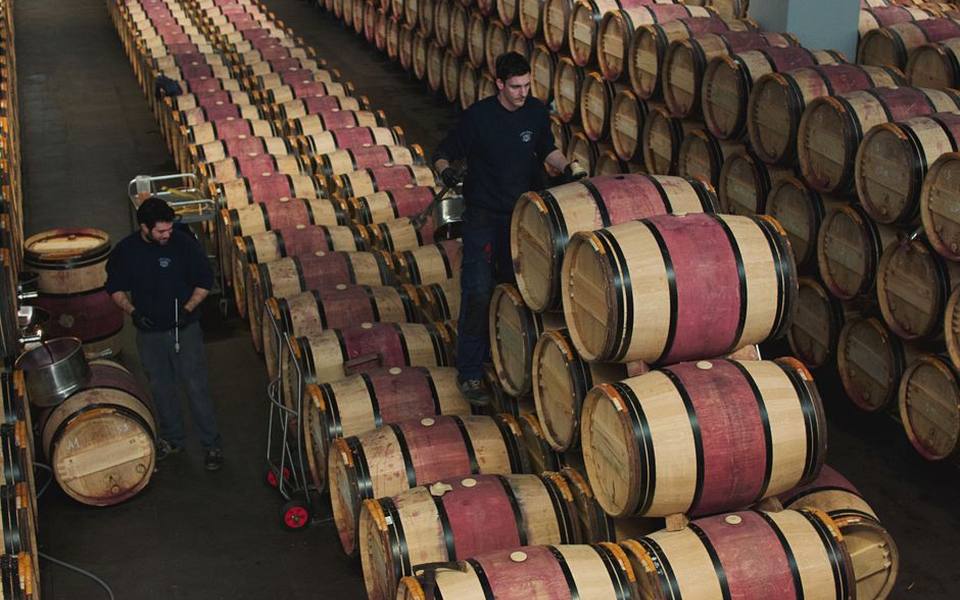
Footwear during winter cellar excursions must handle cold concrete and wet ground. Insulated Chelsea boots, waterproof leather riding boots, or sleek lug-sole ankle boots are ideal choices. Concrete barrel rooms typically sit at a constant 55 to 60 degrees Fahrenheit year-round with elevated humidity, meaning cold can seep up through thin shoes quickly. Pair your boots with warm wool socks to stay comfortable during lengthy guided discussions.
Sensory Etiquette and Tasting Room Protocol
A visit to an estate is a full sensory experience, making personal grooming and etiquette just as important as your visual presentation. Because the sense of smell represents the vast majority of what we perceive as flavor, heavy perfumes, scented colognes, and fragrant hand creams can disrupt your palate and those of fellow guests around you. Staff and experienced tasters appreciate an aroma-neutral environment where the nuances of oak, fruit, and terroir take center stage.
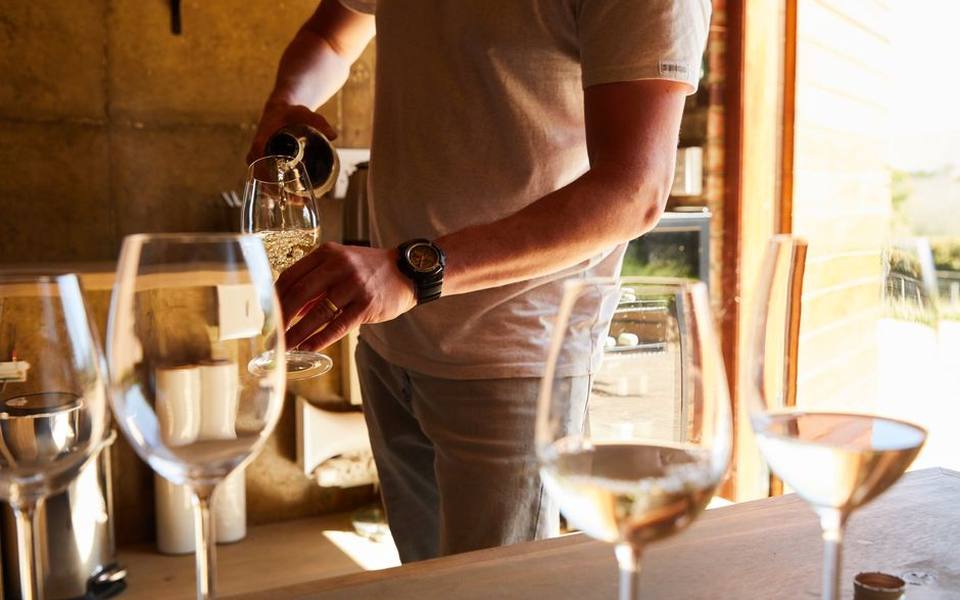
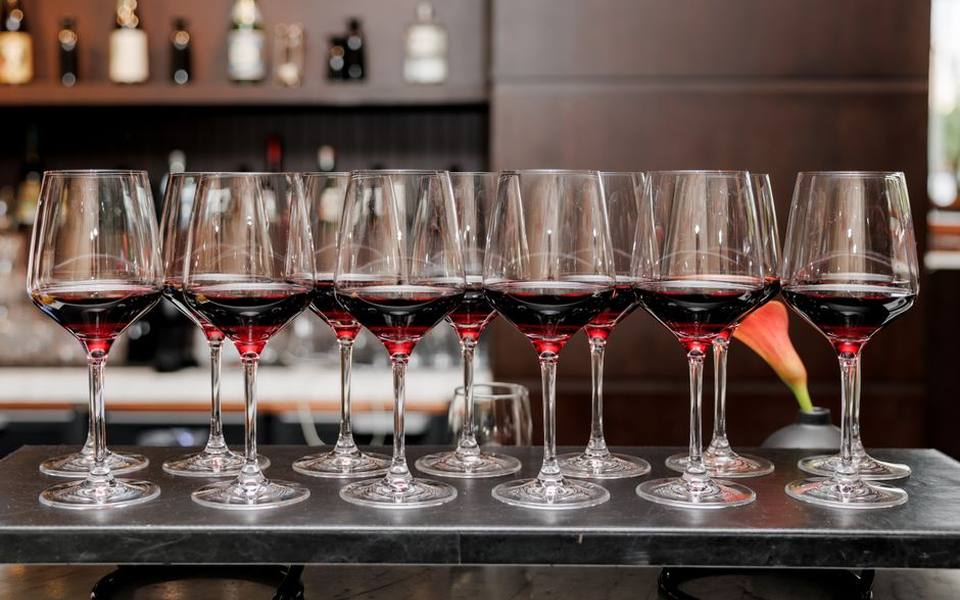
When servers pour your samples at established wineries with tastings, holding your glass correctly demonstrates respect for the liquid. Always hold the glass by the stem rather than cupping the bowl with your palm. Holding the bowl warms the wine above its intended serving temperature, which can cause alcohol vapors to overpower subtle aromatics, while also leaving greasy fingerprints all over the clear crystal.
Pacing and hydration are foundational to a successful outing, especially if you plan to visit multiple properties. Most facilities provide dump buckets on the bar, and using them to discard leftover wine or to spit is considered professional, not wasteful. Staff expect guests to manage their consumption prudently. Alternate every glass of wine with an equal volume of fresh water to keep your palate sharp throughout the entire itinerary.
Aeration Essentials: Decanters and Aerating Tools
Understanding how oxygen interacts with wine elevates your tasting skills both at the estate and at home. Young, full-bodied red wines packed with firm tannins often smell closed and taste austere straight out of the bottle. Introducing controlled oxygen softens harsh tannins, releases volatile aromatic compounds, and allows the fruit profile to emerge. Finding the best wine aerator depends entirely on how quickly you want to serve the bottle and how much sediment is present.
Handheld in-line aerators and bottle-spout pourers work through fluid dynamics, drawing ambient air into the stream of wine as it leaves the bottle neck. These tools provide instant aeration, making them ideal for weekday dinners or casual gatherings where decanting for two hours is impractical. They perform admirably with young, bold reds like youthful Cabernet Sauvignon or Syrah, instantly smoothing rough edges and opening floral aromatics.
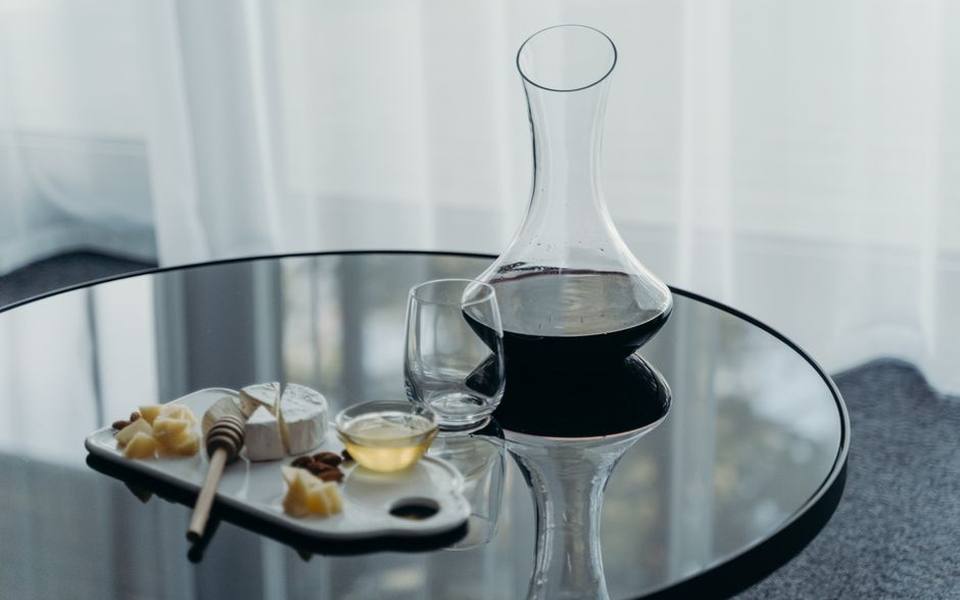
For older vintage bottles or delicate wines, a traditional broad-base glass decanter remains superior to mechanical aerators. Aged bottles often contain bitter sediment that should settle quietly, and aggressive mechanical aeration can blow off fragile secondary aromas in mature vintages before you take your first sip. Decanting allows for gradual, gentle oxidation over thirty to ninety minutes, letting complex notes of leather, cedar, and dried fruit unfold naturally.
Matching Wine with Hearty Pasta and Classic Lasagna
Pairing wine with Italian dishes begins with analyzing the dominant sauce rather than the starch itself. When serving tomato-based sauces, the acidity of the cooked tomatoes demands a wine with equal or higher acidity; a low-acid wine will taste flat, flabby, and metallic alongside bright marinara. For this reason, high-acid Italian varieties like Sangiovese, Barbera, and Nebbiolo represent the gold standard when deciding the best wine to pair with pasta.
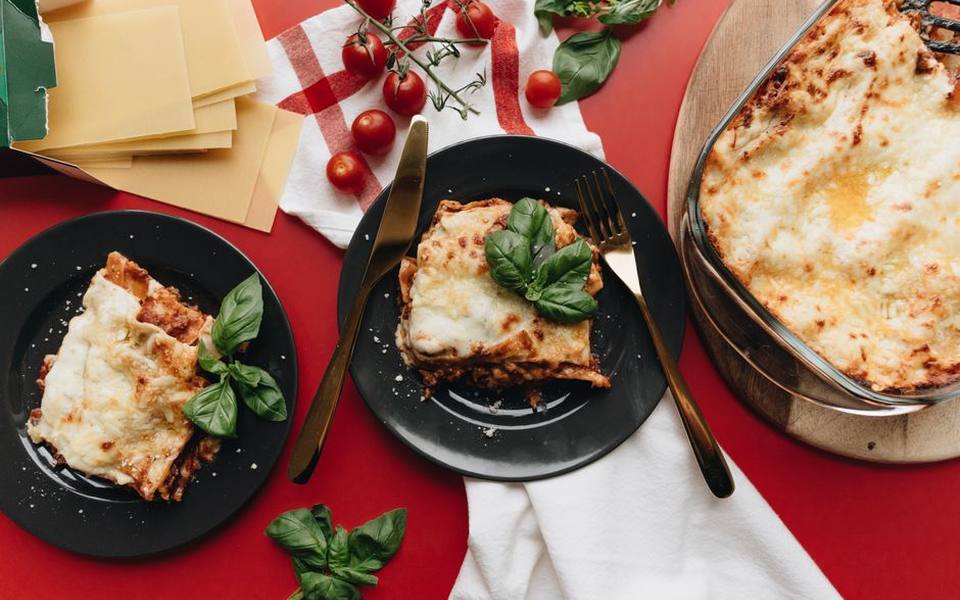
Identifying the best wines with lasagna requires considering the layers of rich melted cheese, seasoned ground beef or sausage, and thick tomato sauce. The ultimate wine pairing for lasagna is Chianti Classico or a structured Barbera d'Asti. The natural acidity in these reds slices through the creamy ricotta and mozzarella, while moderate tannins cut through the fat of the meat without overwhelming the nuanced herbs in the sauce.
For creamier or herbal pasta variations, your strategy should shift away from bold reds. A buttery fettuccine Alfredo or creamy carbonara pairs beautifully with high-acid whites that offer texture, such as lightly oaked Chardonnay, Soave, or Pinot Grigio. If you are serving pasta tossed with fresh basil pesto, crisp herbal whites like Sauvignon Blanc or Vermentino mirror the green herbaceous notes of the sauce while cleansing the palate of rich olive oil and pine nuts.
The Carnivore's Pour: Selecting the Best Red Wine for Steak
Finding the best red wine for steak is one of the most reliable exercises in food pairing because protein and dietary fats directly counteract astringent wine tannins. Tannins are naturally occurring compounds from grape skins, seeds, and oak barrels that bind to salivary proteins, creating a drying sensation on your tongue. When you eat a juicy, marbled cut of beef, the rendered fat coats your palate, softening the tannins and revealing the wine's sweet core of dark fruit.
For heavily marbled cuts like prime ribeye or a New York strip, full-bodied reds with bold structure reign supreme. Cabernet Sauvignon remains the quintessential partner, offering blackcurrant fruit, firm tannins, and cedar notes that stand up to charred fat. Similarly, peppery Syrah, bold Malbec, and robust Petite Sirah deliver the concentration and muscular framework necessary to match deeply caramelized crusts straight off a cast-iron skillet or hardwood grill.
Leaner beef cuts, such as beef tenderloin or filet mignon, lack the extensive marbling required to soften aggressively tannic young wines. Pairing an overly astringent Cabernet with a delicate filet can overwhelm the meat and leave an unpleasantly dry aftertaste. For these leaner preparations, choose medium-bodied reds with silky tannins, such as a mature Pinot Noir, an earthy Merlot, or a refined Rioja Reserva, which complement tender beef without masking its subtle flavor.
Delicate Balances: Pouring the Right Glass for Fresh Sushi
Selecting the best wine pairing with sushi involves navigating raw fish textures, clean umami, pickled ginger, salty soy sauce, and fiery wasabi. Heavy red wines are generally disastrous alongside raw seafood; iron content in red wine reacts negatively with fish oils, producing a harsh, metallic aftertaste that ruins both elements. Instead, sushi demands beverages that showcase energetic acidity, mineral freshness, and zero harsh oak presence.
Traditional dry sparkling wine stands as the premier universal choice for varied sushi platters. The natural effervescence and elevated acidity in Champagne, Cava, or crisp domestic sparkling wines cleanse the palate between bites of rich salmon belly or fatty tuna. The delicate yeasty notes also echo the subtle seasoning in vinegared sushi rice, providing harmony across sashimi and delicate nigiri pieces.
For still white wines, mineral-driven varieties with lively acidity deliver exceptional balance. A dry German or Austrian Riesling balances spicy wasabi and soy sauce effortlessly, while bone-dry Grüner Veltliner, Chablis, or Albariño highlights the briny sweetness of fresh scallops and yellowtail. If you prefer light reds, an ultra-chilled, pale rosé made from Grenache or Pinot Noir offers just enough berry fruit without clashing with delicate seafood proteins.
Cooking with Wine: Choosing the Right Dry Red for the Kitchen
Using wine in home cooking enriches braises, pan sauces, and stews by adding concentrated flavor and vital culinary acidity. The absolute cardinal rule is to steer clear of grocery store bottles labeled specifically as cooking wine. These commercial products are typically laden with added sodium, chemical preservatives, and artificial flavorings that can ruin an otherwise carefully prepared recipe with unnatural bitterness and saltiness.
When identifying the best dry red wine for cooking, you want an affordable, fruit-forward dry red that you would happily drink on its own. As wine simmers, alcohol evaporates and water boils off, concentrating both the sweetness and acidity of the liquid. Oak tannins also concentrate during reduction, which means heavily oaked, expensive bottles can turn unpleasantly harsh when reduced into a pan sauce.
Un-oaked or lightly oaked Pinot Noir, medium-bodied Merlot, or fruit-forward Cotes du Rhone blends make ideal culinary workhorses. Their balanced acidity tenderizes connective tissue in pot roasts and stews, while their bright red fruit flavors blend harmoniously into caramelized shallots, garlic, and beef stock. Aim for an inexpensive everyday bottle; there is rarely any culinary benefit to simmering an allocated, cellar-worthy vintage on your stovetop.
The Business of Wine: Breaking into Management Consulting for Vineyards
Beyond hospitality and culinary pairing, the wine sector relies heavily on external corporate strategists, leading many professionals to explore management consulting how to get into the agricultural business world. Boutique advisory firms and independent management consultants help historic estates navigate supply chain snags, transition toward direct-to-consumer digital marketing, modernize cellar equipment, and manage generational succession planning.

Breaking into this specialized branch of management consulting typically requires combining classical business acumen with authentic agricultural literacy. Candidates usually enter through traditional consulting pathways, earning a degree in finance, operations management, or an MBA, before specializing in food, beverage, and agribusiness practices. Demonstrating familiarity with harvest logistics, federal alcohol compliance, and vineyard land valuation helps distinguish generalist consultants from industry specialists.
Networking across industry trade associations and pursuing formal wine credentials, such as WSET certifications, also establishes credibility with vineyard owners. Estate leaders value consultants who speak the language of both balance sheets and vintage variation. Consultants who understand how water rights, labor availability, and tasting room margins intersect are best equipped to guide growing operations through competitive modern marketplaces.
Planning Your Vineyard Outing and Dining Itinerary
A truly memorable winery excursion blends outdoor beauty, leisurely sips, and thoughtful dining. If you are organizing a full day of visits, explore destinations with wineries with outdoor seating where you can relax on shaded terraces between formal tastings. Scheduling no more than two or three appointments across a single day ensures you have ample time to soak in the scenery without rushing your flight.
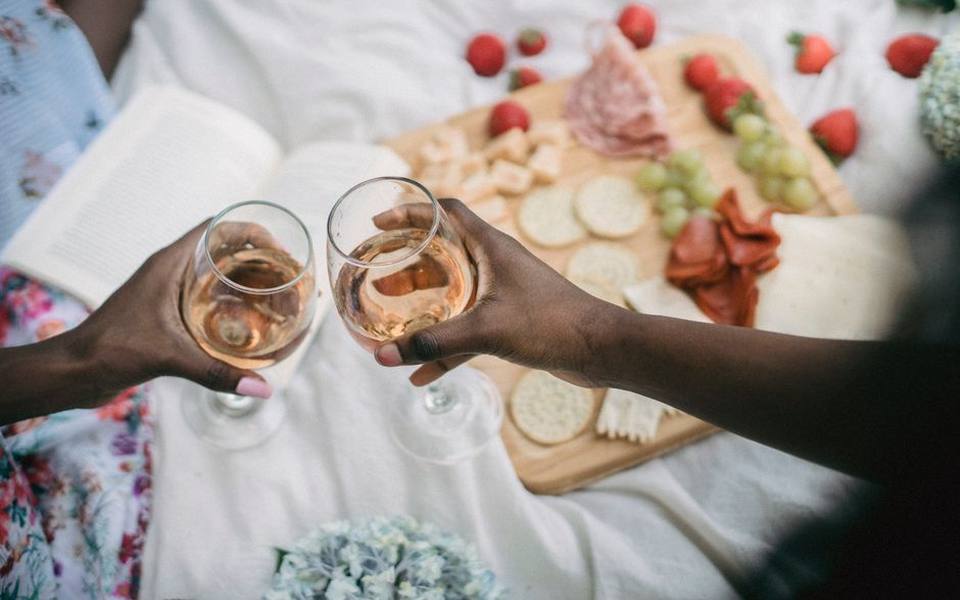
Food planning is equally essential when spending several hours tasting structured varietals. Many visitors seek out dedicated wineries with food or farm-to-table lunch programs to anchor their midday schedule. Enjoying artisan charcuterie, local cheeses, or wood-fired flatbreads keeps your energy consistent and prevents palate fatigue from high-acid or tannic selections.
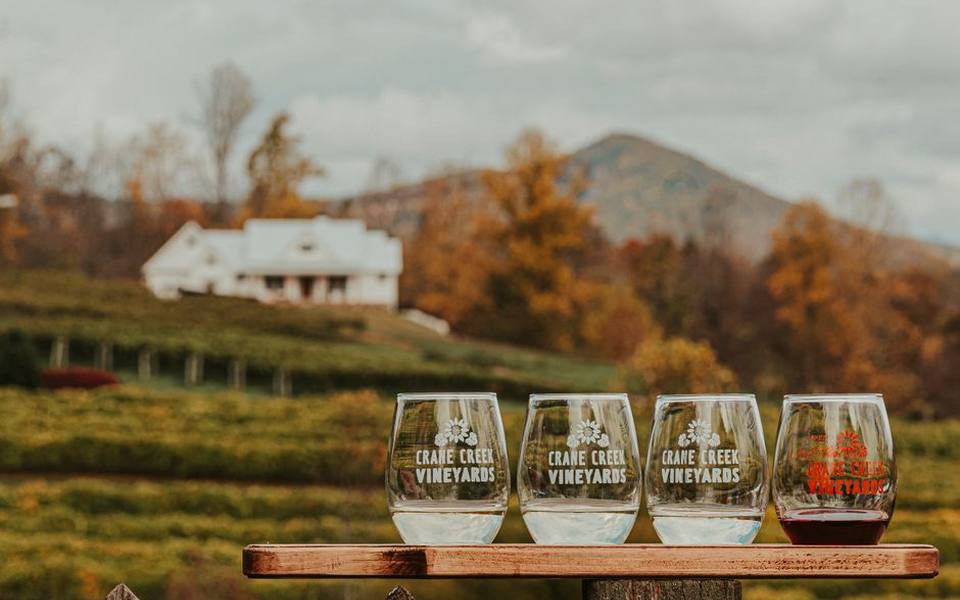
To maximize your learning experience at each stop, consider ordering structured wine tasting flights that compare vintages side by side. Tasting horizontal or vertical selections side by side teaches you how weather patterns and barrel choices shape the bottle in your hand. Armed with the right wardrobe, proper tasting etiquette, and a clear understanding of flavor pairing, your next winery escape will be comfortable, educational, and deeply enjoyable.
Published 2026-09-20 · reviewed with each rebuild, last September 2026.
Find wineries near you
The directory lists 14,608 wineries by state and city — pick your state or use the “Near me” button in the header.
More guides
-
 Service
How to Become a Sommelier: Career Paths, Tasting Technique, and Practical Service
-
 Owning
The Ultimate Wine and Food Pairing Guide: From Cheese to Desserts
-
 Buying
Understanding Kosher, Organic, and Biodynamic Wines: Production, Storage, and Pairings
-
 Buying
A Guide to Ordering Wine Online and Purchasing Bulk Alcohol for Events
-
 Buying
The Chemistry of Wine Fermentation: Yeast Roles, Malolactic Conversion, and Flavor Balance
-
 Buying
Understanding the Wine Sweetness Scale: From Crisp Dry to Indulgent Sweet
-
 Money
MoneyWine Tasting Costs Explained: What to Expect in Napa Valley and Beyond
-
 Owning
The Ultimate Guide to Charcuterie Boards: Styling, Pairings, and Recipes
-
 Owning
Crystal Wine Glassware Guide: Types, Brands, Care, and Stemless Styles
-
 Buying
Understanding Bold Reds: Dry Wines, Tannin Profiles, and Old Vine Zinfandels
-
 Storage
Choosing the Best Wine Fridge: Sizing, Cooling Zones, and Placement Guide
-
 Buying
Non-Alcoholic Wine Guide: Methods, Profiles, and What to Expect
-
 Buying
Personalized Wine Gifts: Custom Bottles, Engraved Glasses, and Custom Labels
-
 Owning
Essential Wine Accessories: Openers, Preservation Systems, Decanters, and Storage
-
 Buying
White and Rosé Wines: From Crisp Whites to Dry Rosés and Late Harvest Riesling
-
 Buying
Food and Wine Pairing Guide: Salmon, Turkey, Ham, Lamb, and Lasagna
-
 Buying
Large Format Wine Bottles: Magnums, Jeroboams, and Champagne Sizes Explained
-
 Service
Farm Wineries, Agritourism, and Sustainable Vineyard Experiences Across America
-
 Owning
Wine and Food Pairing Guide: Charcuterie Boards, Cheeses, and Dinner Courses
-
 Buying
Specialty Wines, Modern Cellar Styles, and Buying Smart Online
-
 Owning
Planning Memorable Vineyard Visits, Historic Estates, and Tasting Room Escapes
-
 Buying
Sweet and Refreshing White Wines: A Guide to Styles, Grapes, and Tasting Profiles
-
 Service
Cooking with Wine and the Practical Art of Culinary Pairings
-
 Owning
Luxury Glassware and Crystal Stemware: A Guide to Vintage Patterns, Modern Makers, and Care
-
 Storage
Modern Wine Refrigerators and Coolers: Sizing, Placement, and Everyday Performance
-
 Service
Winery & Vineyard Weddings: Venues, Planning, and Event Etiquette
-
 Owning
Electric Wine Openers, Vacuum Stoppers, and Preservation Systems: A Complete Guide
-
 Safety
Traveling with Wine: Suitcases, Luggage Bags, and Airline Rules
-
 Buying
Red Wine Varietals Explained: Malbec, Cabernet, Merlot, and Zinfandel
-
 Owning
Artisan Charcuterie Boards and Wine Party Snack Styling Guide
-
 Buying
Finding and Repurposing Used Oak Wine Barrels for Home and Garden
-
 Buying
Garlic Infused and Extra Virgin Olive Oils: Flavors, Brands, and Culinary Uses
-
 Buying
US Wine Trails and Estate Wineries: Scenic Routes and Destination Guide
-
 Buying
Crystal Wine Glasses, Fine Stemware, and Barware Accessories Guide
-
 Service
The Complete Guide to Winery Visits: Tastings, Vineyard Tours, and Visitor Experiences
-
 Owning
Pairing Wine with Charcuterie, Cheeses, and Seasonal Dinners
-
 Buying
Wine Glassware, Decanters, and Accessories Buyer Guide
-
 Storage
Home Wine Storage, Refrigeration, and Cellar Inventory Guide
-
 Buying
Winery Tours, Tasting Room Experiences, and Vineyard Weddings