Navigating Regional Wine Trails and Estate Farmsteads
Exploring regional wine trails offers travelers a direct connection to agricultural heritage, diverse microclimates, and localized winemaking philosophies across the United States. Rather than visiting isolated tasting rooms, following a designated trail connects clusters of estate properties where grapes are grown, fermented, and bottled on the same ground. These agricultural loops span historic Atlantic coast farmsteads, high-elevation Appalachian ridges, midwestern river valleys, and western hillsides.
Planning a multi-stop itinerary typically requires balancing driving times with the operational rhythms of working family farms. Unlike metropolitan hospitality venues, rural estates often rotate their tasting menus based on cellar releases and small-batch bottlings. Visiting two or three producers in an afternoon allows enough time to understand each site's soil composition, canopy management, and cellar techniques without feeling rushed between county backroads.
Travelers will find that trail organizations publish regional itineraries that group cellars by geographical proximity and scenic value. Checking whether specific destinations prioritize outdoor seating or sit-down cellar tours can significantly improve your travel day. Preparing a flexible itinerary ensures you experience everything from sprawling estate barns to intimate crush-pad operations without falling behind schedule.
The Seneca Lake Route and Glacial Finger Lakes Terroir
Carved deep into the landscape of central New York, Seneca Lake forms the anchor of the Finger Lakes viticultural region. Because Seneca is exceptionally deep, it creates a stable microclimate that protects delicate vinifera vines from harsh winter freezes and sudden spring frosts. The steep hillsides on both the eastern and western shores allow cool air to drain away toward the water, creating ideal conditions for cool-climate grapes.
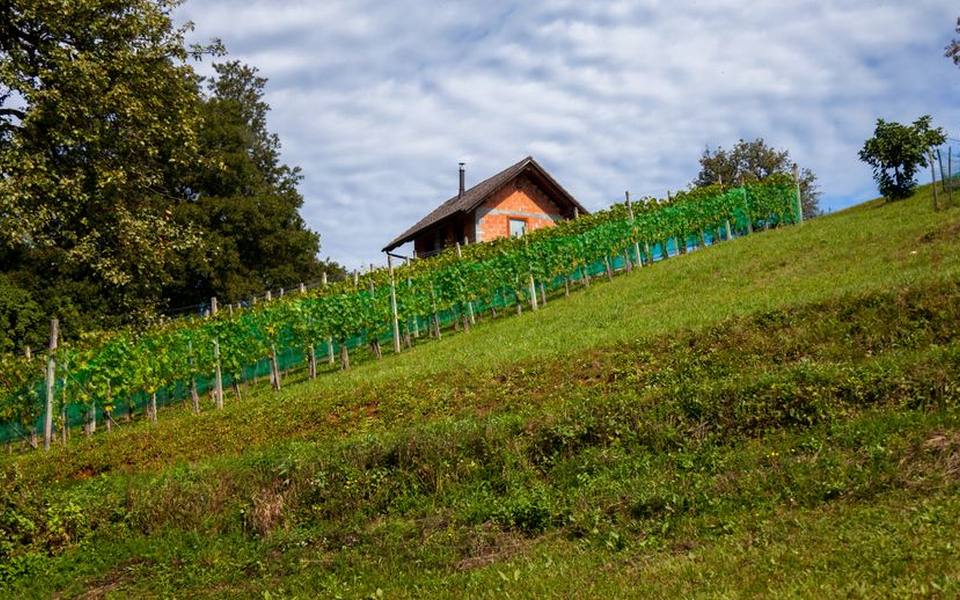
Navigating this corridor is straightforward when consulting an official Seneca wine trail map, which helps drivers delineate between the distinct microclimates on the east and west shorelines. The eastern side, often referred to as the sun-drenched slope, generally receives warmer afternoon sunlight that benefits medium-bodied red varieties such as Cabernet Franc and Pinot Noir. Conversely, the western banks capture morning light, producing crisp Rieslings and dry sparkling wines that show vibrant acidity and clean mineral notes.
A proper journey along Seneca Lake typically involves selecting a balanced mix of generational farmsteads and modern cellar cooperatives across New York wineries. Many properties along the trail encourage booking structured flights in advance, particularly during the peak harvest season between September and October. Allowing ample transit time between the north end in Geneva and the southern bluffs near Watkins Glen makes the entire drive far more leisurely.
Historic Ridges and Foothill Cellars of Northern Virginia
Northern Virginia's Piedmont region features a dramatic landscape where gently rolling pastures give way to the rugged spine of the Blue Ridge Mountains. Winemaking here dates back several centuries, but the modern industry took shape through persistent experiments with cold-hardy hybrids and European vinifera on stony hillside soils. Today, Loudoun and Fauquier counties host historic farm wineries operating out of renovated 19th-century bank barns and rustic hillside estates.
Among the pioneers of this mountainous corridor is Willowcroft Winery, an early commercial farm that demonstrated the potential of steep hillside planting in Loudoun County. Perched high on the Catoctin Ridge, vineyards like this benefit from natural air drainage and gravelly soils that force vine roots deep into fractured greenstone. These elevations yield balanced bottles of Petit Verdot, Viognier, and hybrid varieties that handle regional humidity better than classic valley-floor plantings.
Visitors exploring this corridor can expect quiet gravel lanes, sweeping views of horse country, and educational tasting rooms operated by working agricultural families. Many properties throughout the Virginia wine trail feature intimate cellar settings where you can order curated wine tasting flights to compare vintages. Booking reservations ahead of time is standard practice on busy weekends to preserve the unhurried atmosphere characteristic of rural Loudoun.
Maritime Vines and Farm Preserves on Long Island's North Fork
Extending outward into the Atlantic Ocean between the Long Island Sound and Peconic Bay, the North Fork is one of the most distinctive maritime wine zones in the eastern United States. Glacial deposits left behind sandy loam soils that drain water quickly, encouraging vine vigor without waterlogging root systems. The surrounding waters moderate extreme temperatures, generating a long growing season that suits Bordeaux varieties like Merlot and Sauvignon Blanc.
The area is recognized for combining traditional grape growing with rural preservation and animal welfare, exemplified by destinations like Baiting Hollow Farm Vineyard. Known locally for its estate Baiting Hollow wine selections and on-site equine rescue efforts, the property represents the North Fork's integration of agriculture and community stewardship. Travelers can sample dry red blends and crisp rosés while learning about the regional history of conserved farmland across eastern Long Island.
Because Sound Avenue and Route 25 serve as the primary thoroughfares, the North Fork is remarkably simple to navigate without complex GPS routing. Touring this maritime strip works best at a measured pace, stopping for fresh farmstand produce, locally shucked oysters, and coastal vineyard walks. Spring and early autumn provide comfortable temperatures and lighter traffic along the narrow rural roads.
Farm-to-Table Winemaking in Santa Ynez Valley
Tucked into the transverse mountain valleys of Santa Barbara County, the Santa Ynez Valley benefits from cool Pacific fog sweeping inland each morning, followed by warm afternoon sun. This dramatic diurnal shift maintains bright natural acidity in grapes while allowing skins to develop deep phenolic maturity. As a result, the region successfully supports an eclectic mix of cool-climate Pinot Noir and heat-loving Rhône grapes such as Syrah and Grenache.
The valley is home to working farm estates that unite viticulture with organic field agriculture, such as Roblar Farm in the heart of Santa Ynez. Operating as both an estate vineyard and a regenerative farm, Roblar Winery and Farm sources fresh seasonal produce alongside its culinary wine programs, illustrating how modern California estates operate complete agricultural ecosystems. Guests frequently sit beside flourishing kitchen gardens while enjoying dishes paired specifically with the property's estate-grown Cabernet Franc and Sauvignon Blanc.
Planning a trip through this region highlights the benefits of searching out wineries with food, where on-site culinary teams highlight hyper-local produce. The drive along Highway 154 winds past historic stagecoach routes and live oak groves, connecting boutique tasting rooms with sprawling ranches. Visiting on weekdays generally yields the most personal interactions with estate winemakers and vineyard managers.
Tracing the Rugged Shawnee Hills in Southern Illinois
Situated within the dramatic boundaries of the Shawnee National Forest, the Shawnee Hills American Viticultural Area represents one of the Midwest's most rugged and surprising wine districts. The landscape was spared by ancient glaciers, leaving behind high sandstone ridges and unglaciated limestone bluffs that rise sharply above the Ohio and Mississippi river basins. These elevated ridges provide excellent solar exposure and constant breezes that minimize mildew pressure during warm summer months.
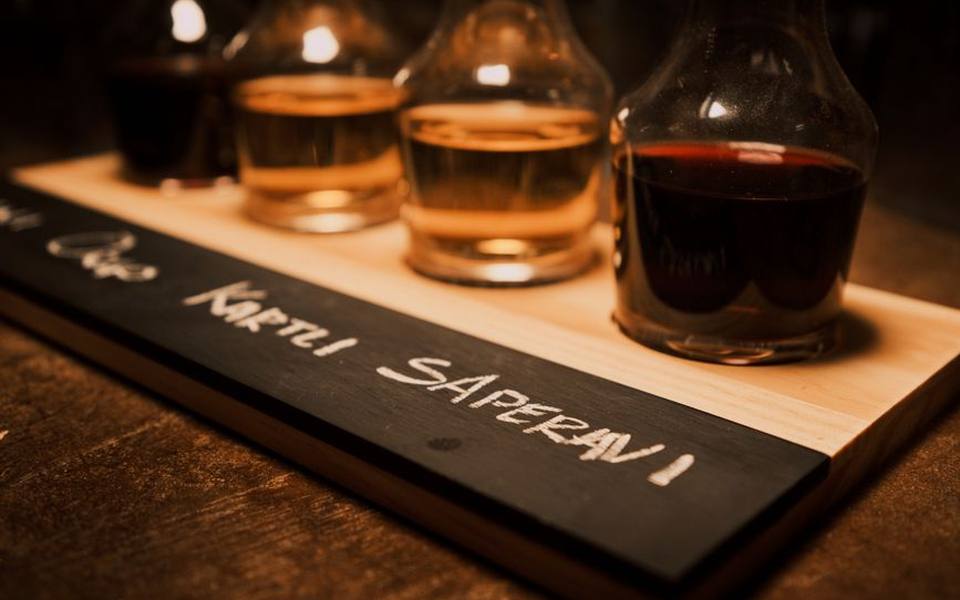
When traveling these backwoods highways, downloading a Shawnee Hills wine trail map is essential for navigating areas where cellular reception can be intermittent. Utilizing a comprehensive Shawnee wine trail map helps visitors trace the forty-mile circuit connecting historic towns like Alto Pass, Cobden, and Makanda. The trail features distinctive French-American hybrid grapes like Chambourcin, Norton, and Vignoles, which produce bold, complex dry reds and expressive, aromatic white wines.
Visiting cellars along the Illinois trail provides an authentic glimpse into independent Midwestern agriculture. Most tasting rooms are family-owned facilities where owners personally pour selections and describe their fermentation choices. Many properties encourage visitors to pack a lunch, take a quiet walk through hillside vine rows, and enjoy the dramatic vistas of the surrounding national forest.
Hybrid Plantings and Dual-Craft Cider Operations
A growing number of estate producers across the Northeast and Midwest are expanding beyond traditional vinifera grapes to embrace heirloom apples, stone fruits, and cold-hardy hybrid vines. This blended philosophy respects the multi-generational fruit-growing traditions of regions where severe frosts or humid summers make monoculture risky. By fermenting both estate grapes and heritage cider apples, these properties maintain consistent production even through challenging growing seasons.
Properties following the Terrene Winery and Cidery model illustrate how modern agricultural estates can craft both expressive hybrid wines and complex, dry farm ciders under one roof. These dual-craft producers use wild yeasts, extended skin contact, and oak aging to elevate traditional cider making to the same artistic standard as fine wine. The result is an expansive tasting lineup that caters to adventurous palates interested in terroir-driven ciders alongside crisp Frontenac or Traminette wines.
In New York's Capital District and Upper Hudson Valley, properties like Stable Gate Winery showcase similar versatility by operating as a multi-disciplinary farm venue. Stable Gate Winery integrates historic equine estate grounds with holistic wellness, farm retreats, and small-batch fermentations. Touring these multi-use farm estates exposes travelers to community-focused agricultural projects that honor regional heritage while delivering unique tasting flight experiences.
Historic Silos and Regenerative Vines in Willamette Valley
Oregon's Willamette Valley is globally acclaimed for its delicate Pinot Noir and vibrant Chardonnay, framed by the coastal mountain range and the Cascade foothills. Within the smaller nested sub-appellations, such as the Yamhill-Carlton and Dundee Hills AVAs, ancient marine sedimentary soils and volcanic red clays impart distinct structural nuances into every harvest. The marine airflow passing through the Van Duzer Corridor cools the vines each evening, ensuring slow, even fruit maturation.
Embodying the valley's innovative spirit, Abbey Road Farm—home to Abbey Road Winery—combines low-intervention winemaking with regenerative livestock farming and agro-tourism. Renowned for its converted grain silo accommodations and vibrant farm grounds, the property crafts artisanal Abbey Road wine under collaborative estate labels. Visitors can sample lesser-known varieties like Pinot Gris, Mondeuse, and Godello alongside benchmark Willamette Pinot Noirs while surrounded by roaming heritage sheep and poultry.
Exploring Yamhill County requires taking time on the winding country lanes that cut through century-old hazelnut orchards and steep timber stands. Estates here often feature biodynamic or organic farming principles, inviting guests to observe soil compost programs and cover crops directly from the tasting terrace. Reserving a dedicated flight experience ensures an in-depth walkthrough of single-block estate bottlings.
Relocating Cellars and Low-Intervention Texas Hill Country
The American wine landscape is constantly evolving as creative winemakers seek out regions with untamed viticultural potential and resilient microclimates. Changing economics and land availability have motivated several visionary producers to transplant established practices to emerging terroirs. This adventurous movement is particularly visible across the rugged limestone plateaus of the Texas Hill Country AVA, where growers work with heat-tolerant Mediterranean varieties.
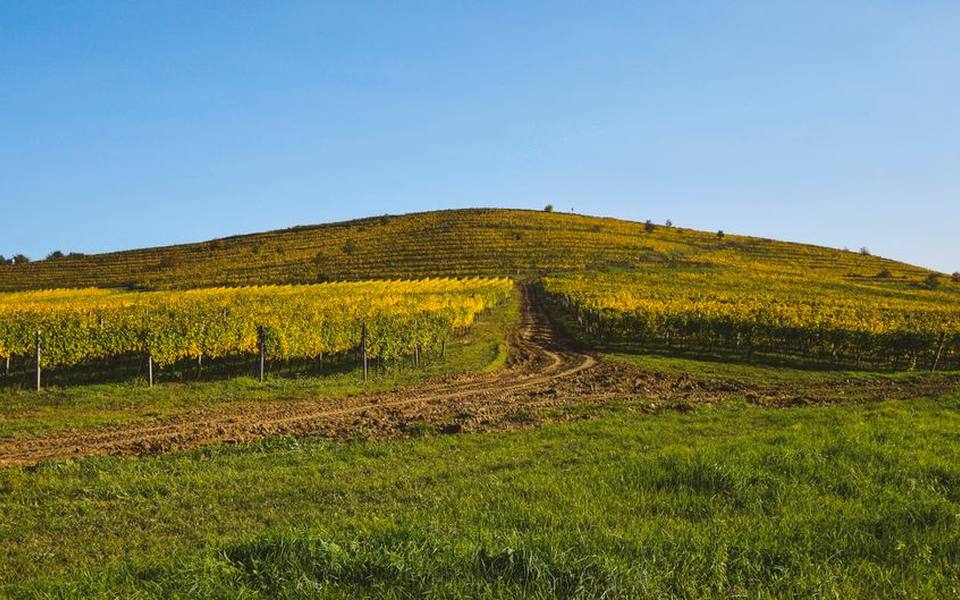
A fascinating example of this evolution is Southold Winery, also known as Southold Farm + Cellar, which originally launched on the North Fork of Long Island before re-establishing its cellar in Sunset, Texas. Driven by a commitment to natural fermentations and native yeasts, Southold Winery works with varieties like Mataro, Touriga Nacional, and Picpoul Blanc that thrive in the intense sun and shallow limestone soils of central Texas. Their minimalist cellar approach demonstrates how thoughtful winemakers adapt technique to raw geographical conditions.
Touring the Texas Hill Country outside Fredericksburg reveals a striking contrast to classic cool-climate coastal trails. The rolling terrain is shaded by live oaks and carpeted with native grasses, offering a rugged, authentic rural backdrop. Travelers following low-intervention producers here will encounter unfiltered bottlings, pet-nat sparkling wines, and experimental field blends that challenge traditional regional expectations.
Expanding Diversity and Independent Ownership Across US Vineyards
The American wine landscape is experiencing a meaningful expansion as underrepresented vintners bring fresh perspectives, diverse business models, and cultural narratives to the craft. Independent ventures and Black owned wine companies are steadily building a presence across major growing regions, from established Napa and Willamette estates to urban tasting cellars in Chicago, Atlanta, and Washington, D.C. These businesses often combine premium estate sourcing with transparent supply chains and community-oriented spaces.
Many newer producers are choosing collaborative arrangements—leasing vineyard blocks, partnering with established custom-crush cooperatives, or purchasing historic farmsteads outright. By circumventing the massive capital requirements of legacy vineyard acquisitions, modern brand founders can concentrate their energy on sustainable sourcing, single-vineyard bottlings, and direct consumer engagement. Their tasting venues frequently introduce new audiences to wine appreciation through welcoming hospitality that strips away traditional industry gatekeeping.
When designing a travel itinerary, actively researching diverse vintners and regional trail cooperatives broadens the scope of your wine education. Many trail associations now highlight independent and minority-owned cellars within their promotional guides and seasonal event programs. Supporting these forward-looking estates helps foster a resilient, multifaceted domestic wine economy that reflects the rich diversity of the modern wine-drinking public.
Published 2026-09-21 · reviewed with each rebuild, last September 2026.
Find wineries near you
The directory lists 14,608 wineries by state and city — pick your state or use the “Near me” button in the header.
More guides
-
 Service
How to Become a Sommelier: Career Paths, Tasting Technique, and Practical Service
-
 Service
What to Wear to a Winery: Practical Outfits, Etiquette, and Food Pairings
-
 Owning
The Ultimate Wine and Food Pairing Guide: From Cheese to Desserts
-
 Buying
Understanding Kosher, Organic, and Biodynamic Wines: Production, Storage, and Pairings
-
 Buying
A Guide to Ordering Wine Online and Purchasing Bulk Alcohol for Events
-
 Buying
The Chemistry of Wine Fermentation: Yeast Roles, Malolactic Conversion, and Flavor Balance
-
 Buying
Understanding the Wine Sweetness Scale: From Crisp Dry to Indulgent Sweet
-
 Money
MoneyWine Tasting Costs Explained: What to Expect in Napa Valley and Beyond
-
 Owning
The Ultimate Guide to Charcuterie Boards: Styling, Pairings, and Recipes
-
 Owning
Crystal Wine Glassware Guide: Types, Brands, Care, and Stemless Styles
-
 Buying
Understanding Bold Reds: Dry Wines, Tannin Profiles, and Old Vine Zinfandels
-
 Storage
Choosing the Best Wine Fridge: Sizing, Cooling Zones, and Placement Guide
-
 Buying
Non-Alcoholic Wine Guide: Methods, Profiles, and What to Expect
-
 Buying
Personalized Wine Gifts: Custom Bottles, Engraved Glasses, and Custom Labels
-
 Owning
Essential Wine Accessories: Openers, Preservation Systems, Decanters, and Storage
-
 Buying
White and Rosé Wines: From Crisp Whites to Dry Rosés and Late Harvest Riesling
-
 Buying
Food and Wine Pairing Guide: Salmon, Turkey, Ham, Lamb, and Lasagna
-
 Buying
Large Format Wine Bottles: Magnums, Jeroboams, and Champagne Sizes Explained
-
 Service
Farm Wineries, Agritourism, and Sustainable Vineyard Experiences Across America
-
 Owning
Wine and Food Pairing Guide: Charcuterie Boards, Cheeses, and Dinner Courses
-
 Buying
Specialty Wines, Modern Cellar Styles, and Buying Smart Online
-
 Owning
Planning Memorable Vineyard Visits, Historic Estates, and Tasting Room Escapes
-
 Buying
Sweet and Refreshing White Wines: A Guide to Styles, Grapes, and Tasting Profiles
-
 Service
Cooking with Wine and the Practical Art of Culinary Pairings
-
 Owning
Luxury Glassware and Crystal Stemware: A Guide to Vintage Patterns, Modern Makers, and Care
-
 Storage
Modern Wine Refrigerators and Coolers: Sizing, Placement, and Everyday Performance
-
 Service
Winery & Vineyard Weddings: Venues, Planning, and Event Etiquette
-
 Owning
Electric Wine Openers, Vacuum Stoppers, and Preservation Systems: A Complete Guide
-
 Safety
Traveling with Wine: Suitcases, Luggage Bags, and Airline Rules
-
 Buying
Red Wine Varietals Explained: Malbec, Cabernet, Merlot, and Zinfandel
-
 Owning
Artisan Charcuterie Boards and Wine Party Snack Styling Guide
-
 Buying
Finding and Repurposing Used Oak Wine Barrels for Home and Garden
-
 Buying
Garlic Infused and Extra Virgin Olive Oils: Flavors, Brands, and Culinary Uses
-
 Buying
Crystal Wine Glasses, Fine Stemware, and Barware Accessories Guide
-
 Service
The Complete Guide to Winery Visits: Tastings, Vineyard Tours, and Visitor Experiences
-
 Owning
Pairing Wine with Charcuterie, Cheeses, and Seasonal Dinners
-
 Buying
Wine Glassware, Decanters, and Accessories Buyer Guide
-
 Storage
Home Wine Storage, Refrigeration, and Cellar Inventory Guide
-
 Buying
Winery Tours, Tasting Room Experiences, and Vineyard Weddings