How to Read Red Wine Flavors and the Aroma Spectrum
Every glass of red wine communicates through three core components: primary fruit notes, structural elements like acid and tannin, and secondary aromas derived from oak or aging. When you pour a red, the color depth often hints at what is coming, ranging from translucent ruby in delicate varietals to deep, inky purple in thick-skinned grapes. Swirling the wine introduces oxygen, lifting volatile aroma compounds toward your nose. Tasting tools like the aroma wheel classify these scents into recognizable categories such as fresh berry, dried fruit, baking spice, earth, and wood.
Fruit perception in dry red wine often confuses beginner drinkers because a wine can smell sweet without containing any actual sugar. A wine described as fruit-forward presents immediate notes of ripe blackberry, raspberry jam, or dark plum on the nose and upfront palate. However, fermentation typically converts nearly all natural grape sugars into alcohol, leaving behind a chemically dry liquid. Recognizing that aromatic ripeness is distinct from residual sugar makes it much easier to select a bottle that matches your personal palate preferences.
Beyond pure fruit, the environment where grapes grow shapes secondary savory nuances. Cooler growing regions typically yield wines with tart red fruit, higher natural acidity, and herbal or mineral notes like graphite and crushed gravel. Warmer climates allow fruit to hang longer on the vine, developing richer, stewed black fruit flavors, softer acidity, and higher alcohol levels. Understanding these climatic influences gives you a reliable framework for predicting how a bottle will taste before pulling the cork.
Why Certain Red Wines Taste Bitter or Astringent
A common complaint among newer wine drinkers centers on bitter red wines that leave the mouth feeling parched and rough. Bitterness and astringency are closely related physical sensations, but they stem from different chemical compounds in the grape. True bitterness is detected by taste receptors on the back of the tongue, often caused by flavan-3-ols found in grape seeds and stems. If grapes are pressed too aggressively during production, these bitter compounds leach into the juice, producing an unpleasant medicinal edge on the finish.
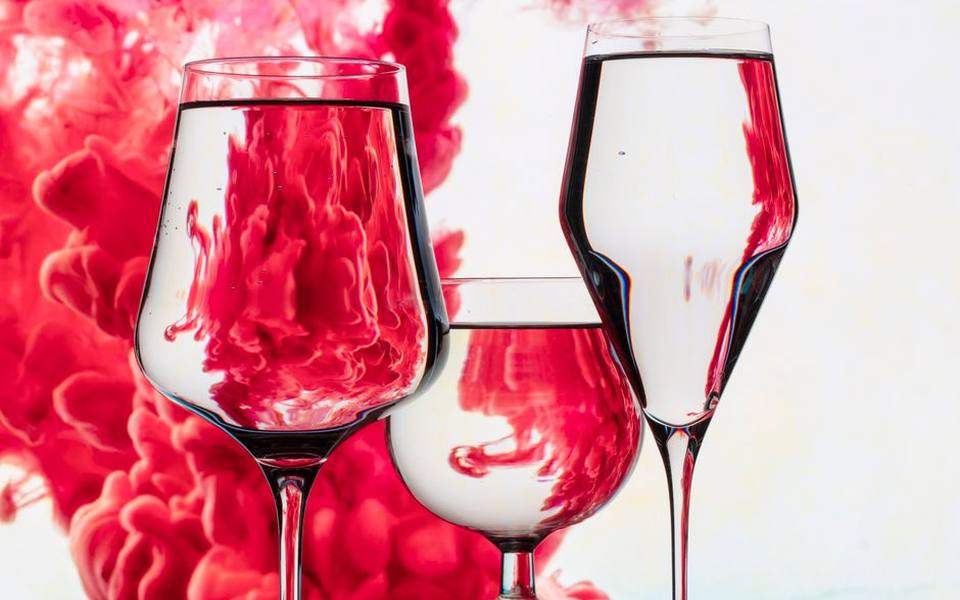
Astringency, on the other hand, is a tactile drying sensation created by polyphenolic compounds called tannins. Tannins reside primarily in grape skins, seeds, and the porous wood of new oak aging barrels. When you take a sip, tannins bind directly to salivary proteins, causing them to precipitate out and temporarily stripping your mouth of lubrication. Thick-skinned varietals produce significantly more tannin than thin-skinned grapes, which can feel uncomfortably chalky or harsh if the bottle is opened too young.
Tannins are not inherently a flaw; they provide the architectural backbone that allows fine red wines to age gracefully for decades. Over time in a cellar, harsh tannin molecules bind together into long polymer chains, falling to the bottom of the bottle as sediment and softening the mouthfeel. If a young, structured red tastes unpleasantly dry or sharp, decanting it for an hour exposes the liquid to ambient oxygen, which softens the perceived astringency and allows latent fruit flavors to emerge.
Cabernet Sauvignon: Structure, Dark Fruit, and Tannins
Cabernet Sauvignon stands as the world's most widely recognized red grape, celebrated for its muscular structure and remarkable aging potential. When exploring cabernet taste, expect an assertive core of blackcurrant, cassis, and black cherry supported by distinct savory layers. In cooler microclimates, the grape exhibits natural pyrazines, producing signature aromas of green bell pepper, cedar shavings, and fresh tobacco leaf. When grown in warmer valley floors, those herbal notes transform into ripe black cherry, mocha, and warm vanilla from oak contact.
A classic cabernet sauvignon tasting highlights firm, gripping tannins and lively acidity that balance its dense fruit concentration. Because the grape has exceptionally thick skins and small berries, the skin-to-juice ratio during maceration is very high, resulting in an opaque, deep ruby color. This dense phenolic structure gives cab sav taste its lingering, dry finish that easily coats the entire palate. Without substantial food or proper aeration, a youthful bottle can feel commanding and intensely dry on the tongue.
Because of its assertive grip and natural acidity, Cabernet Sauvignon pairs exceptionally well with rich dishes featuring high amounts of animal protein and fat. When you sample Cabernet at wineries across California, winemakers often blend in small amounts of softer grapes like Merlot or Petit Verdot to round out the mid-palate. These subtle blending decisions help temper the grape's natural astringency, delivering a balanced sip whether the bottle is consumed young or cellared.
Merlot: Velvet Texture and Approachable Plum Notes
Merlot shares a close genetic heritage with Cabernet Sauvignon, but it delivers a markedly different sensory experience in the glass. The typical merlot taste centers on plush red and black fruits, particularly ripe black plum, red cherry, cocoa powder, and subtle bay leaf. Merlot berries feature thinner skins and lower overall tannin levels than Cabernet, which translates to a distinctly rounded, pillowy mouthfeel that glides smoothly across the palate without aggressive dryness.
In blind tastings, people often confuse warm-climate Merlot with Cabernet because both offer dark fruit concentration and gentle oak seasoning. However, Merlot consistently reveals itself through a softer entry, a fuller mid-palate, and a finish free from the sharp, drying grip characteristic of its sibling. In regions like Washington State, cooler night temperatures preserve bright acidity, giving the wine a structured profile with dark cherry notes, while sunnier sites produce luscious, chocolatey styles.
For drinkers who find Cabernet too harsh or drying, Merlot provides an approachable alternative that maintains impressive depth and complexity. Its moderate tannins and juicy fruit core make it versatile across casual dinners, pairing effortlessly with roasted pork, seared duck, or mushroom pasta. When evaluating Merlot, look for bottles that preserve natural acidity, ensuring the wine feels lively and vibrant rather than flat or overly jammy.
Malbec: Plum, Cocoa, and Smoky Depth
Originating in southwestern France and reaching global acclaim in high-altitude South American vineyards, Malbec offers an intensely pigmented, fruit-forward profile. The signature malbec taste showcases ripe black plum, blackberry compote, sweet tobacco, and dark cocoa, often underscored by a faint violet floral note. Despite its nearly opaque, midnight-purple appearance, Malbec usually carries medium tannins that feel smooth and velvety rather than aggressively astringent.
The defining structural trait of Malbec is its plush mid-palate followed by a smooth, lingering finish that rarely grips the back of the throat. Because Malbec skins contain abundant anthocyanins, winemakers achieve deep extraction quickly without having to over-extract harsh seed tannins. When aged in toasted oak barrels, the grape readily absorbs accents of vanilla, coconut, leather, and sweet smoke, creating a satisfying richness that appeals to fans of full-bodied reds.
While Argentina is famous for intense, sun-drenched expressions, domestic producers in places like Washington wine country craft Malbec with savory, cool-climate nuances. In these northern vineyards, the grape retains higher natural acidity, trading sugary fruit punch for crushed stone, tart brambleberry, and savory herbs. Whether paired with grilled flank steak or braised lentils, Malbec delivers bold color and generous fruit without requiring years of bottle aging.
Zinfandel: High Heat, Jammy Fruit, and Peppery Spice
Zinfandel is celebrated for its bold, unapologetic fruit expression, high alcohol warmth, and distinct cracked-pepper finish. Genetically identical to Italy's Primitivo and Croatia's Tribidrag, Zinfandel thrives in warm growing zones where it ripens unevenly on the vine. It is common for a single cluster to contain raisined, ultra-ripe grapes alongside tart green ones, giving the finished wine a unique tension between jammy sweetness and crisp, brambly acidity.
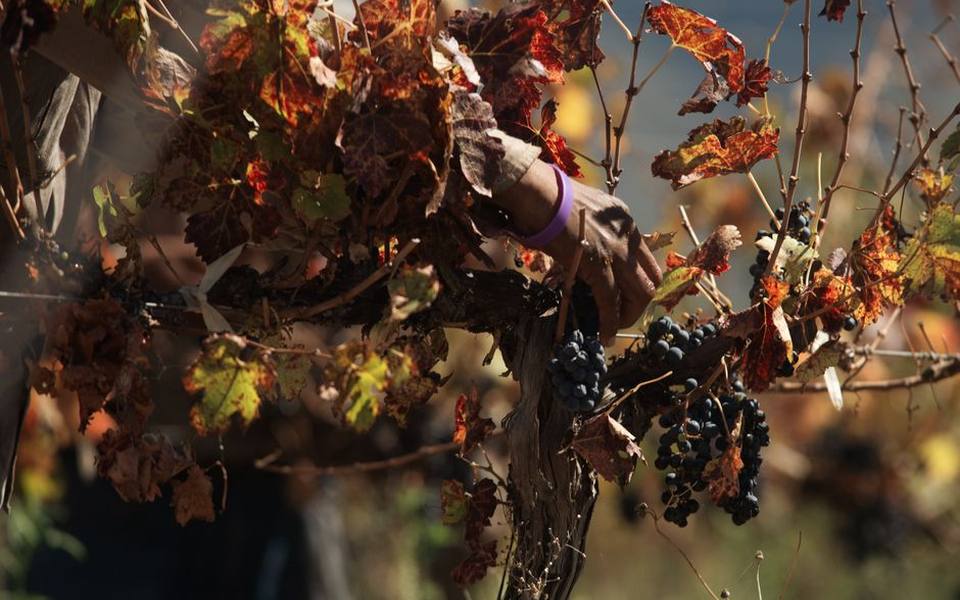
The primary fruit profile of Zinfandel leans heavily toward red raspberry jam, candied blackberry, stewed boysenberry, and warm baking spices like cinnamon, nutmeg, and clove. Because Zinfandel grapes accumulate high sugar levels before harvest, finished alcohol percentages typically range from 14.5% to over 15.5%. This elevated alcohol contributes to a viscous, weighty texture on the tongue, creating a perception of sweetness even when residual sugar is practically nonexistent.
Tannins in Zinfandel tend to be moderate and powdery rather than sharp, making the wine feel immediately approachable upon release. However, the balance of high alcohol and jammy fruit demands careful cellaring and serving temperatures. Serving Zinfandel too warm exaggerates its alcoholic heat, making the wine taste hot and disjointed, whereas a brief twenty-minute chill brings out its lively wild berry and peppery complexity.
Benchmarking Zinfandel Styles from Old Vines to Modern Blends
Zinfandel expressions vary dramatically depending on vine age, vineyard elevation, and harvest timing. Old vine plantings—often featuring gnarly, head-trained vines planted decades ago—naturally yield fewer grape clusters with concentrated flavors and deeper complexity. The benchmark profile seen in Turley Old Vines Zinfandel exemplifies this traditional, terroir-focused style, emphasizing intense briar patch fruit, crushed dried herbs, mineral grit, and polished, age-worthy balance despite generous alcohol levels.
In contrast, other regional producers lean toward rich, fruit-forward profiles that showcase the grape's hedonistic side. A classic bottle like St Francis Zinfandel highlights Sonoma's warm days and cool nights, yielding velvety wild blackberry, mocha, and refined baking spice framed by soft oak. This style prioritizes smooth drinkability and round textures, making it a reliable crowd-pleaser for casual barbecues and weeknight dinners.
For wine lovers seeking decadent, boldly extracted profiles, modern iterations lean into dense concentration, dark oak toast, and smokiness. Offerings like Predator Zinfandel spotlight smoky bacon fat, charred oak, and ripe cherry liqueur, often sourced from Lodi's sun-drenched, sandy soils. Similarly, intense bottlings like Zinfandel Boneshaker amplify deep, dark fruit compote and toasted vanilla, demonstrating how warm-climate ripening creates a dense, full-throttle glass.
Comparing these diverse labels reveals how broad the Zinfandel category truly is. When planning your cellar, consider whether you prefer the earthy, peppery restraint of heritage field blends or the opulent, jam-driven power of heavily extracted modern bottlings. Sampling different producers side by side helps you identify which side of the Zinfandel spectrum best complements your personal palate.
Pinot Noir: Finding Dryness and Body in a Delicate Grape
Pinot Noir stands at the opposite end of the spectrum from Cabernet and Zinfandel, known for its pale color, silky texture, and delicate aromatics. A classic dry pinot noir features bright red fruit notes of cranberry, fresh cherry, and wild strawberry, complemented by earthy undertones like forest floor, dried leaves, and mushroom. The grape's thin skins contain relatively low tannin levels, which translates to a light-to-medium mouthfeel that feels lively and translucent on the palate.
Many drinkers search for a full bodied pinot noir after falling in love with the grape's perfume but desiring more weight on the tongue. While Pinot Noir will never match the physical density of Cabernet Sauvignon or Syrah, warmer microclimates and extended maceration can yield a noticeably richer profile. Winemakers in sunny regions achieve deeper extraction, riper black cherry notes, and fuller textures, especially when aging the wine in toasted French oak barrels.
Achieving perceived body in Pinot Noir relies heavily on balancing ripe fruit, subtle oak tannins, and alcohol rather than overwhelming the palate with raw skin extraction. If a Pinot Noir is pressed too heavily in an attempt to make it taste like Cabernet, it quickly loses its signature elegance and develops harsh bitterness. When seeking a heartier Pinot Noir, look for regions with warm afternoon sun tempered by maritime fog, which delivers rich fruit ripeness alongside refreshing natural acidity.
Comparing Body, Acidity, and Oak Across the Spectrum
Evaluating red wine requires looking past isolated fruit flavors to assess the structural relationship between body, acidity, tannins, and oak influence. Light-bodied reds like Pinot Noir emphasize refreshing acidity and subtle fruit, making them light on the palate. Medium-bodied varietals like Merlot and Malbec offer a plusher mid-palate with moderate grip, while full-bodied options like Cabernet Sauvignon and ripe Zinfandel provide dense, tongue-coating weight and lingering finishes.
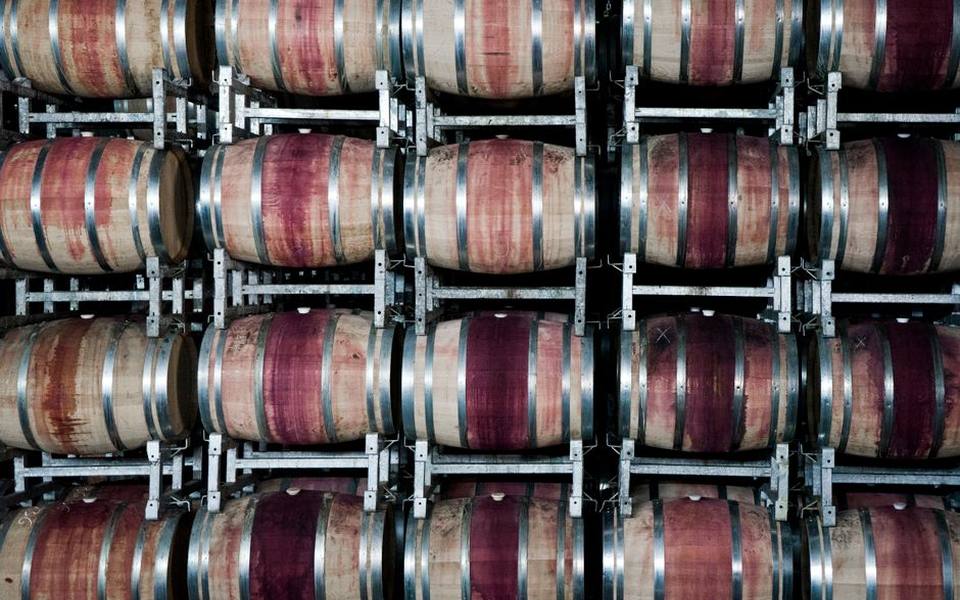
Acidity acts as the spine of any red wine, preventing ripe fruit from tasting flat or overly sweet. Wines produced in cool regions maintain higher acid levels, which triggers salivation and leaves your mouth feeling cleansed after each sip. In contrast, wines from very warm regions rely more heavily on alcohol and oak tannins for structure, creating a softer, rounder profile that feels warming in the throat.
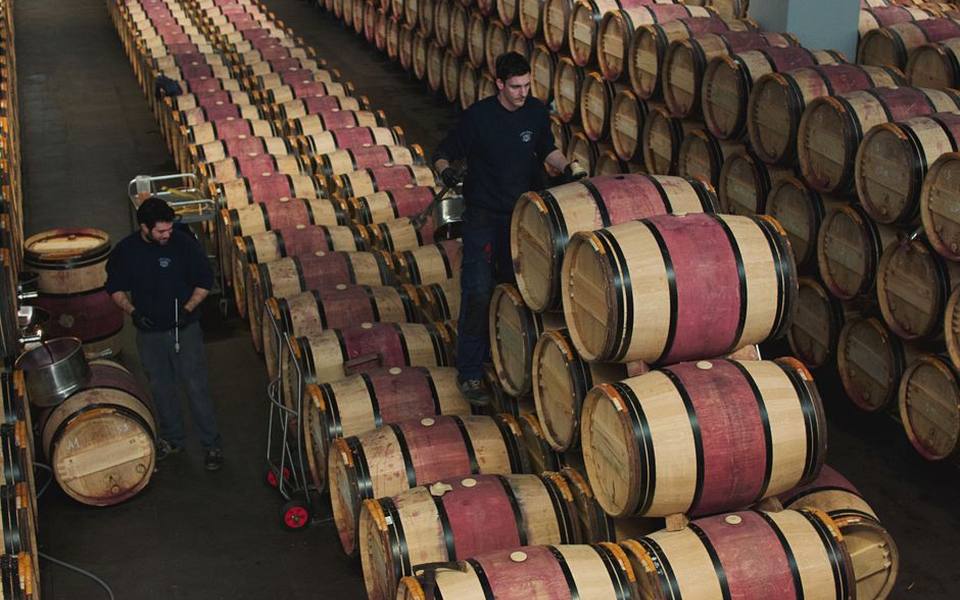
Oak aging introduces an entirely separate layer of flavor that shapes how you perceive the grape's raw character. American oak typically imparts bold, sweet notes of coconut, vanilla, and dill, whereas French oak provides subtle baking spice, cedar, and fine-grained wood tannins. When visiting local cellars, observing the barrel program helps clarify whether the flavors you enjoy come from the grape itself or from the wood in which it matured.
Navigating Red Flights at the Tasting Bar
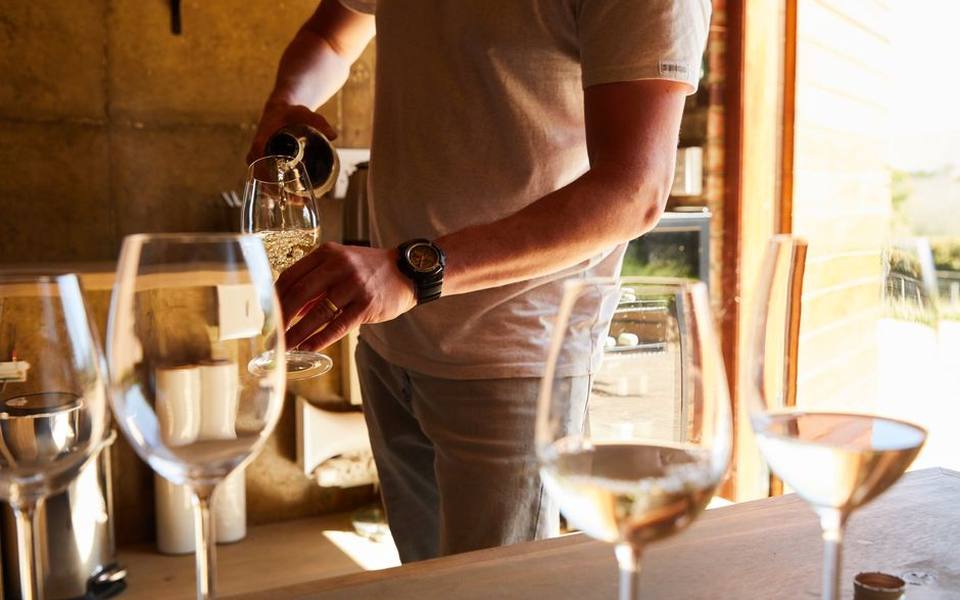
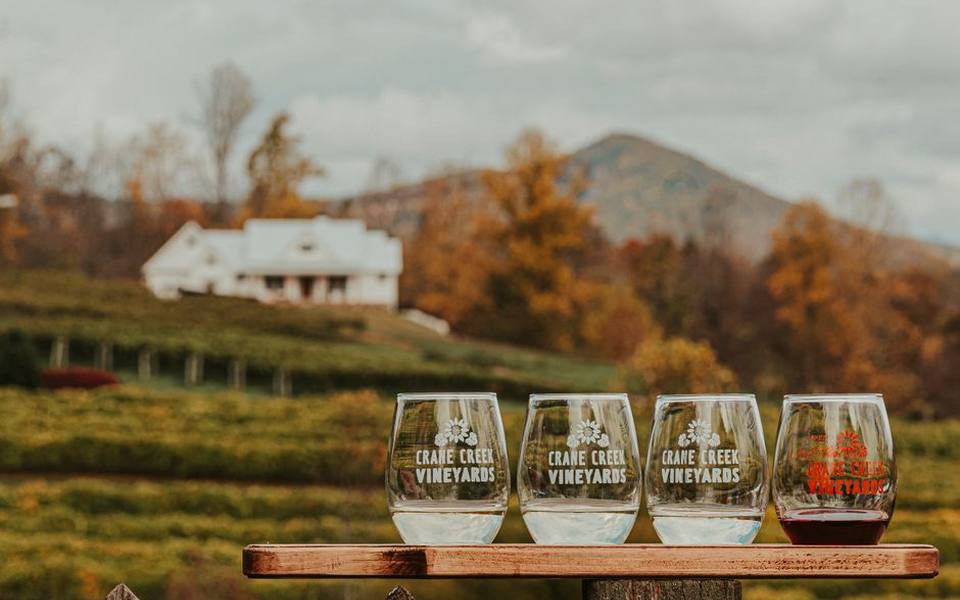
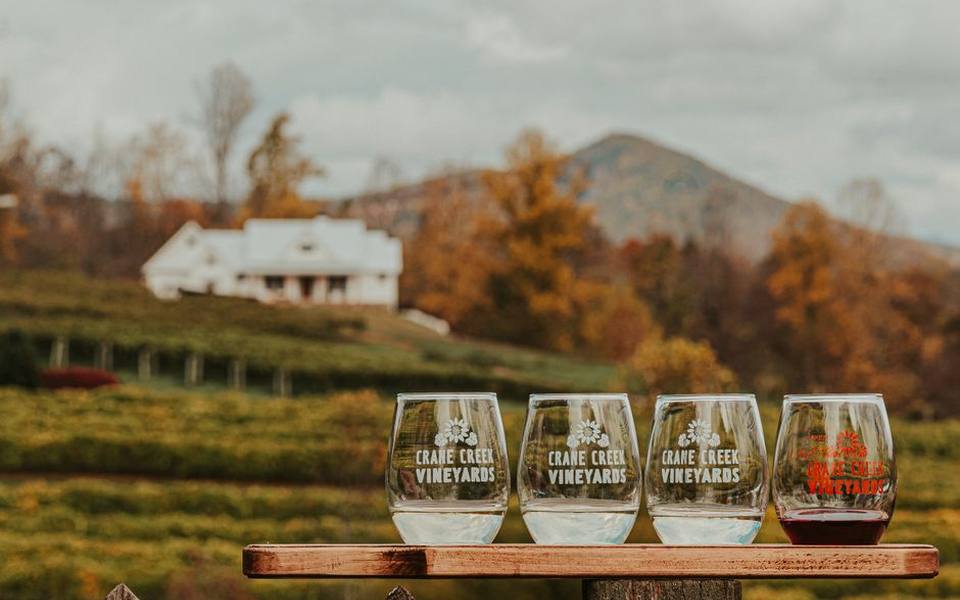
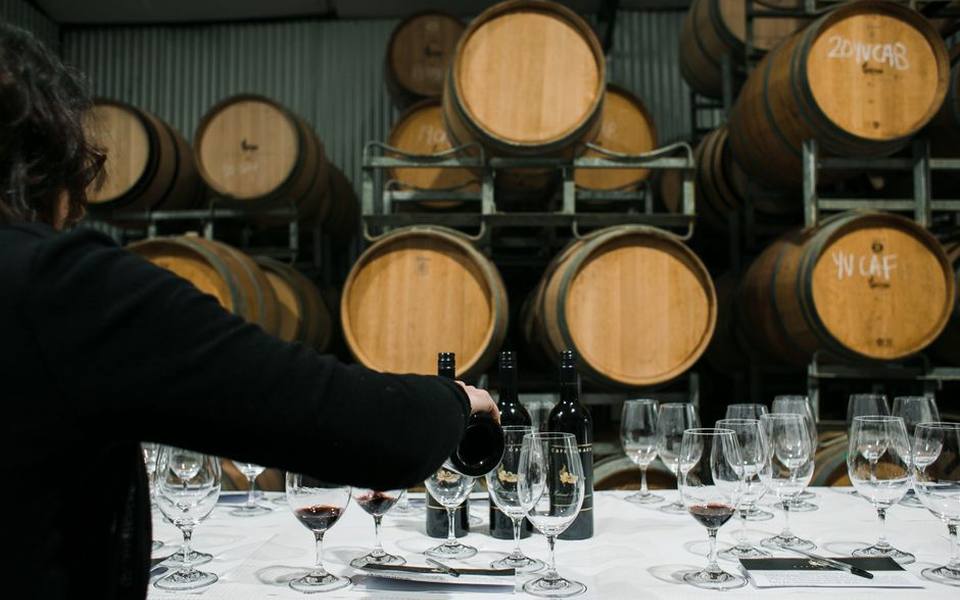
Walking into a tasting room can feel overwhelming when confronted with a list of unfamiliar red varietals and vintages. The most effective way to understand personal preferences is to seek out wine tasting flights that line up three to five distinct reds side by side. Tasting wines comparatively highlights differences in tannin grip, fruit weight, and acidity that might go unnoticed if you were drinking only a single glass.
Always sample wines in order of increasing body and tannin intensity to avoid palate fatigue. Starting your flight with a light Pinot Noir allows you to appreciate its nuanced floral notes before your tastebuds are coated by the heavier tannins of a Cabernet Sauvignon or a high-alcohol Zinfandel. Taking small sips of water and using plain crackers between glasses helps rinse away residual tannins, keeping your palate fresh throughout the lineup.
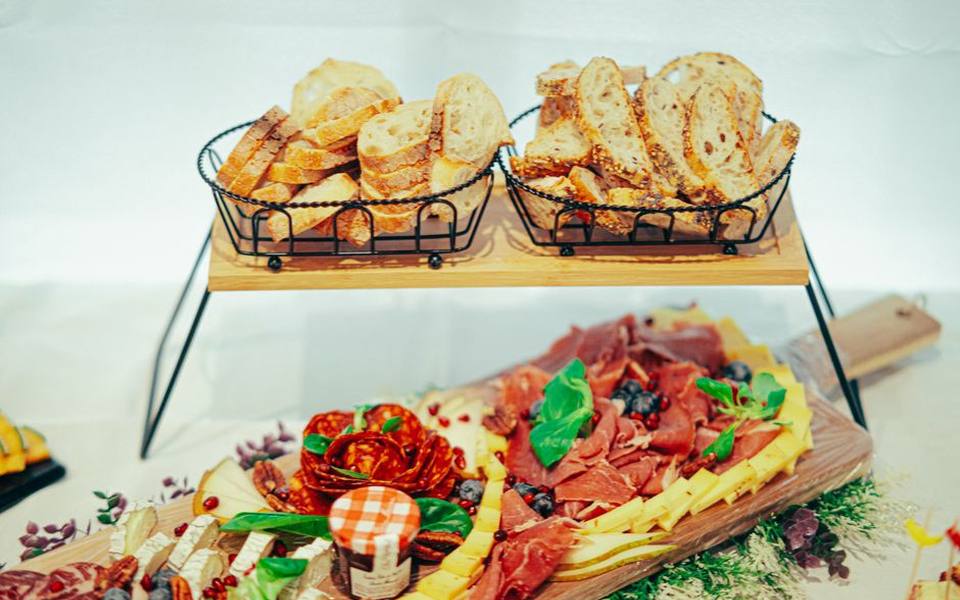
To get the most value from your visit, look for wineries with dedicated tastings where staff can explain fermentation practices and vineyard microclimates. Many visitors also prefer booking wineries with food pairings, as pairing tannic reds with artisanal cheeses, charcuterie, or grilled meats reveals how culinary fats soften astringency and enhance subtle fruit layers.
Published 2026-09-21 · reviewed with each rebuild, last September 2026.
Find wineries near you
The directory lists 14,608 wineries by state and city — pick your state or use the “Near me” button in the header.
More guides
-
 Service
How to Become a Sommelier: Career Paths, Tasting Technique, and Practical Service
-
 Service
What to Wear to a Winery: Practical Outfits, Etiquette, and Food Pairings
-
 Owning
The Ultimate Wine and Food Pairing Guide: From Cheese to Desserts
-
 Buying
Understanding Kosher, Organic, and Biodynamic Wines: Production, Storage, and Pairings
-
 Buying
A Guide to Ordering Wine Online and Purchasing Bulk Alcohol for Events
-
 Buying
The Chemistry of Wine Fermentation: Yeast Roles, Malolactic Conversion, and Flavor Balance
-
 Buying
Understanding the Wine Sweetness Scale: From Crisp Dry to Indulgent Sweet
-
 Money
MoneyWine Tasting Costs Explained: What to Expect in Napa Valley and Beyond
-
 Owning
The Ultimate Guide to Charcuterie Boards: Styling, Pairings, and Recipes
-
 Owning
Crystal Wine Glassware Guide: Types, Brands, Care, and Stemless Styles
-
 Buying
Understanding Bold Reds: Dry Wines, Tannin Profiles, and Old Vine Zinfandels
-
 Storage
Choosing the Best Wine Fridge: Sizing, Cooling Zones, and Placement Guide
-
 Buying
Non-Alcoholic Wine Guide: Methods, Profiles, and What to Expect
-
 Buying
Personalized Wine Gifts: Custom Bottles, Engraved Glasses, and Custom Labels
-
 Owning
Essential Wine Accessories: Openers, Preservation Systems, Decanters, and Storage
-
 Buying
White and Rosé Wines: From Crisp Whites to Dry Rosés and Late Harvest Riesling
-
 Buying
Food and Wine Pairing Guide: Salmon, Turkey, Ham, Lamb, and Lasagna
-
 Buying
Large Format Wine Bottles: Magnums, Jeroboams, and Champagne Sizes Explained
-
 Service
Farm Wineries, Agritourism, and Sustainable Vineyard Experiences Across America
-
 Owning
Wine and Food Pairing Guide: Charcuterie Boards, Cheeses, and Dinner Courses
-
 Buying
Specialty Wines, Modern Cellar Styles, and Buying Smart Online
-
 Owning
Planning Memorable Vineyard Visits, Historic Estates, and Tasting Room Escapes
-
 Buying
Sweet and Refreshing White Wines: A Guide to Styles, Grapes, and Tasting Profiles
-
 Service
Cooking with Wine and the Practical Art of Culinary Pairings
-
 Owning
Luxury Glassware and Crystal Stemware: A Guide to Vintage Patterns, Modern Makers, and Care
-
 Storage
Modern Wine Refrigerators and Coolers: Sizing, Placement, and Everyday Performance
-
 Service
Winery & Vineyard Weddings: Venues, Planning, and Event Etiquette
-
 Owning
Electric Wine Openers, Vacuum Stoppers, and Preservation Systems: A Complete Guide
-
 Safety
Traveling with Wine: Suitcases, Luggage Bags, and Airline Rules
-
 Owning
Artisan Charcuterie Boards and Wine Party Snack Styling Guide
-
 Buying
Finding and Repurposing Used Oak Wine Barrels for Home and Garden
-
 Buying
Garlic Infused and Extra Virgin Olive Oils: Flavors, Brands, and Culinary Uses
-
 Buying
US Wine Trails and Estate Wineries: Scenic Routes and Destination Guide
-
 Buying
Crystal Wine Glasses, Fine Stemware, and Barware Accessories Guide
-
 Service
The Complete Guide to Winery Visits: Tastings, Vineyard Tours, and Visitor Experiences
-
 Owning
Pairing Wine with Charcuterie, Cheeses, and Seasonal Dinners
-
 Buying
Wine Glassware, Decanters, and Accessories Buyer Guide
-
 Storage
Home Wine Storage, Refrigeration, and Cellar Inventory Guide
-
 Buying
Winery Tours, Tasting Room Experiences, and Vineyard Weddings