The Core Elements of Crisp White Wine
Crisp white wines are defined primarily by their lively natural acidity, clean fruit profiles, and an absence of heavy oak aging or lingering residual sweetness. When you take a sip, that brisk sensation creates an immediate mouthwatering response on the sides of your tongue. Grapes destined for this category typically grow in cooler growing regions or are harvested slightly earlier in the season before sugars spike and natural malic acid declines.
A well-made crisp dry white wine relies on temperature-controlled stainless steel fermentation rather than wood barrels. By keeping the fermenting grape juice cool, winemakers capture delicate aromatics like green apple, lemon peel, crushed gravel, and white blossoms. Common grape varieties associated with this refreshing style include Pinot Grigio, Albariño, Grüner Veltliner, un-oaked styles of Chardonnay, and cool-climate Sauvignon Blanc.
Crispness should never be confused with harsh sourness or lack of flavor. In quality cellar production, a crisp white maintains a delicate balance between brisk acidity and fruit concentration. When that harmony is struck, the wine cleanses the palate effortlessly, leaving a vibrant, refreshing finish that pairs naturally with fresh seafood, goat cheese, and light summer appetizers.
Deconstructing the Sauvignon Blanc Profile
Sauvignon Blanc remains the global benchmark for vibrant, aromatic whites, prized for its unmistakable herbal aromatics and brisk citrus bite. When evaluating Sauvignon taste, the first thing most tasters detect is an assertive bouquet of lemongrass, lime, grapefruit, and fresh-cut garden herbs. These herbaceous qualities stem from organic compounds called methoxypyrazines, which are naturally concentrated in the skins of this particular grape family.
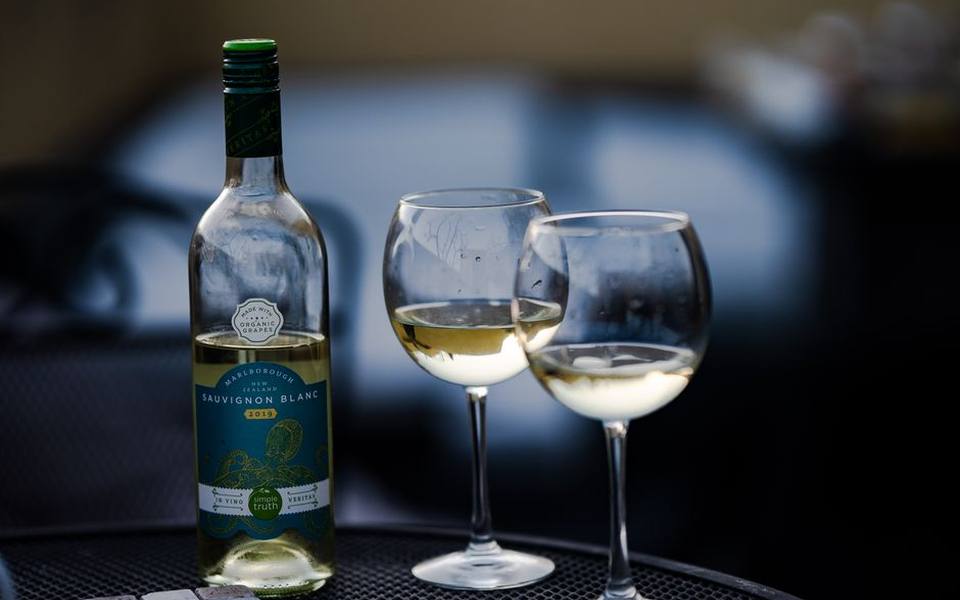
Attending a dedicated Sauvignon Blanc tasting reveals how strongly soil and local weather influence the glass. Cool maritime valleys produce wines bursting with gooseberry, flint, bell pepper, and razor-sharp lime. In slightly sunnier, warmer climates, the same grape shifts toward ripe passionfruit, white peach, honeydew melon, and subtle floral notes while still retaining its trademark mouthwatering acidity.
Because winemakers generally avoid heavy oak treatment for this variety, the natural purity of the grape shines through cleanly. Choosing wine tasting flights available at local tasting rooms allows you to contrast different vineyard plots side by side, discovering firsthand how stainless steel cellar work preserves this grape's vivid freshness.
Richer Profiles with Butter and Bread Notes
While crisp whites rely on bright acidity and citrus fruit, another historic corner of the white wine world celebrates rich texture, creamy viscosity, and decadent savory warmth. Often sought after as a comforting butter and bread wine, this profile is the hallmark of traditionally styled, barrel-aged Chardonnay. It provides a round, weighty mouthfeel that contrasts directly with the brisk bite of stainless-steel white wines.
The distinctive buttery flavor in these bottles is created through malolactic fermentation. In this secondary cellar process, winemakers encourage beneficial bacteria to convert tart, apple-like malic acid into velvety lactic acid, the same compound found in dairy. A byproduct of this conversion is diacetyl, an organic compound that delivers recognizable aromas and flavors of melted creamery butter.
Complementing the butter character are notes reminiscent of warm crusty bread, toasted brioche, and pastry dough. These bready qualities develop when wine rests on its fine lees—the spent yeast cells that settle after fermentation—and is stirred periodically over several months. Paired with toasted French or American oak barrels that contribute vanilla and sweet spice, the final wine offers a layered, comforting presence on the palate.
Everyday Boxed Whites and Craft Cellar Blends
Everyday value choices like Franzia crisp white introduce millions of consumers to refreshing white blends, serving as an approachable fixture for casual parties and relaxed backyard gatherings. Boxed formats offer convenience, remarkable cost efficiency, and packaging that protects wine from oxidation for several weeks after tapping. However, industrial boxed blends operate on very different production standards than boutique cellar bottlings.
To appeal to a wide demographic and maintain uniform taste across massive annual packaging runs, mass-market crisp white blends often retain a small amount of residual grape concentrate. This subtle sweetness softens aggressive acidity and smooths out rough edges, making the beverage very easy to drink but somewhat simple in structure. In contrast, small-estate winemakers let their crisp whites ferment completely dry, emphasizing soil character and vintage individuality.
While economical bag-in-box wines fill a functional role for informal get-togethers, exploring regional craft tasting rooms reveals nuances that bulk blenders deliberately filter out. Comparing an everyday supermarket staple against an artisanal estate bottling highlights the dramatic difference in aromatic complexity, textural depth, and authentic mineral finish.
The Spectrum and Character of Dry Rosé
Dry rosé has completely outgrown old associations with cloying blush wines, earning its reputation as one of the most versatile, food-friendly wine categories in the world. Authentic dry rosé finishes with zero noticeable residual sugar, delivering a crisp, thirst-quenching mouthfeel backed by delicate red fruit aromas. The overarching rosé flavor profile centers on wild strawberries, tart cherries, crisp watermelon, red currant, and hints of savory garden herbs.
Winemakers craft premium dry pink wines primarily through the direct-press or short-maceration method. Red grape varieties such as Grenache, Syrah, Mourvèdre, Pinot Noir, or Cinsault are harvested early to preserve high acidity. The grapes are gently crushed, and their skins remain in contact with the juice for just a few hours—typically anywhere from two to twenty-four hours—before pressing, yielding a delicate pale salmon or light pink hue.
Because the juice ferments completely to dryness, the resulting beverage feels crisp, focused, and refreshing rather than heavy or sweet. Sipping a flight of dry rosés in winery spaces that feature scenic outdoor seating provides an ideal opportunity to appreciate how light skin contact imparts refreshing berry flavors while maintaining crisp white wine drinkability.
Tart Red Fruit Accents and Pomegranate Notes
Within the world of pink and light red wines, certain bottles capture attention for their energetic, mouth-drying tartness, reminiscent of freshly seeded pomegranate. In traditional grape wine, distinct pomegranate undertones often emerge naturally from grape varieties with high natural acidity and moderate tannins, such as Sangiovese, Nebbiolo, or cool-climate Pinot Noir fermented as rosé.
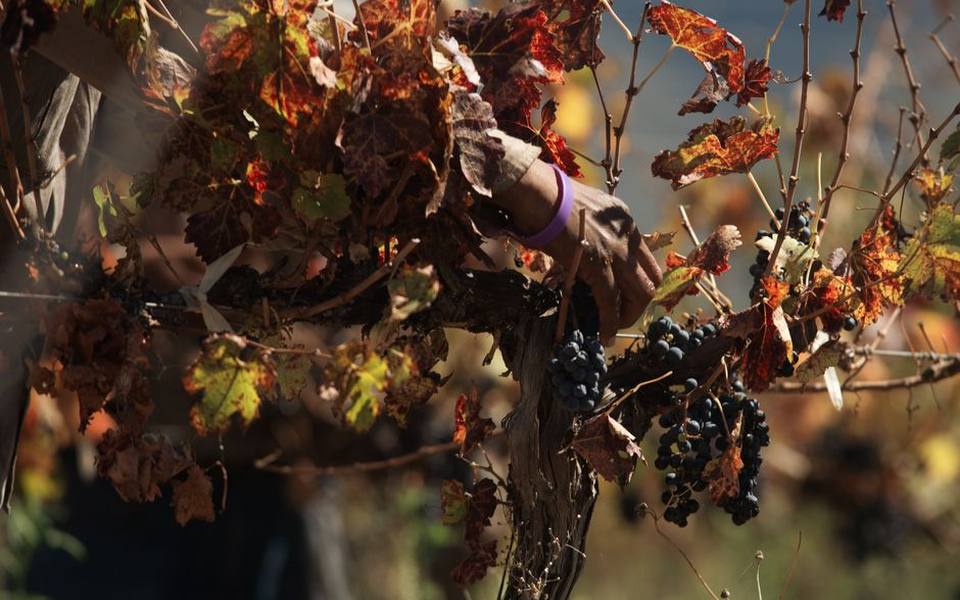
Beyond grape-derived aromas, some regional producers make dedicated fruit wine with pomegranate or blend natural pomegranate juice into a light white or rosé base. These specialty fruit-forward offerings showcase a bold, ruby-red color and an assertive sweet-tart punch. The natural astringency of pomegranate seeds introduces pleasant tannin-like structure that balances the natural sweetness of fruit fermentations.
Whether created naturally through red grape chemistry or via authentic fruit blending, pomegranate notes introduce an invigorating tartness that performs exceptionally well at the table. When visiting tasting rooms, asking your server about the grape composition will clarify whether that tangy pomegranate accent comes from early-harvest grape skins or whole fruit additions.
Understanding Sweetness and Balance in Riesling
Riesling is frequently misunderstood as a uniformly sweet wine, yet experienced sommeliers and winemakers consider it one of the most versatile and terroir-expressive white grapes on the planet. Riesling naturally possesses exceptionally high levels of tartaric acid, giving it a vibrant structural spine that allows winemakers to produce bone-dry bottles, delicately balanced off-dry expressions, and decadent dessert elixirs.
The fundamental secret to enjoying Riesling lies in understanding the interplay between sweetness and acidity. When high acid and residual sugar balance each other, even a wine with perceptible sweetness tastes remarkably clean, crisp, and refreshing rather than syrupy. The palate experiences layers of green apple, lime blossom, jasmine, and wet slate, framed by an electric structural tension.
Tasting through different expressions in cool-climate regions, such as the cellar doors found throughout Wineries in New York, demonstrates how northern latitudes foster vivid aromatic depth. Experiencing dry, medium-dry, and sweet Rieslings in a single flight is the fastest way to move past common stereotypes and discover your personal preference.
The Opulence of Late Harvest Riesling
At the sweetest and most concentrated end of the spectrum sits late harvest Riesling, a celebrated dessert wine produced from clusters left hanging on the vine long after the standard harvest has concluded. As autumn temperatures drop, these grapes dehydrate under chilly breezes, causing the natural water inside each berry to evaporate while concentrating natural sugars, acids, and essential flavor compounds.
In favorable vintages, autumn morning mists encourage the beneficial mold known as Botrytis cinerea, or noble rot, to develop on the grape skins. This natural fungus perforates the skins without spoiling the fruit, adding profound complexity. A classic Riesling late harvest wine displays intoxicating aromas of candied apricot, orange blossom honey, ripe peach, beeswax, and crystalline ginger.
Because the dense, sugary juice makes it difficult for yeast to complete fermentation, late harvest wines naturally finish with lower alcohol levels, typically falling between seven and ten percent. What makes late harvest Riesling globally revered is that its intense natural acidity cuts straight through the high residual sugar, leaving the finish pristine, bright, and endlessly refreshing rather than heavy.
Navigating Wine Flights in the Tasting Room
When visiting a tasting room with a portfolio spanning crisp whites, dry rosés, and late harvest dessert wines, approaching your flight in the proper order is essential. Human taste buds adapt quickly to sugar and tannin, meaning that sampling wines out of sequence can ruin your ability to perceive delicate fruit flavors and balanced acidity in subsequent pours.
Always begin your flight with light, bone-dry whites such as Sauvignon Blanc or un-oaked Pinot Grigio, progress to textured dry rosés, move into oaked Chardonnays, and save late harvest dessert wines for the very end. If you sample a rich, sweet wine early in the tasting, its residual sugar will coat your palate and make subsequent dry white wines taste unpleasantly sour, thin, and bitter.
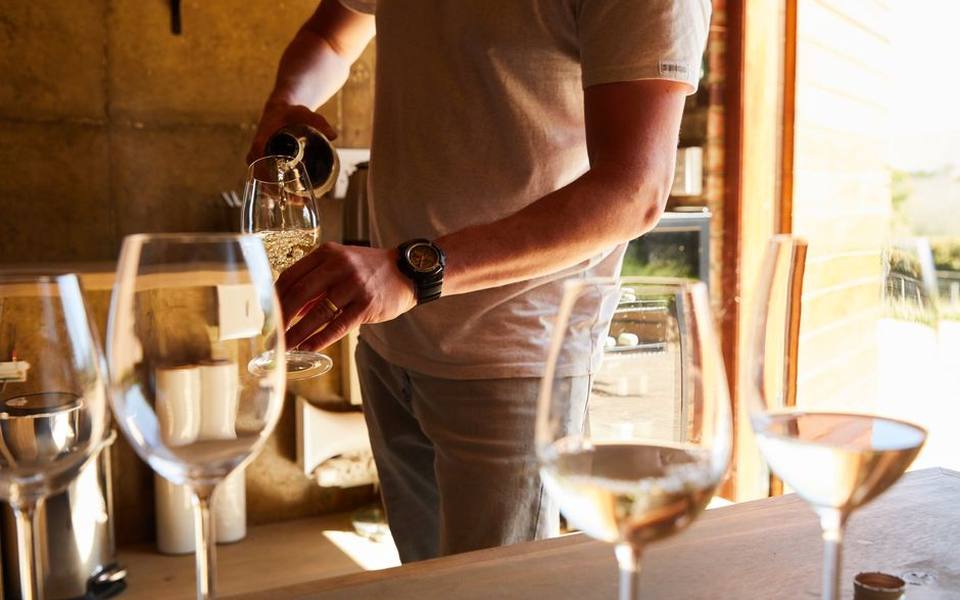
Most tasting rooms offer guests the option of curated flights or choosing wine by the glass. Tasting flights give you a broad overview across styles, whereas ordering a full glass lets you experience how a single vintage opens up and changes as it breathes and warms slightly in the room.
Practical Service Temperatures and Food Pairings
Service temperature exerts a profound influence on how white and rosé wines express themselves in your glass. Pulling a crisp white or dry rosé directly from an ice-cold refrigerator suppresses its delicate fruit aromatics and accentuates tart acidity. Conversely, serving these wines too warm makes the alcohol feel sharp and leaves the texture feeling flabby and dull.
Aim to serve crisp dry whites and dry rosés between forty-five and fifty degrees Fahrenheit, which allows citrus, melon, and floral notes to blossom while preserving a mouthwatering, refreshing chill. Full-bodied oaked whites with butter and toasted bread notes show best slightly warmer, around fifty to fifty-five degrees, where creamy texture and vanilla aromatics emerge naturally.
Late harvest dessert wines perform best when served moderately chilled, between forty-two and forty-six degrees, which tempers their dense sweetness. When pairing with food, crisp whites effortlessly cut through salty oysters and goat cheese, dry rosés excel alongside grilled salmon or summer charcuterie, and late harvest Rieslings create legendary matches with pungent blue cheeses, salted nuts, and fruit tarts.
Planning Regional Winery Visits Across America
Taking the time to visit domestic wine regions provides the clearest insight into how soil, sunlight, and cellar philosophy shape white and rosé styles. World-renowned regions across the West, including the historic properties among Wineries in California, craft an incredible range of styles, from bracing coastal whites to rich, cellar-aged Chardonnays and Provence-style rosés.
Planning ahead ensures you get the most out of your winery visits, especially during peak harvest months from late August through October. Checking tasting room policies before arriving helps you verify whether reservations are required, if outdoor picnic spaces are available, or whether properties welcome four-legged companions on their vineyard patios.
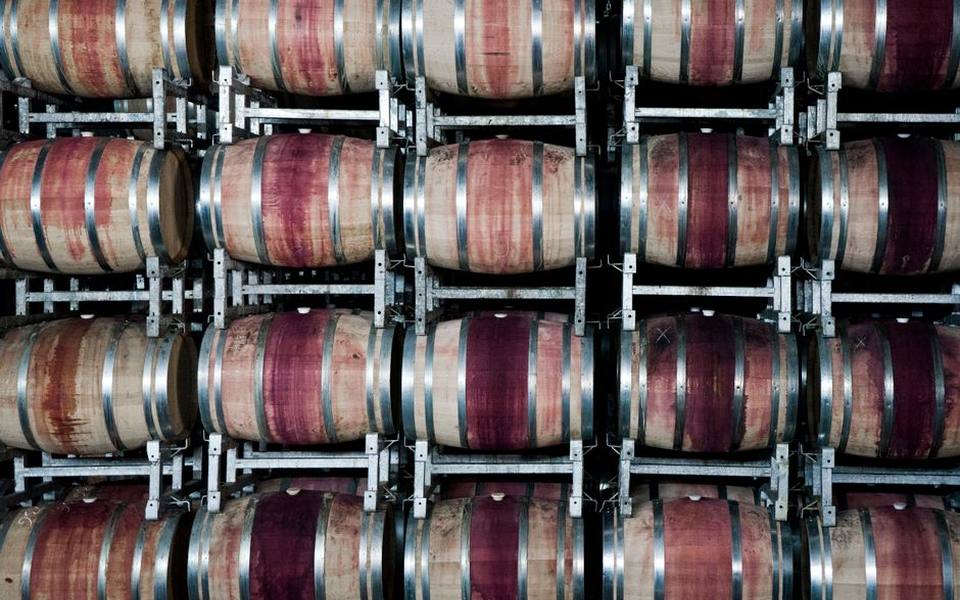
Many established estates also offer in-depth guided tours that escort visitors behind the scenes through fermentation cellars, crush pads, and barrel aging caves. Seeing stainless steel tanks, amphorae, and oak puncheons up close demystifies how winemakers guide grape juice into crisp whites, textured rosés, and decadent dessert wines.
Published 2026-09-21 · reviewed with each rebuild, last September 2026.
Find wineries near you
The directory lists 14,608 wineries by state and city — pick your state or use the “Near me” button in the header.
More guides
-
 Service
How to Become a Sommelier: Career Paths, Tasting Technique, and Practical Service
-
 Service
What to Wear to a Winery: Practical Outfits, Etiquette, and Food Pairings
-
 Owning
The Ultimate Wine and Food Pairing Guide: From Cheese to Desserts
-
 Buying
Understanding Kosher, Organic, and Biodynamic Wines: Production, Storage, and Pairings
-
 Buying
A Guide to Ordering Wine Online and Purchasing Bulk Alcohol for Events
-
 Buying
The Chemistry of Wine Fermentation: Yeast Roles, Malolactic Conversion, and Flavor Balance
-
 Buying
Understanding the Wine Sweetness Scale: From Crisp Dry to Indulgent Sweet
-
 Money
MoneyWine Tasting Costs Explained: What to Expect in Napa Valley and Beyond
-
 Owning
The Ultimate Guide to Charcuterie Boards: Styling, Pairings, and Recipes
-
 Owning
Crystal Wine Glassware Guide: Types, Brands, Care, and Stemless Styles
-
 Buying
Understanding Bold Reds: Dry Wines, Tannin Profiles, and Old Vine Zinfandels
-
 Storage
Choosing the Best Wine Fridge: Sizing, Cooling Zones, and Placement Guide
-
 Buying
Non-Alcoholic Wine Guide: Methods, Profiles, and What to Expect
-
 Buying
Personalized Wine Gifts: Custom Bottles, Engraved Glasses, and Custom Labels
-
 Owning
Essential Wine Accessories: Openers, Preservation Systems, Decanters, and Storage
-
 Buying
Food and Wine Pairing Guide: Salmon, Turkey, Ham, Lamb, and Lasagna
-
 Buying
Large Format Wine Bottles: Magnums, Jeroboams, and Champagne Sizes Explained
-
 Service
Farm Wineries, Agritourism, and Sustainable Vineyard Experiences Across America
-
 Owning
Wine and Food Pairing Guide: Charcuterie Boards, Cheeses, and Dinner Courses
-
 Buying
Specialty Wines, Modern Cellar Styles, and Buying Smart Online
-
 Owning
Planning Memorable Vineyard Visits, Historic Estates, and Tasting Room Escapes
-
 Buying
Sweet and Refreshing White Wines: A Guide to Styles, Grapes, and Tasting Profiles
-
 Service
Cooking with Wine and the Practical Art of Culinary Pairings
-
 Owning
Luxury Glassware and Crystal Stemware: A Guide to Vintage Patterns, Modern Makers, and Care
-
 Storage
Modern Wine Refrigerators and Coolers: Sizing, Placement, and Everyday Performance
-
 Service
Winery & Vineyard Weddings: Venues, Planning, and Event Etiquette
-
 Owning
Electric Wine Openers, Vacuum Stoppers, and Preservation Systems: A Complete Guide
-
 Safety
Traveling with Wine: Suitcases, Luggage Bags, and Airline Rules
-
 Buying
Red Wine Varietals Explained: Malbec, Cabernet, Merlot, and Zinfandel
-
 Owning
Artisan Charcuterie Boards and Wine Party Snack Styling Guide
-
 Buying
Finding and Repurposing Used Oak Wine Barrels for Home and Garden
-
 Buying
Garlic Infused and Extra Virgin Olive Oils: Flavors, Brands, and Culinary Uses
-
 Buying
US Wine Trails and Estate Wineries: Scenic Routes and Destination Guide
-
 Buying
Crystal Wine Glasses, Fine Stemware, and Barware Accessories Guide
-
 Service
The Complete Guide to Winery Visits: Tastings, Vineyard Tours, and Visitor Experiences
-
 Owning
Pairing Wine with Charcuterie, Cheeses, and Seasonal Dinners
-
 Buying
Wine Glassware, Decanters, and Accessories Buyer Guide
-
 Storage
Home Wine Storage, Refrigeration, and Cellar Inventory Guide
-
 Buying
Winery Tours, Tasting Room Experiences, and Vineyard Weddings