How Wine Tasting Flights Work and What to Expect
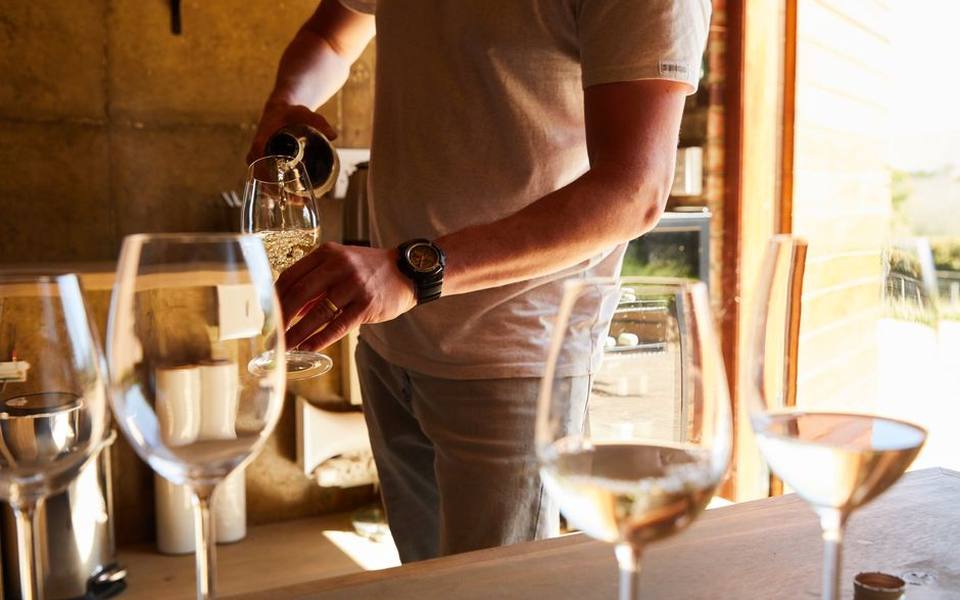
A tasting flight is the foundation of most winery visits, offering guests a curated lineup of small pours designed to showcase the producer's craft. Rather than committing to a full glass of an unfamiliar vintage, a flight generally presents three to six selections, with each pour typically measuring between one and two ounces. Cellar masters arrange these selections in a deliberate progression, starting with lighter sparkling or dry white wines, moving into medium-bodied rosés and reds, and finishing with dense, tannic varietals or fortified dessert wines. This structured sequence prevents bolder tannins and higher sugar levels from dulling your palate early in the experience.
When arriving at a tasting bar or sitting for a table service flight, you will often find multiple flight themes. An introductory estate flight highlights the winery's signature flagship bottlings, while a reserve or single-vineyard flight focuses on small-lot releases expressing specific microclimates and soil profiles. Some destinations feature vertical tastings, which compare the exact same varietal across several consecutive harvest years to demonstrate how weather patterns and bottle aging shape flavor. Checking whether a venue features wine tasting flights before you arrive helps you understand the portfolio depth and reserve options available.
Flight fees vary widely across wine regions, typically reflecting the property's production scale and exclusivity. In many traditional wine regions, tasting rooms waive or credit the flight fee against bottle purchases if you decide to take wine home or join their allocation club. Pourers and sommeliers guide guests through each glass, discussing harvest conditions, fermentation vessels like stainless steel or French oak, and cellar aging timelines. Guests are always encouraged to take their time between sips, observe the color and aromas, and ask questions about the viticultural decisions behind each vintage.
Downtown Tasting Rooms Versus Country Farm Estates
Winery travelers frequently choose between visiting sprawling rural agricultural estates and exploring contemporary downtown tasting rooms. In traditional farming districts, estate wineries surround visitors with rolling acreage, trellised grapevines, tractor barns, and barrel cellars. These destinations deliver expansive scenic views and fresh air, but they also require dedicated driving or hired transportation to navigate rural country roads that connect remote valleys and hilltops.
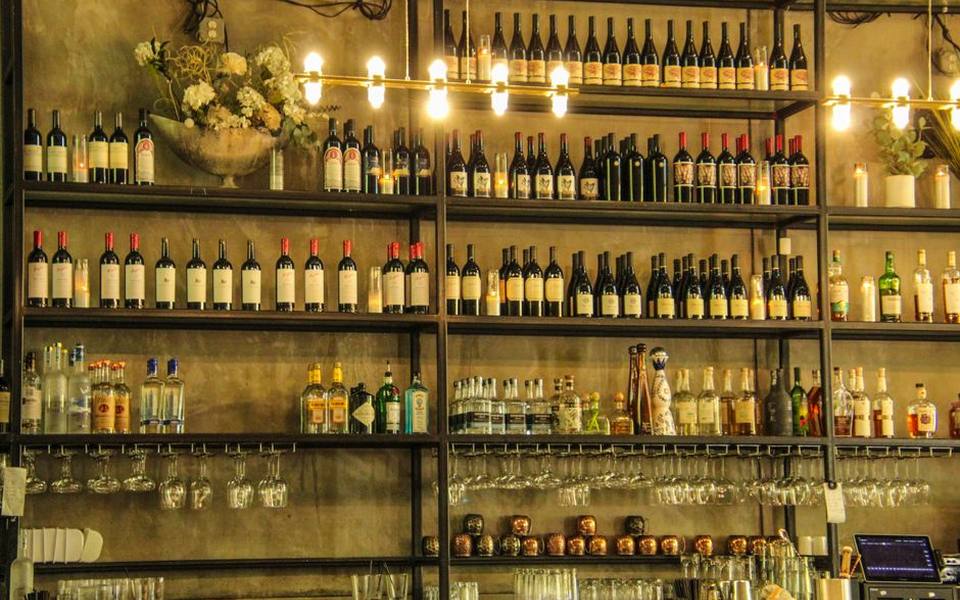
To make their portfolios accessible to visitors without the long commute, an increasing number of boutique producers maintain downtown urban tasting locations. Facilities like the Rolling Hills Vineyard urban tasting room or the Carlson Vineyards downtown tasting room demonstrate how rural farming operations bring their finished bottles directly into vibrant town centers. These neighborhood outposts transform storefronts into sophisticated lounge spaces where travelers can sample regional agricultural products just steps from boutique hotels, restaurants, and pedestrian shopping districts.
Choosing between an urban lounge and a country farm depends largely on the structure of your trip. If your group wants an immersive walk through vine rows, production crush pads, and underground barrel rooms, a trip out to the working vineyard is irreplaceable. However, if your itinerary includes an evening dinner reservation, walking tours, or limited transit options, a downtown satellite tasting room delivers an identical wine lineup alongside urban convenience and extended evening hours.
Exploring Vineyards on Two Wheels
Pedaling through wine valleys on a bicycle provides an intimate, slow-paced connection to the landscape that driving cannot match. Cycling excursions allow travelers to smell the cooling evening air, examine vine trellising up close, and enjoy gentle outdoor exercise between tastings. Iconic regions with flat valley floors, such as Napa Valley and Oregon's Willamette Valley, feature extensive networks of quiet country lanes and paved multi-use trails built alongside active farm properties.
Organized bicycle excursions take the logistical burden off travelers by providing gear, designated safety routes, and support vehicles. Guests can choose between traditional multi-speed road cruisers and pedal-assist electric bikes, which flatten rolling terrain and reduce physical fatigue in warm weather. Many travelers coordinate through formal winery tours that include professional guides familiar with regional history, pre-arranged tasting appointments, and transport vans that collect purchased wine bottles so riders do not have to carry heavy cargo in backpacks.
Safety and pacing are essential considerations when combining cycling with wine consumption. Direct sun exposure, physical exertion, and alcohol absorption can cause dehydration far faster than sitting on an air-conditioned patio. Experienced guides structure bike tours around moderate sampling, scheduled water breaks, and substantial picnic lunches, ensuring that participants remain refreshed and fully capable of navigating shared public roadways safely throughout the afternoon.
Equestrian Excursions and Trail Rides Among the Vines
For a classic country outing, horseback riding through vineyard acreage offers an unforgettable glimpse into pastoral farm life. Many historic estates and neighboring equestrian ranches partner to offer guided trail rides that trace property boundaries, cross shallow irrigation streams, and meander along sun-drenched vineyard headlands. These excursions immerse riders in the natural ecosystem of wine country, far beyond the public parking areas and tasting room patios.
Winery horseback experiences are tailored to accommodate riders of varied experience levels, pairing guests with calm, well-trained trail horses. Western saddles are common for their comfort and stability on uneven agricultural terrain. Before heading out into the vines, wranglers conduct brief safety orientations, adjust stirrups, and verify that all riders wear protective helmets and appropriate closed-toe boots. Ranches typically observe weight limits and age requirements to safeguard both animal welfare and rider safety.
A typical equestrian wine package concludes with riders dismounting at an outdoor tasting pavilion or shaded picnic arbor near the stables. Guests can unwind from the trail with poured flights of estate wine accompanied by artisanal cheeses, cured meats, and fresh seasonal fruit. It is an exceptional way to spend a morning, pairing the rhythm of the trail with an educational introduction to the vineyard's current vintage releases.
Taking Four-Legged Companions to the Vineyard
Wineries are agricultural working properties, and many have long embraced a welcoming stance toward family pets. Across the country, finding dedicated dog-friendly wineries has become a priority for travelers who prefer vacationing with their canine companions rather than booking boarding kennels. Many properties feature winery dogs that roam the grounds or greet guests at the door, establishing a relaxed, pet-positive environment across the estate.
While pet hospitality is widespread, policies differ significantly depending on state health codes and property layouts. In most jurisdictions, animals are not permitted inside enclosed production cellars, crush pads, or commercial kitchen prep areas. Instead, welcoming estates designate expansive outdoor courtyards, covered porches, and grassy picnic grounds where leashed dogs are invited to lounge alongside their owners while wine flights and charcuterie boards are served.
Responsible guest etiquette ensures that vineyards remain open to four-legged visitors. Dogs must always remain on standard non-retractable six-foot leashes under the direct control of an adult. Owners should pack travel water bowls, clean up promptly after their pets, and ensure their dogs are socialized to handle unfamiliar crowds, other leashed animals, and unexpected farm sounds like tractors or utility vehicles without barking or showing distress.
Historic Settings, Water Views, and Restored Cellars
Beyond the liquid in the glass, a winery's physical setting shapes the entire visiting experience. Properties housed in preserved architectural landmarks offer a tangible connection to early American manufacturing and regional settlement. Venues like the historic Warner Vineyards tasting room setting, established inside a restored 1898 waterworks station and grist mill along river rapids, illustrate how historic industrial architecture can provide an evocative, atmospheric backdrop for modern wine appreciation.
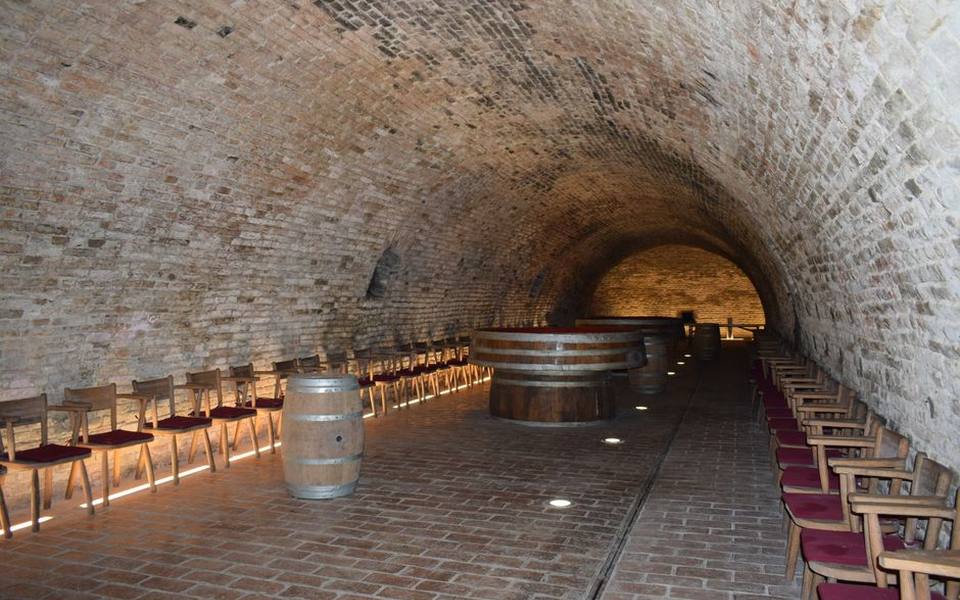
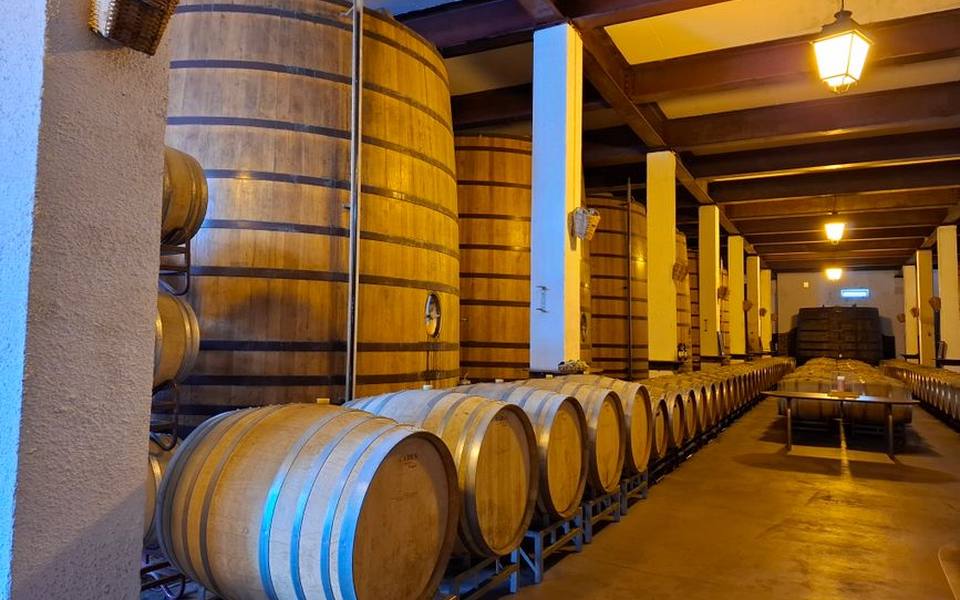
Subterranean barrel cellars and stone masonry caves represent another compelling architectural feature found in historic wine regions. Because thick limestone, river rock, and earth maintain naturally cool temperatures and elevated humidity year-round, winemakers originally constructed these caves to protect wooden aging casks from seasonal heat spikes. Today, touring through these dimly lit, vaulted stone corridors gives guests a rare sensory appreciation for how ambient cellar conditions gently guide the maturation of fine red wines.
Pairing historical architecture with waterfront views or riverside outdoor seating creates a relaxed, restorative environment for extended visits. Sitting on a riverfront deck or stone terrace listening to running water while sampling crisp white wines or dry rosés elevates an ordinary tasting into a memorable destination outing. These settings frequently attract history enthusiasts, casual travelers, and wedding parties looking for natural character rather than modern commercial tasting rooms.
Special Occasions, Local Wine Events, and Holiday Planning
Wineries have evolved into vibrant cultural community centers, hosting seasonal celebrations, live acoustic music, and curated pairing workshops throughout the year. Checking regional community calendars for local wine events often reveals barrel-sampling weekends, grape-stomping celebrations during autumn harvest, and educational blending seminars led directly by resident winemakers. These gatherings offer educational depth and entertainment that standard walk-in tastings cannot match.
Spring holidays represent peak travel periods across the wine industry, with Mother's Day winery excursions ranking among the most popular dates on the annual calendar. Families gather on estate grounds for specialty sparkling wine brunches, floral workshops, and multi-course luncheon pairings set against newly budding vineyard rows. Because these holiday dates experience extraordinary demand, reserving tables, tasting slots, and meal seatings several weeks or months in advance is essential.
When planning a visit around a holiday or public event, paying attention to infrastructure makes a substantial difference in guest comfort. Checking whether a venue features ample outdoor seating, covered pavilions, or climate-controlled indoor halls ensures your party stays comfortable regardless of sudden weather changes. Choosing properties with dedicated event staff guarantees that your celebratory group receives attentive, professional service even during the busiest days of the season.
Vineyard Bed and Breakfasts for Immersive Overnight Stays
Experiencing a vineyard after the daily tasting room crowds depart is one of the greatest pleasures of wine country travel. Vineyard bed and breakfasts offer guests an intimate agricultural immersion, replacing generic roadside motels with peaceful mornings surrounded by green rows of vines. Staying on site gives travelers uninterrupted access to estate grounds during the golden hours of dawn and dusk, when the light across the countryside is most striking.
Estate accommodations combine boutique hospitality with personal access to wine production. Destinations modeled after intimate properties like the Stone Lion Vineyard bed and breakfast provide private suites, cozy common rooms with stone fireplaces, and chef-prepared breakfasts featuring farm-fresh eggs and local produce. Guests often receive complimentary tasting flights upon arrival and enjoy unhurried conversations with the owners about the realities of running an independent vineyard and winery.
An overnight vineyard stay also eliminates one of the most persistent challenges of wine tasting: transportation and driving logistics. After an afternoon of exploring local flight offerings and enjoying an estate-catered dinner, guests can simply stroll down gravel paths back to their private guest rooms. There is no need to navigate unfamiliar dark country roads or coordinate rideshare services, allowing travelers to unwind completely in a tranquil rural setting.
Regional Wine Escapes and Great Lakes Getaways
While California and the West Coast dominate mainstream wine conversations, distinct and rewarding wine trails thrive across the Midwest, Mid-Atlantic, and South. The Great Lakes region in particular benefits from massive bodies of fresh water that buffer winter freezes and extend the autumn growing season. Southwestern Michigan, with its rolling moraines and sandy loam soils, produces exceptional cool-climate varietals including Riesling, Pinot Gris, Cabernet Franc, and cold-hardy hybrid grapes.
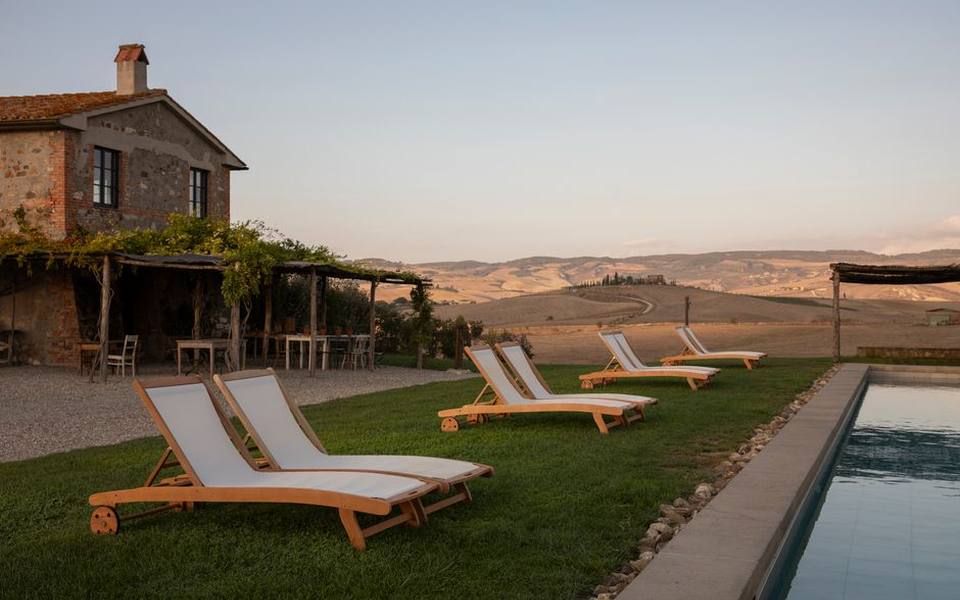
Exploring these lakeside wine communities combines vineyard tastings with classic coastal resort charm. Booking a getaway at a destination like Martha's Vineyard bed and breakfast in South Haven, Michigan places travelers in the heart of maritime lake towns surrounded by orchards, blueberry farms, and estate wineries. Visitors can spend mornings swimming at sandy freshwater beaches and afternoons sampling crisp, aromatic whites at tasting rooms scattered along nearby rural country lanes.
Taking time to explore wineries in Michigan and other emerging state trails reveals an authentic, down-to-earth hospitality style. Winemakers and family owners are frequently the ones pouring behind the bar, sharing stories of regional climate resilience and unique harvest techniques. These regional trails offer world-class wine experiences paired with easy road-trip access for millions of travelers living within driving distance of the Great Lakes.
Tasting Etiquette, By-the-Glass Choices, and Safe Travel
Approaching a wine tasting with confidence comes down to understanding basic cellar room etiquette and knowing what format suits your afternoon. While flights provide a broad overview of unfamiliar varietals, settling in with a single pour of wine by the glass is often preferable when you already know your favorite grape or simply want to relax on a scenic terrace with friends. Glass pours allow guests to enjoy a generous serving at their own pace without needing to evaluate successive wines.
During a structured tasting, there is no requirement to consume every drop poured into your glass. Professional tasters regularly use dump buckets on the bar counter to discard remaining wine after evaluating aroma and flavor, allowing them to sample multiple vintages without accumulating excess alcohol. Do not hesitate to use spittoons or dump buckets; servers recognize this as the mark of a thoughtful, responsible taster who values mindful appreciation over intoxication.
Responsible transportation planning is the single most critical element of a successful wine country excursion. Country roads surrounding vineyards are often winding, unlit, and shared with heavy agricultural equipment. Designating an alcohol-free driver, hiring private limousine or van charters, or utilizing local shuttle circuits ensures that everyone in your travel group returns safely to their lodging at the end of an enriching day among the vines.
Published 2026-09-21 · reviewed with each rebuild, last September 2026.
Find wineries near you
The directory lists 14,608 wineries by state and city — pick your state or use the “Near me” button in the header.
More guides
-
 Service
How to Become a Sommelier: Career Paths, Tasting Technique, and Practical Service
-
 Service
What to Wear to a Winery: Practical Outfits, Etiquette, and Food Pairings
-
 Owning
The Ultimate Wine and Food Pairing Guide: From Cheese to Desserts
-
 Buying
Understanding Kosher, Organic, and Biodynamic Wines: Production, Storage, and Pairings
-
 Buying
A Guide to Ordering Wine Online and Purchasing Bulk Alcohol for Events
-
 Buying
The Chemistry of Wine Fermentation: Yeast Roles, Malolactic Conversion, and Flavor Balance
-
 Buying
Understanding the Wine Sweetness Scale: From Crisp Dry to Indulgent Sweet
-
 Money
MoneyWine Tasting Costs Explained: What to Expect in Napa Valley and Beyond
-
 Owning
The Ultimate Guide to Charcuterie Boards: Styling, Pairings, and Recipes
-
 Owning
Crystal Wine Glassware Guide: Types, Brands, Care, and Stemless Styles
-
 Buying
Understanding Bold Reds: Dry Wines, Tannin Profiles, and Old Vine Zinfandels
-
 Storage
Choosing the Best Wine Fridge: Sizing, Cooling Zones, and Placement Guide
-
 Buying
Non-Alcoholic Wine Guide: Methods, Profiles, and What to Expect
-
 Buying
Personalized Wine Gifts: Custom Bottles, Engraved Glasses, and Custom Labels
-
 Owning
Essential Wine Accessories: Openers, Preservation Systems, Decanters, and Storage
-
 Buying
White and Rosé Wines: From Crisp Whites to Dry Rosés and Late Harvest Riesling
-
 Buying
Food and Wine Pairing Guide: Salmon, Turkey, Ham, Lamb, and Lasagna
-
 Buying
Large Format Wine Bottles: Magnums, Jeroboams, and Champagne Sizes Explained
-
 Service
Farm Wineries, Agritourism, and Sustainable Vineyard Experiences Across America
-
 Owning
Wine and Food Pairing Guide: Charcuterie Boards, Cheeses, and Dinner Courses
-
 Buying
Specialty Wines, Modern Cellar Styles, and Buying Smart Online
-
 Owning
Planning Memorable Vineyard Visits, Historic Estates, and Tasting Room Escapes
-
 Buying
Sweet and Refreshing White Wines: A Guide to Styles, Grapes, and Tasting Profiles
-
 Service
Cooking with Wine and the Practical Art of Culinary Pairings
-
 Owning
Luxury Glassware and Crystal Stemware: A Guide to Vintage Patterns, Modern Makers, and Care
-
 Storage
Modern Wine Refrigerators and Coolers: Sizing, Placement, and Everyday Performance
-
 Service
Winery & Vineyard Weddings: Venues, Planning, and Event Etiquette
-
 Owning
Electric Wine Openers, Vacuum Stoppers, and Preservation Systems: A Complete Guide
-
 Safety
Traveling with Wine: Suitcases, Luggage Bags, and Airline Rules
-
 Buying
Red Wine Varietals Explained: Malbec, Cabernet, Merlot, and Zinfandel
-
 Owning
Artisan Charcuterie Boards and Wine Party Snack Styling Guide
-
 Buying
Finding and Repurposing Used Oak Wine Barrels for Home and Garden
-
 Buying
Garlic Infused and Extra Virgin Olive Oils: Flavors, Brands, and Culinary Uses
-
 Buying
US Wine Trails and Estate Wineries: Scenic Routes and Destination Guide
-
 Buying
Crystal Wine Glasses, Fine Stemware, and Barware Accessories Guide
-
 Owning
Pairing Wine with Charcuterie, Cheeses, and Seasonal Dinners
-
 Buying
Wine Glassware, Decanters, and Accessories Buyer Guide
-
 Storage
Home Wine Storage, Refrigeration, and Cellar Inventory Guide
-
 Buying
Winery Tours, Tasting Room Experiences, and Vineyard Weddings