What makes a bottle kosher from vine to glass
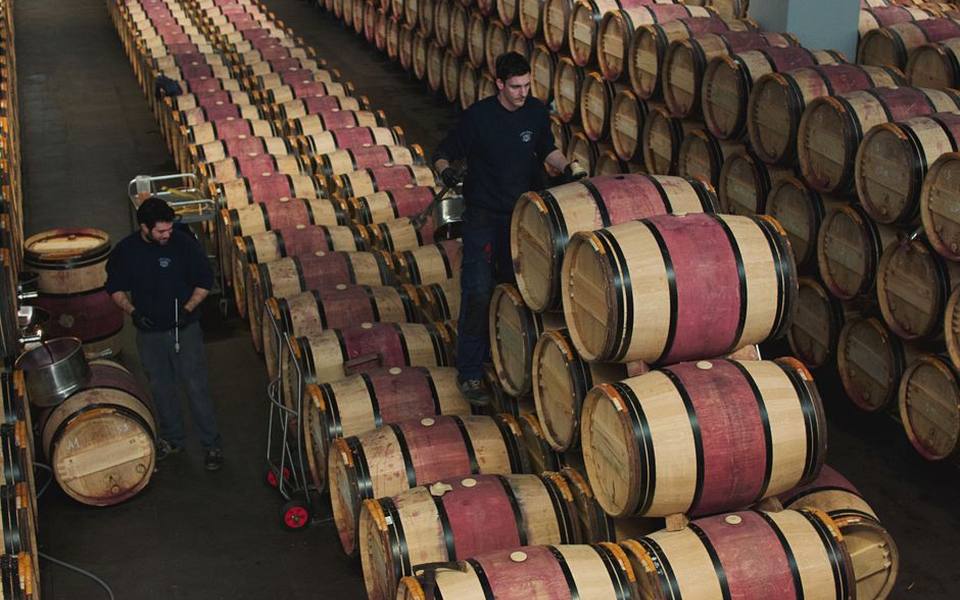
Kosher wine is defined entirely by the strict adherence to Jewish dietary laws, known as kashrut, rather than by grape varietal, sweetness, or growing region. From the moment the grapes arrive at the crush pad until the finished bottle is uncorked and poured, every piece of processing equipment must be handled exclusively by Sabbath-observant Jewish cellar hands. The fruit itself is fundamentally identical to any other vineyard harvest, but the protocols governing fermentation vessels, hoses, pumps, and barrels require complete rabbinical oversight and dedicated kosher certification to be recognized officially.
Winemakers producing kosher selections must also pay meticulous attention to every additive and fining agent introduced during the production cycle. Common commercial clarification agents derived from non-kosher animal byproducts, such as gelatin or certain forms of isinglass, are strictly prohibited in kosher cellaring. Instead, producers rely on bentonite clay, food-grade paper filters, or certified kosher egg whites. Yeasts, tartaric acid, and enzyme additions must also carry verified certifications to guarantee they have not touched non-kosher food products or shared uncertified manufacturing facilities.
You will often notice the word mevushal on certain kosher wine labels, which denotes a specific handling standard. Mevushal translates to cooked, though modern wineries use a flash-pasteurization method that heats the unfermented juice or finished wine rapidly to around 185 degrees Fahrenheit for just a few seconds before chilling it back down. This swift process preserves the delicate aromatic compounds while ensuring the wine maintains its kosher integrity even when opened and served by non-observant waitstaff at private events, banquets, or public restaurants.
How organic wines differ in the vineyard and cellar
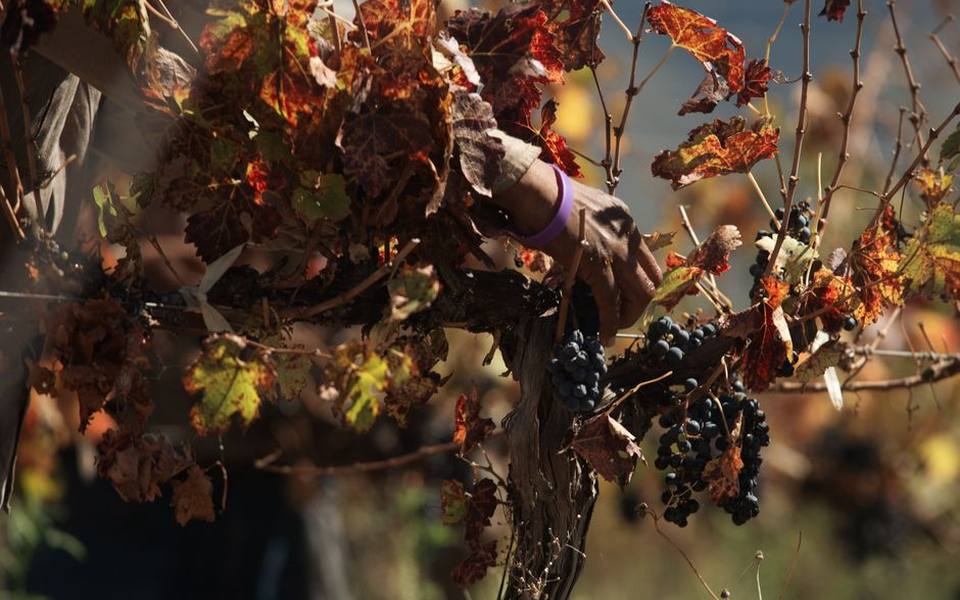
Organic wine begins out in the soil, where farming practices eliminate the use of synthetic fertilizers, chemical herbicides, and petroleum-based fungicides. Growers instead focus on rebuilding organic matter through natural cover crops, composting, and encouraging beneficial insects that hunt common vineyard pests like leafhoppers or spider mites. Certification requires an estate to document several continuous years of purely biological farming before grapes can legally carry the certified organic seal on commercial packaging, guaranteeing that no synthetic spray residues enter the fruit.
In the United States, federal labeling rules make an important distinction between a bottle labeled organic wine and one labeled made with organic grapes. A bottle designated as organic wine must be crafted using certified organic fruit, and the winemaker is prohibited from adding any synthetic preservatives, including sulfur dioxide, during crush or bottling. These strict parameters keep total sulfites below ten parts per million, which are naturally generated during standard fermentation, making the wine highly responsive to storage conditions and ambient cellar warmth.
Wines bearing the phrase made with organic grapes offer a slightly different standard that appeals to many boutique estates, including hundreds across wineries in California that cultivate certified parcels. In this category, the fruit itself must come from registered organic vineyards, but the cellar team is permitted to introduce modest amounts of sulfur dioxide to safeguard against premature oxidation and unwanted bacterial spoilage. Total sulfur dioxide typically cannot exceed one hundred parts per million, offering consistent shelf stability while honoring chemical-free farming.
Biodynamic farming and closed-loop ecosystems
Biodynamic viticulture approaches the entire vineyard as a single, living organism that should ideally sustain itself with minimal external inputs. Developed from the agricultural lectures of philosopher Rudolf Steiner in the early twentieth century, this holistic method views the soil, vine roots, farm animals, wildlife, and surrounding forest canopy as interconnected elements of one biological system. Rather than treating diseases with localized applications, biodynamic grape growers work continuously to reinforce the underlying vitality of the vines so they naturally resist common fungal blights.
A defining element of biodynamic vineyard care involves specific mineral and herbal field preparations, numbered from five hundred to five hundred and eight. These preparations involve packing cow manure, silica, chamomile, stinging nettle, or oak bark into animal organs or horns, burying them in compost trenches through winter, and later diluting them in water through a vigorous stirring technique known as dynamization. Winemakers apply these homeopathic soil sprays to cultivate diverse microbial colonies across topsoil, promoting deep root development and enhanced vine balance throughout dry summers.
Certified biodynamic vineyards, typically audited through organizations such as Demeter or Biodyvin, also schedule seasonal vineyard tasks around an astronomical calendar. Field crews often time their pruning, cultivating, and harvesting according to lunar cycles and planetary alignments, categorizing days into fruit, root, leaf, and flower energies. While this astrological philosophy draws skepticism from strictly conventional agronomists, the rigorous attention to soil health, hand labor, and strict cellar restrictions frequently results in exceptionally expressive, high-character wines.
Deciphering specialty labels on retail shelves
Navigating specialty sections in wine shops can easily confuse consumers because terms like natural, clean, sustainable, and biodynamic often overlap on marketing displays. Unlike certified organic or biodynamic wines, which operate under audited legal frameworks with independent annual inspections, natural wine currently lacks a legally enforced federal definition in the United States. A natural wine generally implies organic fruit fermented with indigenous cellar yeasts and bottled without filtration or heavy sulfur additions, yet the term itself provides no binding regulatory guarantees on the shelf.
Vegan designations are another area where production standards occasionally cross paths with kosher and organic guidelines. Many wine lovers are surprised to discover that traditional winemaking often utilizes animal proteins, including egg albumen or milk-derived casein, to clarify liquid before bottling. Wines carrying certified vegan labels rely solely on mineral fining agents like volcanic bentonite clay or plant-based proteins derived from peas and potatoes, making them an excellent choice for plant-based drinkers seeking total clarity regarding what was used in the cellar.
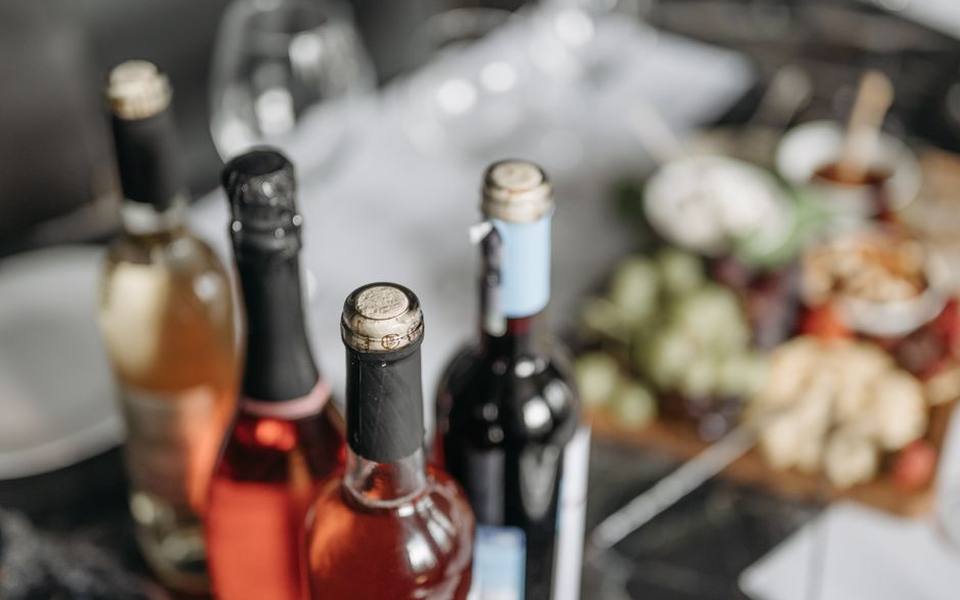
To buy with confidence, inspect both the front and back labels for recognizable third-party verification marks rather than trusting vague descriptive taglines. Legitimate certifications will clearly display the official USDA Organic badge, the Demeter sunburst emblem, or trusted rabbinical kosher symbols such as the OU, OK, or Star-K. When these accredited seals appear, you know an independent third party has rigorously inspected the estate records, chemical logs, and cellar equipment to verify that the winery adheres to its published standards.
Finding the ideal temperature for your wine fridge
Maintaining proper temperature is the single most important factor in preserving wine quality, preventing premature aging, and keeping corks in prime condition. For general long-term storage across all wine types, the ideal baseline temperature falls between 53 and 57 degrees Fahrenheit, with 55 degrees universally considered the golden benchmark. Storing bottles consistently within this narrow range slows chemical reactions down to a gentle pace, allowing subtle aromatics to integrate slowly without threatening cork shrinkage or accelerated oxidation.
Many wine enthusiasts mistakenly assume that red and white bottles require drastically different storage environments, but that distinction applies primarily to immediate drinking temperatures rather than storage. While you might serve a crisp Sauvignon Blanc at 46 degrees and a robust Cabernet Sauvignon at 62 degrees, both varietals flourish together in storage at 55 degrees. Storing wine below 45 degrees for extended periods can dry out natural corks and stunt development, whereas temperatures above 68 degrees rapidly degrade delicate fruit nuances into stewed flavors.
If you purchase a dual-zone wine appliance, you can customize compartments to align cellar storage with ready-to-serve convenience. Set your cooler's white and sparkling compartment between 46 and 50 degrees Fahrenheit, which keeps everyday whites chilled enough to uncork without waiting for an ice bucket. Set the secondary compartment between 56 and 60 degrees Fahrenheit, providing an ideal resting temp for structured reds that ensures they hit the dining table pleasantly cool rather than lukewarm from ambient room heat.
Features that define dependable small wine coolers
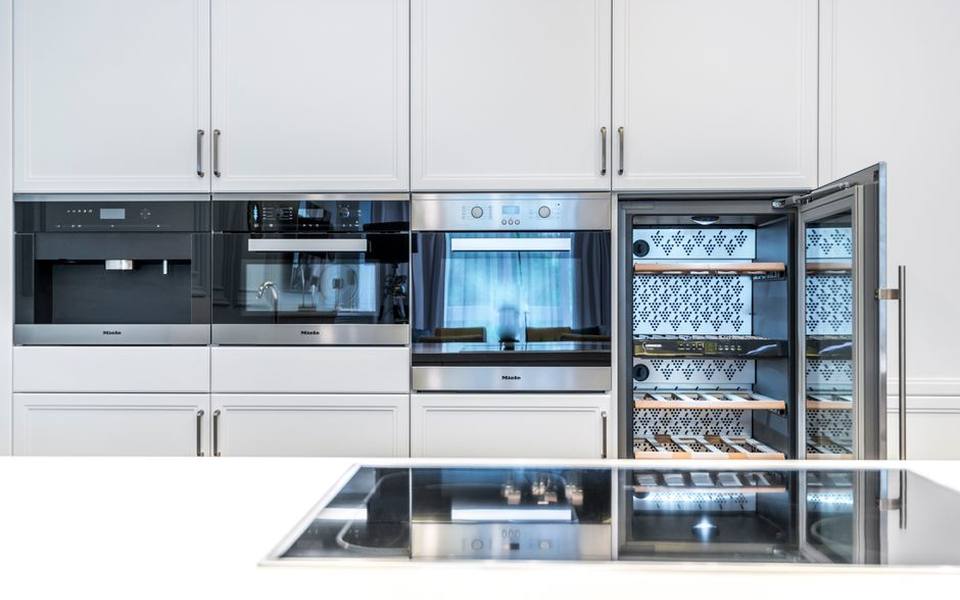
Compact wine fridges, typically holding anywhere from twelve to thirty-six bottles, are popular additions to apartments, pantries, and wet bars. When evaluating small appliances, the primary engineering choice lies between thermoelectric cooling units and compressor-driven systems. Thermoelectric coolers use electric currents passing through ceramic plates to draw heat out, operating with almost zero mechanical vibration and negligible operating noise, which helps protect fine sediment in delicate older vintages from being constantly agitated on the shelves.

However, thermoelectric coolers carry notable thermal limitations because their interior temperature capacity directly depends on ambient room conditions. If your kitchen or dining space regularly climbs above 75 degrees Fahrenheit during peak summer months, a thermoelectric unit will struggle to keep interior temperatures at safe storage levels. Compact compressor models cost slightly more and produce a faint hum when cycling on, but they offer far superior chilling reliability, recovering quickly after door openings and easily holding 55 degrees regardless of household climate.
Beyond the cooling mechanism, pay close attention to shelf geometry, door construction, and internal air circulation before selecting a compact model. Look for double-paned or triple-paned glass doors treated with UV-resistant coatings, as ambient light breaks down delicate organic compounds and damages wine through light strike. Slide-out wooden shelves made from unfinished beechwood or cedar cradle standard bottles securely, though you should verify that shelf spacing accommodates wider sparkling or Pinot Noir bottles without stripping their paper labels.
Pairing cheeses with diverse wine profiles
Creating a successful wine and cheese pairing relies on balancing richness, acidity, saltiness, and textural intensity between the plate and the glass. High-fat cheeses coat the tongue, which can easily mute subtle fruit notes in delicate wines if the beverage lacks sufficient acidity or drying tannins to cleanse the palate. By matching the weight and dominant flavor characteristics of both elements, you create a harmonious balance where neither the cheese nor the pour overpowers the other.
Fresh, unripened cheeses with lively tartness, such as fresh goat chèvre or young sheep's milk wheels, pair seamlessly with high-acid white wines. A vibrant Sauvignon Blanc, unoaked Chardonnay, or dry sparkling wine slices cleanly through the chalky, lactic richness of goat cheese, accentuating bright herbal notes in both elements. Similarly, rich bloomy-rind selections like classic Brie or triple-crème Camembert require crisp effervescence or cutting acidity to scrub creamy butterfat from the mouth between bites.
Aged, firm cheeses require structured wines that possess sufficient tannin and depth to stand up against concentrated savory crystals and dense protein. Mature Cheddar, long-aged Gouda, Manchego, and aged Gruyère develop nutty, caramelized notes and elevated salt levels that soften aggressive tannins in full-bodied red wines like Cabernet Sauvignon, Syrah, and Nebbiolo. The protein in these firm cheeses binds with astringent grape tannins, turning what might feel like a mouth-drying sip into a remarkably plush, velvety finish.
Pungent blue-veined cheeses, including Roquefort, Stilton, and Gorgonzola, represent one of wine pairing's greatest historical triumphs when matched against sweet or fortified styles. The intense salt, moisture, and blue mold sharpness found in these cheeses will turn dry, tannic red wines metallic and bitter. However, when paired with a honeyed Sauternes, Late Harvest Riesling, or vintage Port, the bold sweetness in the glass contrasts brilliantly with the cheese's saltiness, creating a luxurious interplay of contrasting flavors.
Tasting room experiences and charcuterie boards
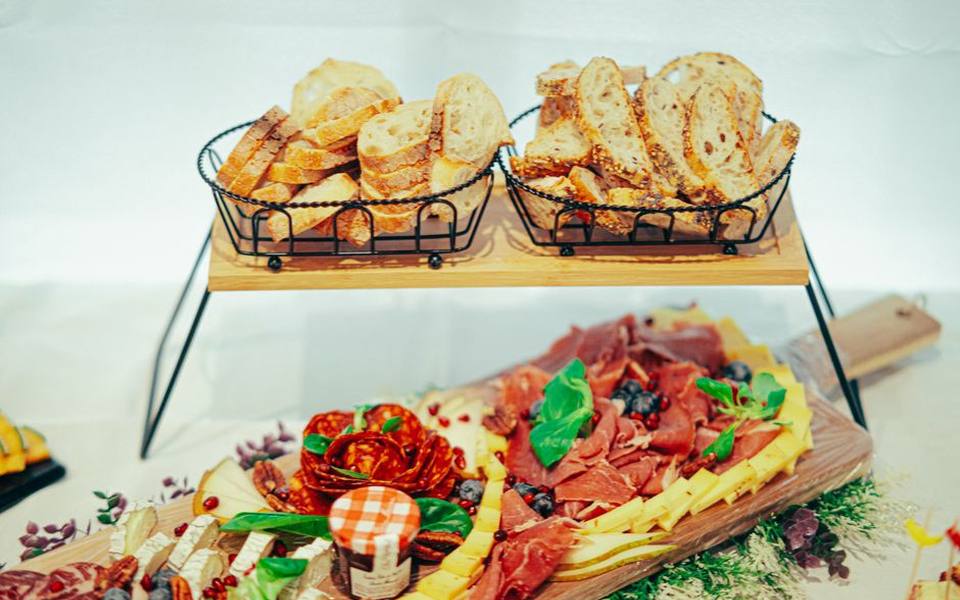
Visiting tasting rooms in popular growing corridors allows wine lovers to explore how thoughtfully assembled food boards interact directly with distinct estate cuvées. Many travelers seek out dedicated wineries with food on site to avoid tasting high-alcohol pours on an empty stomach while learning regional pairing traditions firsthand. Tasting room staff typically organize board components to guide visitors through contrasting flavor profiles, matching mild artisan wedges with light starters before shifting to pungent selections for bolder finishes.
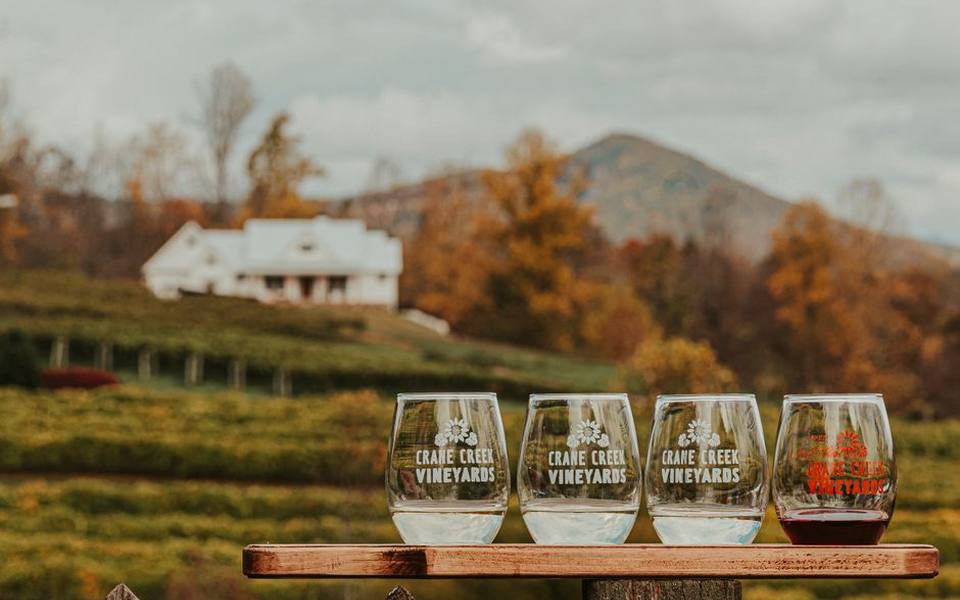
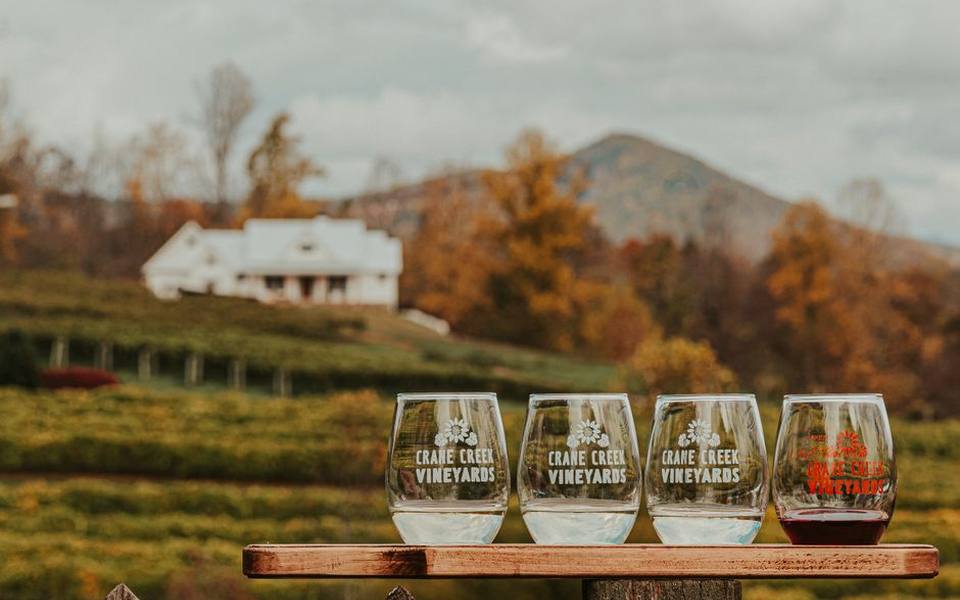
Ordering guided wine tasting flights provides the most instructive method for testing your palate against different food textures. When sampling multiple glasses in sequence, sip the wine on its own first, take a modest bite of cheese or charcuterie, and then take a second sip while the food flavors linger on your tongue. Notice whether the wine's acidity feels sharper or rounder, whether hidden fruit aromatics step forward, and whether heavy tannins soften under the influence of savory milk fats.
To keep your sensory evaluation sharp throughout an afternoon visit, practice simple palate maintenance between different pairings and flight pours. Drink plenty of flat water, take advantage of unsalted water crackers or plain bread to reset your taste receptors, and avoid overly spicy mustard or heavily pickled condiments that can desensitize your tongue. Pacing yourself thoughtfully ensures that the nuances of biodynamic, organic, or specialty kosher pours remain fully distinct throughout your excursion.
Electric vehicle charging while visiting wine country
As electric vehicles become increasingly common for weekend road trips, drivers heading out to rural viticultural valleys frequently wonder about destination charging availability. Whether EV charging is free at a winery depends entirely on individual property policies, location logistics, and network affiliations. Many agricultural estates install destination chargers as an added amenity to attract visitors, offering complimentary Level 2 charging while patrons participate in seated tastings, cellar walkthroughs, or scheduled winery tours.

Other winery locations partner with established national commercial charging networks, requiring guests to activate stalls through dedicated smartphone apps or standard tap-to-pay credit cards. At these paid stations, billing typically calculates per kilowatt-hour consumed or operates on a simple hourly parking rate designed to discourage vehicles from lingering after battery replenishment is complete. Checking the winery website or community charging apps before heading out ensures you know whether to expect free juice, standard utility rates, or member access codes.
The charging speeds available in scenic vineyard regions are overwhelmingly Level 2 connections, utilizing two-hundred-and-forty-volt circuits that deliver roughly twenty to thirty miles of driving range per hour plugged in. This charging pace aligns well with the typical two-hour vineyard visit, providing ample reserve to return comfortably to your hotel or reach a major highway corridor. True DC fast chargers remain relatively rare directly on vineyard grounds due to rural electrical grid constraints, though regional transit hubs nearby increasingly offer rapid charging banks.
Protecting and serving sensitive low-intervention bottles
Low-intervention bottles, particularly natural, organic, and biodynamic wines made without added sulfites, require conscientious handling once brought home from retail shelves or winery visits. Because these selections possess minimal protective chemicals, they are significantly more sensitive to sudden temperature spikes, prolonged light exposure, and persistent physical vibration. Keeping these fragile bottles safely tucked away at a stable 55 degrees inside a dark cooler ensures their living microbial profile remains stable and prevents premature re-fermentation or early souring.
When opening organically grown or biodynamic wines, be prepared for subtle reductive aromas, often characterized by faint notes of struck match or wet stones, immediately upon uncorking. Because organic cellars work with reduced sulfur additions, winemakers often bottle under slightly reductive conditions to shield the liquid naturally from ambient oxygen. Rather than viewing this as a flaw, simply splash the wine gently into a clean glass decanter for twenty to thirty minutes, allowing fresh air to dissipate the reductive compounds and unlock aromatic fruit.
Once unsealed, low-sulfite bottles generally evolve much faster than conventional commercial wines loaded with artificial stabilizers. While a standard preservative-heavy red might hold up nicely on a kitchen counter for three or four days, an organic bottle without added sulfites should typically be enjoyed within twenty-four to forty-eight hours of opening. Seal remaining wine tightly, store the bottle inside your standard refrigerator to suppress rapid oxidation, and bring it back toward cellar temperature shortly before serving your next evening glass.
Published 2026-09-20 · reviewed with each rebuild, last September 2026.
Find wineries near you
The directory lists 14,608 wineries by state and city — pick your state or use the “Near me” button in the header.
More guides
-
 Service
How to Become a Sommelier: Career Paths, Tasting Technique, and Practical Service
-
 Service
What to Wear to a Winery: Practical Outfits, Etiquette, and Food Pairings
-
 Owning
The Ultimate Wine and Food Pairing Guide: From Cheese to Desserts
-
 Buying
A Guide to Ordering Wine Online and Purchasing Bulk Alcohol for Events
-
 Buying
The Chemistry of Wine Fermentation: Yeast Roles, Malolactic Conversion, and Flavor Balance
-
 Buying
Understanding the Wine Sweetness Scale: From Crisp Dry to Indulgent Sweet
-
 Money
MoneyWine Tasting Costs Explained: What to Expect in Napa Valley and Beyond
-
 Owning
The Ultimate Guide to Charcuterie Boards: Styling, Pairings, and Recipes
-
 Owning
Crystal Wine Glassware Guide: Types, Brands, Care, and Stemless Styles
-
 Buying
Understanding Bold Reds: Dry Wines, Tannin Profiles, and Old Vine Zinfandels
-
 Storage
Choosing the Best Wine Fridge: Sizing, Cooling Zones, and Placement Guide
-
 Buying
Non-Alcoholic Wine Guide: Methods, Profiles, and What to Expect
-
 Buying
Personalized Wine Gifts: Custom Bottles, Engraved Glasses, and Custom Labels
-
 Owning
Essential Wine Accessories: Openers, Preservation Systems, Decanters, and Storage
-
 Buying
White and Rosé Wines: From Crisp Whites to Dry Rosés and Late Harvest Riesling
-
 Buying
Food and Wine Pairing Guide: Salmon, Turkey, Ham, Lamb, and Lasagna
-
 Buying
Large Format Wine Bottles: Magnums, Jeroboams, and Champagne Sizes Explained
-
 Service
Farm Wineries, Agritourism, and Sustainable Vineyard Experiences Across America
-
 Owning
Wine and Food Pairing Guide: Charcuterie Boards, Cheeses, and Dinner Courses
-
 Buying
Specialty Wines, Modern Cellar Styles, and Buying Smart Online
-
 Owning
Planning Memorable Vineyard Visits, Historic Estates, and Tasting Room Escapes
-
 Buying
Sweet and Refreshing White Wines: A Guide to Styles, Grapes, and Tasting Profiles
-
 Service
Cooking with Wine and the Practical Art of Culinary Pairings
-
 Owning
Luxury Glassware and Crystal Stemware: A Guide to Vintage Patterns, Modern Makers, and Care
-
 Storage
Modern Wine Refrigerators and Coolers: Sizing, Placement, and Everyday Performance
-
 Service
Winery & Vineyard Weddings: Venues, Planning, and Event Etiquette
-
 Owning
Electric Wine Openers, Vacuum Stoppers, and Preservation Systems: A Complete Guide
-
 Safety
Traveling with Wine: Suitcases, Luggage Bags, and Airline Rules
-
 Buying
Red Wine Varietals Explained: Malbec, Cabernet, Merlot, and Zinfandel
-
 Owning
Artisan Charcuterie Boards and Wine Party Snack Styling Guide
-
 Buying
Finding and Repurposing Used Oak Wine Barrels for Home and Garden
-
 Buying
Garlic Infused and Extra Virgin Olive Oils: Flavors, Brands, and Culinary Uses
-
 Buying
US Wine Trails and Estate Wineries: Scenic Routes and Destination Guide
-
 Buying
Crystal Wine Glasses, Fine Stemware, and Barware Accessories Guide
-
 Service
The Complete Guide to Winery Visits: Tastings, Vineyard Tours, and Visitor Experiences
-
 Owning
Pairing Wine with Charcuterie, Cheeses, and Seasonal Dinners
-
 Buying
Wine Glassware, Decanters, and Accessories Buyer Guide
-
 Storage
Home Wine Storage, Refrigeration, and Cellar Inventory Guide
-
 Buying
Winery Tours, Tasting Room Experiences, and Vineyard Weddings