How Modern Wine Openers Compare to Traditional Corkscrews
Opening a bottle of wine used to require either a pocket waiter's corkscrew, a winged metal puller, or substantial forearm strength. While traditional corkscrews remain the gold standard among sommeliers due to their compact size and tactile feedback, motorized alternatives have established a firm place in everyday home kitchens. Modern openers are designed to remove stubborn synthetic closures and delicate natural corks with a single button press, eliminating the risk of shredded cork floating in your glass.
Choosing between a mechanical lever and a motorized device generally comes down to frequency of use, physical comfort, and counter space. Traditional double-hinged keys are inexpensive and practically indestructible, but they can prove frustrating for anyone dealing with joint stiffness or opening dozens of bottles for a large family gathering. Motorized devices handle the alignment and extraction automatically, reducing physical strain to nearly zero.
Beyond simply extracting the cork, the broader ecosystem of wine accessories now focuses heavily on what happens before and after the cork leaves the neck. From motorized extractors to specialized preservation tools, today's consumer can easily replicate tasting room dispensing methods right at home. Understanding the mechanical differences helps ensure you invest in tools that match your regular pouring habits rather than gadgets that simply gather dust in a drawer.
Battery-Operated Openers Versus Rechargeable Models
If you decide to switch to an automated corkscrew, you will quickly encounter two primary designs: units powered by standard replaceable alkaline batteries and those featuring built-in rechargeable lithium-ion cells. A battery operated wine bottle opener typically runs on four AA batteries housed inside the top handle. These models are portable, lightweight, and never require a dedicated charging base, making them ideal for picnics, camping trips, or patio dining.
The primary drawback of a battery operated wine opener is power fade over time. As alkaline cells lose their charge, the internal motor spins slower and can struggle against tight-fitting synthetic closures. If you only open one or two bottles a week, a set of quality alkaline batteries might easily last several months. However, heavy users often find themselves swapping out batteries more often than they would prefer, which creates unnecessary household waste.
A rechargeable wine opener eliminates disposable batteries by resting on a countertop charging dock or plugging directly into a standard USB wall adapter. These units consistently deliver maximum torque because their internal battery stays topped up between uses. While they occupy a small footprint on your kitchen counter, the continuous power makes pulling stubborn corks effortless, even on dense young red wines brought home from local vineyards.
Evaluating Kitchen Brand Openers and Complete Gift Sets
Major kitchen appliance manufacturers have made automated wine tools mainstream fixtures on wedding registries and holiday wish lists. A dedicated countertop unit like a Cuisinart wine opener appeals to homeowners because it matches existing stainless steel appliances and comes backed by familiar consumer warranties. These cordless wine opener designs usually feature a brushed metallic housing, a downward-facing LED work light, and a dedicated reversing switch to eject the pulled cork cleanly.
Many buyers opt for a bundled electric wine set rather than purchasing a standalone motor. These all-in-one packages usually include a foil cutter, a drip-free aerator pour spout, and one or two basic sealing plugs. The foil cutter is especially useful, as using a dull knife blade to remove metal capsules can leave jagged edges that compromise the seal of a motorized puller or cause accidental cuts.
When evaluating complete boxed sets, inspect the build quality of the internal worm rather than just the exterior finish. A non-stick coated spiral worm causes less friction against natural bark cork than a bare metal screw. It is also wise to check whether replacement spirals are available, as dropping a motorized unit onto tile can bend the drive shaft, rendering the entire motor assembly useless.
Vacuum Wine Sealers and Rubber Stopper Mechanics
Once a bottle is uncorked, oxygen immediately begins interacting with the wine. While initial contact opens up tightly wound aromas, prolonged exposure turns fresh fruit flavors dull, flat, and eventually vinegary. A wine vacuum sealer is the most common first line of defense for home drinkers who want to stretch an open bottle across three or four days without noticeable flavor degradation.
The standard vacuum system relies on durable rubber valves, such as classic Vacu Vin wine stoppers, paired with a handheld extraction pump. You insert the stopper firmly into the bottle neck, place the pump barrel over the central valve, and draw the handle upward repeatedly until the pump clicks or resists your pull. This physical suction evacuates the ambient air pocket inside the headspace, slowing down the rate of chemical oxidation.
While vacuum pumps are simple and cost-effective, they do not create a complete laboratory vacuum. Removing too much air can occasionally pull volatile aromatic compounds out of delicate, aged pinot noir or vintage chardonnay. For everyday table wines, however, vacuum stoppers provide an affordable, reliable way to keep whites and reds tasting vibrant throughout the workweek.
Inert Gas Systems and Needle Dispensing Technology
For serious collectors and slow sippers, standard vacuum tools fall short of true long-term preservation. This limitation gave rise to argon-based dispensing devices, most notably systems like the Coravin Timeless line. Instead of pulling the cork, these devices pass a micro-thin medical-grade needle directly through the natural closure, pressurizing the bottle with pure, food-grade argon gas to siphon wine through an internal spout.
Because argon is roughly two and a half times heavier than air, it settles directly on top of the liquid surface, creating an impenetrable blanket that blocks all oxygen. When you withdraw the needle, the natural elasticity of cork bark causes the hole to expand and reseal itself completely within minutes. This allows you to sample a single ounce of a rare vintage today and return to the rest of the bottle months or even years later.
The trade-off for this immaculate preservation is ongoing operating cost and closure compatibility. Argon gas cartridges must be purchased periodically, adding a slight expense to every glass dispensed. Furthermore, needle-based argon tools only function properly with natural bark or technical agglomerated corks; synthetic plastic closures do not reseal, and screw caps require specialized silicone membrane adapters to prevent gas leaks.
Managing Bottles Brought Home from Vineyard Excursions
Many wine enthusiasts invest in better cellar tools after spending an afternoon exploring production regions and building a personal collection. Travelers frequenting Wineries in California or touring scenic hillsides at Wineries in Oregon often purchase small-batch, unfiltered bottles that behave quite differently than mass-market grocery wines.
Boutique bottles frequently contain lower levels of added sulfites, meaning they can turn volatile much faster once exposed to ambient air. Visiting Wineries with Tastings gives you a direct preview of a wine at peak balance, which makes preserving that exact aromatic profile at home especially important. Using a reliable argon device or vacuum stopper ensures that a special bottle uncorked on a Tuesday retains its original nuance through the weekend.
Cellar management also involves recognizing which closures benefit from breathing and which require immediate shielding. Big, tannic reds may benefit from two hours of open exposure before you seal the bottle overnight in the refrigerator. Lighter aromatic whites, by contrast, should be pumped down or argon-blanketed the moment you finish your initial pour to trap citrus and floral esters.
Temperature Stability and Insulated Drinkware Outdoors
Enjoying a fine bottle does not always happen around an indoor dining table. Warm summer afternoons frequently draw wine lovers out to back decks, poolside lounges, and local vineyard lawns. The rise of insulated drinkware, popularized by products like the Corkcicle wine tumbler, has changed how casual drinkers maintain optimal serving temperatures in hot weather.
Standard crystal stemware transmits ambient heat quickly, warming chilled sauvignon blanc or crisp dry rosé to room temperature within minutes under direct sunlight. A vacuum-insulated, triple-walled stainless steel tumbler isolates the liquid from outside warmth, keeping whites crisp and preventing reds from tasting hot and alcoholic. Visiting Wineries with Outdoor Seating often reveals just how fast a glass can warm up without adequate thermal protection.
Modern travel tumblers also feature shatterproof acrylic lids with silicone gaskets, which guard against spills and keep outdoor pests away from sweet dessert wines. While purists may prefer thin glass rims for formal indoor tastings, durable insulated cups provide unmatched practicality when relaxing outdoors with friends, whether on your home patio or during a weekend vineyard concert.
Responsible Disposal and Natural Cork Recycling Programs
As your collection grows and empty bottles accumulate, dealing with the resulting closures becomes an environmental consideration. While glass bottles are accepted in virtually every curbside municipal recycling stream, natural closures cannot simply be tossed into standard recycling bins because they jam sorting machinery at processing facilities.
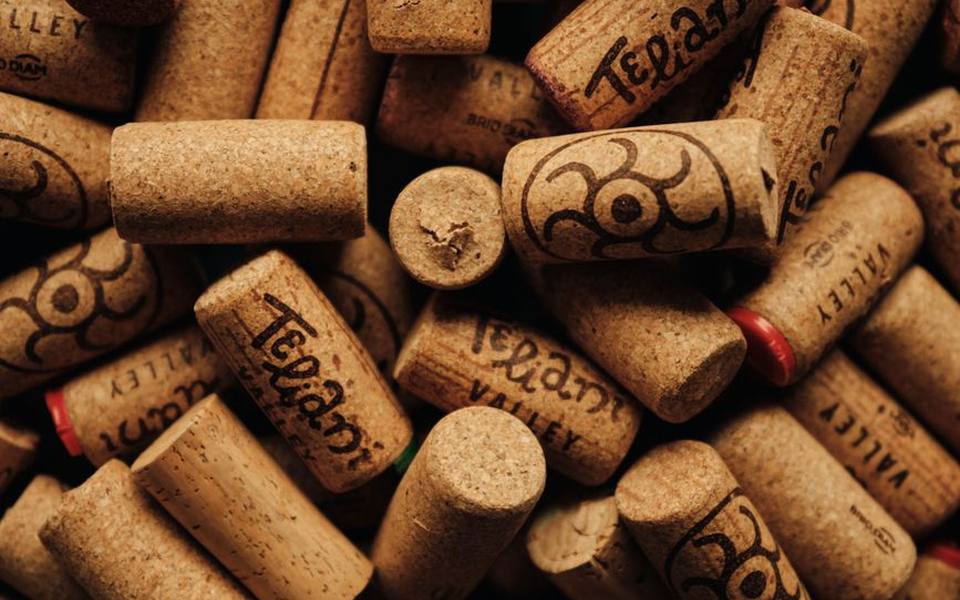
Participating in a cork recycle program gives natural bark closures a valuable second life as footwear footbeds, yoga blocks, bulletin boards, and soundproof flooring. Organizations like ReCORK partner with independent wine shops, tasting rooms, and grocery retailers across the country to maintain convenient drop-off collection boxes. Because cork oak bark is a naturally renewable resource harvested without cutting down trees, repurposing used plugs keeps valuable organic material out of regional landfills.
Before depositing closures into a collection bin, take a moment to sort your stash. Synthetic plastic cylinders, silicone plugs, and sparkling wine wire cages cannot be recycled alongside natural bark. Keep a simple glass jar on your bar counter to collect genuine natural corks until you have enough to drop off during your next trip to the store.
Maintenance, Cleaning, and Long-Term Durability
No matter which preservation or extraction gadgets you select, routine maintenance determines how many seasons your equipment will survive. A motorized corkscrew rarely requires deep cleaning, but you should periodically wipe down the clear plastic worm housing with a damp microfiber cloth to remove sticky wine splatters. Never submerge an electric or battery-powered tool in water, as moisture will instantly corrode the motor and circuit board.
Vacuum pumps require very little attention, but their matching stoppers should be washed regularly in warm water to clear sugary residue from the internal flapper valve. If a rubber stopper stops holding suction overnight, soaking it in warm water with a mild drop of dish soap usually dissolves dried wine solids and restores an airtight seal.
For needle-based argon dispensing systems, regular maintenance is mandatory. The hollow needle should be cleared of microscopic cork dust by dispensing a brief burst of gas after every few uses. If wine residue builds up inside the spout, soaking the removable nozzle assembly in warm water prevents clogs and ensures smooth, laminar pouring for years to come.
Matching the Right Wine Tools to Your Household Habits
Selecting the right combination of openers and preservation gear comes down to an honest assessment of your drinking frequency, budget, and bottle preferences. If you routinely finish bottles with friends in a single evening, a simple cordless rechargeable corkscrew paired with basic vacuum stoppers provides all the convenience you will ever need at a modest price point.
Solo drinkers who enjoy sampling premium allocations across multiple weeks will find that an argon-based needle system pays for itself by eliminating discarded, spoiled wine. Enthusiasts who regularly book Wineries and Tasting Rooms Offering Wine Tasting Flights often appreciate having similar flexibility at home, allowing them to compare two or three different varietals side-by-side without committing to consuming every opened bottle.
Ultimately, the best tools are the ones that remove friction from enjoying your wine. Whether that means a push-button motor that saves your wrists, an insulated tumbler that protects chilled wine outdoors, or an argon blanket that keeps vintage bottles pristine, building the right home bar kit ensures every glass pours exactly as the winemaker intended.
Published 2026-09-21 · reviewed with each rebuild, last September 2026.
Find wineries near you
The directory lists 14,608 wineries by state and city — pick your state or use the “Near me” button in the header.
More guides
-
 Service
How to Become a Sommelier: Career Paths, Tasting Technique, and Practical Service
-
 Service
What to Wear to a Winery: Practical Outfits, Etiquette, and Food Pairings
-
 Owning
The Ultimate Wine and Food Pairing Guide: From Cheese to Desserts
-
 Buying
Understanding Kosher, Organic, and Biodynamic Wines: Production, Storage, and Pairings
-
 Buying
A Guide to Ordering Wine Online and Purchasing Bulk Alcohol for Events
-
 Buying
The Chemistry of Wine Fermentation: Yeast Roles, Malolactic Conversion, and Flavor Balance
-
 Buying
Understanding the Wine Sweetness Scale: From Crisp Dry to Indulgent Sweet
-
 Money
MoneyWine Tasting Costs Explained: What to Expect in Napa Valley and Beyond
-
 Owning
The Ultimate Guide to Charcuterie Boards: Styling, Pairings, and Recipes
-
 Owning
Crystal Wine Glassware Guide: Types, Brands, Care, and Stemless Styles
-
 Buying
Understanding Bold Reds: Dry Wines, Tannin Profiles, and Old Vine Zinfandels
-
 Storage
Choosing the Best Wine Fridge: Sizing, Cooling Zones, and Placement Guide
-
 Buying
Non-Alcoholic Wine Guide: Methods, Profiles, and What to Expect
-
 Buying
Personalized Wine Gifts: Custom Bottles, Engraved Glasses, and Custom Labels
-
 Owning
Essential Wine Accessories: Openers, Preservation Systems, Decanters, and Storage
-
 Buying
White and Rosé Wines: From Crisp Whites to Dry Rosés and Late Harvest Riesling
-
 Buying
Food and Wine Pairing Guide: Salmon, Turkey, Ham, Lamb, and Lasagna
-
 Buying
Large Format Wine Bottles: Magnums, Jeroboams, and Champagne Sizes Explained
-
 Service
Farm Wineries, Agritourism, and Sustainable Vineyard Experiences Across America
-
 Owning
Wine and Food Pairing Guide: Charcuterie Boards, Cheeses, and Dinner Courses
-
 Buying
Specialty Wines, Modern Cellar Styles, and Buying Smart Online
-
 Owning
Planning Memorable Vineyard Visits, Historic Estates, and Tasting Room Escapes
-
 Buying
Sweet and Refreshing White Wines: A Guide to Styles, Grapes, and Tasting Profiles
-
 Service
Cooking with Wine and the Practical Art of Culinary Pairings
-
 Owning
Luxury Glassware and Crystal Stemware: A Guide to Vintage Patterns, Modern Makers, and Care
-
 Storage
Modern Wine Refrigerators and Coolers: Sizing, Placement, and Everyday Performance
-
 Service
Winery & Vineyard Weddings: Venues, Planning, and Event Etiquette
-
 Safety
Traveling with Wine: Suitcases, Luggage Bags, and Airline Rules
-
 Buying
Red Wine Varietals Explained: Malbec, Cabernet, Merlot, and Zinfandel
-
 Owning
Artisan Charcuterie Boards and Wine Party Snack Styling Guide
-
 Buying
Finding and Repurposing Used Oak Wine Barrels for Home and Garden
-
 Buying
Garlic Infused and Extra Virgin Olive Oils: Flavors, Brands, and Culinary Uses
-
 Buying
US Wine Trails and Estate Wineries: Scenic Routes and Destination Guide
-
 Buying
Crystal Wine Glasses, Fine Stemware, and Barware Accessories Guide
-
 Service
The Complete Guide to Winery Visits: Tastings, Vineyard Tours, and Visitor Experiences
-
 Owning
Pairing Wine with Charcuterie, Cheeses, and Seasonal Dinners
-
 Buying
Wine Glassware, Decanters, and Accessories Buyer Guide
-
 Storage
Home Wine Storage, Refrigeration, and Cellar Inventory Guide
-
 Buying
Winery Tours, Tasting Room Experiences, and Vineyard Weddings