Navigating the Tasting Room Experience and Wine Pour Sizes
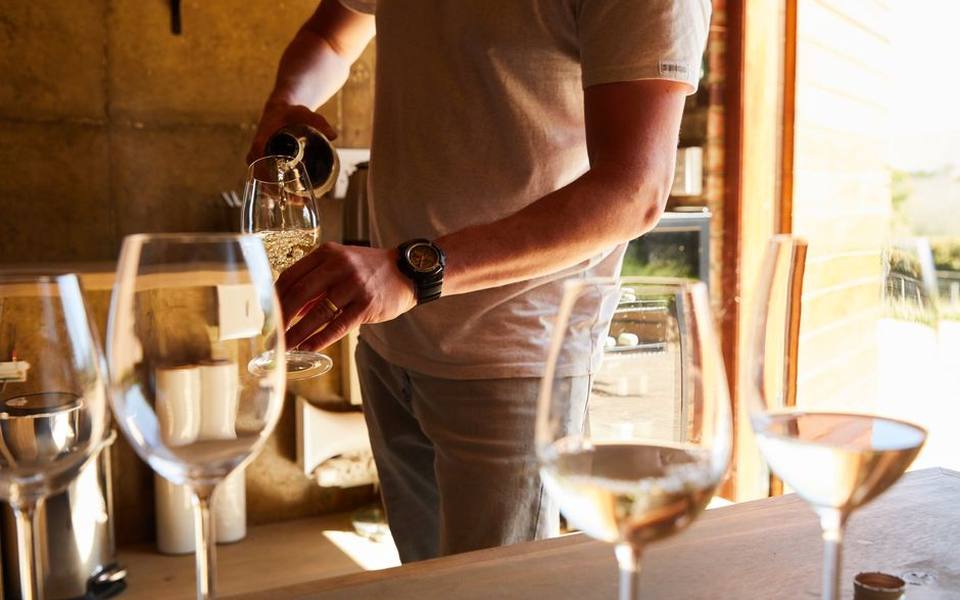
Walking into a commercial tasting room can feel slightly intimidating if you do not know what to expect at the bar. Most facilities operate on an organized flight system where guests sample a curated progression of whites, rosés, and reds. Understanding standard wine pour sizes helps you pace your consumption and gauge overall value. In typical tasting rooms, an individual tasting pour ranges between one and two ounces, which provides enough volume to evaluate clarity, aroma, and mouthfeel without overwhelming your palate.
A standard tasting flight usually features four to six distinct wines, totaling roughly five to six ounces across the session. This cumulative volume equals approximately one standard glass of wine served at a typical restaurant. Bartenders pour each sample deliberately, giving visitors time to swirl, sniff, sip, and discuss the profile before moving to the next vintage. When exploring destinations with wine tasting flights, you can often choose between estate-grown selections, reserve labels, or sweeter blends depending on personal preference.
If you find an expression you particularly enjoy, many operations allow you to purchase a full five-ounce glass or buy bottles to take home. Pacing remains essential throughout your visit, especially when visiting multiple properties in an afternoon. Utilizing the dump buckets on the counter is standard etiquette and never offends the tasting staff. Experienced tasters frequently spit or pour out remainder wine to maintain sensory sharpness throughout the day.
Touring Pinot Noir Vineyards and Cool-Climate Terroirs
Exploring a dedicated pinot noir vineyard provides unique insight into how microclimates and soil compositions shape delicate grape varietals. Pinot Noir is notorious among growers for its thin skins, tight clusters, and sensitivity to weather fluctuations. To thrive, these vines generally require temperate daytime heat followed by cooling evening marine breezes or coastal fog. These environmental shifts preserve high natural acidity while allowing aromatic compounds to develop slowly across an extended growing season.
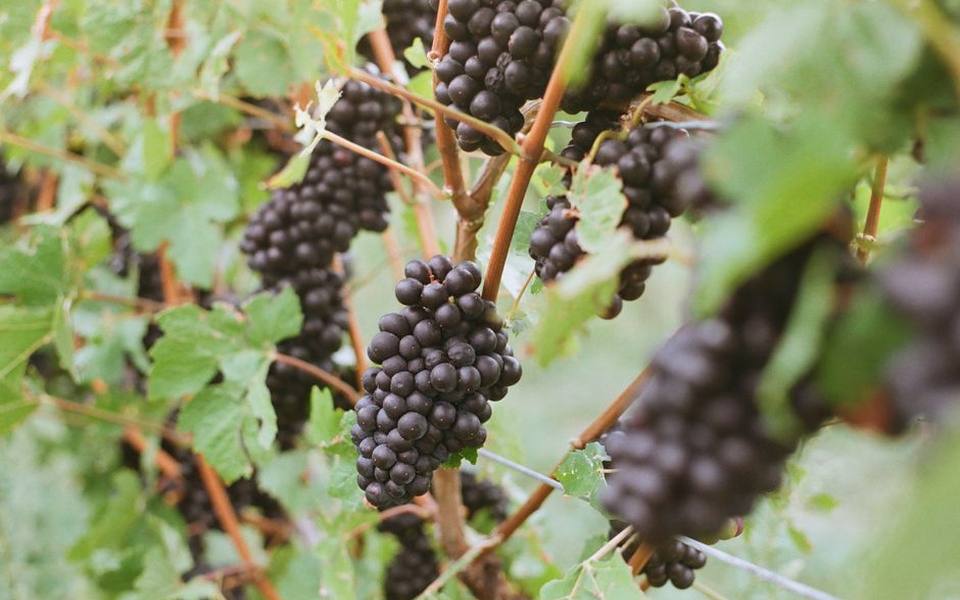
Walking the vine rows during a guided tour reveals the rigorous viticultural management needed to produce premium fruit. Vineyard managers typically spend spring and summer canopy-pruning, leaf-pulling, and cluster-thinning to ensure optimal sunlight penetration and airflow around the fruit zone. Regions with significant cool-climate plantings, such as the renowned estates found across Oregon wineries, illustrate how subtle slope elevation changes and ancient volcanic soils dramatically influence red berry and forest-floor notes in the glass.
A comprehensive vineyard walkthrough also highlights sustainable farming practices, including cover cropping, organic soil enrichment, and owl boxes for natural pest control. Seeing the physical vines before tasting their output creates a deeper appreciation for the vintage variations printed on each bottle. Seasonal timing alters the visit considerably: spring showcases bud break, midsummer displays green fruit thinning, and early autumn brings the energy of harvest.
Cellar Tours and the Tradition of Deep Oak Maturation
Subterranean barrel halls and cellar caves offer visitors a behind-the-scenes view of aging science and atmospheric control. The calm, cool conditions of a cellar regulate evaporation rates, preventing barrels from drying out and minimizing unnecessary oxidation. Walking past rows of stacked French and American oak barrels illustrates the significant financial investment wineries make to impart structure, vanilla aromatics, and polished tannins into their flagship red wines.
The historical foundation of cellar aging is famously epitomized by the world-renowned port wine cellars of Vila Nova de Gaia in Portugal, where fortified wines have matured inside massive wooden casks for centuries under consistent Atlantic coastal humidity. Modern American facilities often emulate these time-tested temperature gradients using natural hillside caves or heavily insulated concrete cellars. During thorough winery tours, production staff frequently explain how barrel size, oak grain tightness, and wood toast levels interact over twelve to twenty-four months.
Many cellar visits incorporate exclusive barrel tastings, where guides draw unfinished wine directly from the bung using a glass wine thief. Tasting wine mid-maturation provides a striking contrast between raw fruit tannins and the integrated smoothness found in finished, bottled releases. Cellar temperatures typically hover around fifty-five to sixty degrees Fahrenheit year-round, so bringing a light jacket or sweater is advisable even in peak summer.
Group Travel Logistics and Booking a Wine Bus
Coordinating group transportation makes exploring regional wine corridors significantly safer and more enjoyable for everyone involved. Reserving a private or hop-on wine bus eliminates the stress of assigning a designated driver and dealing with unfamiliar rural roads. These chartered services can accommodate small family reunions or large celebrations, transporting passengers smoothly between scheduled appointments while keeping the group together throughout the day.
Proper planning is critical when traveling with a bus tour because most tasting rooms enforce strict policies regarding large parties. Spontaneous drop-ins by twenty-passenger vehicles can quickly overwhelm tasting room staff and disrupt reservations for other patrons. Wineries typically require groups larger than six or eight people to book dedicated group tastings weeks in advance, frequently requesting advance payment for tasting flights and charcuterie platters.
A successful bus excursion hinges on setting a relaxed, realistic itinerary rather than rushing through four or five different stops. Limiting the day to two or three carefully selected properties allows ample time for cellar tours, unhurried tastings, and a leisurely lunch. Always confirm the bus company's policies regarding onboard beverage storage, coolers, and pickup windows before finalizing your contract.
Agritourism Destinations and Family Estate Vineyards
Not every winery visit centers entirely around hushed cellar rooms and technical vintage analyses; many operations thrive by blending viticulture with broader agritourism. Multi-generational properties like Harbes Vineyard on Long Island's North Fork demonstrate how working farm heritage, apple orchards, and estate vineyard rows can coexist successfully. These hybrid estates appeal widely to day-trippers seeking a relaxed country atmosphere alongside locally produced wines.
Visiting family-run agricultural vineyards allows guests to experience regional farming culture firsthand while sampling wines rooted in unique local conditions. Many of the historic properties featured among New York wineries offer farm-to-table snacks, seasonal fruit harvests, and spacious outdoor seating overlooking open acreage. This relaxed setup is particularly appealing for visitors who prefer accessible entry-level tastings over high-pressure sales environments.
When visiting farm-forward vineyards, expect casual tasting service where flights or glasses can be carried out into open picnic groves. It remains helpful to check property guidelines in advance regarding outside food, child-friendly zones, and seasonal event schedules. Peak autumn weekends can attract large crowds, making weekday mornings or early summer afternoons the quietest windows for an unhurried visit.
Hosting an Interactive Blind Tasting Party at Home
Organizing a blind tasting party is one of the most engaging ways to sharpen sensory perception and strip away preconceived brand biases. In a blind format, participants evaluate wines purely on sight, aroma, and palate dynamics without knowing the producer, region, or price point. This interactive setup levels the playing field for beginners and seasoned enthusiasts alike, transforming an ordinary social evening into a fun sensory experiment.
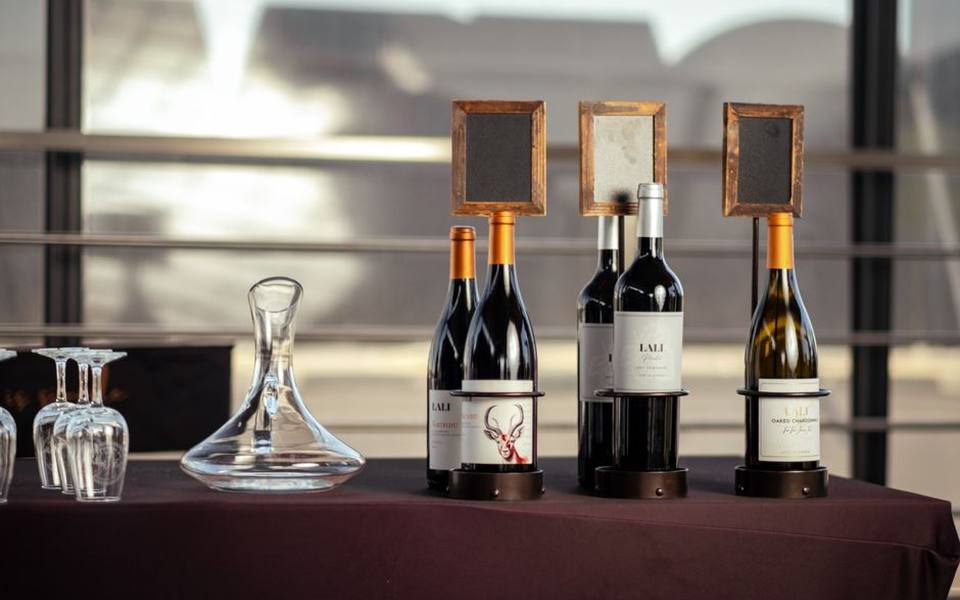
Preparing the bottles requires careful concealment ahead of your guests' arrival. Wrap each bottle in aluminum foil, slide it into an opaque velvet sleeve, or place it inside a numbered brown paper bag, securing the neck with a rubber band. Ensure that bottle shapes do not reveal obvious clues—such as the distinct sloping shoulders of standard Pinot Noir vessels—or decant all selections into identical numbered glass carafes for complete visual neutrality.
Keep the flight focused around a unifying theme to make comparisons meaningful. You might compare five Cabernet Sauvignons from different price brackets, contrast cool-climate vs. warm-climate Chardonnays, or sample everyday value blends alongside cellar-worthy classics. Provide plenty of fresh water, spit cups, plain water crackers, and fresh glassware so palates stay cleansed and refreshed between rounds.
How to Use a Blind Tasting Sheet for Sensory Evaluation
A structured blind tasting sheet gives tasters a methodical framework to record observations, compare notes, and make educated deductions. Most standard sheets divide evaluation into four sequential stages: appearance, aroma, palate structure, and overall conclusion. Breaking the evaluation into standardized steps prevents tasters from jumping immediately to conclusions before analyzing the fundamental components in the glass.
Under appearance, tasters record color hue, rim variation, and clarity, which often hint at grape varietal, age, and extraction levels. The aroma section prompts notes on primary fruit characteristics, floral tones, herbal nuances, and oak influence such as vanilla or cedar. Moving to the palate, tasters evaluate sweetness, acidity levels, tannin astringency, alcohol warmth, and overall body balance before judging the length of the finish.
The conclusion section allows tasters to guess the varietal, climate, country of origin, and price tier based on gathered clues. Comparing completed sheets at the end of the evening sparks lively conversation and demonstrates how subjective sensory perception can be. It often reveals that affordable, balanced wines score just as highly as expensive cellar bottles when prestige labels are removed from sight.
Planning Vineyard Weddings Across Forest and Coastal Estates
Vineyard weddings have grown exceptionally popular for couples seeking romantic outdoor scenery, historic architecture, and built-in hospitality services. The physical landscape sets the tone for the entire event, from wooded, intimate settings to expansive coastal grounds. Couples drawn to serene, mossy evergreen surroundings often look to the Pacific Northwest, where secluded spots reminiscent of a JM Cellars wedding in Woodinville provide lush canopy shade and rustic stone patios.
Conversely, couples seeking maritime breezes and sprawling pasture aesthetics frequently gravitate toward coastal properties, such as those hosting Willow Creek Winery weddings near Cape May. These varied environments provide stunning photographic backdrops, but each brings distinct weather considerations, permitting rules, and noise curfews. Coastal venues require backup planning for humidity and evening sea winds, while wooded, mountainous properties must consider shifting mountain temperatures and early dusk lighting.
Logistically, vineyard wedding contracts require careful scrutiny regarding catering, exclusive wine usage, and outside vendor access. Wineries typically require couples to serve estate-produced wines, which may involve minimum case purchase quotas alongside venue rental fees. When planning an event in premier regions like Washington wineries, ensure guest shuttle options are arranged, as many rural vineyard roads lack public rideshare availability late at night.
Special Events and Holiday Dining at Winery Venues
Many established wineries expand beyond everyday tastings by offering seasonal culinary gatherings, winemaker dinners, and celebratory holiday galas. These special occasions pair museum-release bottles with multi-course menus crafted to showcase seasonal regional ingredients. Holiday celebrations, such as a Cooper's Hawk New Year's Eve dining experience or traditional harvest feasts, combine festive hospitality with focused wine education in an upscale restaurant setting.
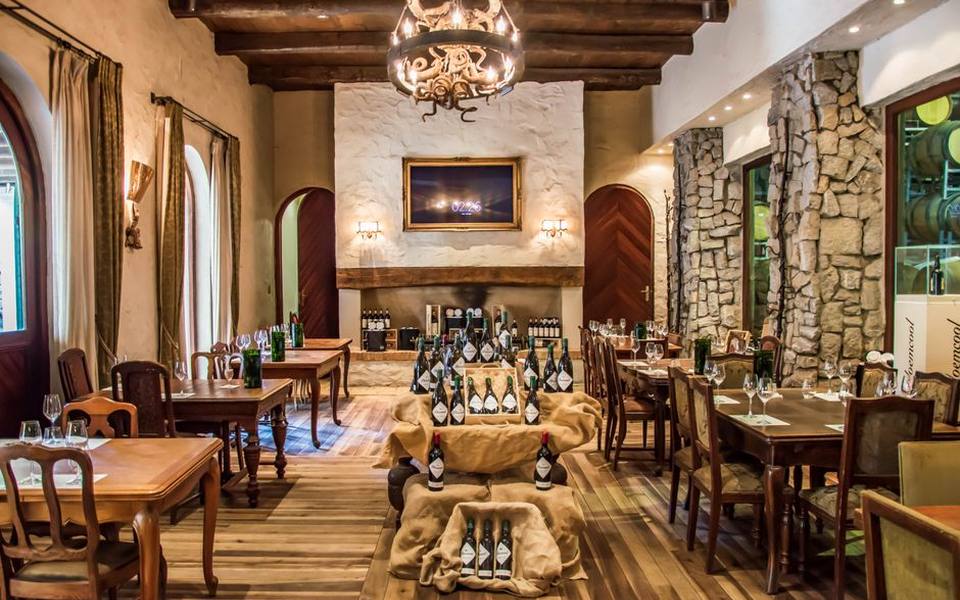
Participating in a winery-hosted dinner offers insight into the culinary versatility of different varietals that casual counter tastings cannot match. Executive chefs work closely with winemaking teams to design pairings where acidity cuts through rich proteins and delicate tannins harmonize with complex sauces. Guests frequently receive presentations on why specific vintages were chosen, creating a memorable dining narrative throughout the evening.
Reservations for holiday dining and special seasonal releases open months in advance and tend to book rapidly. Winery club members typically enjoy priority access and discounted ticket pricing, making club enrollment worthwhile if you frequent a specific estate. If attending a celebratory dinner, inquire about designated transportation or nearby lodging packages so you can enjoy the evening safely.
Building Seamless Itineraries for Winery Weekend Getaways
Planning successful weekend getaways wineries center on balance, pacing, and realistic geographic routing. A frequent misstep among enthusiastic travelers is scheduling too many tastings into a forty-eight-hour window, resulting in palate fatigue and travel stress. Pacing your itinerary to two, or at most three, estate stops per day ensures you have adequate time to soak in the scenery, walk the grounds, and enjoy meaningful conversations with tasting staff.
Incorporate a dedicated lunch stop midway through your day at an estate offering fresh culinary options or relaxed outdoor picnic spaces. Booking properties featuring wineries with outdoor seating provides a welcome change of pace, allowing you to sip by the glass while taking in panoramic views of rolling hills. Alternating between historic boutique producers and larger contemporary facilities provides a well-rounded perspective of the regional wine culture.
Secure lodging in a central market town or a vineyard bed-and-breakfast to minimize drive times between stops. Confirm tasting appointments and tour reservations well before traveling, as walk-in availability has become increasingly rare in major wine corridors. Finally, carry an insulated cooler in your vehicle trunk to protect purchased bottles from interior car heat while you finish your weekend explorations.
Published 2026-09-21 · reviewed with each rebuild, last September 2026.
Find wineries near you
The directory lists 14,608 wineries by state and city — pick your state or use the “Near me” button in the header.
More guides
-
 Service
How to Become a Sommelier: Career Paths, Tasting Technique, and Practical Service
-
 Service
What to Wear to a Winery: Practical Outfits, Etiquette, and Food Pairings
-
 Owning
The Ultimate Wine and Food Pairing Guide: From Cheese to Desserts
-
 Buying
Understanding Kosher, Organic, and Biodynamic Wines: Production, Storage, and Pairings
-
 Buying
A Guide to Ordering Wine Online and Purchasing Bulk Alcohol for Events
-
 Buying
The Chemistry of Wine Fermentation: Yeast Roles, Malolactic Conversion, and Flavor Balance
-
 Buying
Understanding the Wine Sweetness Scale: From Crisp Dry to Indulgent Sweet
-
 Money
MoneyWine Tasting Costs Explained: What to Expect in Napa Valley and Beyond
-
 Owning
The Ultimate Guide to Charcuterie Boards: Styling, Pairings, and Recipes
-
 Owning
Crystal Wine Glassware Guide: Types, Brands, Care, and Stemless Styles
-
 Buying
Understanding Bold Reds: Dry Wines, Tannin Profiles, and Old Vine Zinfandels
-
 Storage
Choosing the Best Wine Fridge: Sizing, Cooling Zones, and Placement Guide
-
 Buying
Non-Alcoholic Wine Guide: Methods, Profiles, and What to Expect
-
 Buying
Personalized Wine Gifts: Custom Bottles, Engraved Glasses, and Custom Labels
-
 Owning
Essential Wine Accessories: Openers, Preservation Systems, Decanters, and Storage
-
 Buying
White and Rosé Wines: From Crisp Whites to Dry Rosés and Late Harvest Riesling
-
 Buying
Food and Wine Pairing Guide: Salmon, Turkey, Ham, Lamb, and Lasagna
-
 Buying
Large Format Wine Bottles: Magnums, Jeroboams, and Champagne Sizes Explained
-
 Service
Farm Wineries, Agritourism, and Sustainable Vineyard Experiences Across America
-
 Owning
Wine and Food Pairing Guide: Charcuterie Boards, Cheeses, and Dinner Courses
-
 Buying
Specialty Wines, Modern Cellar Styles, and Buying Smart Online
-
 Owning
Planning Memorable Vineyard Visits, Historic Estates, and Tasting Room Escapes
-
 Buying
Sweet and Refreshing White Wines: A Guide to Styles, Grapes, and Tasting Profiles
-
 Service
Cooking with Wine and the Practical Art of Culinary Pairings
-
 Owning
Luxury Glassware and Crystal Stemware: A Guide to Vintage Patterns, Modern Makers, and Care
-
 Storage
Modern Wine Refrigerators and Coolers: Sizing, Placement, and Everyday Performance
-
 Service
Winery & Vineyard Weddings: Venues, Planning, and Event Etiquette
-
 Owning
Electric Wine Openers, Vacuum Stoppers, and Preservation Systems: A Complete Guide
-
 Safety
Traveling with Wine: Suitcases, Luggage Bags, and Airline Rules
-
 Buying
Red Wine Varietals Explained: Malbec, Cabernet, Merlot, and Zinfandel
-
 Owning
Artisan Charcuterie Boards and Wine Party Snack Styling Guide
-
 Buying
Finding and Repurposing Used Oak Wine Barrels for Home and Garden
-
 Buying
Garlic Infused and Extra Virgin Olive Oils: Flavors, Brands, and Culinary Uses
-
 Buying
US Wine Trails and Estate Wineries: Scenic Routes and Destination Guide
-
 Buying
Crystal Wine Glasses, Fine Stemware, and Barware Accessories Guide
-
 Service
The Complete Guide to Winery Visits: Tastings, Vineyard Tours, and Visitor Experiences
-
 Owning
Pairing Wine with Charcuterie, Cheeses, and Seasonal Dinners
-
 Buying
Wine Glassware, Decanters, and Accessories Buyer Guide
-
 Storage
Home Wine Storage, Refrigeration, and Cellar Inventory Guide