Choosing the Right Dedicated Wine Cooling Solution
A dedicated wine refrigerator protects bottled wine from the temperature swings, low humidity, and constant motor vibration typical of a standard household kitchen refrigerator. While standard kitchen refrigerators usually run below thirty-eight degrees Fahrenheit to keep perishable food safe, wine requires a more temperate environment, typically between forty-five and sixty-five degrees. Keeping bottles in an ordinary refrigerator over long periods dries out natural corks, allowing microscopic air pockets to oxidize the liquid. A dedicated cooler provides a stable microclimate tailored to aging, resting, and serving wine without subjecting fragile aromas to kitchen odors or aggressive cooling cycles.
When planning a home wine storage setup, the first consideration is whether you need simple short-term serving temperature control or long-term bottle maturation. Casual drinkers who consume bottles within a few weeks of purchase often prioritize compact dimensions and counter-friendly designs. Collectors who bring back premium vintages after visiting wineries in California require steady temperatures, UV-blocking glass, and enough vertical clearance to accommodate diverse bottle profiles. Deciding how many bottles you rotate each month will clarify whether a small countertop unit or a larger freestanding appliance fits your living space.
Another fundamental choice involves the underlying cooling mechanism, which usually splits between thermoelectric modules and traditional compressor-driven systems. Thermoelectric units run quietly without vibration, relying on an electric current passed through two dissimilar metals to transfer heat away from the interior cabinet. Compressors, similar to those found in full-sized kitchen appliances, rely on refrigerant gases and mechanical pumps to handle wide ambient temperature variations. Evaluating where the unit will sit inside your home helps determine which mechanical approach will deliver reliable cooling throughout changing seasons.
Ultra-Compact Countertop Units for Small Spaces
For apartments, condominium kitchens, or modest home bar setups, an ultra-compact six bottle wine refrigerator provides immediate temperature regulation without consuming valuable floor area. These slender appliances take up barely more room than a multi-slice toaster, making them convenient for holding everyday table reds or chilling white wines for dinner parties. Because space is at a premium, a wine fridge 6 bottle design generally arranges bottles horizontally in two or three tiers. Their small thermal mass means they recover quickly after you open the door, provided the room temperature remains relatively consistent throughout the day.
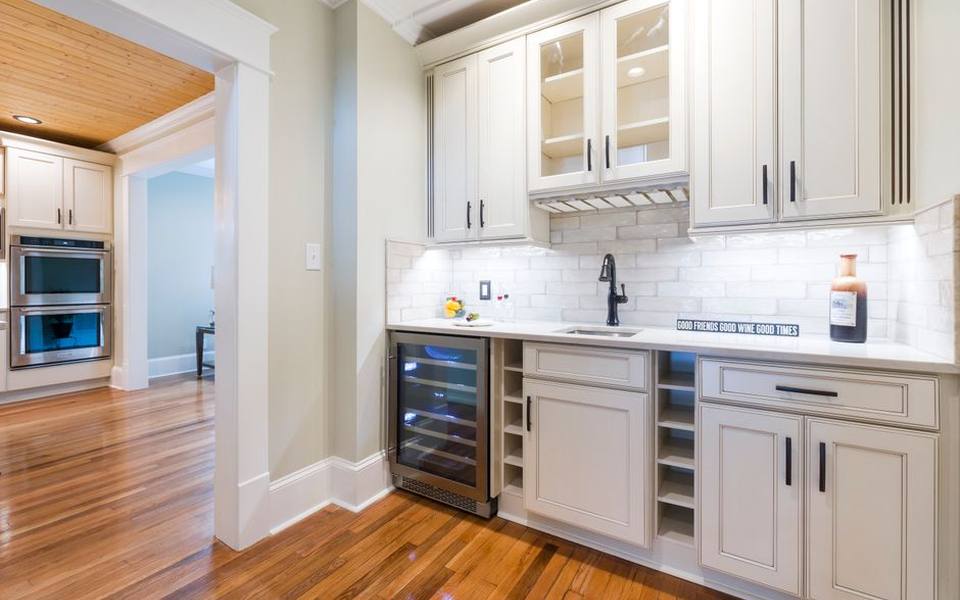
Most compact six bottle wine fridge options utilize thermoelectric cooling plates rather than heavy mechanical compressors. This construction keeps the appliance lightweight, often under twenty pounds, allowing easy relocation across countertops or dry bars. However, thermoelectric systems typically struggle when ambient room temperatures exceed seventy-five degrees, as they usually reduce the internal temperature by roughly twenty to thirty degrees below surrounding room air. Anyone placing a miniature cooler near a sunlit window or beside an active kitchen oven will notice sluggish performance and fluctuating internal climates.
Shelf architecture in small appliances requires realistic expectations regarding bottle dimensions. Standard Bordeaux bottles slide effortlessly into these compact cavities, but wider Pinot Noir, Champagne, or specialty Rhône bottles can scrape against the interior walls or jam neighboring wire racks. When choosing an entry-level countertop cooler, look for removable shelves that let you reconfigure the internal layout, even if accommodating thicker glassware temporarily reduces total storage to four bottles instead of six.
Stepping Up to Mid-Sized Counter and Tabletop Models
Stepping up to a 12 bottle wine refrigerator gives casual collectors enough capacity to hold a mixed case of cellar selections and everyday drinking bottles simultaneously. A twelve-bottle capacity represents the sweet spot for many homeowners, balancing a manageable footprint with practical inventory rotation. These units fit comfortably on sturdy credenzas, sideboards, or deep pantry shelving. Having a full dozen bottles at your fingertips makes it easy to preserve whites and reds at ideal temperatures after touring wineries with tastings during weekend road trips.
In the twelve-bottle category, manufacturers begin offering both thermoelectric cooling and miniature compressor systems. Thermoelectric variants remain whisper-quiet and vibration-free, making them exceptionally popular in open-concept living rooms, home offices, and master suites where mechanical hums become irritating. Compressor-based twelve-bottle models, on the other hand, deliver deeper cooling power and can effortlessly maintain fifty-four degrees even when summertime room temperatures climb into the eighties. The trade-off comes down to mechanical noise versus absolute cooling stability under harsh ambient conditions.
Internal rack designs in twelve-bottle cabinets frequently feature chrome-plated scalloped wire or scalloped beechwood slats. Beechwood helps absorb trace moisture and cushions glass surfaces, whereas wire racks maximize internal cubic volume to minimize the overall exterior cabinet size. Before purchasing a twelve-bottle unit, measure the depth of your planned surface, remembering to add three to four inches of breathing room behind the chassis to ensure adequate air circulation around the rear ventilation grilles.
Compact Countertop Makers and Culinary Brand Designs
Prominent culinary houseware manufacturers have expanded heavily into specialized tabletop beverage appliances, developing refined units engineered to sit alongside high-end espresso machines and blenders. A cuisinart wine cooler, for instance, frequently emphasizes brushed stainless steel trim, sleek touch-screen interfaces, and contemporary blue interior LED illumination. These countertop appliances are designed primarily with modern kitchen aesthetics in mind, ensuring they complement matching countertop gear rather than resembling generic utility boxes.
Culinary-brand coolers generally favor quiet thermoelectric assemblies calibrated for precise short-term serving temperatures. Digital touchscreens mounted on the exterior door face allow homeowners to adjust internal settings without opening the cabinet door and spilling cold air into the kitchen. Many of these models feature preset buttons that immediately jump to standard chilling thresholds: around forty-five degrees for crisp whites and sparkling selections, or fifty-five degrees for medium-to-full-bodied reds. This automated simplicity suits casual hosts who prefer practical presets over manual trial and error.
Because these countertop designs focus on visual integration, double-paned insulated glass doors with UV filtration coatings are standard equipment. Ambient indoor light, particularly ultraviolet radiation from nearby windows, can trigger chemical degradation in wine known as lightstrike, causing unpleasant sulfurous odors. Culinary coolers combine tinted glass shields with low-heat interior diodes, safeguarding wine quality while letting you display your collection clearly during dinner gatherings or informal tastings with friends.
Everyday Workhorses and Popular Freestanding Lines
When collections outgrow the kitchen counter, dedicated refrigeration manufacturers provide robust standalone units designed to sit directly on the floor. An everyday Danby wine cooler exemplifies this transition, moving away from low-capacity thermoelectric components toward durable compressor assemblies capable of chilling dozens of bottles reliably. These standalone cabinets are built for dependability, featuring heavy steel shells, reversible door hinges, and high-efficiency compressors that maintain stable setpoints regardless of everyday seasonal shifts.
Within this market segment, stylistic variations like the Danby Designer wine cooler and Danby Designer wine fridge series introduce upgraded design details. These models incorporate smoked glass doors, bold seamless stainless handles, and interior wood-faced slide-out shelving that elevates the look of a home bar or recreation room. Selecting a Danby wine fridge typically offers a pragmatic balance between retail affordability and mechanical longevity, making them standard fixtures in residential dens, finished basements, and tasting areas across the country.
Operating a freestanding compressor cabinet requires an understanding of standard refrigeration cycles. The compressor will cycle on periodically, producing a quiet hum alongside the gentle gurgling sound of expanding refrigerant within the evaporator coils. Modern units mount the compressor on rubber dampening bushings to isolate mechanical vibration from the shelving racks. Isolating vibration prevents the disturbance of fine sediment in older wines, ensuring that bottles brought home from wineries in Oregon can rest undisturbed for several seasons.
Full-Scale Kitchen Appliance Lines and Undercounter Builds
Major appliance brands that outfit complete kitchen packages also engineer specialized wine storage to align seamlessly with existing cabinetry and cooking ranges. A Whirlpool wine fridge, for example, is engineered to share handle contours, stainless finishes, and dimensional standards with full-sized dishwashers and refrigerators. These units are typically configured as thirty-four-inch-tall cabinets designed to slide neatly beneath standard thirty-six-inch kitchen countertops, creating a built-in look that elevates kitchen utility and resale appeal.
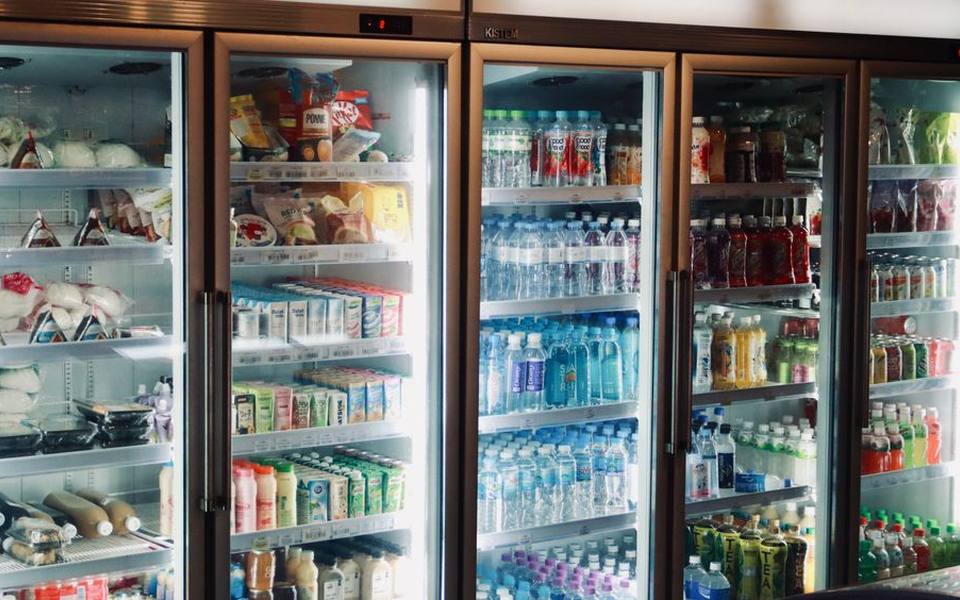
Undercounter appliances face unique engineering demands because they cannot vent heat out through their side or rear panels. Front-venting cooling units incorporate an intake and exhaust grille located directly along the bottom kickplate beneath the door. Powerful cross-flow blowers draw cool room air across the internal condenser coils and discharge hot air forward into the room. This front-breathing capability allows zero-clearance installations where the cabinet edges fit flush against surrounding custom millwork without risking thermal overload.
Investing in an undercounter unit from a mainstream kitchen brand also simplifies replacement parts and warranty service over the life of the home. Because these appliances share mechanical components—such as thermostats, fan motors, and door gaskets—with broader appliance catalogs, finding trained technicians and repair parts is straightforward. For busy households that host frequent gatherings or maintain steady bottle turnover, an undercounter unit offers both architectural symmetry and dependable long-term cooling.
Dual-Zone Systems and Beverage Center Hybrids
Homeowners often wrestle with the decision to buy a dedicated wine refrigerator versus a hybrid wine cooler and mini fridge. Standard mini fridges are designed to chill canned sodas, beer, and dairy down to thirty-four or thirty-eight degrees Fahrenheit. While that temperature keeps carbonated beverages crisp and refreshing, it is far too cold for serving or storing quality wine. Cold conditions numb delicate flavor compounds in wine, while the ultra-low humidity levels inside traditional mini fridges shrink natural corks over time, risking catastrophic oxidation.
To resolve this conflict, dual-zone beverage centers divide the interior cabinet into two completely isolated thermal chambers with independent electronic thermostats. One compartment can be set to thirty-six degrees for craft beers, seltzers, and mixers, while the adjoining section remains at fifty-five degrees for cellaring whites and reds. Dual-zone engineering relies on motorized interior baffle doors and twin evaporator fans to circulate chilled air separately, keeping odors from canned beverages from invading the wine chamber.
If you regularly entertain guests or enjoy spending afternoons on patio decks after exploring wineries with outdoor seating, a combination beverage refrigerator offers immense versatility. You can store party drinks and fine vintage bottles inside a single electrical appliance, freeing up primary refrigerator shelving for party platters and fresh food. Carefully verify that the appliance provides true dual-zone digital controls rather than a single dial that simply compromises across both shelves.
Understanding Freestanding Clearance and Ventilation
One of the most frequent mistakes homeowners make is buying a freestanding wine cooler and sliding it into an enclosed cabinet opening previously occupied by a trash compactor or dishwasher. A freestanding wine refrigerator is engineered to dissipate accumulated heat through its exterior metal side walls and back panel. If you enclose a freestanding unit inside tight millwork without adequate airspace, the trapped thermal energy will bake the cabinet, forcing the compressor to run continuously until it overheats and suffers premature mechanical failure.
Proper installation of any freestanding cooler requires generous breathing clearance on every non-exposed surface. As a general rule, allow at least two to three inches of open space along both side walls, three to five inches behind the rear panel, and a minimum of three to four inches across the top. This clearance allows natural air currents to rise upward around the warm condenser coils, drawing cooler room-temperature air across the chassis to maintain thermal balance without straining the cooling module.
Placement within the home also involves managing external heat sources that can degrade appliance efficiency. Never position a wine refrigerator directly adjacent to a dishwasher, range oven, or heating radiator. Similarly, avoid locations exposed to direct southern sunlight through picture windows. The radiant energy from windows not only heats the outer metal cabinet, forcing the cooling cycle to run overtime, but prolonged light exposure can also penetrate standard clear glass doors and slowly spoil sensitive wines.
Noise, Vibration, and Everyday Household Performance
Because wine coolers often reside inside living rooms, dining spaces, or open-concept kitchens, operational sound levels represent a major factor in household satisfaction. Thermoelectric units are virtually silent because their only moving component is a miniature brushless computer fan that draws air across the internal aluminum heatsink. This makes thermoelectric cabinets ideal for quiet home offices, bedrooms, or reading rooms where mechanical humming would be disruptive during daily routines.

Compressor-driven wine refrigerators operate at decibel levels comparable to modern kitchen appliances, typically ranging between thirty-eight and forty-four decibels. While unobtrusive in an active kitchen, this soft hum can become noticeable in completely quiet spaces during late evening hours. Modern compressor designs minimize disturbance by utilizing variable-speed fans and balanced piston pumps. High-grade models also seat the motor on thick neoprene vibration isolators to prevent humming frequencies from traveling through wood floor joists.
Maintaining low operational noise also requires proper leveling during initial setup. If the appliance sits unevenly on hard flooring, the structural cabinet can twist slightly, causing the cooling fan to rattle against its housing or the internal shelves to vibrate against the glass door. Every quality cooler incorporates adjustable leveling feet under each corner. Taking five minutes with a carpenter's level to stabilize the chassis eliminates annoying rattles and ensures the magnetic perimeter door gasket seals tightly against the frame.
Maintaining Proper Cellar Conditions at Home
Beyond maintaining a stable temperature, long-term bottle storage depends heavily on controlled humidity levels and gentle air circulation. Ideal cellar humidity fluctuates between fifty and seventy percent relative humidity. This level of atmospheric moisture prevents natural cork stoppers from drying out and crumbling during uncorking, while simultaneously discouraging mold from growing on decorative paper labels. Quality wine coolers maintain baseline humidity by catching internal condensation on an evaporator plate and redistributing it gently through natural airflow before draining excess moisture.
Door management plays a surprisingly large role in interior climate stability. Every time you pull the glass door open, cold air spills out across the floor, replaced immediately by warm, humid room air. Frequent door openings cause internal temperatures to spike and force moisture to condense rapidly on interior cold plates, leading to frost accumulation on rear evaporator walls. Keeping an updated mental or digital inventory of your bottles reduces browsing time with the door propped open, ensuring your collection enjoys stable, cellar-grade preservation.
Periodic maintenance keeps your cooling appliance operating at peak electrical efficiency year after year. Every six months, unplug the unit and gently vacuum dust, pet hair, and lint away from the rear ventilation grilles and lower fan housings. Check the flexible rubber door gasket for signs of cracking or hardening, cleaning it with mild soapy water to maintain an airtight seal. With modest care, a modern wine cooler will protect your bottles reliably, preserving their complex flavors until you are ready to pull the cork.
Published 2026-09-21 · reviewed with each rebuild, last September 2026.
Find wineries near you
The directory lists 14,608 wineries by state and city — pick your state or use the “Near me” button in the header.
More guides
-
 Service
How to Become a Sommelier: Career Paths, Tasting Technique, and Practical Service
-
 Service
What to Wear to a Winery: Practical Outfits, Etiquette, and Food Pairings
-
 Owning
The Ultimate Wine and Food Pairing Guide: From Cheese to Desserts
-
 Buying
Understanding Kosher, Organic, and Biodynamic Wines: Production, Storage, and Pairings
-
 Buying
A Guide to Ordering Wine Online and Purchasing Bulk Alcohol for Events
-
 Buying
The Chemistry of Wine Fermentation: Yeast Roles, Malolactic Conversion, and Flavor Balance
-
 Buying
Understanding the Wine Sweetness Scale: From Crisp Dry to Indulgent Sweet
-
 Money
MoneyWine Tasting Costs Explained: What to Expect in Napa Valley and Beyond
-
 Owning
The Ultimate Guide to Charcuterie Boards: Styling, Pairings, and Recipes
-
 Owning
Crystal Wine Glassware Guide: Types, Brands, Care, and Stemless Styles
-
 Buying
Understanding Bold Reds: Dry Wines, Tannin Profiles, and Old Vine Zinfandels
-
 Storage
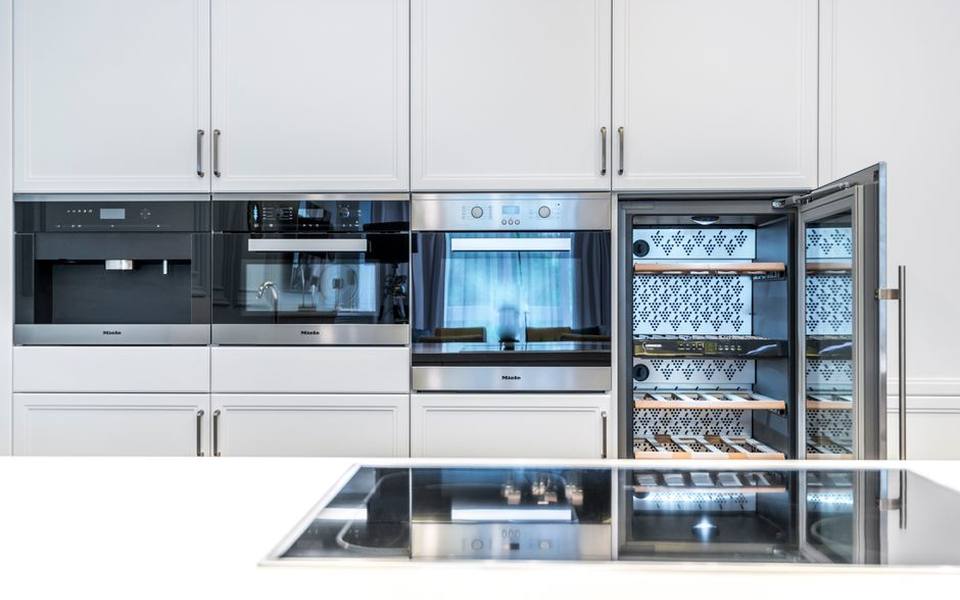
Choosing the Best Wine Fridge: Sizing, Cooling Zones, and Placement Guide
-
 Buying
Non-Alcoholic Wine Guide: Methods, Profiles, and What to Expect
-
 Buying
Personalized Wine Gifts: Custom Bottles, Engraved Glasses, and Custom Labels
-
 Owning
Essential Wine Accessories: Openers, Preservation Systems, Decanters, and Storage
-
 Buying
White and Rosé Wines: From Crisp Whites to Dry Rosés and Late Harvest Riesling
-
 Buying
Food and Wine Pairing Guide: Salmon, Turkey, Ham, Lamb, and Lasagna
-
 Buying
Large Format Wine Bottles: Magnums, Jeroboams, and Champagne Sizes Explained
-
 Service
Farm Wineries, Agritourism, and Sustainable Vineyard Experiences Across America
-
 Owning
Wine and Food Pairing Guide: Charcuterie Boards, Cheeses, and Dinner Courses
-
 Buying
Specialty Wines, Modern Cellar Styles, and Buying Smart Online
-
 Owning
Planning Memorable Vineyard Visits, Historic Estates, and Tasting Room Escapes
-
 Buying
Sweet and Refreshing White Wines: A Guide to Styles, Grapes, and Tasting Profiles
-
 Service
Cooking with Wine and the Practical Art of Culinary Pairings
-
 Owning
Luxury Glassware and Crystal Stemware: A Guide to Vintage Patterns, Modern Makers, and Care
-
 Service
Winery & Vineyard Weddings: Venues, Planning, and Event Etiquette
-
 Owning
Electric Wine Openers, Vacuum Stoppers, and Preservation Systems: A Complete Guide
-
 Safety
Traveling with Wine: Suitcases, Luggage Bags, and Airline Rules
-
 Buying
Red Wine Varietals Explained: Malbec, Cabernet, Merlot, and Zinfandel
-
 Owning
Artisan Charcuterie Boards and Wine Party Snack Styling Guide
-
 Buying
Finding and Repurposing Used Oak Wine Barrels for Home and Garden
-
 Buying
Garlic Infused and Extra Virgin Olive Oils: Flavors, Brands, and Culinary Uses
-
 Buying
US Wine Trails and Estate Wineries: Scenic Routes and Destination Guide
-
 Buying
Crystal Wine Glasses, Fine Stemware, and Barware Accessories Guide
-
 Service
The Complete Guide to Winery Visits: Tastings, Vineyard Tours, and Visitor Experiences
-
 Owning
Pairing Wine with Charcuterie, Cheeses, and Seasonal Dinners
-
 Buying
Wine Glassware, Decanters, and Accessories Buyer Guide
-
 Storage
Home Wine Storage, Refrigeration, and Cellar Inventory Guide
-
 Buying
Winery Tours, Tasting Room Experiences, and Vineyard Weddings