Understanding Olive Oil Grades and Natural Flavor Profiles
Choosing the right culinary oil begins with understanding how production methods shape raw olive oil flavor. Extra virgin olive oil represents the initial mechanical pressing of ripe or semi-ripe olives without heat or chemical solvents. This process leaves the natural compounds intact, creating distinct fruit notes, pleasant bitterness, and a signature peppery bite in the throat caused by healthy polyphenols. Lower grades, by comparison, undergo filtration or refining that intentionally strips away these pungent notes, yielding a vastly different culinary tool for day-to-day kitchen work.
The intensity of genuine olive flavor varies depending on harvest timing, climate, and tree variety. Early-harvest fruit picked while still green tends to produce grassy, herbaceous, and intensely peppery oils that command attention over hot food. Late-harvest olives yield golden, buttery oils with soft floral undertones that integrate quietly into delicate sauces. When home cooks evaluate bottles on retail shelves, identifying this natural taste profile helps determine whether the oil belongs in a heated skillet, inside a bread dough, or drizzled over finished dishes.
Refined options exist for applications where intense vegetal notes would clash with subtle ingredients. Standard cooking oils labeled simply as olive oil or refined olive oil combine treated oil with small amounts of virgin oil for color. Understanding where a bottle sits on this processing spectrum prevents common culinary mistakes, ensuring you do not scorch an expensive artisanal dressing oil over high heat or overpower a delicate chiffon cake with an intensely bitter, herbaceous extra virgin pour.
Everyday Pantry Classics and Bertolli Extra Virgin Varieties
Supermarket shelves are dominated by historic Mediterranean names, and understanding how mainstream staples perform helps home cooks stretch their culinary budgets. Commercial bottlings of Bertolli extra virgin olive oil are widely recognized for delivering accessible, predictable profiles designed to handle standard home preparation. Rather than sourcing from a single hillside grove, producers blend harvests across multiple Mediterranean regions to maintain consistent flavor month after month, preventing the sharp vintage variations seen in small-scale agricultural pressings.
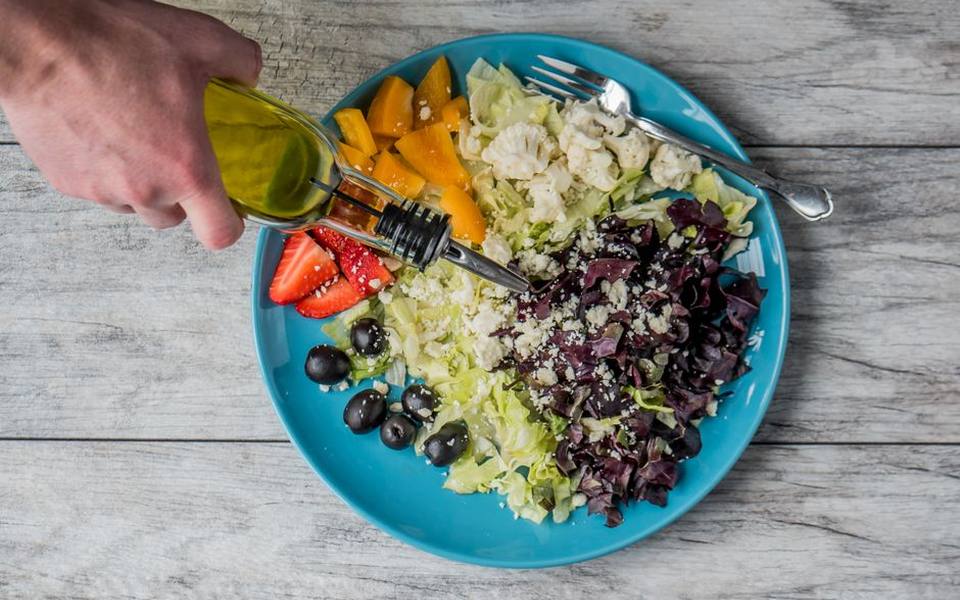
A standard bottle of extra virgin oil Bertolli brings a medium-intensity fruit profile that balances soft cut-grass aromas with a mild, peppery finish. This moderate intensity makes it practical for everything from everyday salad vinaigrettes to tossing with warm pasta, sheet-pan vegetables, or marinades. Because the flavor is approachable rather than aggressive, it works well as an all-purpose kitchen workhorse that appeals to diverse palates without overpowering lighter herbs, citrus, or mild poultry.
When purchasing broad-market commercial brands like Bertolli, paying attention to bottling dates and packaging material remains important. High-volume brands manage massive distribution networks, but bottles sitting under bright fluorescent grocery lighting can degrade over months. Selecting bottles from the back of the shelf, preferably stored in dark glass or protective tins, ensures the oil retains its fresh aroma and delivers the intended culinary performance upon arrival in your pantry.
The Mechanics of Extra Light Olive Oil and Mild Flavored Cooking
Many home cooks misunderstand the terminology surrounding olive oil extra light blends, assuming the label indicates lower calories or reduced dietary fat. In truth, all olive oils contain virtually the same caloric density. The term light refers strictly to color, fragrance, and taste. Producers achieve this mild flavored olive oil profile through extensive refining that filters out aromatic free fatty acids, chlorophyll, and volatile flavor compounds, resulting in an exceptionally pale, nearly transparent oil.
Kitchens often require a neutral cooking medium that will not impose a heavy fruit note onto the finished food. A quality mild flavored olive oil serves as an ideal fat for baking sandwich breads, tender quick breads, and light pastries where traditional vegetable or canola oils are commonly requested. It allows natural baking aromas like vanilla, almond, or delicate spices to shine without the heavy herbal bitterness associated with cold-pressed extra virgin grades.
Another key functional advantage of this category is heat tolerance. Because the refining process removes raw fruit particles and delicate suspended solids, extra light oil exhibits a considerably higher smoke point than unrefined virgin oils. Cooks can safely use it for high-temperature sautéing, stir-frying, and light pan-frying up to around 410 degrees Fahrenheit without the rapid degradation, scorching, or acrid off-flavors that occur when raw oils are subjected to intense thermal stress.
Evaluating Bertolli Light Olive Oil and Filippo Berio Alternatives
In the realm of refined options, products like Bertolli extra light olive oil and Filippo Berio olive oil extra light compete directly for space in high-heat home cooking. Both historic brands refine high-acid or defective virgin pressings using steam, charcoal, and physical filtration, after which they add back a minimal percentage of virgin oil to stabilize color and structure. The resulting Bertolli light olive oil delivers a dependable neutral character that behaves much like standard peanut or corn oil.
Similarly, Filippo Berio olive oil extra light provides home chefs with a neutral base designed for versatility. Side-by-side culinary tests show negligible flavor transfer to pan-seared white fish, battered vegetables, or homemade mayonnaise. The absence of noticeable olive flavor allows emulsions to stay light and creamy without the pungent vegetal sharpness or mustard-like prickle that often splits or dominates homemade aioli made with raw extra virgin liquids.
Selecting between these popular grocery options generally comes down to packaging convenience, fresh turnover at your local market, and individual price promotions. Both brands adhere strictly to industry processing standards monitored by international olive councils. Inspecting the container for clear expiration dates ensures you purchase a freshly processed batch, keeping your deep pantry stocked with a stable, high-smoke-point oil ready for everyday frying and baking demands.
Artisan Estates and Single-Origin Californian Pressings
Moving beyond commercial grocery blends introduces cooks to the world of estate-grown and estate-milled pressings, where terroir shapes the bottle. Regions like Napa Valley and Sonoma County have developed robust artisan milling traditions alongside their viticultural pursuits. Bottles like Round Pond Estate olive oil showcase how specific estate microclimates, hand-harvested cultivars such as Leccino or Frantoio, and rapid same-day milling preserve complex flavor compounds that mass-market commercial blends simply cannot replicate.
Visiting historic estates allows travelers to taste fresh oils directly from the press while exploring agricultural properties. If you are exploring regional food culture, planning visits to wineries in California offers direct exposure to estates that maintain centuries-old olive orchards right alongside their vines. Tasting fresh estate pressings in dedicated tasting rooms illuminates the vast difference between store-bought oils and fresh, unadulterated oils that boast intense notes of green artichoke, fresh-cut grass, and cracked pepper.
Artisanal bottles like Round Pond Estate olive oil demand different treatment in the kitchen compared to commercial options. Because these boutique oils emphasize vibrant, fleeting aromatics and delicate antioxidants, using them for high-heat pan cooking wastes their complexity. Instead, they shine brightest when used raw as finishing elements over heirloom tomato salads, warm polenta, grilled sourdough, or thinly sliced roasted meats right before the plate reaches the dining table.
How to Safely Infuse Olive Oil with Garlic at Home
Learning how to infuse olive oil with garlic is one of the most rewarding ways to elevate simple dinners, but it requires strict adherence to food safety principles. Raw garlic grows underground and naturally carries spores of Clostridium botulinum, a bacterium that thrives in low-acid, oxygen-depleted environments. When you submerge raw, moisture-rich garlic cloves into room-temperature oil, you create the exact anaerobic conditions where these dangerous spores can germinate and produce life-threatening botulism toxins without altering the oil's scent or appearance.
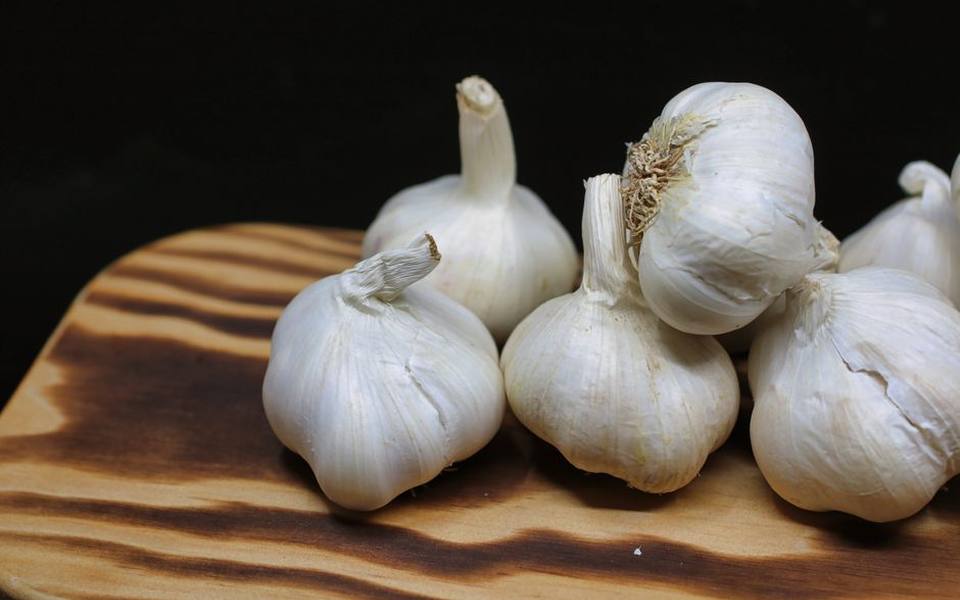
To infuse olive oil with garlic safely on the stovetop, heat peeled garlic cloves in mild or virgin oil over gentle heat until the cloves turn soft and pale golden, maintaining oil temperatures above 200 degrees Fahrenheit for at least twenty minutes. This thermal process softens the sharp sulfur compounds, mellows the garlic into sweet aromatic richness, and pasteurizes the mixture. Never allow the garlic to scorch or turn dark brown, as burnt alliums introduce severe bitterness that ruins the entire infusion.
Once cooked, strain out every solid particle through a fine-mesh sieve lined with cheesecloth or a coffee filter, as garlic solids harbor residual moisture that accelerates microbial spoilage. Transfer the warm aromatic oil into an airtight, sterilized glass jar and place it directly into the refrigerator. Even thoroughly heated and strained homemade infusions must be refrigerated promptly and consumed within four to seven days; discarding any unused portions after a week eliminates all health risks.
Pairing Infused Oils and Extra Virgin Profiles with Food
Pairing various oil styles with dishes follows similar principles to matching fine beverages with complementary cuisine. Robust extra virgin oils possess sufficient bitterness and body to cut through rich braises, hearty bean stews, and bitter chicory greens. Conversely, light-intensity oils elevate delicate flaked fish, fresh mozzarella, or soft summer squash without smothering the natural sweetness of the produce. Matching intensity to intensity ensures neither the culinary fat nor the main ingredient dominates the palate.
A well-made garlic-infused oil serves as an instant culinary bridge across rustic Mediterranean dishes. Drizzled over warm crusty bread, stirred into roasted potato purées, or brushed across charred garden vegetables, it imparts deep aromatic richness without the sharp bite of raw minced alliums. Traveling to distinct agricultural regions and visiting wineries with food demonstrates how chefs leverage locally pressed olive oils to accentuate farm-fresh ingredients across multicourse dining menus.
When designing dinner menus, consider presenting small dipping flights alongside crusty artisan loaves. Offering a rich, grassy extra virgin alongside an herb-garlic infusion gives guests a sensory experience mirroring a professional tasting. Many destination properties and wineries with tastings integrate artisan oil samples into their standard hospitality offerings, allowing visitors to appreciate how soil composition, olive variety, and culinary infusions influence the final plate.
Evaluating Olive Flavor, Bitterness, and Polyphenol Content
Many American consumers initially mistake high-polyphenol bitterness in freshly pressed extra virgin oil for a product defect or spoilage. In reality, that pungent, peppery scratch at the back of the throat indicates the presence of oleocanthal, a naturally occurring antioxidant compound associated with anti-inflammatory properties and long bottle stability. A completely flat or insipid virgin oil often signals old age, poor fruit handling, or excessive industrial processing.
Professional tasters evaluate olive flavor across three mandatory positive attributes: fruitiness, bitterness, and pungency. Fruitiness encompasses both green plant notes like tomato leaf, green apple, and mint, as well as ripe notes like banana, stone fruit, and butter. Bitterness is sensed directly on the tongue, derived from healthy polyphenols extracted from early-season fruit skins. Pungency is tactile, creating an unmistakable warming prickle in the throat when swallowing.
Conversely, negative flavor defects indicate that oil has degraded. Musty, moldy flavors arise when harvested olives sit damp in bins before pressing, leading to fermentation. Fusty notes occur when fruit undergoes anaerobic decay in deep piles, while sour or vinegary flavors reflect aerobic bacterial fermentation. Learning to identify these distinct sensory markers protects you from purchasing mishandled stock and ensures you get authentic culinary value from premium bottles.
Storage Guidelines, Oxidation Management, and Shelf Life
Olive oil is fresh fruit juice that begins degrading the moment it leaves the mechanical centrifuge. Unlike wine, which frequently benefits from prolonged bottle aging, olive oil never improves with time. Heat, light, oxygen, and time are the four critical enemies of oil freshness, causing pleasant aromatic fatty acids to break down into free radicals and unpalatable rancid compounds that smell reminiscent of stale crayons, putty, or old oil paint.

Proper home storage begins with keeping bottles away from the stove, oven, and sunny window ledges. Storing your working oil in a cool, dark cabinet or dedicated pantry held around 55 to 65 degrees Fahrenheit dramatically slows the natural rate of oxidation. If you purchase large commercial metal tins of olive oil Bertolli or other everyday staples, decant small quantities into a clean, dark glass cruet for daily countertop use while keeping the bulk container sealed securely in the dark.
Pay close attention to manufacturer dates on every container you buy. A reliable bottle typically displays both a harvest date and a best-by date. While an unopened, properly stored tin can retain quality for up to eighteen months from harvest, once opened, the container should ideally be used within thirty to sixty days. Experiencing production first-hand on guided agricultural journeys and winery tours often reveals how estate producers control temperature-regulated tanks to safeguard their inventory until bottling.
Building a Versatile Kitchen Oil Strategy
A functional, cost-conscious modern kitchen rarely relies on just a single bottle of culinary oil. Instead, experienced home cooks maintain an intentional collection tailored to specific cooking tasks. Stocking a dependable high-heat oil like Bertolli extra light olive oil handles weeknight pan-searing, high-temperature roasting, and delicate baking projects without smoke, burnt aromas, or unwanted lingering olive flavors interfering with the core ingredients.
Alongside your neutral workhorse, keep an accessible commercial extra virgin bottle for middle-tier culinary tasks like building vinaigrettes, sautéing aromatics for pasta sauces, and marinating meats. These widely distributed commercial blends provide ample flavor and healthy mono-unsaturated fats at an economical price point that makes liberal everyday pouring reasonable for family cooking budgets.
Finally, reserve a premium artisan bottle, such as an estate-milled pressing from a boutique orchard, alongside small batches of carefully prepared homemade garlic infusions for raw finishing touches. By matching each specific culinary grade to its intended heat threshold and flavor duty, you achieve the ideal balance of culinary excellence, health benefits, and kitchen economy across every meal you prepare.
Published 2026-09-21 · reviewed with each rebuild, last September 2026.
Find wineries near you
The directory lists 14,608 wineries by state and city — pick your state or use the “Near me” button in the header.
More guides
-
 Service
How to Become a Sommelier: Career Paths, Tasting Technique, and Practical Service
-
 Service
What to Wear to a Winery: Practical Outfits, Etiquette, and Food Pairings
-
 Owning
The Ultimate Wine and Food Pairing Guide: From Cheese to Desserts
-
 Buying
Understanding Kosher, Organic, and Biodynamic Wines: Production, Storage, and Pairings
-
 Buying
A Guide to Ordering Wine Online and Purchasing Bulk Alcohol for Events
-
 Buying
The Chemistry of Wine Fermentation: Yeast Roles, Malolactic Conversion, and Flavor Balance
-
 Buying
Understanding the Wine Sweetness Scale: From Crisp Dry to Indulgent Sweet
-
 Money
MoneyWine Tasting Costs Explained: What to Expect in Napa Valley and Beyond
-
 Owning
The Ultimate Guide to Charcuterie Boards: Styling, Pairings, and Recipes
-
 Owning
Crystal Wine Glassware Guide: Types, Brands, Care, and Stemless Styles
-
 Buying
Understanding Bold Reds: Dry Wines, Tannin Profiles, and Old Vine Zinfandels
-
 Storage
Choosing the Best Wine Fridge: Sizing, Cooling Zones, and Placement Guide
-
 Buying
Non-Alcoholic Wine Guide: Methods, Profiles, and What to Expect
-
 Buying
Personalized Wine Gifts: Custom Bottles, Engraved Glasses, and Custom Labels
-
 Owning
Essential Wine Accessories: Openers, Preservation Systems, Decanters, and Storage
-
 Buying
White and Rosé Wines: From Crisp Whites to Dry Rosés and Late Harvest Riesling
-
 Buying
Food and Wine Pairing Guide: Salmon, Turkey, Ham, Lamb, and Lasagna
-
 Buying
Large Format Wine Bottles: Magnums, Jeroboams, and Champagne Sizes Explained
-
 Service
Farm Wineries, Agritourism, and Sustainable Vineyard Experiences Across America
-
 Owning
Wine and Food Pairing Guide: Charcuterie Boards, Cheeses, and Dinner Courses
-
 Buying
Specialty Wines, Modern Cellar Styles, and Buying Smart Online
-
 Owning
Planning Memorable Vineyard Visits, Historic Estates, and Tasting Room Escapes
-
 Buying
Sweet and Refreshing White Wines: A Guide to Styles, Grapes, and Tasting Profiles
-
 Service
Cooking with Wine and the Practical Art of Culinary Pairings
-
 Owning
Luxury Glassware and Crystal Stemware: A Guide to Vintage Patterns, Modern Makers, and Care
-
 Storage
Modern Wine Refrigerators and Coolers: Sizing, Placement, and Everyday Performance
-
 Service
Winery & Vineyard Weddings: Venues, Planning, and Event Etiquette
-
 Owning
Electric Wine Openers, Vacuum Stoppers, and Preservation Systems: A Complete Guide
-
 Safety
Traveling with Wine: Suitcases, Luggage Bags, and Airline Rules
-
 Buying
Red Wine Varietals Explained: Malbec, Cabernet, Merlot, and Zinfandel
-
 Owning
Artisan Charcuterie Boards and Wine Party Snack Styling Guide
-
 Buying
Finding and Repurposing Used Oak Wine Barrels for Home and Garden
-
 Buying
US Wine Trails and Estate Wineries: Scenic Routes and Destination Guide
-
 Buying
Crystal Wine Glasses, Fine Stemware, and Barware Accessories Guide
-
 Service
The Complete Guide to Winery Visits: Tastings, Vineyard Tours, and Visitor Experiences
-
 Owning
Pairing Wine with Charcuterie, Cheeses, and Seasonal Dinners
-
 Buying
Wine Glassware, Decanters, and Accessories Buyer Guide
-
 Storage
Home Wine Storage, Refrigeration, and Cellar Inventory Guide
-
 Buying
Winery Tours, Tasting Room Experiences, and Vineyard Weddings