How Grape Juice Becomes Fermented Wine
At its core, fermented wine is fresh grape juice whose natural sugars have been converted into ethyl alcohol, carbon dioxide, and hundreds of subtle aromatic compounds through biological activity. The moment grapes are harvested and crushed, wild microbes living on their skins begin searching for sustenance. While fruit juice left on a warm counter will eventually spoil into vinegar or wild mash, controlled fermentation channels that natural process into a stable, layered beverage built for long-term aging or immediate enjoyment.
The transformation starts inside stainless steel tanks, open wooden vats, or concrete eggs where winemakers carefully manage must temperature and oxygen exposure. As the process unfolds, simple sweet grape must changes chemically into an acidic, complex liquid with distinct aromas of orchard fruit, dark berries, or crushed stone. The sugars that once defined the unfermented juice are almost entirely consumed, leaving behind dry wine or, if the maker halts the process early, a touch of residual sweetness.
This biological marvel also establishes the foundation of everything you taste in your glass, from perceived acidity to body and warmth on the palate. Without proper biochemical controls, the alcohol could become harsh or unwanted volatile acids could overwhelm delicate fruit tones. Understanding this foundational shift helps anyone walking into a cellar understand why two bottles grown in neighboring vineyard rows can smell and taste entirely different after vinification.
The Living Workers and Whether Yeast Remains in Your Bottle
Every drop of wine owes its existence to yeast, predominantly strains of Saccharomyces cerevisiae, which convert glucose and fructose into alcohol and carbon dioxide. Winemakers choose between pitching commercially cultured yeasts selected for steady fermentation speeds and clean aromas, or relying on ambient native yeasts residing naturally in the vineyard and cellar. Native fermentations often yield rustic, unpredictable complexities, whereas cultured yeasts provide consistent safety against stalled fermentations that could invite harmful spoilage bacteria into the batch.
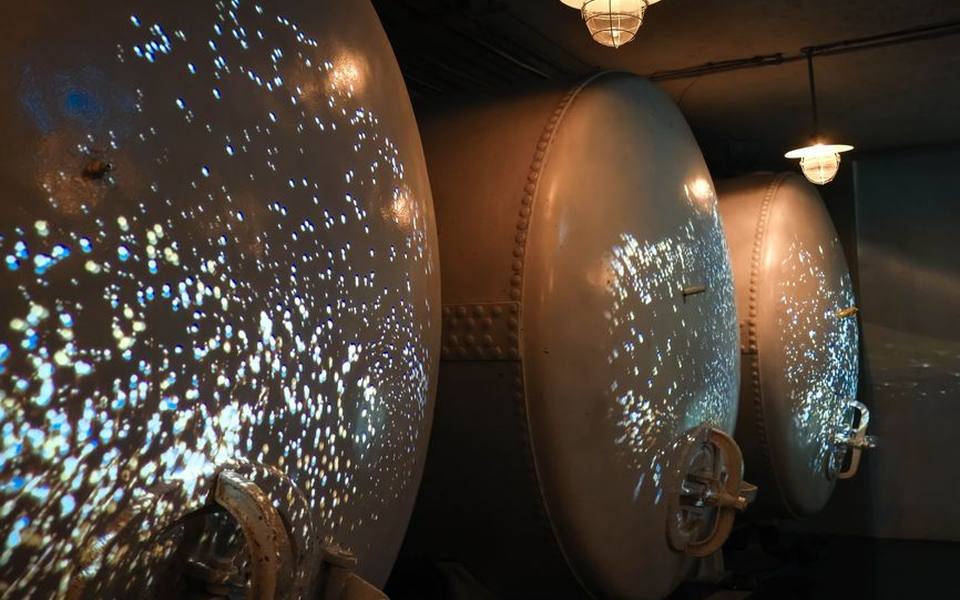
A common point of confusion among casual drinkers is whether active yeast remains in the finished wine they pour at dinner. In practically all commercial wines, the living yeast cells die off naturally once their food supply dwindles or the rising alcohol level reaches toxic thresholds for the cell walls. Afterward, these spent cells settle to the tank bottom as a sediment known as gross lees, which winemakers separate from the clear liquid through careful racking.
Before bottling, the wine typically passes through mechanical filters or clarifying fining agents designed to capture any microscopic cell fragments still suspended in the liquid. While unfiltered or raw natural wines may retain a harmless trace of inert, dead yeast cells at the bottom of the bottle, ordinary store-bought bottles contain no living yeast cultures. You are drinking the pure byproducts of their industrious life cycle rather than active microorganisms.
Understanding Malolactic Fermentation in Plain Terms
Despite its traditional name, malolactic fermentation is not technically an alcoholic fermentation at all, but a secondary bacterial conversion carried out by lactic acid bacteria, primarily Oenococcus oeni. During this phase, which typically takes place right after the primary yeast fermentation finishes, the bacteria consume sharp, tart malic acid—the same sharp compound found in green Granny Smith apples—and convert it into softer, rounder lactic acid, which is the gentle acid found in dairy products like yogurt and cream.
This enzymatic process does far more than simply reduce sharp acidity; it fundamentally changes the textural architecture and aroma profile of the liquid. A key natural byproduct of this conversion is diacetyl, an organic compound that imparts distinctive notes of sweet cream, toasted brioche, and freshly melted butter. Winemakers carefully decide whether to encourage, limit, or completely block this secondary step depending on their stylistic goals for the grape varietal.
Almost all dry red wines undergo complete malolactic conversion because high levels of malic acid feel unpleasantly abrasive against heavy grape tannins. In white wines, however, the choice varies dramatically by grape and tradition. Crisp varieties like Sauvignon Blanc and Riesling are almost always protected from lactic bacteria using cool temperatures and sulfur additions to preserve their bright, razor-sharp citrus zest, whereas full-bodied Chardonnay frequently embraces the full buttery transformation.
How Aging on the Lees Shapes Texture and Mouthfeel
Once primary and secondary fermentations draw to a close, winemakers often elect to leave the young wine resting on its fine lees for months or even years. As those dormant, spent yeast cells slowly break down through an internal enzymatic decay called autolysis, they release mannoproteins, amino acids, and fatty compounds directly into the aging wine. This prolonged contact coats the wine's natural acidity with an unmistakable richness, shifting an ordinary thin liquid into a velvety, substantial experience across the tongue.
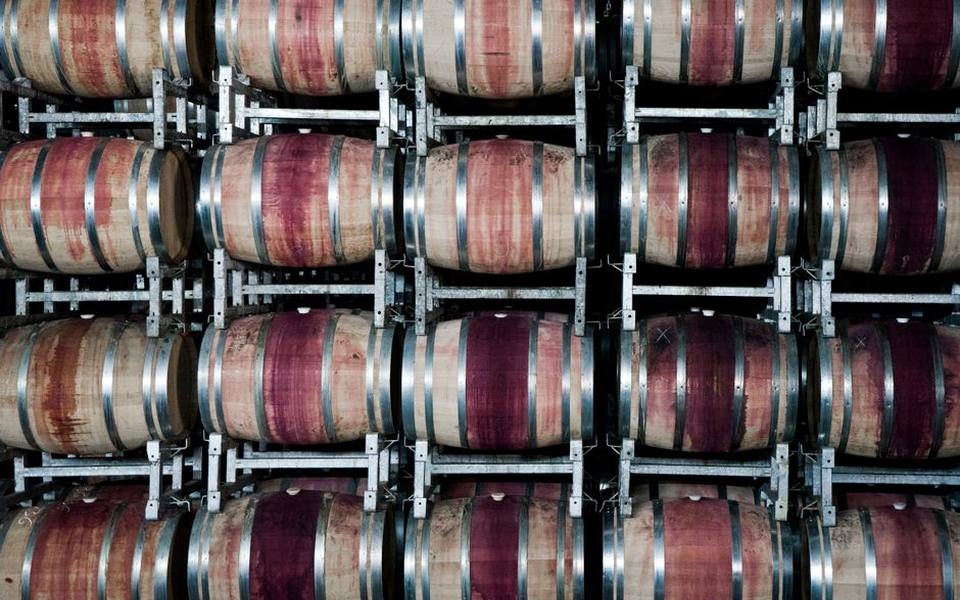
In traditional cellar practices, workers regularly stir these settled sediment beds using long stainless steel rods, a classical Burgundian technique known as batonnage. Stirring suspends the fine yeast particles throughout the barrel, protecting the wine naturally against oxidation while maximizing contact with the beneficial lees. This practice imparts savory nuances of biscuit dough, crushed hazelnut, and sourdough crust to both dry whites and traditional-method sparkling wines.
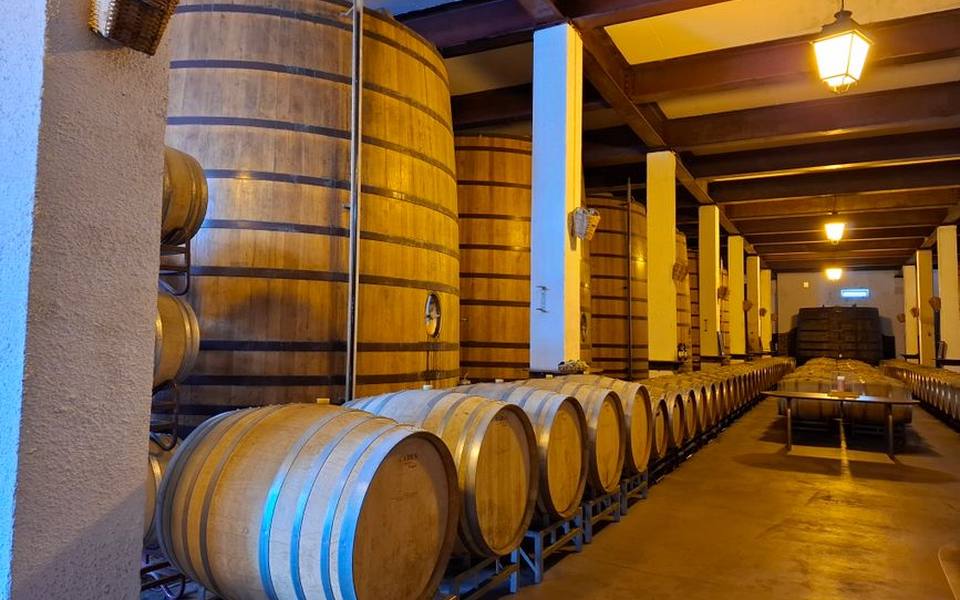
If you visit regional cellars during a vacation, exploring guided winery tours often gives you an up-close view of barrel rooms where batonnage takes place. Observing the difference between wines aged purely in crisp stainless steel versus those softened on autolytic lees demonstrates just how much tactile pleasure stems directly from yeast management rather than fruit flavor alone.
Selecting the Best Wine for Food Across Different Courses
Pairing wine with a meal does not require memorizing complex historical rules, but it does demand an appreciation for how fermentation acids interact with culinary fats, salts, and proteins. High natural acidity acts much like a squeeze of fresh lemon juice across a rich dish, cutting cleanly through buttery sauces and fried textures to reset the palate between bites. Conversely, heavy oak tannins crave animal protein and marbled fats to soften their astringent grip on your tongue.
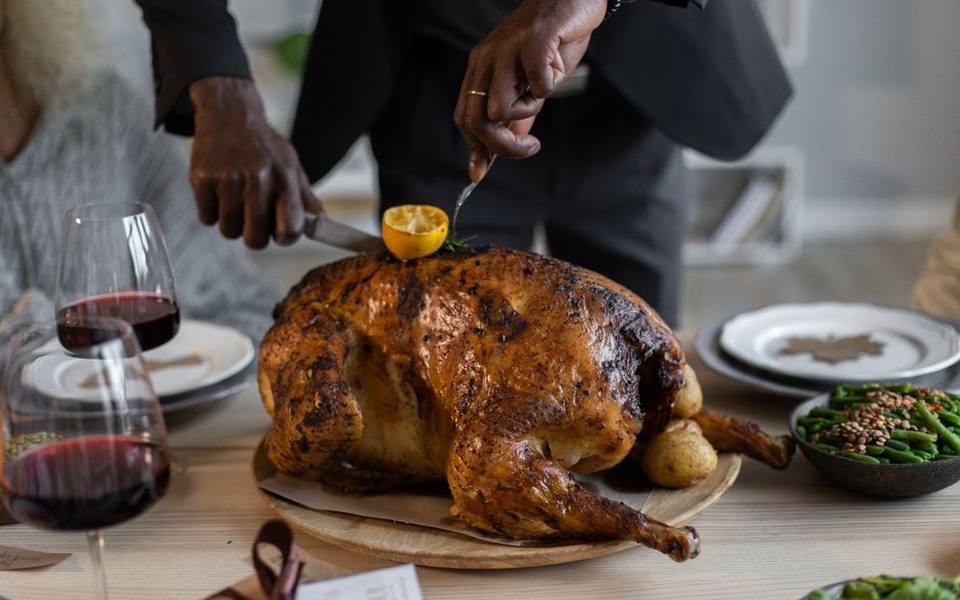
The most versatile bottles at the dining table are usually dry, medium-bodied selections that showcase balanced acidity rather than overpowering alcohol or heavy new oak seasoning. Crisp European or domestic cool-climate whites, dry rosés, and earthy, moderate reds like Pinot Noir, Barbera, or Gamay tend to partner seamlessly with an entire dinner spread without drowning out subtle herbs or delicate roasted poultry.
Many travelers discover their favorite food matches by visiting wineries offering food on site, where resident culinary teams design small plates tailored specifically to highlight the acidity and structure of their estate bottlings. When wine and food harmonize, the refreshing acid in the glass elevates the savory depth of the meal, making both taste far better than either would alone.
Finding the Ideal White Wine for Roasted Turkey
Roasted turkey presents a notoriously complex pairing dilemma because the meat itself is relatively lean and mild, but the holiday table surrounding it is crowded with sweet, earthy, and rich side dishes. Cranberry sauce introduces high fruit acidity and sweetness, sausage stuffing brings savory herbs and rich pork fat, and buttery mashed potatoes coat the mouth. A heavy, intensely tannic red wine often clashes with the sweet-tart cranberry and dries out the mild breast meat.
The most successful white companion for roasted turkey is a dry or off-dry white that combines brisk acidity with an unctuous, aromatic weight. Dry Riesling from cool-climate regions like New York wineries offers brilliant stone fruit aromas alongside piercing acidity capable of cutting through gravy while echoing the tart sweetness of berry sauces. Its vibrant mineral backbone keeps your mouth feeling lively throughout a dense feast.
If your guests prefer creamier styles, consider a lightly oaked Chardonnay that underwent partial malolactic conversion or an aromatic Viognier with notes of white peach and honeysuckle. These options provide enough round textural body to stand shoulder-to-shoulder with buttery sides without masking the gentle, herbal flavors of slow-roasted poultry.
Serving Temperatures for White and Sparkling Wines
Even the finest bottle of white wine can taste dull and clumsy if served at the wrong temperature, making thermal control just as critical as proper glassware. When white wine is served straight out of an icy domestic refrigerator, delicate aromatic esters and volatile fruit bouquets become chemically locked down, leaving you with little more than sharp coldness and sour acid. Conversely, when white wine warms past cellar temperatures, its structure turns flabby and the alcohol vapor begins to burn the back of the throat.
For crisp, high-acid whites like Pinot Grigio, un-oaked Sauvignon Blanc, and sparkling bottles, the sweet spot generally lies between 45 and 50 degrees Fahrenheit. This crisp chill preserves their crystalline energy and effervescence while allowing citrus and floral top notes to drift comfortably out of the glass. Lighter whites benefit from entering your glass quite cold because room air will gradually warm them into their prime drinking zone over twenty minutes.
Fuller-bodied white wines, such as barrel-fermented Chardonnay, white Rhône blends, or aged dry Chenin Blanc, show their best character slightly warmer, typically between 50 and 55 degrees Fahrenheit. At this moderate cellar range, the rounded lactic compounds, nutty lees influences, and subtle oak vanillins blossom across the tongue without feeling weighed down. If a bottle has spent hours in a standard 38-degree kitchen fridge, pulling it out twenty minutes before pouring does wonders.
Choosing the Right Wine Chiller for Home Storage
Maintaining your collection at consistent drinking temperatures requires selecting hardware suited to your space, budget, and drinking frequency. For daily dinner duty, an insulated tabletop sleeve or stainless steel double-walled bucket keeps a cold bottle at an ideal temperature right at the table without needing messy, melting ice cubes. These passive chillers rely on thermal insulation to preserve cellar temperatures through the duration of a leisurely multi-course meal.
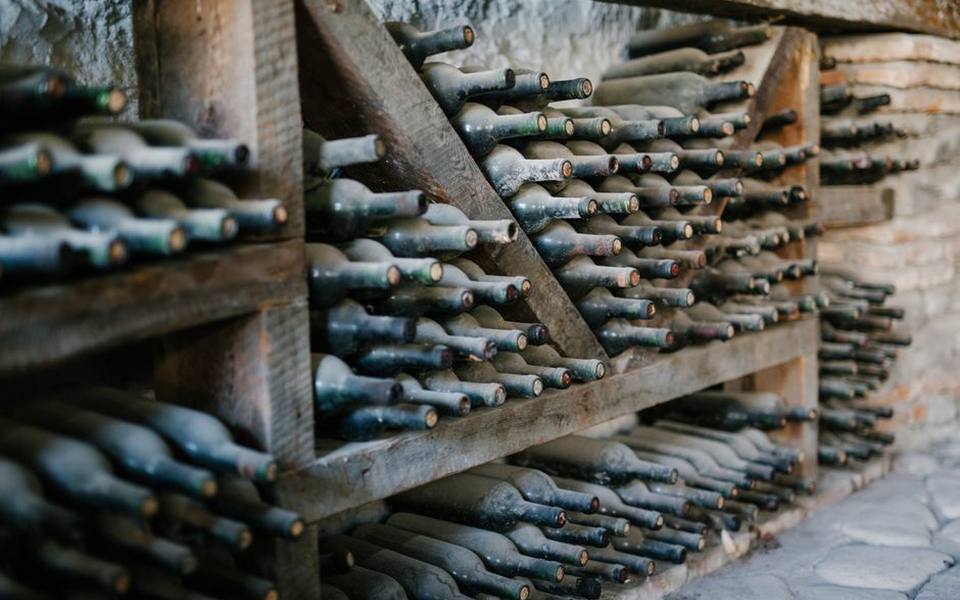
For collectors wanting dedicated appliance storage, purpose-built electric wine refrigerators fall into two distinct mechanical categories: thermoelectric units and traditional compressor systems. Thermoelectric coolers run quietly without internal vibrations that disturb resting sediment, making them pleasant additions to living room credenzas, but they struggle if ambient room heat climbs high. Compressor-driven units behave like miniature household refrigerators, offering rapid chilling, reliable dual-zone climate management, and stable performance even inside warm pantries or garages.
When shopping for home refrigeration, dual-zone capabilities are particularly useful because they allow you to hold everyday whites near 48 degrees while keeping age-worthy reds at a steady 55 degrees. Storing wine in an ordinary food refrigerator over several months is generally discouraged because the dry compressor air pulls moisture from natural corks, potentially shrinking them and exposing your wine to premature oxidation.
Spotting Great Tasting Bottles on an Everyday Budget
Finding delicious, inexpensive wine that avoids industrial shortcuts requires understanding where value hides on the retail shelf. Mass-produced supermarket brands often mask unripe grapes or sloppy fermentations by blending in concentrated grape syrup, artificial oak extracts, and heavy sulfur doses, yielding cloying, headache-inducing finishes. In contrast, genuine value wines come from dedicated agricultural regions where land values, favorable climates, and multi-generational family estates keep operating costs sensible.
Look toward world-class value hotspots like Portugal's Douro and Dão, Spain's Garnacha-focused regions, southern Italy, or lesser-known domestic growing corridors. In the United States, expansive warm-climate valleys across California vineyards churn out reliable everyday fruit, while emerging regions often price their estate-grown bottles competitively to earn shelf space among crowded legacy producers. Stainless steel fermented whites and unoaked reds usually deliver cleaner, fresher varietal character in affordable price brackets because they bypass expensive oak barrel investments.
Another reliable shopping tip is to bypass over-marketed varietals like Cabernet Sauvignon or Pinot Noir when shopping on a strict budget, as these grapes demand high vineyard maintenance that pushes bottle costs up. Instead, reach for naturally generous grapes like Monastrell, Syrah, Chenin Blanc, or Vinho Verde. These varieties ferment cleanly, resist agricultural pests naturally, and yield vibrant, expressive wines that taste far more expensive than their modest shelf tags suggest.
Experiencing Fermentation Differences at Local Tasting Rooms
The easiest way to train your palate to detect yeast characteristics, malolactic softening, and oak aging is to taste different cellar treatments side by side. Visiting wineries with tastings provides an invaluable opportunity to ask the cellar staff direct questions about their harvest practices, native fermentations, and barrel aging regimens. You can taste stainless-steel Chardonnay right next to a full malolactic barrel-aged reserve from the very same vintage block.
Many tasting rooms make this comparative learning simple by curating wine tasting flights that contrast different fermentation vessels or aging durations. Pouring an un-oaked white next to an amphora-fermented or lees-stirred bottling reveals how texture and aroma shift independent of fruit sweetness. You will quickly learn whether your palate leans toward crisp, electric malic acidity or the comforting, savory depth of extended autolysis.
Taking mental or written notes on which styles resonate with your tastebuds will transform the way you shop for wine at home. Rather than guessing based on flashy label designs or arbitrary point scores, you will know precisely which cellar terms—such as sur lie, native ferment, or malolactic conversion—indicate a bottle that matches your personal taste profile and dinner table plans.
Published 2026-09-20 · reviewed with each rebuild, last September 2026.
Find wineries near you
The directory lists 14,608 wineries by state and city — pick your state or use the “Near me” button in the header.
More guides
-
 Service
How to Become a Sommelier: Career Paths, Tasting Technique, and Practical Service
-
 Service
What to Wear to a Winery: Practical Outfits, Etiquette, and Food Pairings
-
 Owning
The Ultimate Wine and Food Pairing Guide: From Cheese to Desserts
-
 Buying
Understanding Kosher, Organic, and Biodynamic Wines: Production, Storage, and Pairings
-
 Buying
A Guide to Ordering Wine Online and Purchasing Bulk Alcohol for Events
-
 Buying
Understanding the Wine Sweetness Scale: From Crisp Dry to Indulgent Sweet
-
 Money
MoneyWine Tasting Costs Explained: What to Expect in Napa Valley and Beyond
-
 Owning
The Ultimate Guide to Charcuterie Boards: Styling, Pairings, and Recipes
-
 Owning
Crystal Wine Glassware Guide: Types, Brands, Care, and Stemless Styles
-
 Buying
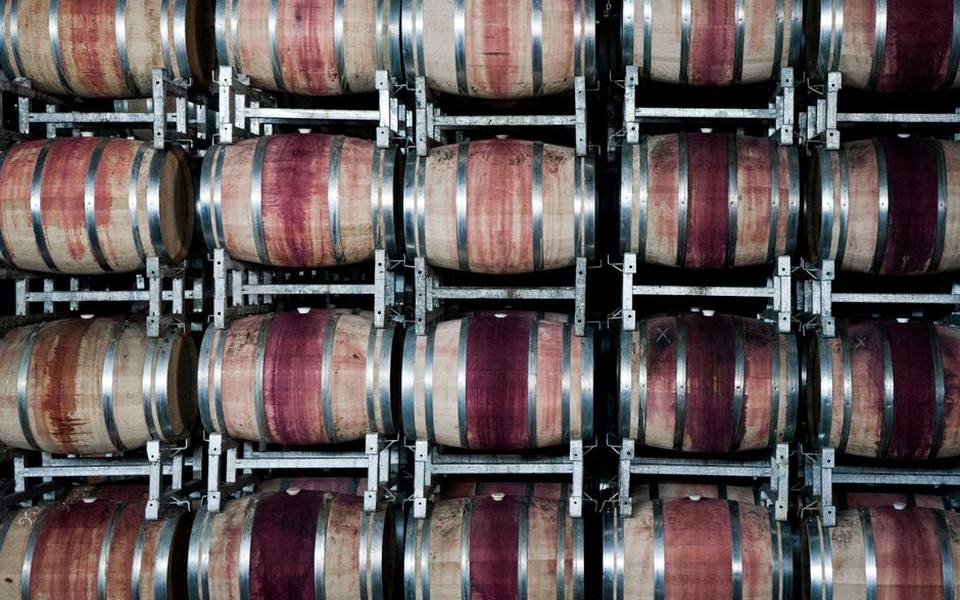
Understanding Bold Reds: Dry Wines, Tannin Profiles, and Old Vine Zinfandels
-
 Storage
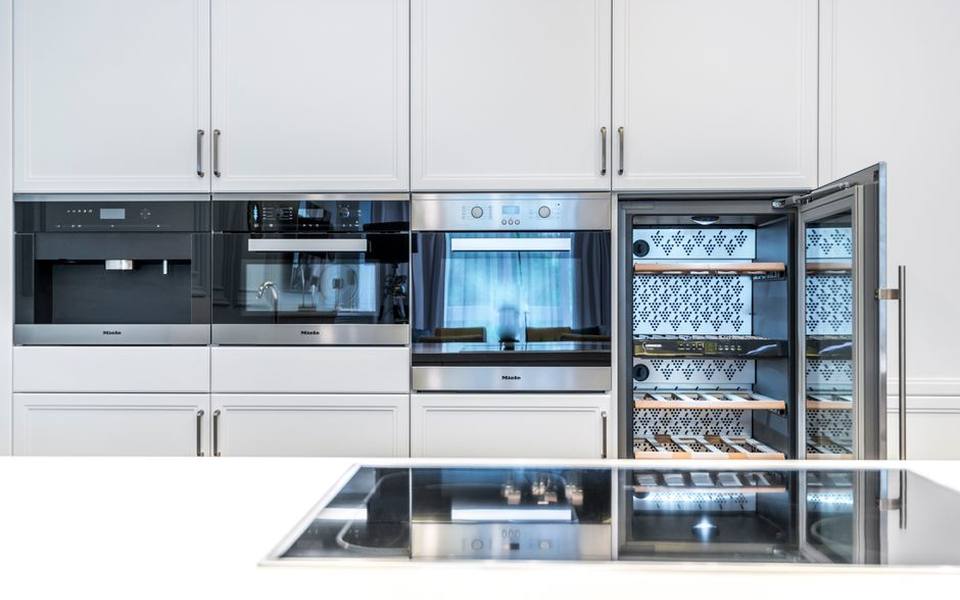
Choosing the Best Wine Fridge: Sizing, Cooling Zones, and Placement Guide
-
 Buying
Non-Alcoholic Wine Guide: Methods, Profiles, and What to Expect
-
 Buying
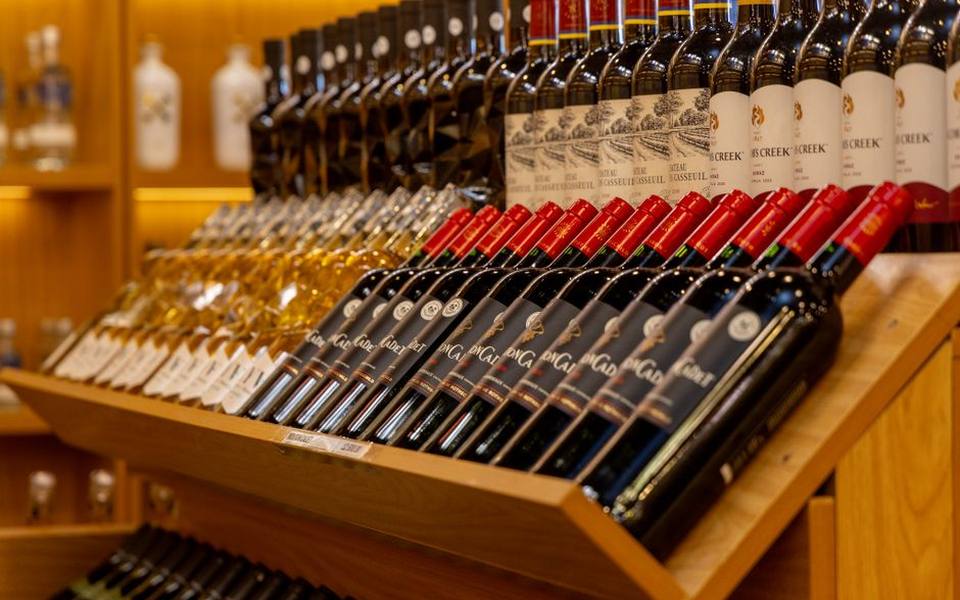
Personalized Wine Gifts: Custom Bottles, Engraved Glasses, and Custom Labels
-
 Owning
Essential Wine Accessories: Openers, Preservation Systems, Decanters, and Storage
-
 Buying
White and Rosé Wines: From Crisp Whites to Dry Rosés and Late Harvest Riesling
-
 Buying
Food and Wine Pairing Guide: Salmon, Turkey, Ham, Lamb, and Lasagna
-
 Buying
Large Format Wine Bottles: Magnums, Jeroboams, and Champagne Sizes Explained
-
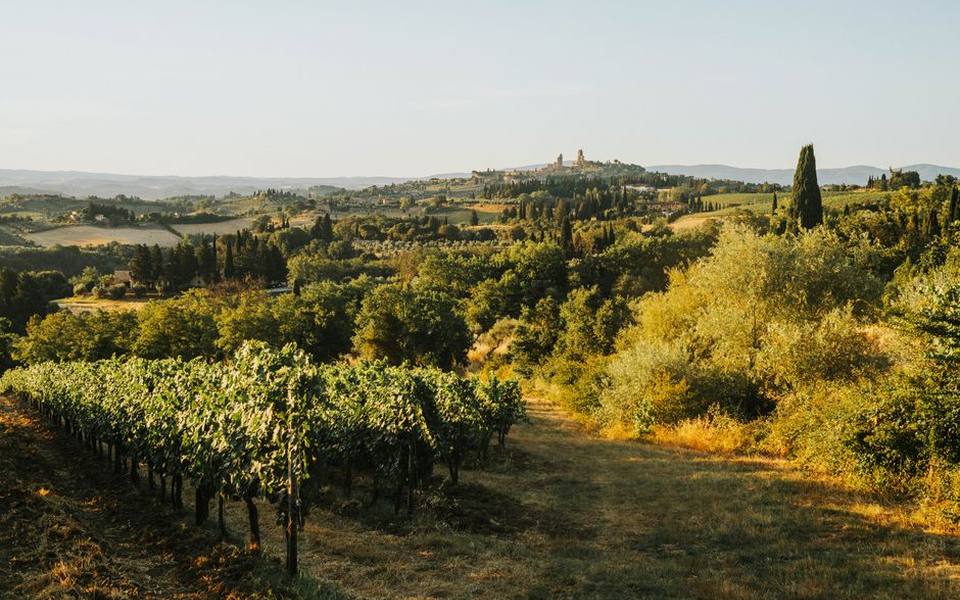 Service
Farm Wineries, Agritourism, and Sustainable Vineyard Experiences Across America
-
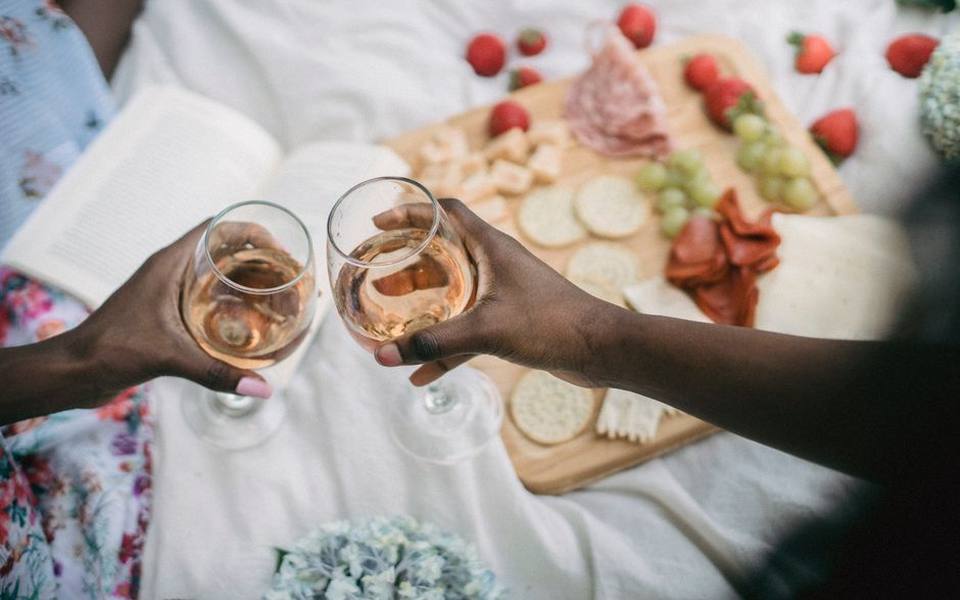 Owning
Wine and Food Pairing Guide: Charcuterie Boards, Cheeses, and Dinner Courses
-
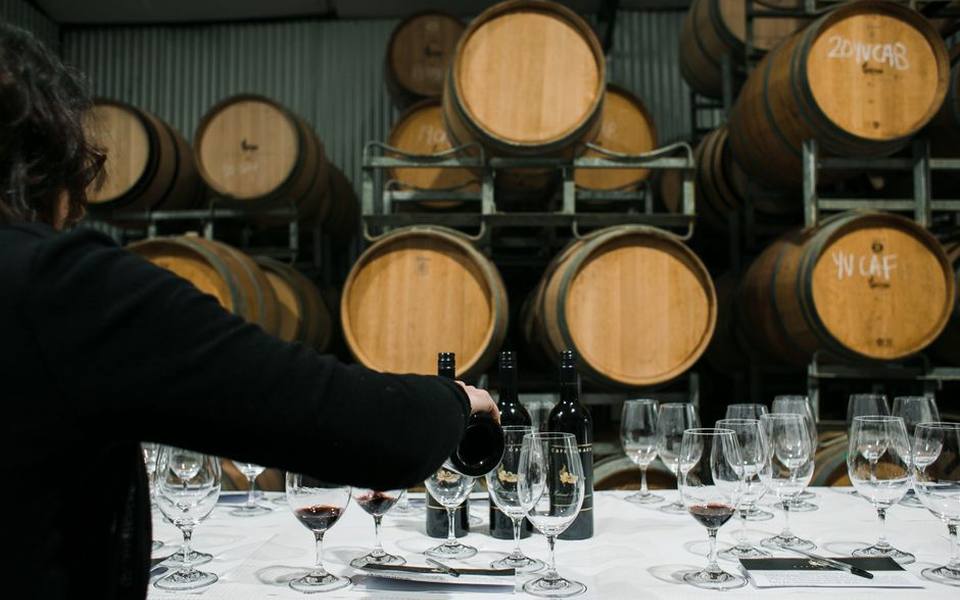 Buying
Specialty Wines, Modern Cellar Styles, and Buying Smart Online
-
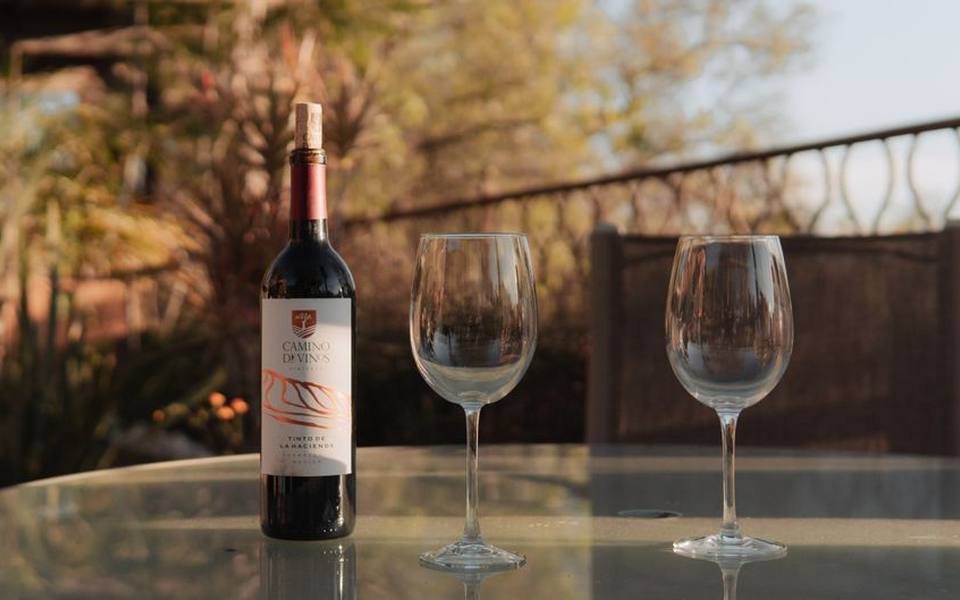 Owning
Planning Memorable Vineyard Visits, Historic Estates, and Tasting Room Escapes
-
 Buying
Sweet and Refreshing White Wines: A Guide to Styles, Grapes, and Tasting Profiles
-
 Service
Cooking with Wine and the Practical Art of Culinary Pairings
-
 Owning
Luxury Glassware and Crystal Stemware: A Guide to Vintage Patterns, Modern Makers, and Care
-
 Storage
Modern Wine Refrigerators and Coolers: Sizing, Placement, and Everyday Performance
-
 Service
Winery & Vineyard Weddings: Venues, Planning, and Event Etiquette
-
 Owning
Electric Wine Openers, Vacuum Stoppers, and Preservation Systems: A Complete Guide
-
 Safety
Traveling with Wine: Suitcases, Luggage Bags, and Airline Rules
-
 Buying
Red Wine Varietals Explained: Malbec, Cabernet, Merlot, and Zinfandel
-
 Owning
Artisan Charcuterie Boards and Wine Party Snack Styling Guide
-
 Buying
Finding and Repurposing Used Oak Wine Barrels for Home and Garden
-
 Buying
Garlic Infused and Extra Virgin Olive Oils: Flavors, Brands, and Culinary Uses
-
 Buying
US Wine Trails and Estate Wineries: Scenic Routes and Destination Guide
-
 Buying
Crystal Wine Glasses, Fine Stemware, and Barware Accessories Guide
-
 Service
The Complete Guide to Winery Visits: Tastings, Vineyard Tours, and Visitor Experiences
-
 Owning
Pairing Wine with Charcuterie, Cheeses, and Seasonal Dinners
-
 Buying
Wine Glassware, Decanters, and Accessories Buyer Guide
-
 Storage
Home Wine Storage, Refrigeration, and Cellar Inventory Guide
-
 Buying
Winery Tours, Tasting Room Experiences, and Vineyard Weddings