What Really Happens When Wine Is Cooked
Adding wine to a hot pan changes both its chemical structure and the flavor profile of your dish. As the liquid heats, alcohol begins to vaporize, but it rarely disappears completely. Laboratory tests indicate that depending on cooking time and pan surface area, simmered dishes typically retain between five and forty percent of their original alcohol content. A fast pan deglaze holds onto significantly more alcohol than a stew braised slowly over three or four hours.
Beyond alcohol reduction, heat concentrates the wine's natural acids, sugars, and tannins. Water evaporates rapidly, leaving behind malic, tartaric, and lactic acids that brighten heavy fats and soften collagen in tough cuts of meat. However, this concentration effect means that any flaws in the wine become amplified. Heavily oaked whites can turn unpleasantly bitter when reduced, and overly tannic reds can impart an astringent, dry texture to an otherwise balanced sauce.
Grocery store cooking wines are treated with salt, preservatives, and coloring agents to give them an indefinite shelf life. These additions often inject harsh chemical notes and excessive sodium into your food, making it nearly impossible to control the final seasoning. A sound rule of thumb in the kitchen is to cook only with dry, unfortified wines that you would willingly drink from a glass.
Selecting the Right Bottles for Braises, Sauces, and Deglazing
For long, slow braises such as beef short ribs or lamb shanks, medium-bodied red wines with modest tannins and bright fruit character work best. Varieties like Merlot, Syrah, or Garnacha dissolve the rich gelatin in connective tissues without overpowering the natural savory flavors of the meat. High-tannin reds like young Cabernet Sauvignon can turn harsh after hours of simmering on the stovetop.
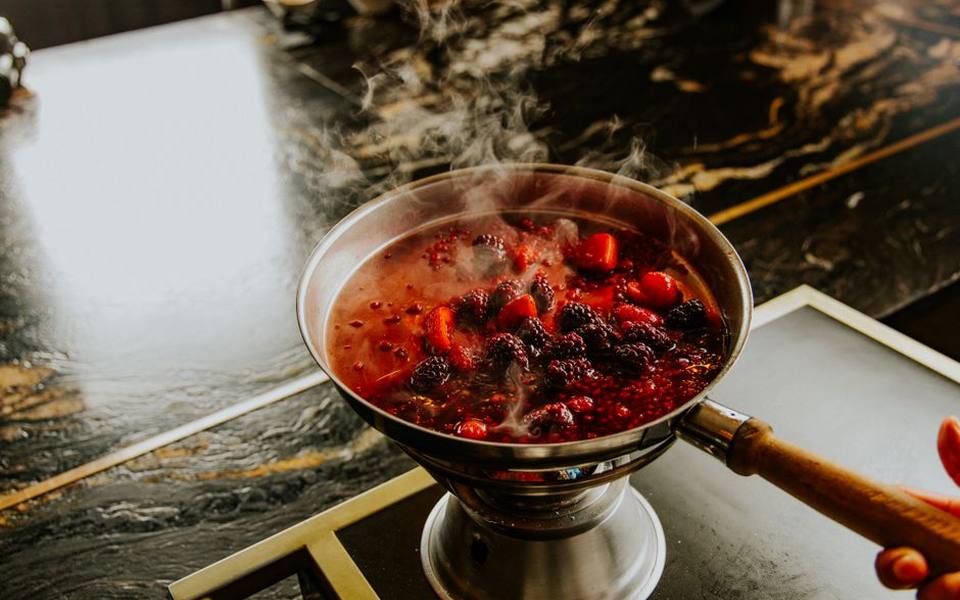
When building pan sauces for poultry, pork, or seafood, crisp and unoaked dry whites are the universal workhorse. Wines with clean acidity, such as Pinot Grigio or dry Riesling, easily lift browned bits of fond from stainless steel or cast iron. The acid balances buttery pan emulsions, giving veloutés and beurre blancs a crisp backbone that prevents them from tasting overly heavy or greasy on the palate.
Fortified bottles like dry sherry, Madeira, and Marsala belong in a separate culinary category. Because these styles have already undergone controlled oxidation, they contribute deep, nutty, and caramelized notes that survive intense heat. A splash of dry sherry added to sautéed mushrooms or an onion soup base provides an earthy dimension that table wines simply cannot replicate.
Crisp Acidity: Understanding Sauvignon Blanc Pairings
Sauvignon Blanc is celebrated for its assertive acidity, citrus core, and distinctive herbal character derived from natural organic compounds called pyrazines. These aromatic traits make the grape one of the easiest partners for vibrant, vegetable-forward cooking. When paired with dishes featuring fresh cilantro, tarragon, mint, or parsley, the wine's herbaceous notes echo the green flavors on the plate rather than clashing with them.
The bright citrus profile of Sauvignon Blanc cuts through rich fats while highlighting light, clean proteins. Raw oysters, grilled halibut, and lemon-herb chicken breast all benefit from the cleansing acidity of an unoaked bottle. The wine acts like a squeeze of fresh lemon juice, sharpening the savory profile of each bite and keeping the palate refreshed throughout the meal.
One of the classic matches in the culinary world is Sauvignon Blanc served alongside fresh goat cheese, also known as Chèvre. The sharp, tangy acidity of the young cheese mirrors the tartness in the wine, allowing the softer creaminess of the dairy and the fruit notes of the grape to step forward in harmony.
Matching Rich Seafood: Crab Cakes and Wine Pairing
Crab cakes present a delightful culinary balancing act. The meat itself is sweet, delicate, and tender, but crab cakes are often bound with mayonnaise, seasoned with pungent spice blends, and pan-fried in butter. A successful wine pairing must respect the natural sweetness of the lump crab while effortlessly cutting through the richness of the fried exterior and accompanying remoulade.
A lightly oaked or lees-aged Chardonnay is a classic choice for traditional Maryland-style crab cakes. The round, creamy texture produced by malolactic fermentation mirrors the rich binding and buttery crust, while the natural orchard fruit flavors complement the sweet meat. If the crab cake is served with a bright tartar sauce or fresh lemon, an unoaked version keeps the pairing crisp and vibrant.
Sparkling wine represents another exceptional option for fried seafood cakes. The persistent bubbles physically scrub the palate clean between bites, lifting the heavy oils and leaving behind the pure, sweet salinity of the crab. For those who prefer white wines with pronounced herbal qualities, a citrus-driven bottle from cool-climate vineyards will highlight the spices mixed into the crab filling.
Herbal Complexity: Food Pairings for Cabernet Franc
Cabernet Franc often sits in the shadow of its progeny, Cabernet Sauvignon, but its unique structural profile makes it an exceptional food wine. Typically medium in body with pronounced red fruit, crushed gravel minerality, and savory notes of roasted bell pepper, it bridges the gap between light reds and heavy, brooding cellar selections. Its moderate tannins make it far more versatile at the dinner table than more aggressive varietals.
Roasted poultry and game birds provide an ideal canvas for Cabernet Franc. Roast chicken seasoned with rosemary, roasted duck breast, or pan-seared pork chops pair naturally with the wine's herbal undertones. Because the variety retains vibrant natural acidity, it easily handles sweet and sour glazes, balsamic reductions, and dishes incorporating stewed tomatoes or sweet bell peppers.
Vegetarian cooking also finds a reliable friend in Cabernet Franc. Earthy ingredients like roasted portobello mushrooms, lentil stews, and roasted root vegetables harmonize with the wine's rustic, forest-floor aromatics. It is one of the few red wines that can sit comfortably beside green vegetables without creating a metallic or discordant aftertaste.
The Art of Brie and Finding the Best Cheese for Pinot Noir
Soft, bloomy-rind cheeses like Brie require careful thought when pouring a glass of red wine. Brie features a rich, buttery paste protected by an edible white rind with subtle mushroom aromas. Heavy, high-tannin reds will easily overwhelm the delicate cream, making the cheese taste flat and leaving a harsh, metallic sensation on the tongue.
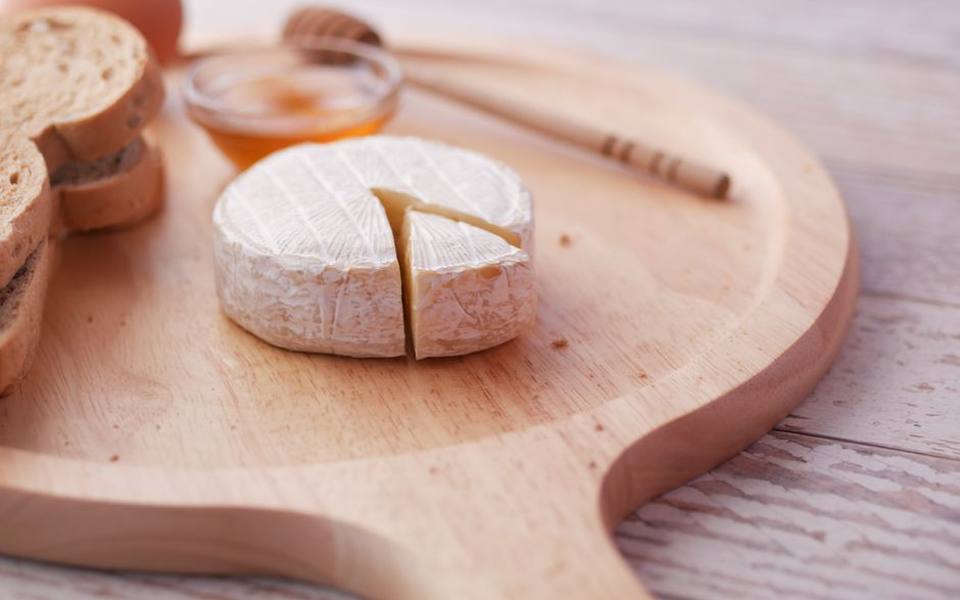
Pinot Noir is widely regarded as one of the best pairings for Brie. Its silky, light-to-medium body and low tannin level never crush the soft dairy texture. Meanwhile, the signature red berry fruit and earthy undertones of Pinot Noir create a pleasant contrast against the rich fat of the cheese, mirroring the classic combination of fresh berries served over cream.
Beyond Brie, Pinot Noir pairs beautifully with semi-firm alpine cheeses that possess nutty, savory profiles. Varieties such as Comté, Gruyère, and Fontina carry enough salt and complex umami to match the forest-floor complexity of cool-climate bottles. Soft-ripened cheeses like Camembert or washed-rind Taleggio also make great companions, provided the cheese has not reached an overly pungent stage of ripeness.
Everyday Snacks That Naturally Elevate a Glass of Wine
You do not need a four-course dinner to appreciate thoughtful pairings; casual pantry snacks can be just as rewarding when matched to the right bottle. Salted Marcona almonds, for instance, provide rich fats and clean sea salt that smooth out the biting acidity of sparkling wines and crisp whites. The fat in the nut coats the tongue, making each subsequent sip feel rounder and more fruit-forward.
Cured meats like prosciutto, bresaola, and dry salami offer simple, savory satisfaction. The combination of concentrated animal protein, rich fat, and curing salt demands a wine with refreshing acidity or subtle tannin. A dry rosé or a light-bodied red cuts right through the cured fat, leaving the palate clean and primed for the next bite without dulling the subtle spices of the meat.
Simple potato chips and buttered popcorn are surprisingly effective partners for sparkling wine and dry whites. The heavy salt and oil on fried potato chips are completely neutralized by the high acid and effervescence of a good sparkler. Similarly, aged white cheddar squares or castelvetrano olives offer an effortless spread for weeknight unwinding without complicated kitchen preparation.
Sweet Endings: Balancing Dessert and Wine Pairings
The golden rule of pairing dessert with wine is simple: the wine in your glass must always be sweeter than the dessert on your plate. If the dessert contains more sugar than the wine, the wine will immediately taste sharp, thin, and unpleasantly sour by comparison. Achieving this harmony requires evaluating the sweetness level of both components before making a selection.
Fruit-based desserts, such as apple tarts, poached pears, or berry galettes, pair wonderfully with late-harvest Rieslings, Sauternes, or sweet Muscat. These wines balance their intense sugar levels with electric acidity, highlighting the natural flavors of baked orchard fruit without turning cloying. The stone fruit and honeyed notes of the wine echo the caramelized crusts of traditional pastry.
Dark chocolate and rich cocoa desserts present a different challenge due to their inherent bitterness and drying tannins. Heavy dark chocolate pairs best with fortified styles like vintage port, tawny port, or late-bottled vintage varieties. The fortified spirit, high residual sugar, and dark berry profile of port envelop the cocoa solids, creating a luxurious and velvety finish.
Navigating the Wine Bar and Modern Restaurant Program
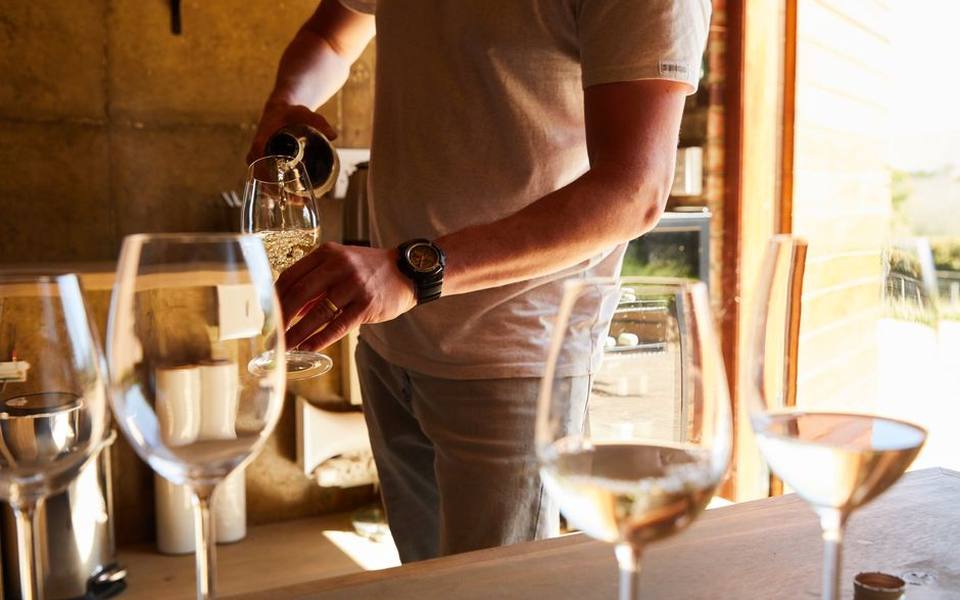
Modern wine bars have transformed how diners explore unfamiliar bottles. Rather than committing to a full bottle, guests can take advantage of curated tasting flights to sample distinct regions and grape varieties side by side. A well-designed list will feature diverse styles organized by weight, acidity, or geography, making discovery approachable for every palate.
Ordering wine by the glass allows diners to adjust their drink choices with each course of a meal. When selecting glasses, it is worth asking staff how long particular bottles have been open. Establishments using inert gas preservation systems or vacuum dispensers ensure that delicate whites and older reds retain their aromatic freshness long after the cork has been drawn.
Do not hesitate to ask for a brief taste before committing to a full glass, especially when ordering an unfamiliar native grape or natural wine style. Most reputable wine bars encourage this dialogue, allowing you to confirm that the bottle meets your personal taste preferences before your starter or charcuterie arrives at the table.
Inside the Fine Dining Wine Experience
In a fine dining setting, the wine program is engineered to integrate seamlessly with the culinary vision of the kitchen. Multi-course tasting menus often feature dedicated pairings designed by a head sommelier, where each pour balances the weight, temperature, and aromatic compounds of a specific dish. This meticulous service elevates simple consumption into an orchestrated sensory journey.
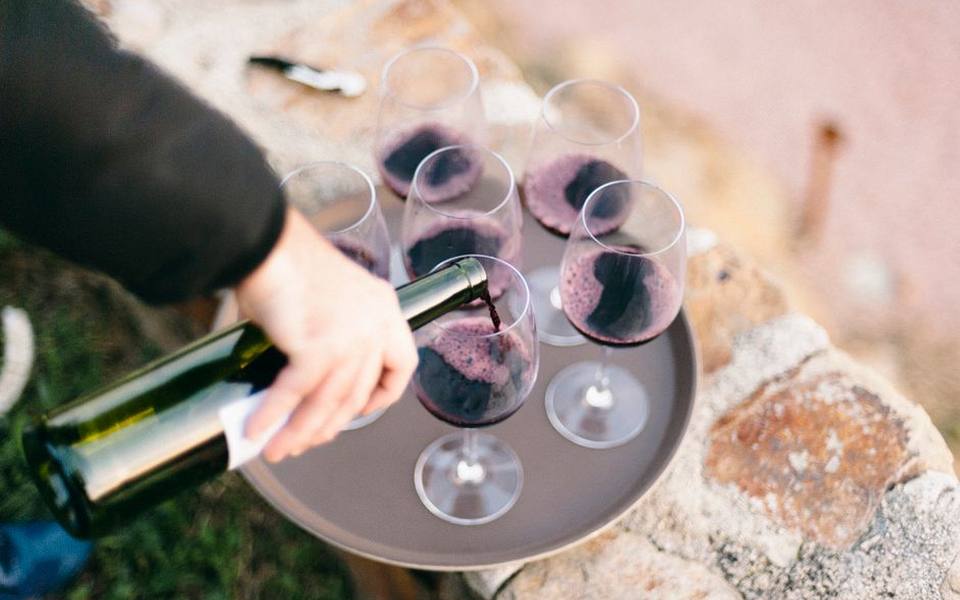
The ritual of tableside service exists to protect the guest's dining experience. When a sommelier presents the bottle, they are confirming the vintage and producer before drawing the cork. The small sample poured into your glass allows you to check for cork taint, oxidation, or off-odors before the wine is distributed to the entire table. If a bottle is flawed, a professional establishment will quietly replace it without dispute.
Decanting plays an essential functional role in luxury dining. Young, tightly wound reds benefit from vigorous aeration, which softens aggressive tannins and opens up latent aromas. For older library vintages, delicate decanting over a light source separates the clear wine from bitter sediment settled at the bottom of the bottle, ensuring a smooth pour.
Exploring Wine and Food Pairings at the Vineyard Table
Nothing compares to experiencing food and wine pairings directly at the source. Across premier growing areas, producers increasingly welcome visitors with hospitality concepts centered around estate gastronomy. Guests can discover how regional soils influence the plate by booking reservations at wineries with food, where farm-to-table menus are specifically designed to highlight current cellar releases.
In the cool hills of the Pacific Northwest, exploring Oregon wineries gives visitors an intimate look at how local Pinot Noir and Chardonnay match regional cheeses, wild mushrooms, and coastal seafood. The cool maritime breezes preserve delicate acidity in the fruit, producing elegant bottles that shine brightest when served alongside fresh, locally sourced ingredients.
Further south, the diverse valleys of California wineries offer everything from rustic vineyard picnics to world-class estate dining rooms overlooking sun-drenched vines. Tasting estate olive oil, artisan charcuterie, and aged cellar selections in the very environment where the grapes were cultivated deepens your understanding of culinary pairing and informs your everyday choices in the home kitchen.
Published 2026-09-21 · reviewed with each rebuild, last September 2026.
Find wineries near you
The directory lists 14,608 wineries by state and city — pick your state or use the “Near me” button in the header.
More guides
-
 Service
How to Become a Sommelier: Career Paths, Tasting Technique, and Practical Service
-
 Service
What to Wear to a Winery: Practical Outfits, Etiquette, and Food Pairings
-
 Owning
The Ultimate Wine and Food Pairing Guide: From Cheese to Desserts
-
 Buying
Understanding Kosher, Organic, and Biodynamic Wines: Production, Storage, and Pairings
-
 Buying
A Guide to Ordering Wine Online and Purchasing Bulk Alcohol for Events
-
 Buying
The Chemistry of Wine Fermentation: Yeast Roles, Malolactic Conversion, and Flavor Balance
-
 Buying
Understanding the Wine Sweetness Scale: From Crisp Dry to Indulgent Sweet
-
 Money
MoneyWine Tasting Costs Explained: What to Expect in Napa Valley and Beyond
-
 Owning
The Ultimate Guide to Charcuterie Boards: Styling, Pairings, and Recipes
-
 Owning
Crystal Wine Glassware Guide: Types, Brands, Care, and Stemless Styles
-
 Buying
Understanding Bold Reds: Dry Wines, Tannin Profiles, and Old Vine Zinfandels
-
 Storage
Choosing the Best Wine Fridge: Sizing, Cooling Zones, and Placement Guide
-
 Buying
Non-Alcoholic Wine Guide: Methods, Profiles, and What to Expect
-
 Buying
Personalized Wine Gifts: Custom Bottles, Engraved Glasses, and Custom Labels
-
 Owning
Essential Wine Accessories: Openers, Preservation Systems, Decanters, and Storage
-
 Buying
White and Rosé Wines: From Crisp Whites to Dry Rosés and Late Harvest Riesling
-
 Buying
Food and Wine Pairing Guide: Salmon, Turkey, Ham, Lamb, and Lasagna
-
 Buying
Large Format Wine Bottles: Magnums, Jeroboams, and Champagne Sizes Explained
-
 Service
Farm Wineries, Agritourism, and Sustainable Vineyard Experiences Across America
-
 Owning
Wine and Food Pairing Guide: Charcuterie Boards, Cheeses, and Dinner Courses
-
 Buying
Specialty Wines, Modern Cellar Styles, and Buying Smart Online
-
 Owning
Planning Memorable Vineyard Visits, Historic Estates, and Tasting Room Escapes
-
 Buying
Sweet and Refreshing White Wines: A Guide to Styles, Grapes, and Tasting Profiles
-
 Owning
Luxury Glassware and Crystal Stemware: A Guide to Vintage Patterns, Modern Makers, and Care
-
 Storage
Modern Wine Refrigerators and Coolers: Sizing, Placement, and Everyday Performance
-
 Service
Winery & Vineyard Weddings: Venues, Planning, and Event Etiquette
-
 Owning
Electric Wine Openers, Vacuum Stoppers, and Preservation Systems: A Complete Guide
-
 Safety
Traveling with Wine: Suitcases, Luggage Bags, and Airline Rules
-
 Buying
Red Wine Varietals Explained: Malbec, Cabernet, Merlot, and Zinfandel
-
 Owning
Artisan Charcuterie Boards and Wine Party Snack Styling Guide
-
 Buying
Finding and Repurposing Used Oak Wine Barrels for Home and Garden
-
 Buying
Garlic Infused and Extra Virgin Olive Oils: Flavors, Brands, and Culinary Uses
-
 Buying
US Wine Trails and Estate Wineries: Scenic Routes and Destination Guide
-
 Buying
Crystal Wine Glasses, Fine Stemware, and Barware Accessories Guide
-
 Service
The Complete Guide to Winery Visits: Tastings, Vineyard Tours, and Visitor Experiences
-
 Owning
Pairing Wine with Charcuterie, Cheeses, and Seasonal Dinners
-
 Buying
Wine Glassware, Decanters, and Accessories Buyer Guide
-
 Storage
Home Wine Storage, Refrigeration, and Cellar Inventory Guide
-
 Buying
Winery Tours, Tasting Room Experiences, and Vineyard Weddings