The Modern Reality of Non-Alcoholic Wine
Non-alcoholic wine is real wine that has undergone full fermentation and barrel aging before having its ethanol gently extracted. Unlike simple grape juice or sparkling cider, an authentic alcohol-removed bottle starts in a vineyard, where fruit develops natural acids, complex phenolics, and distinct regional character. The removal process happens at the very end of production, leaving behind trace amounts of ethanol—typically under half of one percent by volume—alongside the structural aromatics of the original grape variety.
For decades, non-alcoholic selections suffered from thin textures, flat aromatics, and excessive residual sugar added to mask structural flaws. Early industrial techniques relied on harsh heat pasteurization that cooked the delicate fruit flavors, leaving behind what tasted like pasteurized concentrate. Modern technological refinements have completely changed that baseline, allowing cellar masters to extract ethanol at ambient or chilled temperatures without stripping away essential terpenes and volatile aromatic esters.
Whether you are exploring a dry lifestyle, pacing yourself during long dinners, or simply designated driving, these bottles fill an essential gap. Understanding what happens when alcohol is removed helps set realistic expectations for mouthfeel and finish. Ethanol provides weight, perceived sweetness, and a pleasant warming sensation on the palate, so its absence requires winemakers to rely on balanced acidity, light tannin structure, and careful carbonation to deliver satisfying refreshment.
Production Methods and the Benchmark of Aromatic Whites
De-alcoholization generally relies on one of two methods: vacuum distillation or spinning cone column technology. Vacuum distillation lowers atmospheric pressure inside closed chambers so ethanol vaporizes at cool temperatures, preventing heat damage to the base vintage. Spinning cone systems take precision a step further by using centrifugal force and thin liquid films to separate volatile aroma compounds first, extract the neutral alcohol second, and delicately recombine the natural aromas into the remaining liquid base.
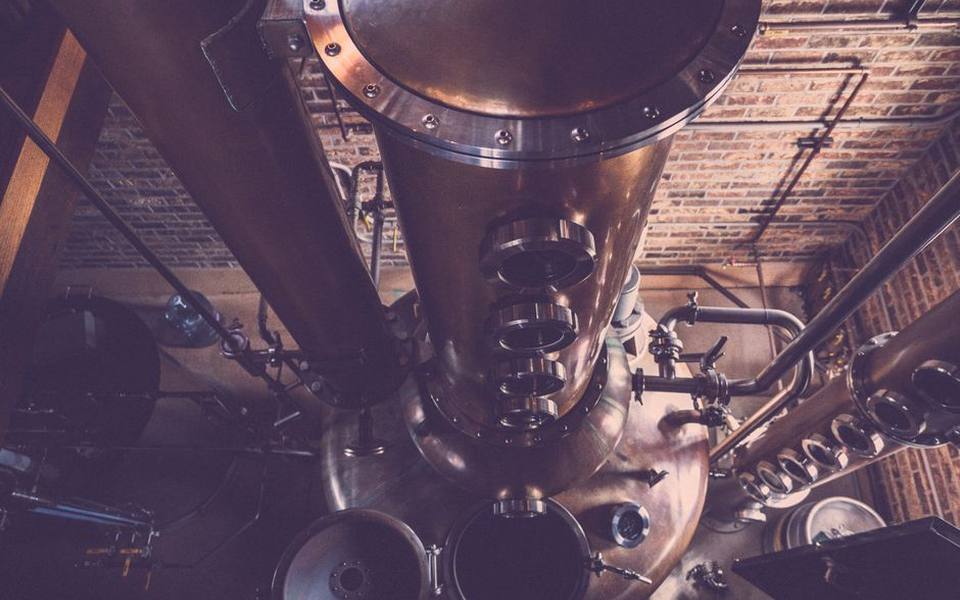
A standout example of spinning cone precision is seen in Giesen non alcoholic wine, particularly their Marlborough bottlings. Their winemaking team recognized early on that crisp, highly aromatic grapes translate exceptionally well through the de-alcoholization process. The internationally recognized Giesen sauvignon blanc non alcoholic wine demonstrates how gooseberry, freshly cut grass, and bright citrus notes can survive ethanol removal intact, providing an experience remarkably close to a traditional New Zealand pour.
Aromatic white grapes consistently outperform heavier varietals in the zero-proof category because high natural acidity and strong herbal notes compensate for the loss of alcohol body. Varieties like Riesling, Pinot Gris, and Sauvignon Blanc maintain their refreshing snap on the tongue even when stripped down to less than half a percent alcohol. Winemakers carefully manage cellar temperatures throughout this extraction process to retain that vibrant aromatic lift in every single release.
Evaluating Quality and What Makes Zero-Proof Wine Good
Determining whether a non alcoholic wine is good comes down to balance, finish, and structural honesty. When ethanol disappears, any flaw in the underlying grape material becomes immediately exposed. A high-quality bottle should smell like cellar-fermented wine, offering savory fermentation notes, yeast contact complexity, and fruit characteristics rather than unfermented sweet grape must. If a glass smells overwhelmingly like bottled jelly, the producer likely used unfermented juice instead of true de-alcoholized wine.
Mouthfeel remains the greatest hurdle for zero-proof winemakers, especially in red categories like Cabernet Sauvignon and Merlot. Alcohol carries body across the mid-palate and softens the astringency of grape tannins; without it, tannins can feel chalky or drying. The best producers compensate by blending in subtle botanical tannins, green tea extracts, or light doses of natural grape must to restore structural viscosity without making the finished beverage cloying or overly sweet.
Sparkling alcohol-free selections frequently earn the highest marks from both sommeliers and casual drinkers. Effervescence naturally mimics the textural prickle and tongue weight of ethanol, masking any absence of viscosity with energetic carbonation. A well-chilled zero-proof sparkling Blanc de Blancs or crisp rosé often satisfies the celebratory ritual of popping a cork just as convincingly as its traditional, full-strength counterparts on the table.
Visiting Wineries and Tasting Rooms as a Mindful Guest
While finding a dedicated non alcoholic winery that produces and pours only zero-proof bottles on site is still rare, hospitality across traditional wine country has evolved considerably. Estate tasting rooms increasingly welcome designated drivers, non-drinkers, and sober-curious travelers by offering thoughtfully curated flights of dealcoholized bottlings, house-made verjus, or sparkling botanical blends. This shift ensures everyone at the table shares the sensory experience of analyzing terroir, aroma, and hue.
When scheduling visits, calling ahead to ask about non-alcoholic accommodations is always wise. Many estate venues now coordinate with specialty zero-proof producers or keep high-end alcohol-removed selections behind the bar for private groups. Exploring verified wineries and tasting rooms offering wine tastings allows travelers to identify locations where hospitality teams are properly trained to accommodate guests who prefer not to consume alcohol during afternoon visits.
Tasting etiquette remains largely identical whether you are sipping an estate Pinot Noir or a chilled non-alcoholic spritzer. Take time to examine the color, swirl the glass to release aromatics, and note the acidity and fruit expression across your palate. Tasting room staff appreciate guests who engage thoughtfully with the cellar philosophy, regardless of whether you are consuming full-strength estate vintages or exploring alternative zero-proof flights.
Designing the Best Wine Trips and Guided Tasting Tours
Planning the best wine trips requires balancing scenic vineyard exploration, exceptional hospitality, and comfortable group logistics. Whether you are traveling through Northern California, the Texas Hill Country, or Central New York, modern itineraries work best when they provide flexible options for both traditional wine enthusiasts and non-drinking companions. Great estates emphasize vineyard walking paths, historical cellar architecture, and agricultural education that go far beyond basic alcohol consumption.
Booking organized, best wine tasting tours removes the stress of navigating rural country roads and assigning designated drivers among friends. Reputable tour operators handle route timing and maintain strong relationships with estate managers, ensuring private reservations and personalized attention. Look for operators who partner with guided winery tours that showcase sustainable farming, barrel-making demonstrations, and interactive cellar tours alongside standard tasting bar pours.
A successful weekend itinerary typically balances two or three estate appointments per day, leaving ample room for relaxed outdoor lunches and scenic strolls. Packing plenty of water, scheduling farm-to-table meals, and selecting venues with sprawling patio spaces prevents palate fatigue. Traveling through agricultural valleys is as much about landscape, climate, and regional cuisine as it is about what sits inside your stemware.
Regional Spotlight: Touring the Renowned Willamette Valley
Oregon's premier viticultural area is celebrated worldwide for its maritime climate, ancient marine soils, and world-class cool-climate viticulture. Travelers hunting for the best wineries to visit in the Willamette Valley will find sprawling hillside properties across sub-appellations like the Dundee Hills, Eola-Amity Hills, and Yamhill-Carlton. The region's focus on organic agriculture and small-batch production creates an intimate, unhurried atmosphere that contrasts sharply with higher-volume industrial destinations.
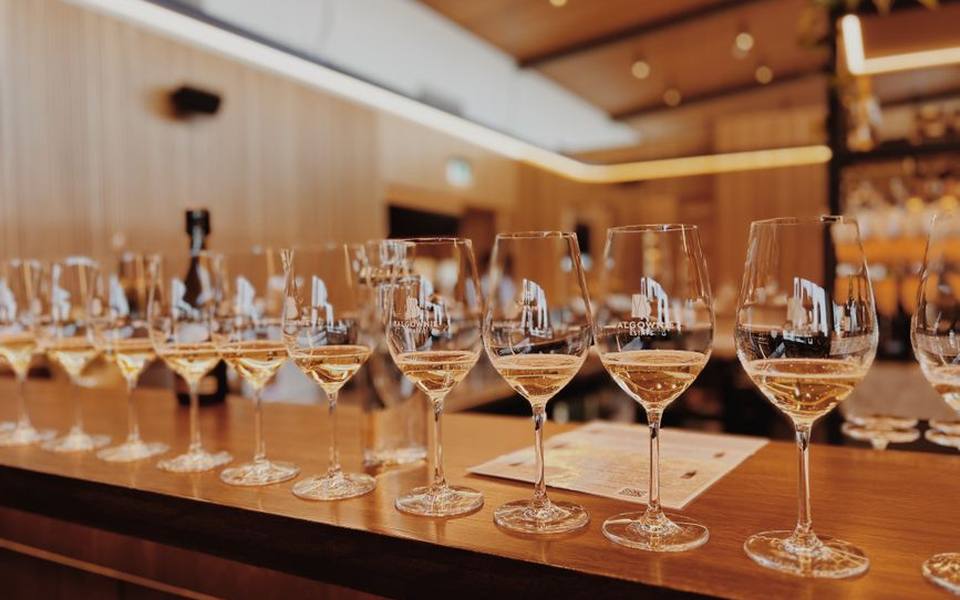
Cool-climate grapes like Pinot Noir and Chardonnay grown throughout the valley possess naturally elevated acidity and vibrant aromatics. These structural traits make the regional style particularly relevant for modern low- and no-alcohol experimentation. Exploring registered wineries in Oregon reveals historic estates pioneering biodynamic farming, stunning modern tasting pavilions overlooking rolling coastal mountain ranges, and warm hospitality that welcomes every style of traveler.
Visiting Willamette Valley cellars in late spring or early autumn offers mild weather, vibrant foliage, and uncrowded tasting bars. Many estates here feature comprehensive culinary programs that highlight native hazelnuts, wild mushrooms, and Pacific Northwest cheeses. Taking the time to walk through foggy estate vineyards provides deep context on how subtle soil variations shape grape character long before any cellar processing takes place.
Classic Food Pairings: What to Pour with Spaghetti
Selecting the best wine to pair with spaghetti depends primarily on the sauce simmering in your pot. A classic spaghetti al pomodoro or meat-rich Bolognese carries high natural acidity from stewed tomatoes, requiring a companion beverage with matching tartness. Pouring a low-acid, heavy red alongside tomato sauce causes the drink to taste flat, dull, and metallic, while the sauce itself can taste unpleasantly sharp on the palate.
For traditional drinkers, the best wine to go with spaghetti marinara is an Italian Sangiovese, Chianti, or Barbera, each offering brisk acidity and rustic cherry notes. If you are serving alcohol-removed options, seek out an acid-driven non-alcoholic Pinot Noir or a dry sparkling rosé. The bright red berry notes and clean tartness of dealcoholized cool-climate reds slice right through tomato pulp and garlic without being overwhelmed by rich herbs like oregano and basil.
If your spaghetti features creamy carbonara, garlic olive oil, or rich seafood clam sauce, pivot toward refreshing white profiles. A chilled de-alcoholized Sauvignon Blanc or Pinot Grigio cuts cleanly through egg yolk, butter, and olive oil coatings. Pairing food with mindful pours becomes simple when visiting wineries with food, where kitchen teams design seasonal small plates engineered to harmonize with both traditional and zero-proof profiles.
Savory Dinners: Finding the Ideal Pairing for Lamb
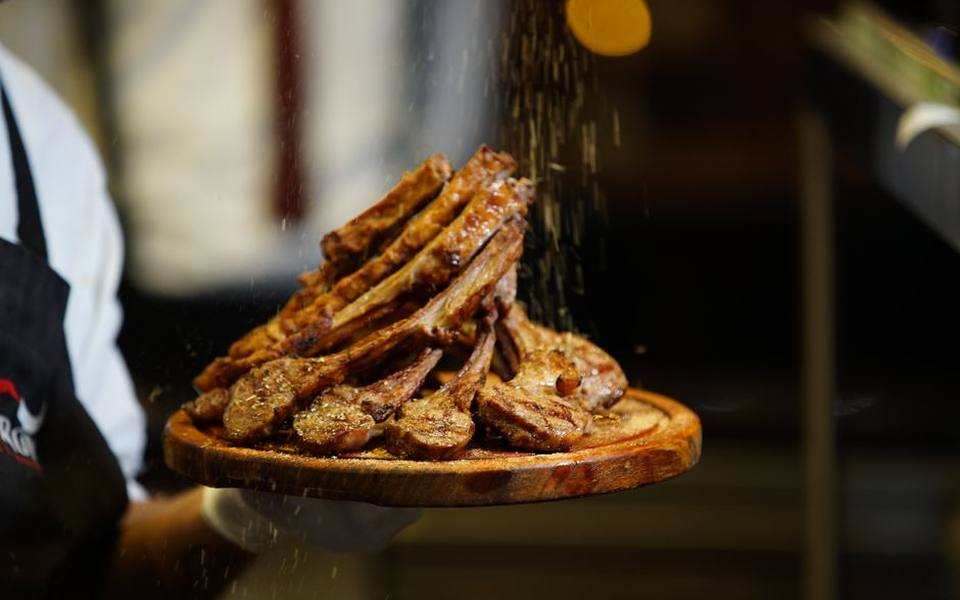
Roasted, grilled, or braised lamb features rich gamey flavors and high intramuscular fat, making it one of the most distinctive meats to pair at dinner. Deciding on the best wine pairing with lamb requires finding a bottle with enough structural intensity and savory character to match the meat's unique earthiness. High-fat cuts like lamb chops or slow-roasted shoulder demand noticeable tannins and good acidity to cleanse the palate between rich bites.
In the conventional cellar, the best wine pairing for lamb leans toward Northern Rhône Syrah, bold Cabernet Sauvignon, or aged Bordeaux, where notes of black pepper, tobacco, and dark plum complement rosemary and garlic crusts. For those exploring alcohol-removed alternatives, bold Spanish Tempranillo-style or California Cabernet dealcoholized bottles work best. Producers who reintroduce natural grape and oak tannins during finishing create the necessary structure to cut through rendered lamb fat.
Serving temperature plays a vital role when pouring red alternatives with savory roasted meats. Chilling a zero-proof red slightly below room temperature—typically around 58 to 62 degrees Fahrenheit—sharpens its acidity and keeps the fruit notes focused. This slight chill keeps alcohol-removed reds from tasting overly sweet or thin when paired alongside deeply caramelized roasted meats and savory demi-glace reductions.
Crafting Refreshing Non-Alcoholic Wine Drinks and Spritzers
De-alcoholized bottles serve as exceptional foundations for sophisticated, low-sugar non alcoholic wine drinks that go far beyond standard soda mocktails. Because quality alcohol-removed wines carry authentic fermented acid structures, they provide a balanced base that balances citrus juice, botanical syrups, and sparkling mineral waters. Mixing zero-proof wine cocktails allows entertaining hosts to serve complex, visually stunning drinks that keep social rituals feeling festive.
A classic wine spritzer is the simplest and most refreshing zero-proof cocktail to assemble. Combine three ounces of de-alcoholized crisp white or sparkling rosé with two ounces of high-mineral club soda over cracked ice. Garnish with an expressed lemon peel, fresh mint sprig, or cucumber wheel. The effervescence lifts the wine's delicate floral notes, creating a light, thirst-quenching aperitif suited for warm afternoon patio gatherings.
For evening dinner parties, non-alcoholic sangrias showcase how versatile dealcoholized reds and whites can be when macerated with fresh seasonal produce. Steep sliced oranges, crisp apples, and tart blackberries in dealcoholized red wine with a cinnamon stick and a dash of non-alcoholic orange bitters for several hours. The natural fruit sugars and spices infuse directly into the wine, restoring mid-palate weight and creating a balanced communal beverage.
Storage Guidelines, Shelf Life, and Purchasing Tips
Unopened bottles of dealcoholized wine are shelf-stable, but they do not improve with extended cellar aging. Ethanol acts as a natural preservative and antioxidant; without it, wine is more susceptible to oxidation over time. Most producers recommend opening non-alcoholic bottles within twelve to eighteen months of their packaging date. Store unopened inventory in a cool, dark pantry away from direct sunlight and sharp temperature fluctuations.
Once opened, alcohol-removed wines spoil much faster than standard twelve-percent table bottles. Without ethanol to inhibit bacterial activity, an open bottle exposed to oxygen typically maintains peak freshness for only two to four days inside a refrigerator. Always reseal opened bottles tightly with a vacuum stopper or original screw cap and keep them chilled, even when storing red varieties, to slow down oxidation and aromatic breakdown.
When purchasing bottles online or at specialty retail shops, inspect labels carefully for production transparency. Seek out brands that specify their de-alcoholization technique, grape varietal origin, and residual sugar content per serving. Premium producers typically keep residual sugars low—often under four grams per serving—ensuring the resulting pour delivers dry vinous refreshment rather than an artificial, sugary syrup.
Published 2026-09-21 · reviewed with each rebuild, last September 2026.
Find wineries near you
The directory lists 14,608 wineries by state and city — pick your state or use the “Near me” button in the header.
More guides
-
 Service
How to Become a Sommelier: Career Paths, Tasting Technique, and Practical Service
-
 Service
What to Wear to a Winery: Practical Outfits, Etiquette, and Food Pairings
-
 Owning
The Ultimate Wine and Food Pairing Guide: From Cheese to Desserts
-
 Buying
Understanding Kosher, Organic, and Biodynamic Wines: Production, Storage, and Pairings
-
 Buying
A Guide to Ordering Wine Online and Purchasing Bulk Alcohol for Events
-
 Buying
The Chemistry of Wine Fermentation: Yeast Roles, Malolactic Conversion, and Flavor Balance
-
 Buying
Understanding the Wine Sweetness Scale: From Crisp Dry to Indulgent Sweet
-
 Money
MoneyWine Tasting Costs Explained: What to Expect in Napa Valley and Beyond
-
 Owning
The Ultimate Guide to Charcuterie Boards: Styling, Pairings, and Recipes
-
 Owning
Crystal Wine Glassware Guide: Types, Brands, Care, and Stemless Styles
-
 Buying
Understanding Bold Reds: Dry Wines, Tannin Profiles, and Old Vine Zinfandels
-
 Storage
Choosing the Best Wine Fridge: Sizing, Cooling Zones, and Placement Guide
-
 Buying
Personalized Wine Gifts: Custom Bottles, Engraved Glasses, and Custom Labels
-
 Owning
Essential Wine Accessories: Openers, Preservation Systems, Decanters, and Storage
-
 Buying
White and Rosé Wines: From Crisp Whites to Dry Rosés and Late Harvest Riesling
-
 Buying
Food and Wine Pairing Guide: Salmon, Turkey, Ham, Lamb, and Lasagna
-
 Buying
Large Format Wine Bottles: Magnums, Jeroboams, and Champagne Sizes Explained
-
 Service
Farm Wineries, Agritourism, and Sustainable Vineyard Experiences Across America
-
 Owning
Wine and Food Pairing Guide: Charcuterie Boards, Cheeses, and Dinner Courses
-
 Buying
Specialty Wines, Modern Cellar Styles, and Buying Smart Online
-
 Owning
Planning Memorable Vineyard Visits, Historic Estates, and Tasting Room Escapes
-
 Buying
Sweet and Refreshing White Wines: A Guide to Styles, Grapes, and Tasting Profiles
-
 Service
Cooking with Wine and the Practical Art of Culinary Pairings
-
 Owning
Luxury Glassware and Crystal Stemware: A Guide to Vintage Patterns, Modern Makers, and Care
-
 Storage
Modern Wine Refrigerators and Coolers: Sizing, Placement, and Everyday Performance
-
 Service
Winery & Vineyard Weddings: Venues, Planning, and Event Etiquette
-
 Owning
Electric Wine Openers, Vacuum Stoppers, and Preservation Systems: A Complete Guide
-
 Safety
Traveling with Wine: Suitcases, Luggage Bags, and Airline Rules
-
 Buying
Red Wine Varietals Explained: Malbec, Cabernet, Merlot, and Zinfandel
-
 Owning
Artisan Charcuterie Boards and Wine Party Snack Styling Guide
-
 Buying
Finding and Repurposing Used Oak Wine Barrels for Home and Garden
-
 Buying
Garlic Infused and Extra Virgin Olive Oils: Flavors, Brands, and Culinary Uses
-
 Buying
US Wine Trails and Estate Wineries: Scenic Routes and Destination Guide
-
 Buying
Crystal Wine Glasses, Fine Stemware, and Barware Accessories Guide
-
 Service
The Complete Guide to Winery Visits: Tastings, Vineyard Tours, and Visitor Experiences
-
 Owning
Pairing Wine with Charcuterie, Cheeses, and Seasonal Dinners
-
 Buying
Wine Glassware, Decanters, and Accessories Buyer Guide
-
 Storage
Home Wine Storage, Refrigeration, and Cellar Inventory Guide
-
 Buying
Winery Tours, Tasting Room Experiences, and Vineyard Weddings