The Balance of Acidity and Sugar in Refreshing White Wines
A truly refreshing white wine depends far more on balanced acidity than on whether it is technically dry or sweet. When a grape ripens on the vine, sugar levels rise while natural tartaric and malic acids decline. Winemakers working in cooler microclimates or harvesting early preserve that brisk acidity, giving the finished pour a clean, mouthwatering sensation. Even a wine with noticeable residual sugar will feel crisp and vibrant rather than syrupy if the natural acids remain high enough to lift the palate.
Residual sugar refers to the natural grape sugars left unfermented after yeast finishes its work. Dry white wines typically contain less than a few grams of sugar per liter, leaving no perceptible sweetness on the tongue. In contrast, off-dry and sweet white wine styles intentionally retain anywhere from ten to well over one hundred grams per liter. Understanding where a bottle lands along this sweetness spectrum helps buyers select the right profile for backyard gatherings, weeknight meals, or dessert pairings.
Perceived sweetness also interacts directly with alcohol levels and serving temperatures. Lower-alcohol whites often retain more natural sugars because the fermentation process was halted before all sugars converted into ethanol. At the same time, heavy alcohol can impart a deceptive perception of sweetness even in dry bottles. Chilling a bottle reduces the volatility of aromatic compounds and firms up perceived acidity, which keeps refreshing white wines tasting clean across diverse dining settings.
Crisp and Unoaked Sauvignon Blanc Profiles
Sauvignon Blanc remains one of the world's most dependable choices for vibrant, bone-dry refreshment. When vinified entirely in temperature-controlled stainless steel tanks, the grape showcases its raw varietal character without vanilla, toast, or butter notes from oak barrels. An unoaked sauvignon blanc preserves brisk natural acidity, delivering bright aromatics reminiscent of lime zest, green apple, fresh lemongrass, and flinty minerality that clean the palate after every sip.
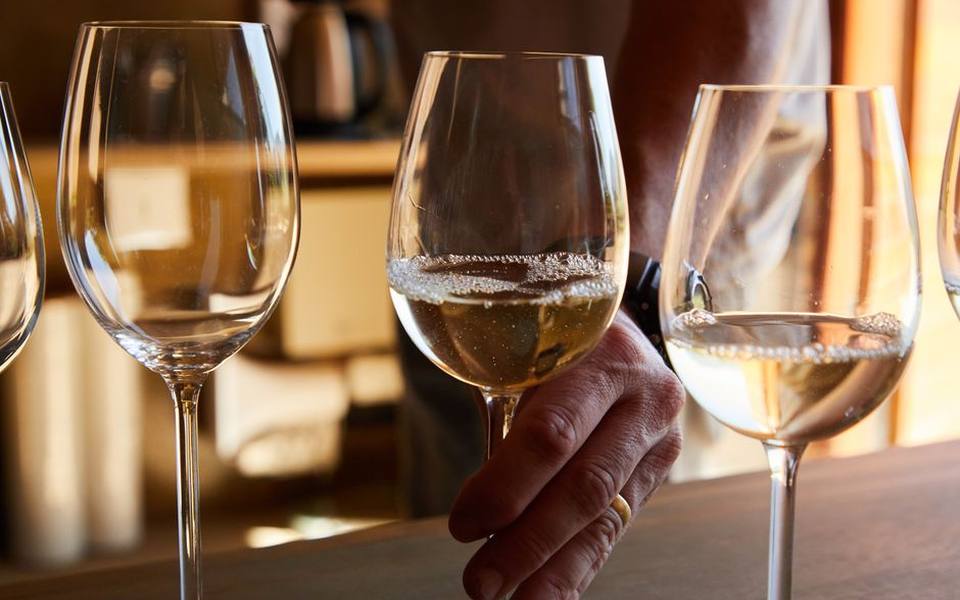
Different growing environments dramatically shift the flavor profile of crisp sauvignon blanc. Cooler growing regions yield wines marked by herbal edges, gooseberry, boxwood, and snappy grapefruit flavors. Warmer coastal valleys produce styles leaning into ripe passionfruit, white peach, and honeydew melon while maintaining a lean core. Neither style relies on residual sugar; the sensation of refreshment comes almost entirely from sharp acidity slicing cleanly across the tongue.
Choosing an unoaked style is particularly useful for light appetizers, fresh shellfish, and tangy cheeses like goat chèvre. The absence of heavy barrel influence prevents the wine from overpowering delicate food flavors. When shopping, scan the back label for phrases like stainless-fermented or matured in neutral tanks to ensure you bring home a clean, electric white rather than a rounder, wood-aged version.
Navigating Chardonnay Tastings and Modern Variations
During a traditional chardonnay tasting, you will encounter significant stylistic divergence based purely on cellar handling. The grape itself is relatively neutral, absorbing cellar techniques like a canvas. Warm-climate iterations aged in toasted French or American oak barrels undergo malolactic conversion, turning sharp malic acid into creamy lactic acid for a rich, buttery profile filled with baked apple and hazelnut. Unoaked versions, conversely, deliver pristine lemon, green pear, and slate minerality.
Understanding these cellar pathways helps buyers navigate retail shelves and tasting room menus with confidence. If you favor lean, stony wines similar to northern French styles, seek bottles harvested from foggy coastal AVAs where cool nights prolong hang time and preserve natural snap. Those who enjoy plush textures with hints of pie crust and butterscotch can look toward inland valley fruit aged sur lie with regular barrel stirring.
Modern producers also cater to consumers seeking alcohol-free alternatives without sacrificing the varietal structure of white grapes. Dealcoholized options such as Ariel Chardonnay use vacuum distillation or reverse osmosis to gently remove ethanol while retaining gentle stone fruit aromas and light oak nuances. While non-alcoholic versions carry a lighter mouthfeel due to the absence of ethanol body, they serve as a practical option for inclusive dinner tables.
Pacific Northwest Riesling Styles from Bone Dry to Sweet
Riesling reaches exceptional expression throughout the American West, especially within the dramatic diurnal temperature swings of the Columbia Valley. The grape carries naturally elevated acidity that gives it longevity and flexibility across all sweetness levels. In Washington, producers often utilize the International Riesling Foundation taste profile scale on back labels to clarify whether a specific bottling is dry, medium-dry, medium-sweet, or sweet, removing the guesswork for consumers.
Heritage brands and estate producers across wineries in Washington have long demonstrated the commercial viability of this grape. Value-driven regional bottlings like Hogue Riesling traditionally lean into off-dry balance, offering white peach, mandarin orange, and subtle floral tones backed by brisk acidity that keeps the mid-palate clean. Similarly, historical labels like Washington Hills Riesling offer a reliable look at how cooler valley floors produce stone-fruit aromas alongside focused mineral undertones.
The beauty of Northwest Riesling lies in its food utility. A bottle with moderate residual sugar neutralizes the heat of Thai curries, habanero salsas, and Szechuan peppercorns far better than a high-alcohol red. If you prefer completely dry whites, dry Riesling provides mouth-drying green apple and crushed stone notes that rival the most austere European imports.
Everyday Boxed White Wines and Casual Blends
Bag-in-box wine packaging has evolved from a budget novelty into an efficient format for high-volume entertaining and casual everyday sipping. Commercial boxed offerings like Franzia white wines—ranging from crisp white blends to sweeter chillable styles—rely on neutral, high-yield grapes sourced across warm inland agricultural valleys. These wines are processed for immediate accessibility, soft acidity, and clean fruit flavors designed to be poured directly over ice or served straight from the refrigerator tap.
The primary advantage of bag-in-box storage lies in its oxygen barrier. As wine is dispensed through the spigot, the interior bladder collapses without admitting air, preventing oxidation for several weeks after the first pour. This contrasts sharply with traditional glass bottles, which generally begin degrading within three to five days of being uncorked on the kitchen counter.
While bulk white blends do not offer the terroir complexity or cellar potential of small-batch vineyard designations, they fulfill an important role for punch bases, warm-weather sangrias, and high-turnover casual events. When shopping this category, look for crisp white or pinot grigio formulations if you prefer dry, neutral flavors, or reach for white blend options if you want a softer, slightly sweeter profile.
Late-Harvest Dessert Wines and Concentrated Styles
When grapes are left hanging on the vine past normal harvest dates into late autumn, they dehydrate, losing moisture while concentrating their natural sugars, acids, and aromatics. A late harvest dessert wine captures this rich intensity directly from the vineyard without artificial sweetening. The resulting liquid offers deep amber or gold hues, thick legs along the glass wall, and layered aromatic notes of apricot jam, candied orange peel, wild honey, and toasted almond.
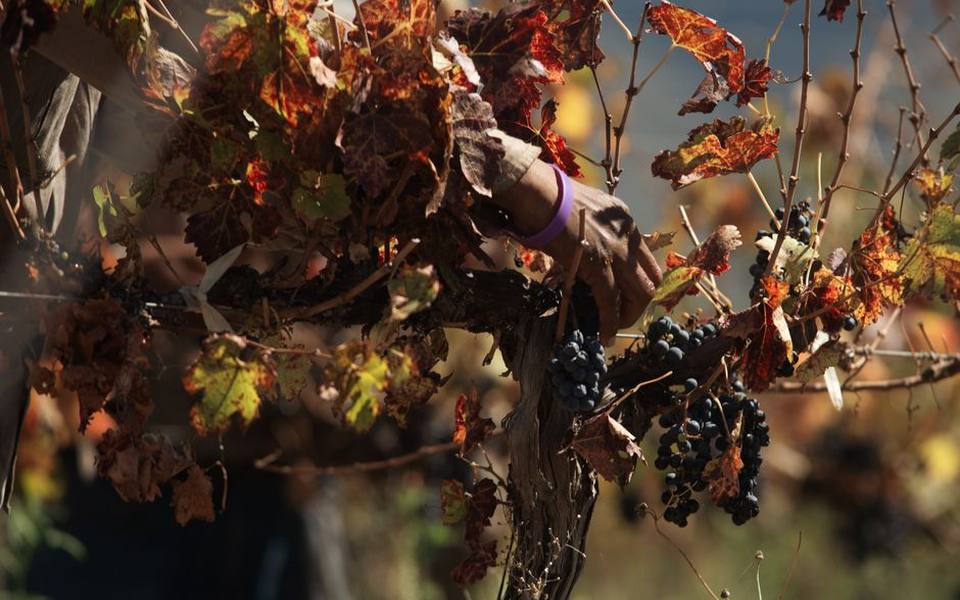
In certain microclimates with humid mornings and dry afternoons, beneficial mold known as Botrytis cinerea—or noble rot—punctures grape skins and accelerates dehydration. This process adds unmistakable notes of beeswax, saffron, and ginger marmalade to the final vintage. While Riesling, Semillon, and Sauvignon Blanc are the traditional vehicles for botrytized and late-picked styles, occasional curiosities like late harvest chardonnay surface from adventurous producers, delivering baked pear, crème brûlée, and caramelized apple nuances.
Acidity remains the single most critical factor in late-harvest winemaking. Without bright underlying acid, high residual sugar results in a heavy, cloying dessert wine that quickly tires the palate. High-caliber producers harvest carefully to ensure the concentrated sugars are balanced by an energetic backbone, allowing the wine to refresh even as it coats the tongue with nectar.
True Icewine and Cold-Climate Dessert Classics
True icewine represents one of the most labor-intensive categories in the entire wine industry. Grapes must freeze naturally on the vine, typically requiring temperatures to drop below seventeen degrees Fahrenheit before hand-harvesting begins in the dead of winter. The frozen grapes are pressed immediately while frozen solid; water crystals remain behind in the press as ice, yielding only a tiny fraction of intensely concentrated, sugar-dense juice for fermentation.
Cold-climate regions bordering the Great Lakes, including the Niagara Peninsula and cool-climate wineries in New York, excel at this specialized craft. The thick-skinned hybrid grape Vidal Blanc is widely favored because its hardy berries resist splitting during freezing autumn rains. Acclaimed producers like Peller Estates Vidal Icewine showcase how this grape delivers tropical aromas of mango, lychee, and baked peach balanced by laser-like acidity.
Because yields are minuscule and weather risks are substantial, authentic icewines command premium pricing and are almost universally packaged in slender half-bottles. When buying, ensure the label says Icewine as a single word rather than iced wine; the latter often indicates commercial grapes frozen artificially in a commercial warehouse freezer rather than hanging through genuine winter frost.
Serving Temperatures and Proper Glassware Selection
Serving temperature drastically impacts how you perceive sugar and acid in white wine. Cold temperatures suppress volatility and heighten perceived acidity, making crisp whites taste sharp and refreshing. However, over-chilling a high-quality bottle straight out of an icy sub-forty-degree refrigerator can completely numb the delicate aromas of peach, honeysuckle, and melon, leaving the wine tasting flat and one-dimensional.
As a practical rule of thumb, crisp unoaked whites like Sauvignon Blanc and dry Riesling show best between forty-five and fifty degrees Fahrenheit. Sweeter dessert wines and icewines also benefit from this cooler bracket, which maintains their acidity against intense sugar levels. Medium-bodied and oak-aged whites, including barrel-fermented Chardonnay, show their broad aromatics and creamy textures far better slightly warmer, between fifty and fifty-five degrees.
Glassware design also steers the sensory experience. Smaller, tulip-shaped bowls preserve chilled temperatures and focus lighter floral aromatics directly toward the nose. Broader bowls work well for richer whites, providing room for air exposure to release buttery and nutty secondary aromatics. Dessert wines are traditionally poured in small two-to-three-ounce measures inside compact glassware to prevent rapid warming while concentrating rich nectar aromas.
Pairing Sweet and Crisp Whites Across Global Cuisines
Food pairing with white wine relies on either contrasting or complementary flavor mechanics. For brisk, crisp whites, acidity cuts cleanly through fatty, rich textures. A mineral-forward Sauvignon Blanc or dry Riesling acts like a squeeze of fresh lemon across pan-seared trout, fried calamari, or creamy goat cheese, resetting your palate with every bite so rich dishes never feel heavy.
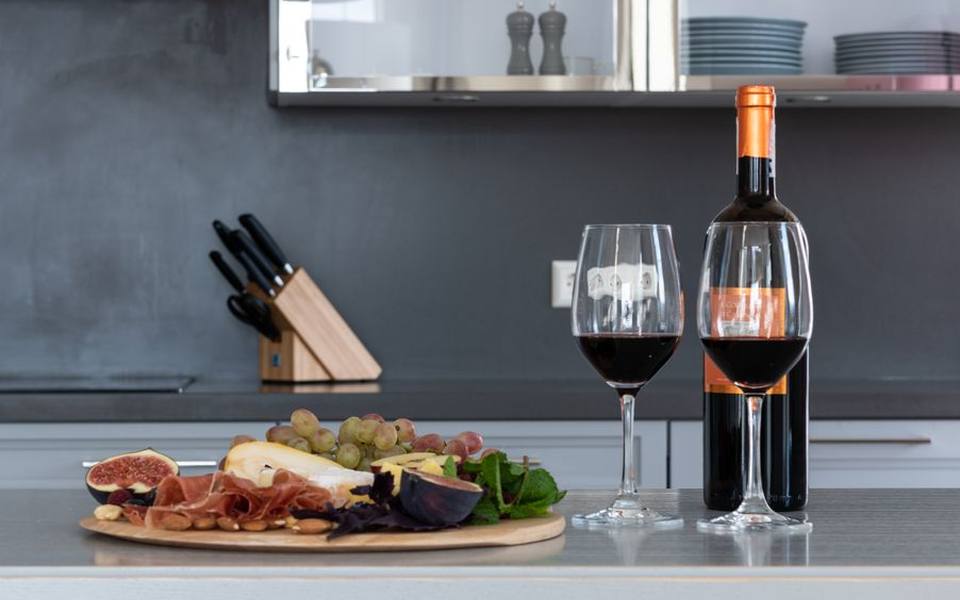
Sweet white wines follow different pairing principles altogether. When pairing with savory courses, residual sugar acts as a cooling counterweight to fiery chilies, ginger, and pungent spices found in Southeast Asian and Indian culinary traditions. The sweetness coats the tongue, reducing the burn of capsaicin while highlighting the herbs and aromatics in the dish.
For dessert pairings, wine must always be noticeably sweeter than the dessert on the plate; otherwise, the food will strip the wine of its fruit notes, leaving it tasting sour and bitter. Pair late-harvest styles with fruit tarts, cheesecake, or washed-rind cheeses, and save concentrated icewines for lemon meringue, pavlova, or simply enjoying on their own as the final course of the evening.
Tasting Room Sampling and Ordering by the Glass
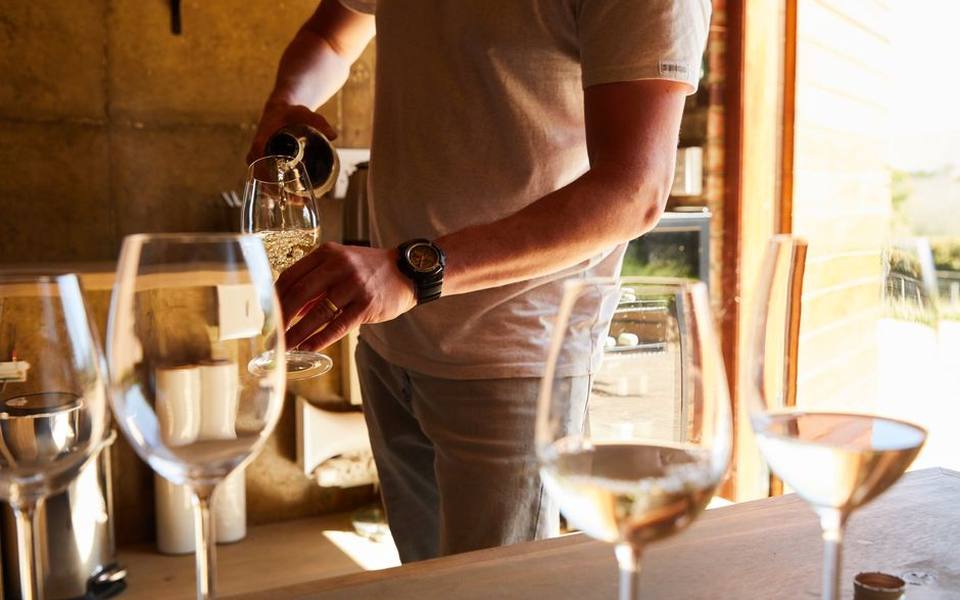
Navigating a tasting room lineup or restaurant cellar list can be intimidating when wine descriptions are brief. When visiting producers, booking structured wine tasting flights allows you to evaluate dry, off-dry, and late-harvest bottles side by side. Tasting wines in sequence—moving strictly from dry and high-acid bottles toward sweeter and heavier dessert styles—protects your taste buds from early palate fatigue.
Do not hesitate to ask tasting room staff specific questions about residual sugar and cellar aging methods. Asking whether a white is fermented in stainless steel or aged sur lie reveals far more about its texture and crispness than simple varietal names. Staff can readily explain whether an unfamiliar estate blend trends toward tart green fruit or ripe, honeyed sweetness.
When dining out, ordering wine by the glass gives you the freedom to tailor your selection to individual courses. You can begin with a vibrant unoaked white alongside early greens or oysters, and finish your meal with a single glass of late-harvest nectar alongside a dessert plate, keeping each pour aligned with your meal.
Published 2026-09-21 · reviewed with each rebuild, last September 2026.
Find wineries near you
The directory lists 14,608 wineries by state and city — pick your state or use the “Near me” button in the header.
More guides
-
 Service
How to Become a Sommelier: Career Paths, Tasting Technique, and Practical Service
-
 Service
What to Wear to a Winery: Practical Outfits, Etiquette, and Food Pairings
-
 Owning
The Ultimate Wine and Food Pairing Guide: From Cheese to Desserts
-
 Buying
Understanding Kosher, Organic, and Biodynamic Wines: Production, Storage, and Pairings
-
 Buying
A Guide to Ordering Wine Online and Purchasing Bulk Alcohol for Events
-
 Buying
The Chemistry of Wine Fermentation: Yeast Roles, Malolactic Conversion, and Flavor Balance
-
 Buying
Understanding the Wine Sweetness Scale: From Crisp Dry to Indulgent Sweet
-
 Money
MoneyWine Tasting Costs Explained: What to Expect in Napa Valley and Beyond
-
 Owning
The Ultimate Guide to Charcuterie Boards: Styling, Pairings, and Recipes
-
 Owning
Crystal Wine Glassware Guide: Types, Brands, Care, and Stemless Styles
-
 Buying
Understanding Bold Reds: Dry Wines, Tannin Profiles, and Old Vine Zinfandels
-
 Storage
Choosing the Best Wine Fridge: Sizing, Cooling Zones, and Placement Guide
-
 Buying
Non-Alcoholic Wine Guide: Methods, Profiles, and What to Expect
-
 Buying
Personalized Wine Gifts: Custom Bottles, Engraved Glasses, and Custom Labels
-
 Owning
Essential Wine Accessories: Openers, Preservation Systems, Decanters, and Storage
-
 Buying
White and Rosé Wines: From Crisp Whites to Dry Rosés and Late Harvest Riesling
-
 Buying
Food and Wine Pairing Guide: Salmon, Turkey, Ham, Lamb, and Lasagna
-
 Buying
Large Format Wine Bottles: Magnums, Jeroboams, and Champagne Sizes Explained
-
 Service
Farm Wineries, Agritourism, and Sustainable Vineyard Experiences Across America
-
 Owning
Wine and Food Pairing Guide: Charcuterie Boards, Cheeses, and Dinner Courses
-
 Buying
Specialty Wines, Modern Cellar Styles, and Buying Smart Online
-
 Owning
Planning Memorable Vineyard Visits, Historic Estates, and Tasting Room Escapes
-
 Service
Cooking with Wine and the Practical Art of Culinary Pairings
-
 Owning
Luxury Glassware and Crystal Stemware: A Guide to Vintage Patterns, Modern Makers, and Care
-
 Storage
Modern Wine Refrigerators and Coolers: Sizing, Placement, and Everyday Performance
-
 Service
Winery & Vineyard Weddings: Venues, Planning, and Event Etiquette
-
 Owning
Electric Wine Openers, Vacuum Stoppers, and Preservation Systems: A Complete Guide
-
 Safety
Traveling with Wine: Suitcases, Luggage Bags, and Airline Rules
-
 Buying
Red Wine Varietals Explained: Malbec, Cabernet, Merlot, and Zinfandel
-
 Owning
Artisan Charcuterie Boards and Wine Party Snack Styling Guide
-
 Buying
Finding and Repurposing Used Oak Wine Barrels for Home and Garden
-
 Buying
Garlic Infused and Extra Virgin Olive Oils: Flavors, Brands, and Culinary Uses
-
 Buying
US Wine Trails and Estate Wineries: Scenic Routes and Destination Guide
-
 Buying
Crystal Wine Glasses, Fine Stemware, and Barware Accessories Guide
-
 Service
The Complete Guide to Winery Visits: Tastings, Vineyard Tours, and Visitor Experiences
-
 Owning
Pairing Wine with Charcuterie, Cheeses, and Seasonal Dinners
-
 Buying
Wine Glassware, Decanters, and Accessories Buyer Guide
-
 Storage
Home Wine Storage, Refrigeration, and Cellar Inventory Guide
-
 Buying
Winery Tours, Tasting Room Experiences, and Vineyard Weddings